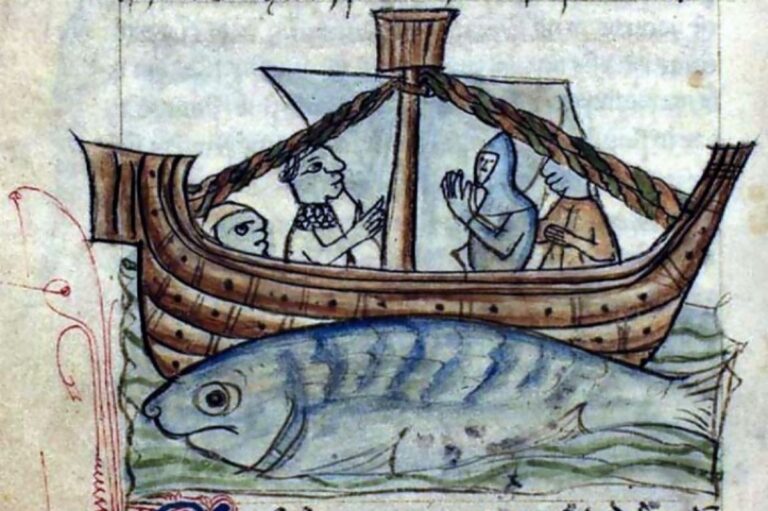
While the Vikings are often portrayed as brutal warriors, they were also innovators, with advanced ship technology, weapons, and craftsmanship. It should be no surprise that they developed techniques to bring down large sea mammals, which were highly valued as sources of protein and oil. However, most of what we know about Viking Age whale hunting comes from whale bones, as the durable material survives in the archaeological records.
When Did the Norsemen Start Hunting Whales?
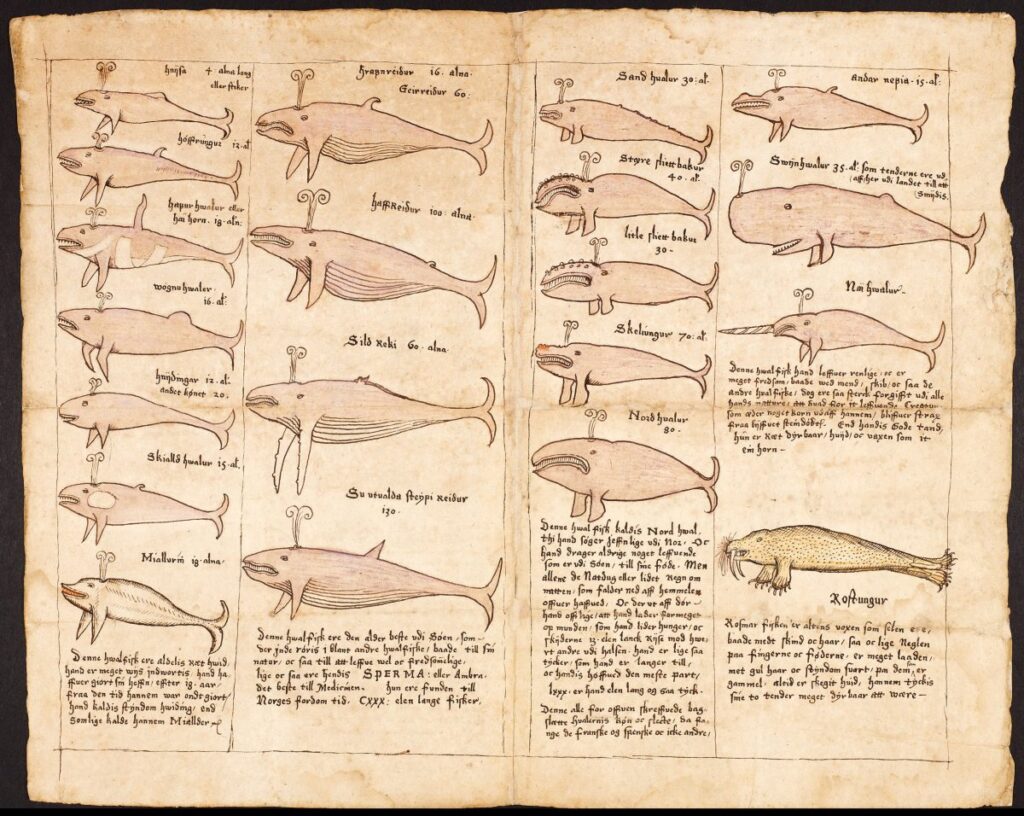
Most older textbooks will tell you that the Norwegians started catching whales off the coast of Tromso as early as the 9th or 10th century, and that the practice was imported to Iceland, which was settled around the same time.
But archaeological evidence suggests that whaling in Scandinavia started as early as the 6th century (Journal of Maritime Archaeology). The main evidence for this assertion is gaming pieces made from whale bone. While bone playing pieces are very common from Iron Age and Viking Age Scandinavia, for decades, they have been registered simply as “bone” with a more detailed analysis. A 2023 study led by Uppsala University changed that.
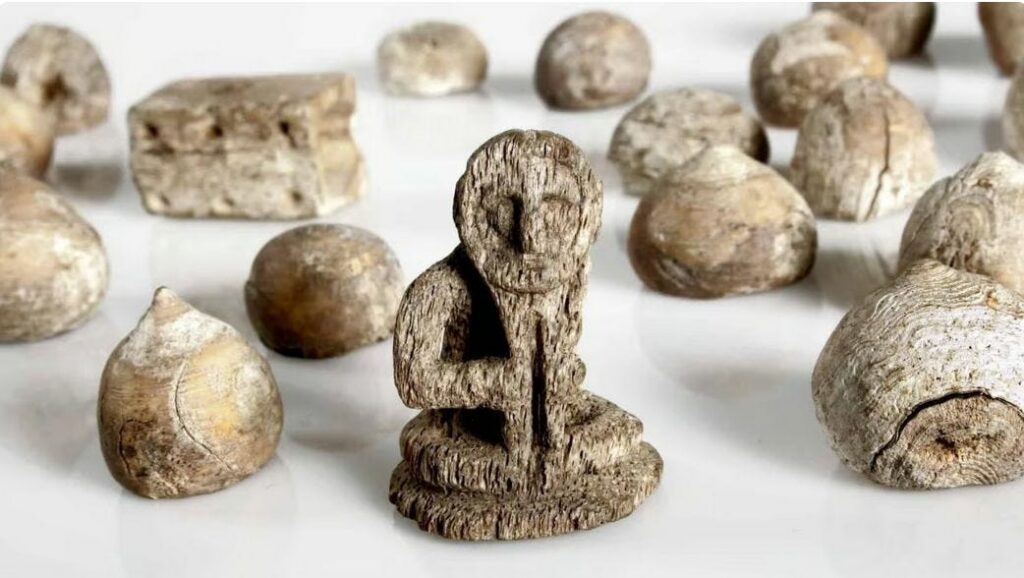
The study has identified 68 Norse gaming pieces made from whale bone. It was the most common material for gaming pieces between 550 and 1050 AD, suggesting that there was a plentiful supply from at least the 5th century onwards.
The authors also suggest that the bone must come from hunting rather than scavenging because 89% of the bone comes from Balaenid whales. Based on the whales that are known to beach themselves in the region, you would expect significantly more diversity, especially since Balaenid whales rarely beach themselves.
Balaenid whales include species such as the bowhead whale and right whale, which are slow-swimming, heavy-set mammals that tend to keep close to the shore. This makes them much easier to hunt than pelagic open-sea whales such as blue whales, though there is some evidence they were also occasionally hunted in the Viking Age.
Therefore, the evidence suggests that from the 6th century onwards, Norsemen hunted Balaenid whales near their coasts. But how did they capture the enormous sea mammals?
How Did the Vikings Hunt Whales?
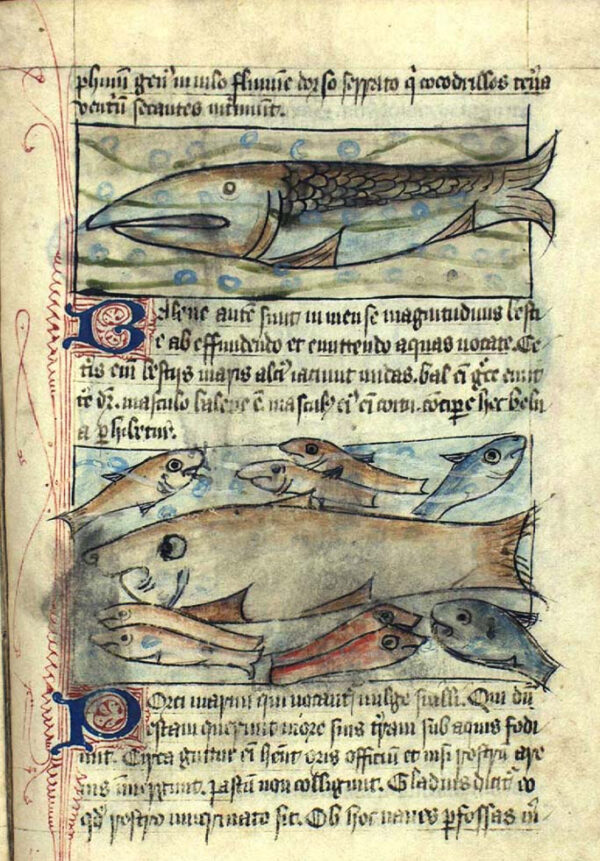
Comparative evidence based on contemporary whale hunting elsewhere in the world and later hunting practices suggests two main methods for hunting whales in the Viking age.
First, they could use sound to drive smaller whales, like pilot whales, into fjords where they could be captured with nets.
There is also some literary evidence to support this practice in a story inserted in a 9th-century Old English translation of the Seven Books of History Against the Pagans by the 5th-century historian Paulus Orosius. The note includes a conversation between a Norse trader named Ottarr and King Alfred the Great. Ottarr tells the king about a time he killed more than 60 whales with his friends in just two days. While this is probably an exaggeration, killing large numbers of whales like this probably reflects driving small whales into bays and fjords and capturing them en masse.
The other practice was spearing whales with marked iron spears and then claiming their carcasses when they washed ashore, based on the spear marks. This also has literary support in the Konungs skuggsjá, written in Norway around 1250 AD. It describes a whaler who is so irritated at losing five expensive whaling spears in a single day with no catch that he gave up whaling.
Were Whales Important to the Viking Economy?
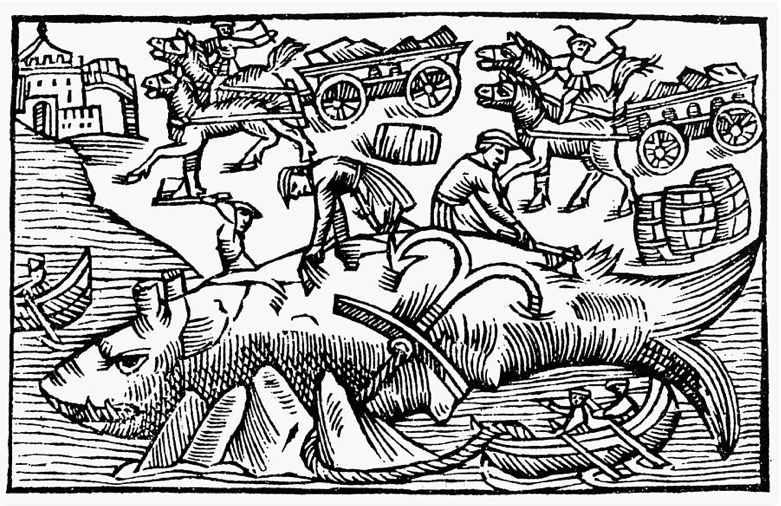
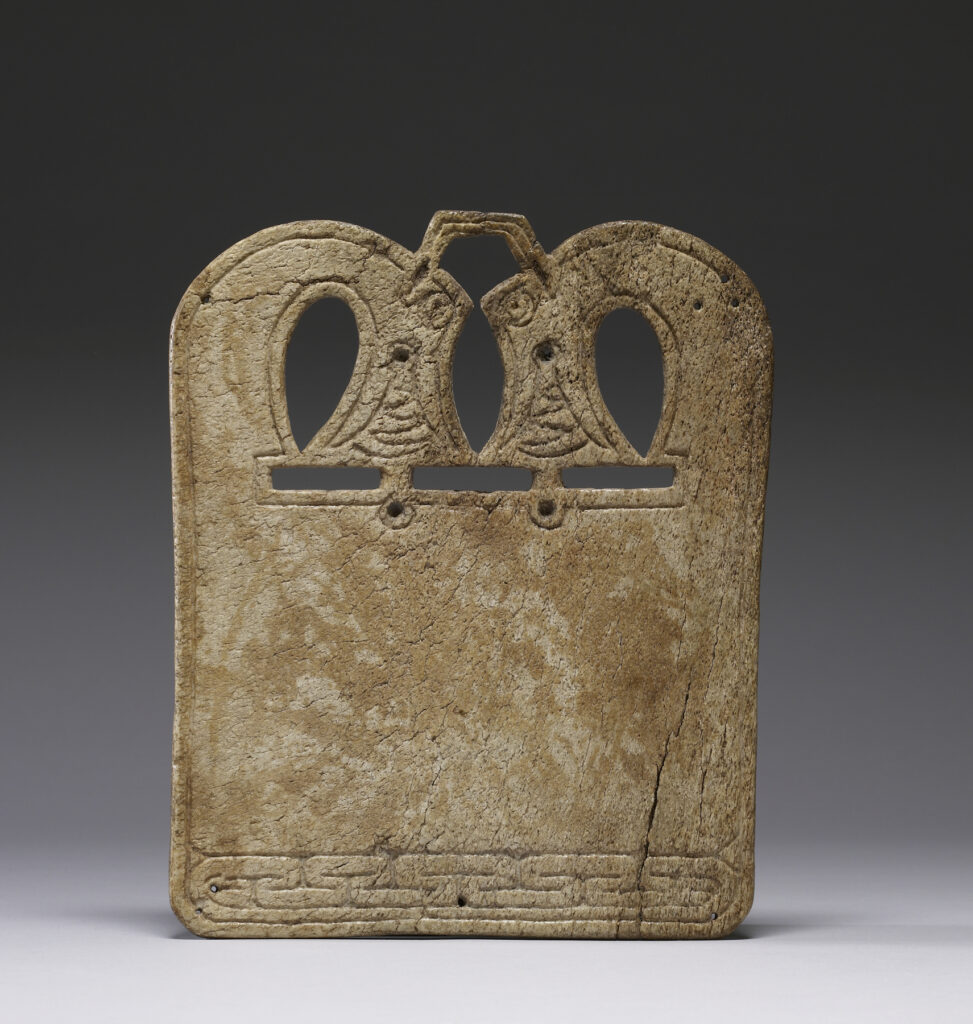
The sources suggest that whales were extremely important to the Viking economy. As well as using whale bones as saw material for gaming pieces, combs, and even weapons, they would have offered a significant amount of meat that could be preserved as food for communities in hard times, and they were a source of oil. Several cooking pits appropriate for heating blubber to extract oil have been found across the Viking world. The Vikings probably used the whole animal. Baleen has been found in the construction of a 6th-century wooden bucket found at Hogom in Sweden, and to fasten the boards of the 9th-century Norwegian Oseberg ship.
At least five of the Icelandic sagas describe brutal fights between the settlers over whale carcasses. Grettirs saga describes how many from various farmsteads all showed up to claim a whale that had beached itself at Reykjanes. A fight broke out, and one man was beheaded, another had his legs cut off, while another was bludgeoned to death by a whale bone. The conflict resulted in a blood feud between two of the households.
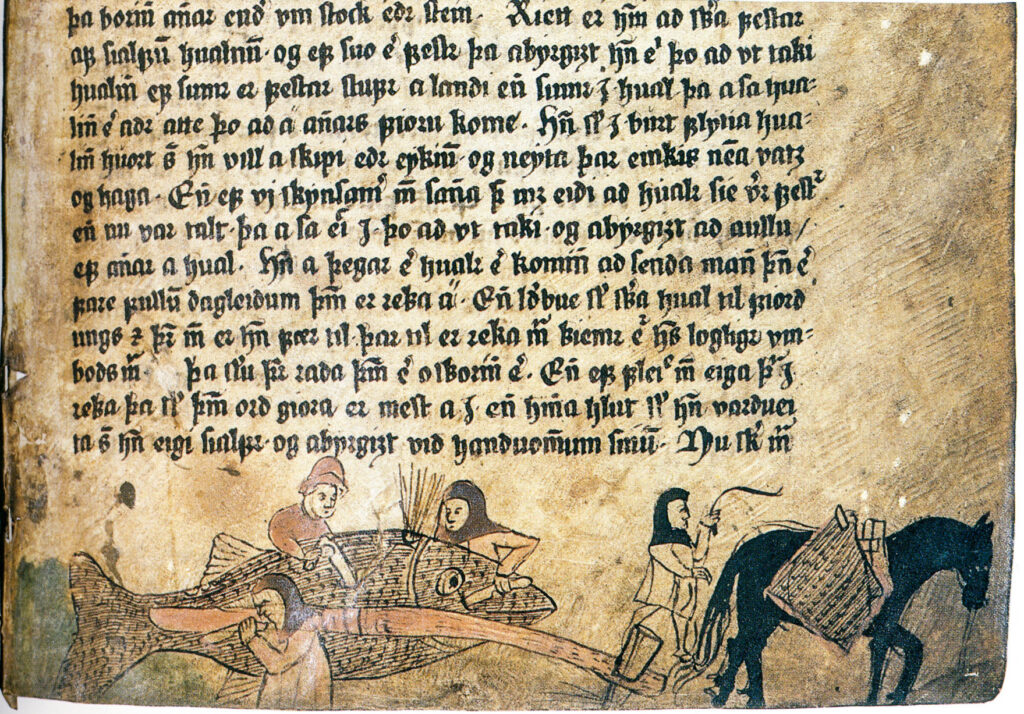
These kinds of disputes were common enough that laws were passed to regulate who could claim a whale carcass. According to Gulatingslova (Gulathing law), any Norwegian had the right to hunt whales, but only landowners had the right to hunt whales over 18 ells (8-10 meters) in length. Men were obliged to cut up their whales in front of witnesses, or leave behind the head, backbone, and tail as proof of its size.
Whales caught at sea belonged to the fisherman, but only if he cut it up at sea. If he cut it up on land, the landowner had a claim to half the catch, or he could arrange to pay compensation for trespassing instead. Any whale that beached up on a man’s land within the fence was owned by the landowner. But if it was outside the fence, and larger than the hunter was allowed, half belonged to the king. If it drifted into the commons, the king owned it all. If people cut it up anyway, they were liable to pay fines.
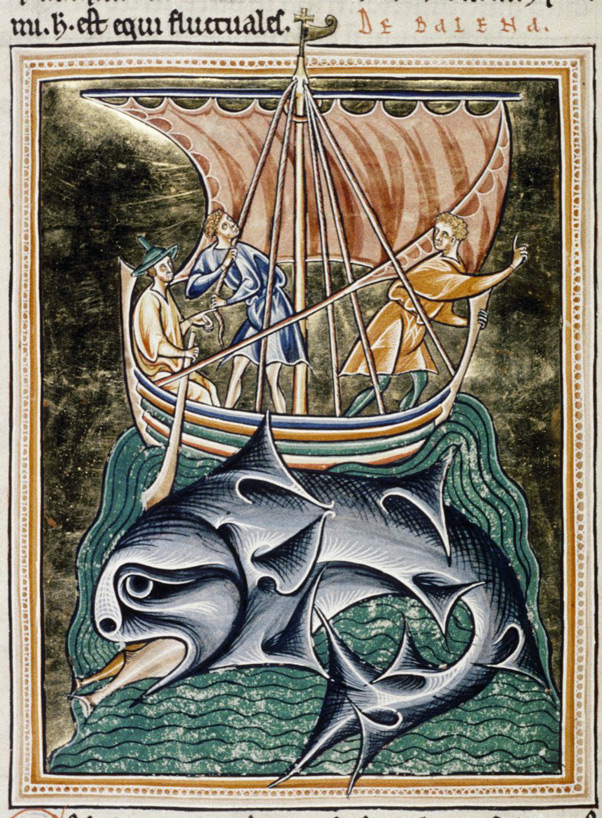
Some aspects of this law code are believed to date to the 10th century, preserved orally and later written down in the reign of King Olav the Quiet (AD 1066-1093).
The Icelandic sagas also record the rule that if someone saw a dead whale floating near the shore, they were obliged to do something to secure it and stop it from floating away. This reflects how important whales were considered as a natural resource at the time.
Explore the VKNG Collection
You can find bone pieces in the VKNG collection, though not made from whale bone, as whale hunting is illegal in many parts of the world due to efforts to preserve the species.
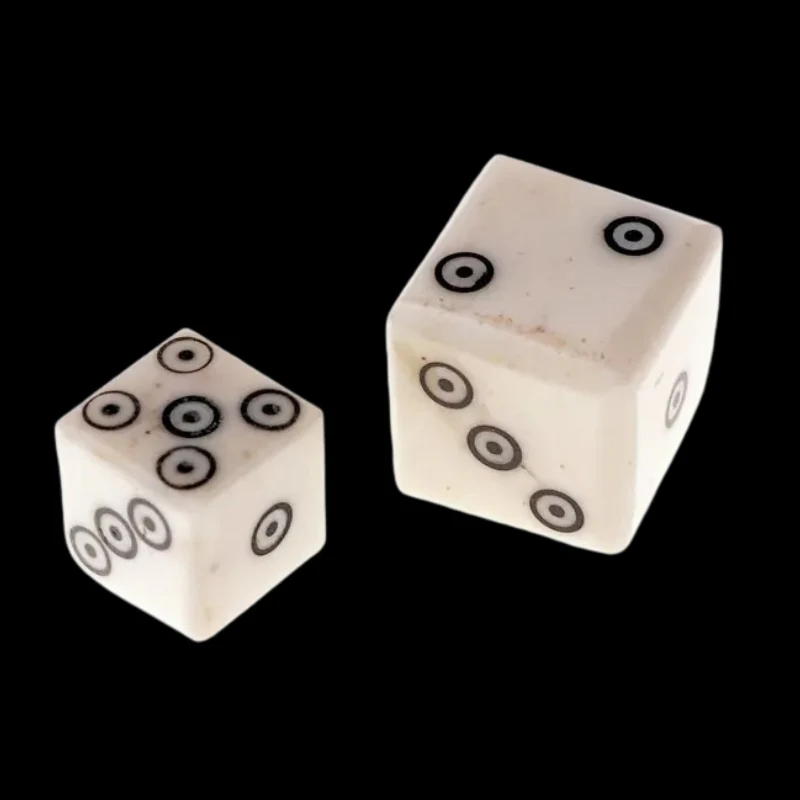
These dice are handcrafted from ethically sourced cattle bone and reflect the Viking love of board games.
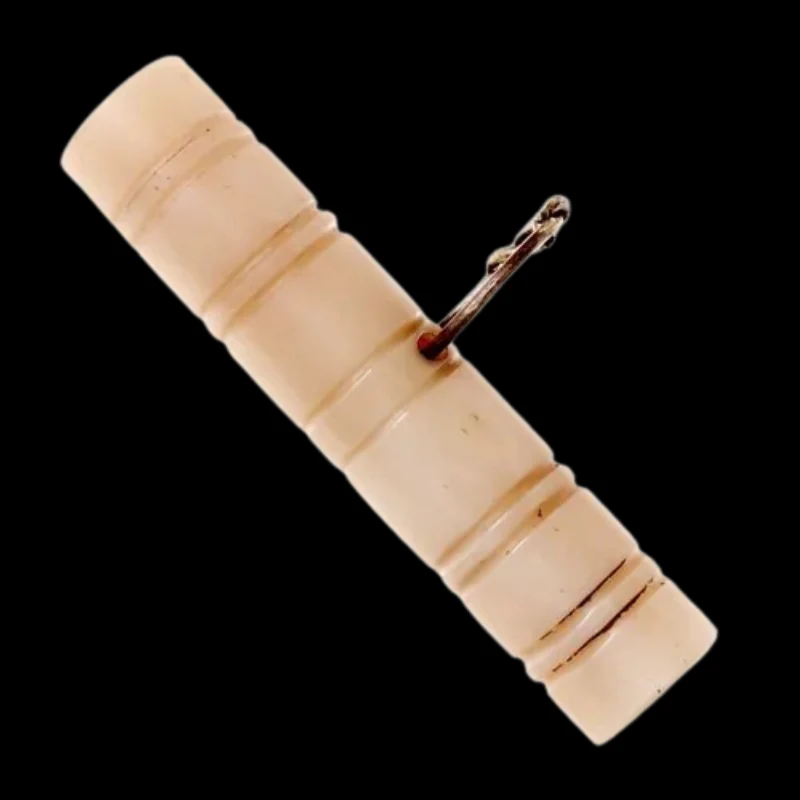
This needle box is a replica of a Viking age object found at Birka in Sweden, again carved from cattle bone.
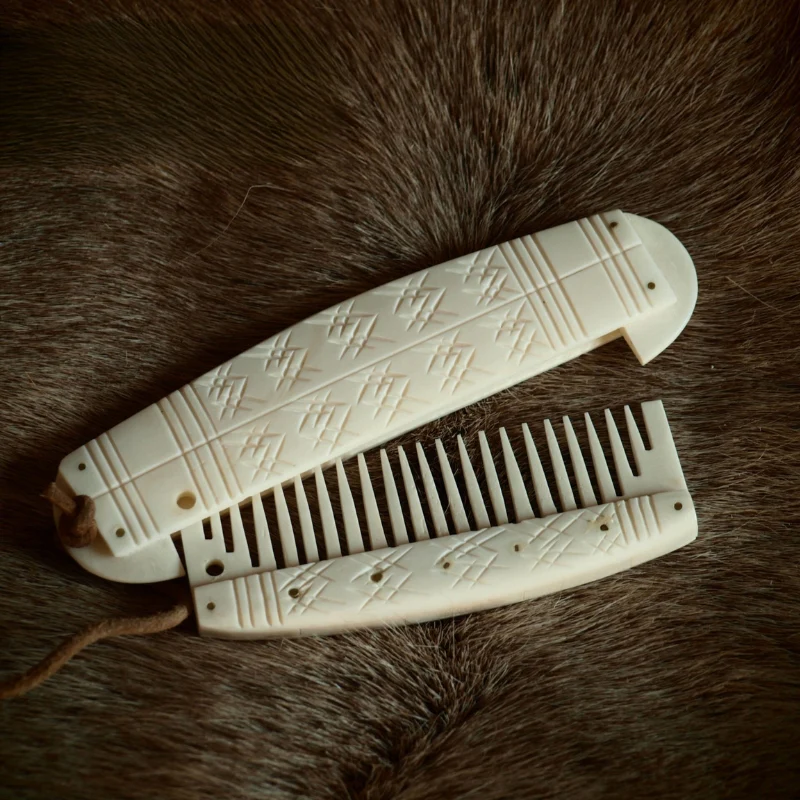
This bone comb is inspired by a 10th-century Swedish find. The Vikings always carried a comb to keep their hair and beards clean.
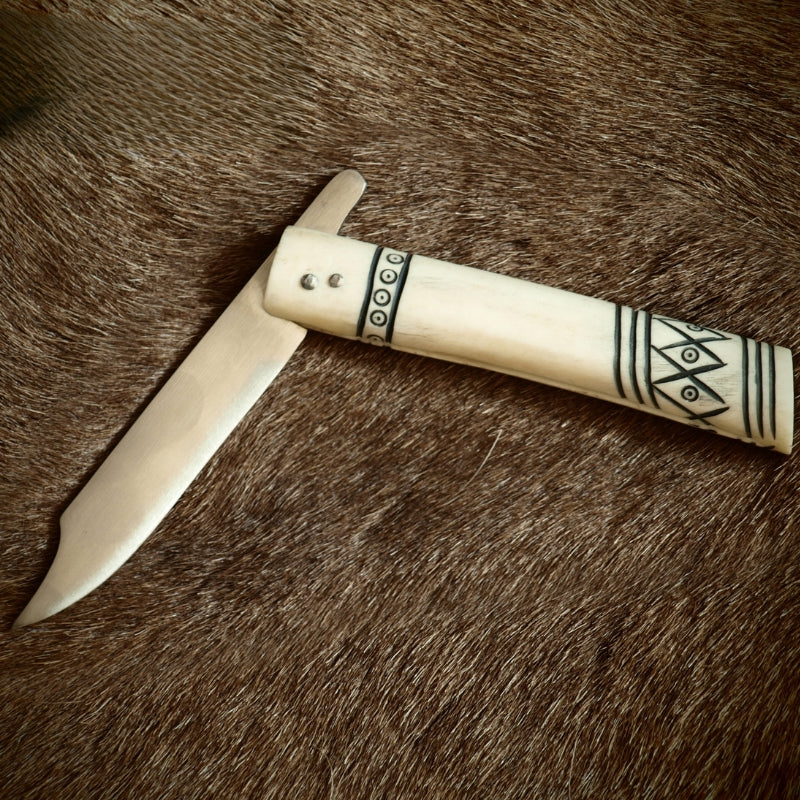
Knives were another thing that most Vikings carried on their belts, and this one is inspired by a Viking Age find from England.
FAQs
When did the Norsemen first begin hunting whales, according to recent archaeological evidence?
While older textbooks date the practice to the 9th or 10th century, a 2023 study of whalebone gaming pieces proves that Scandinavian whaling began as early as the 6th century.
Why do researchers believe early Norsemen actively hunted whales rather than just scavenging beach strandings?
Analysis shows that 89% of the analyzed bone pieces came from near-shore Balaenid whales, which rarely beach themselves naturally, indicating they were intentionally targeted at sea.
What were the two primary methods the Vikings used to hunt whales?
They either used noise to drive schools of small whales into shallow fjords to be trapped by nets, or they used marked iron spears to wound larger whales and claimed the carcasses when they eventually washed ashore.
How were whale resources utilized within the Viking economy?
The Vikings used the entire animal, harvesting the meat for food, rendering the blubber into oil, and using the bones and baleen to manufacture tools, ship fasteners, and gaming pieces.
How did medieval Scandinavian laws regulate the ownership of beached whale carcasses?
Ownership was highly regulated based on location and size; a whale generally belonged to the landowner if it washed ashore within their property fence, but half or all of it could belong to the king if found in public commons.