A few months ago, when a homeowner in Rebild was clearing his backyard to install a new patio, he encountered some loose clay potsherds while removing some weeds and stones. As he continued to dig, some metal artifacts that had apparently fallen out of the clay vessel emerged.
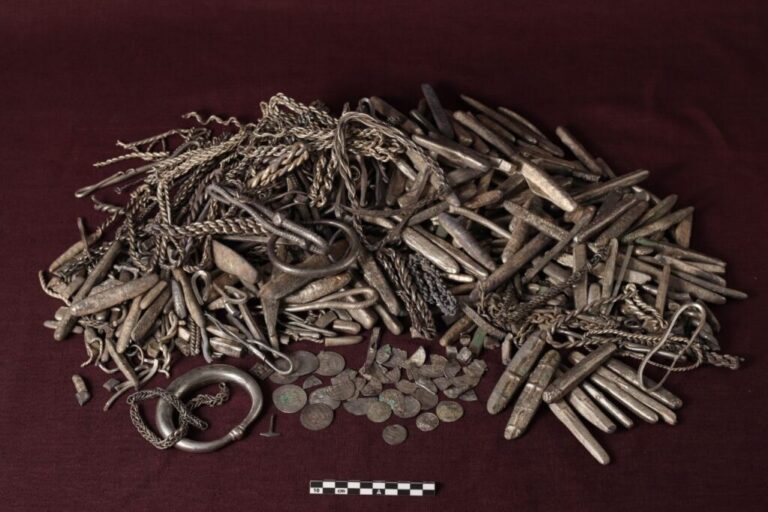
He contacted the local archaeology service, and they arrived to investigate. They excavated 18.5 kilos (41 lbs) of silver dating to the 10th century. This includes more than 700 individual objects. This makes the Rebild Hoard three times larger than the next largest hoard found in Denmark, the Terslev Hoard.
What’s in the Hoard?
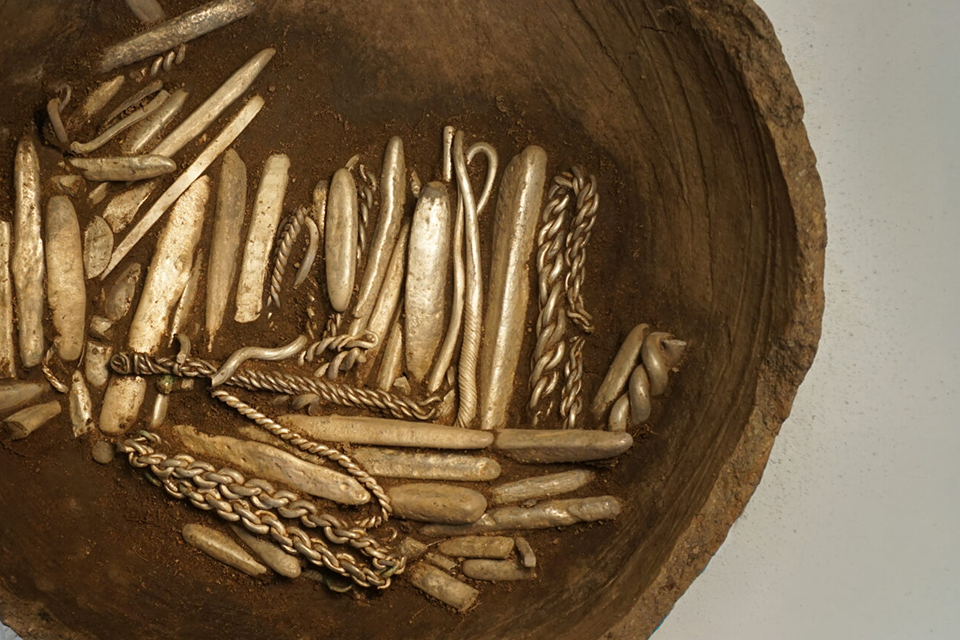
Most of the pieces in the hoard are silver bars, bullion used as currency in the Viking Age. Just less than half the objects, 320, were still in the clay vessel, while the rest had spilled out and were found in the soil around the site.
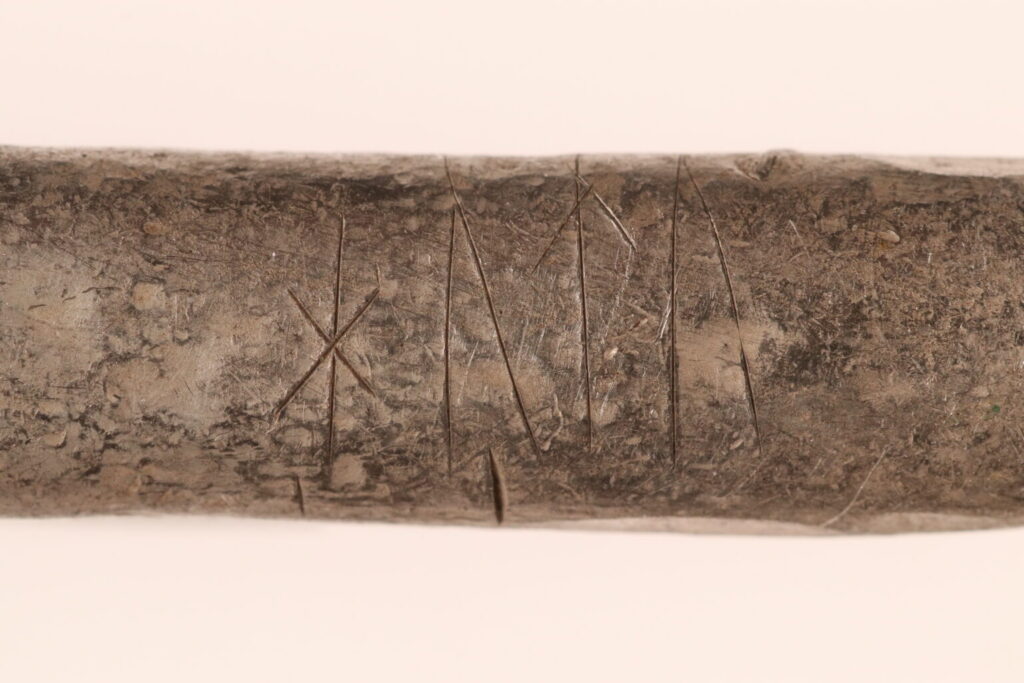
Interestingly, one of the silver bars has runes engraved on it. The text has been interpreted as reading “hutu,” which could be a name, the owner’s mark, or something else, like a magical formula.
There were only 47 complete coins in the hoard, as well as coins cut into smaller pieces, reflecting that the Vikings still favored a barter economy over coin currency in the 10th century. The hoard includes both Arab dirhams and Anglo-Saxon coins, reflecting the trade networks of the day. The Anglo-Saxon coins include silver pennies minted under King Edward the Elder, who reigned from 899 to 924, providing an important terminus post quem for the hoard.
Other Danish Hoards
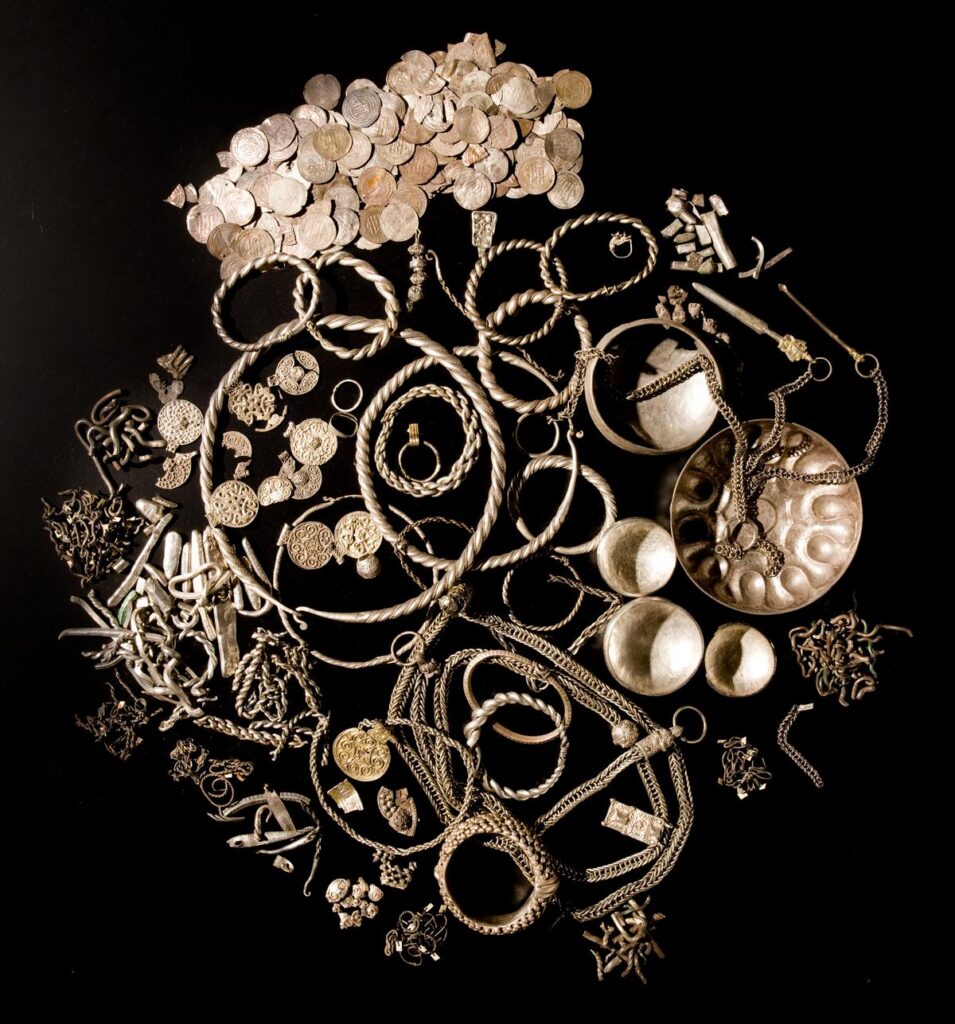
This is the second large Viking silver hoard found in the region. The Rebildskat hoard was found in 1971 and also dates to the 10th century. It is of a similar composition but much smaller in scale.
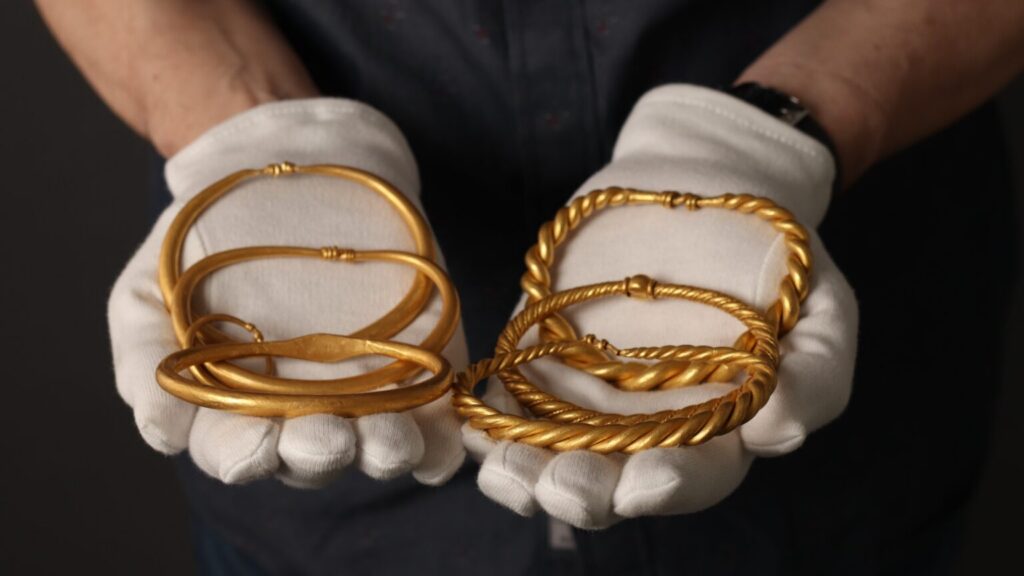
Only a few months ago, the Rold treasure was found nearby. It is a very different hoard, as it contains six intact gold arm rings, suggesting a different purpose, perhaps a religious deposit.
As mentioned, the Terslev Hoard, discovered in 1911, was previously the largest Viking hoard found in Denmark, on the island of Zealand, and is just a third of the size of the Rebild Hoard. But in contrast, it contains 1,700 coins, mostly dirhams, suggesting it probably belonged to a merchant active in the east.
The Tisso Hoard was also discovered on Zealand and includes the famous Tisso Ring, a massive 1.8-kg gold neck ring, also likely from the 10th century.
In 2023, metal detectorists found a hoard near the Frykat fortress in North Jutland. Consisting of two caches, it dates to around 980 and the reign of Harald Bluetooth.
Thor’s Hammer
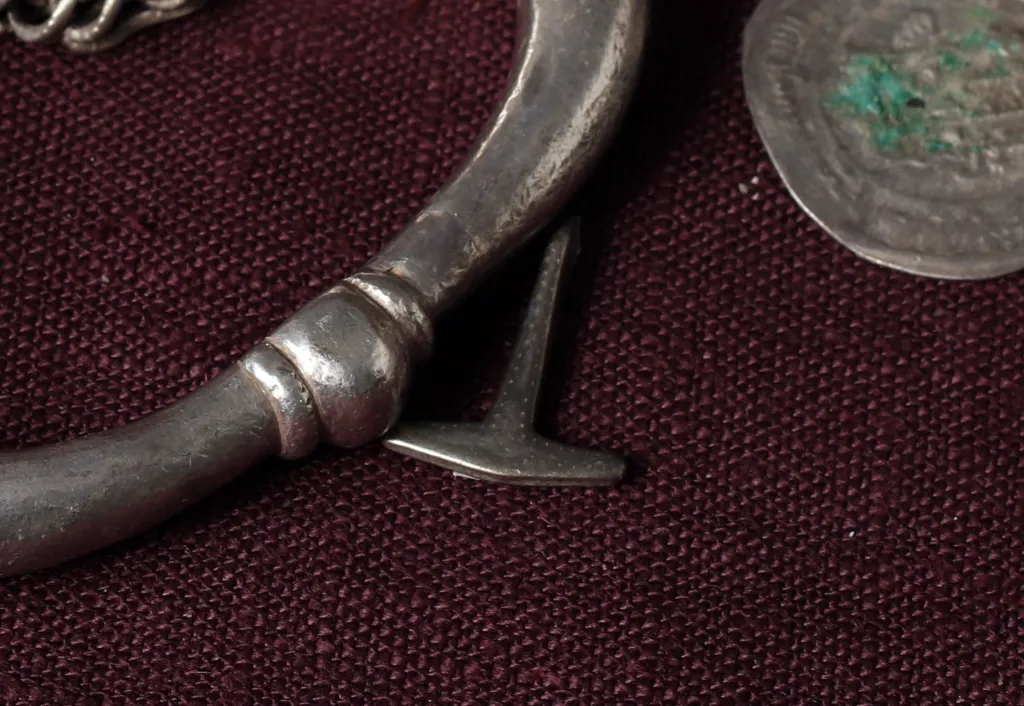
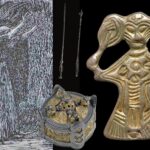
One of the most fascinating pieces in the Rebild Hoard is a small, silver Thor’s Hammer amulet. While the pendant is small, it is possible to see that it was decorated with perforated dots.
This is similar to the Romersdal Mjolnir pendant, found on Bornholm island in Denmark. Similar dotted patterns are found on various other surviving Mjolnir pendants, but their meaning is unclear. They may have been designed to give visual depth and physical grip to the piece.
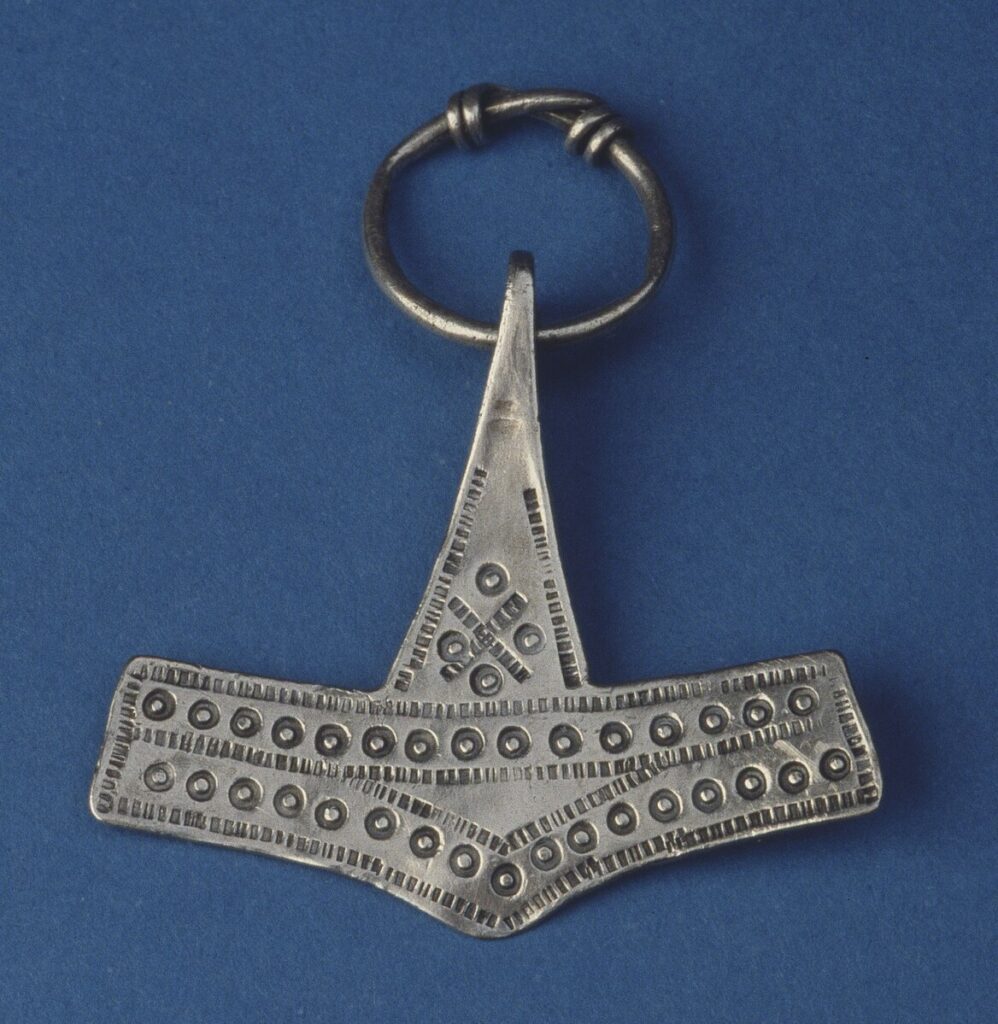
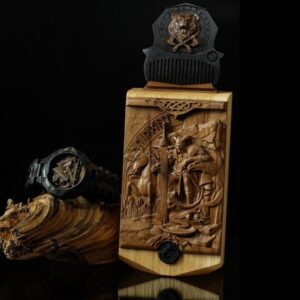
The Vikings wore Mjolnir pendants as symbols of divine protection and their devotion to the Norse gods. You can find your very one Mjolnir pendant, based on genuine pieces from the archaeological record like that found in the Rebild Hoard, in the VKNG Collection.

This design is based on a 10th-century Mjolnir pendant found at Östergötland, Sweden. It features swirling loops, which were extremely common for jewelry decoration in the Viking Age.
This design is based on a Mjolnir pendant found in Scania, Sweden. The handle of the hammer looks like a raven or a warrior’s head, a common feature of many Mjolnir designs. It is probably a reference to Odin, the god of war and ravens.


This pendant is based on a Mjolnir amulet found on Bornholm Island, Denmark. The pattern of round circles was a common design on Norse jewelry, especially Mjolnir pendants.
This pendant is based on a 10th-century artifact from Iceland. It has a distinctive design with its wolf-head clasp and what seems to be a Christian cross integrated into the design. It dates to a time when Iceland was in the process of converting to Christianity, and religious lines and symbolism were being blurred.

FAQs
What is the newly discovered Rebild Hoard?
Discovered in a private garden in Denmark, the Rebild Hoard is a massive 10th-century Viking treasure weighing approximately 18.5 kilograms. It contains roughly 700 silver items, including ingots, arm rings, foreign coins, and a small Thor’s hammer.
How was the silver hoard initially uncovered?
A Danish homeowner stumbled upon the deposit by pure chance while clearing grass and gravel to build a backyard terrace. After striking metal with a shovel, manual digging revealed hundreds of silver artifacts buried inside and around an old clay pot.
Why is this discovery considered historically significant?
Weighing nearly three times as much as the country’s previous record holder, it stands as the largest Viking-Age silver hoard ever found in Denmark. The heavy proportion of ingots and cut silver offers valuable insights into how Vikings systematically organized wealth and used silver weight as currency.
What do the coins reveal about Viking connections?
The collection features Anglo-Saxon pennies minted under King Edward the Elder alongside several Islamic Arabic dirhams. These foreign pieces prove that 10th-century Denmark was deeply embedded in far-reaching trade networks spanning from Western Europe to the Middle East.
Are there any particularly unusual items in the find?
Among the silver bars is an intriguing ingot etched with a runic inscription that appears to spell out “hutu”. Archaeologists suspect this marking represents an owner’s signature, a personal name, or a protective formula.
What will happen to the hoard next under Danish law?
Classified as Danefæ or state treasure, the entire collection now belongs to the nation and will be preserved by the National Museum of Denmark. The anonymous finder will receive an official finder’s reward reflecting the material value and historical importance of the find.