Modern media often paints the Vikings as mud-splattered warriors clad in plain leather and rough furs, but the excavation of graves across the Viking world tells a drastically different story. From the bustling market streets of Hedeby to remote farmsteads in the Norwegian fjords, Norse people surrounded themselves with shimmering silver, cast bronze, and vibrant imported glass. Viking jewelry was neither crude nor purely cosmetic; every twisted arm ring, intricately carved brooch, and sacred pendant was a wearable declaration of wealth, family lineage, divine loyalty, and liquid purchasing power.
The Silver Age: What Materials Was Viking Jewelry Made From?
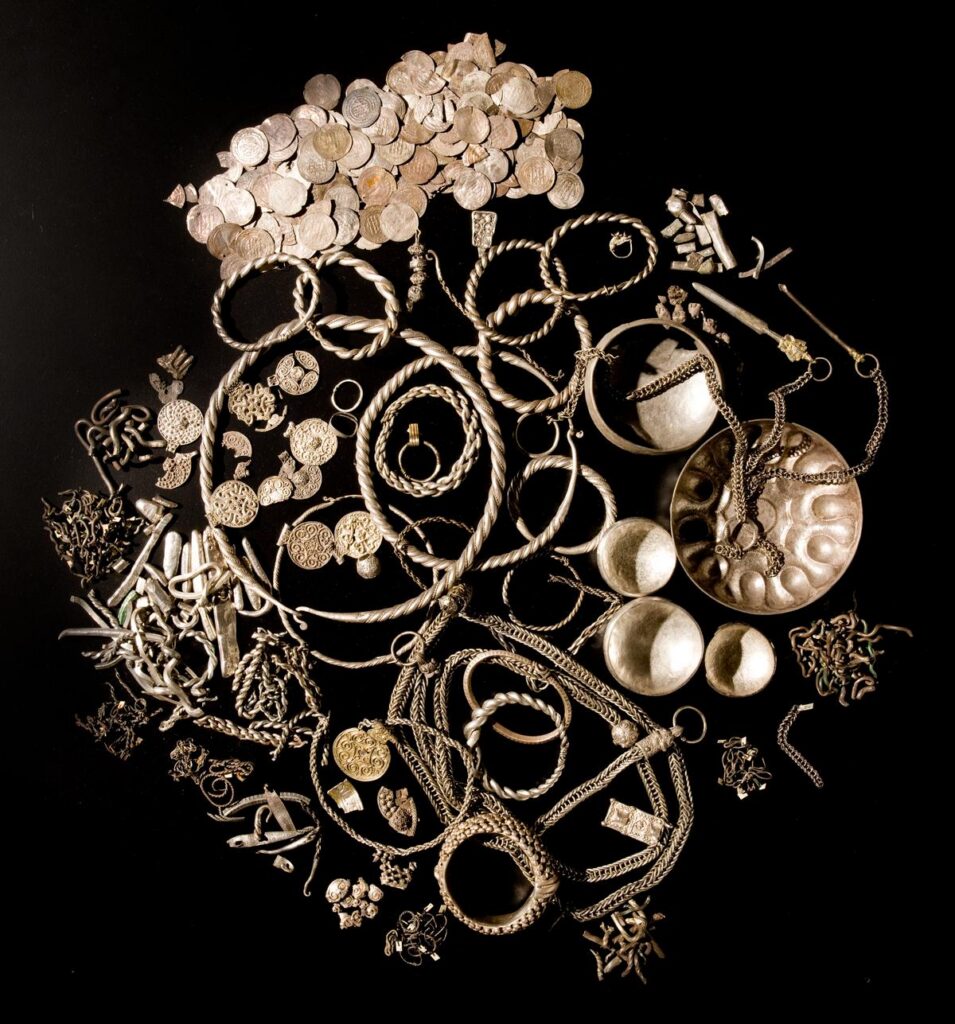
Both men and women commonly wore jewelry in the Viking Age. While gold was prized in the previous Vendel era, silver was the principal metal worn in the Viking Age due to its availability. As well as being a status symbol, the Vikings used a bullion currency based on silver, so silver jewelry could also act as liquid currency.
The Vikings still wore some pieces made from gold, as well as made from bronze, amber, glass, bone, and other materials. But silver dominated the Viking Age.
Jewelry was created using the “lost wax” method, in which a mold of the piece is made, and then metal is poured into it. Once cool, they broke away the wax and polished the metal. VKNG still uses this method in its Paris workshop.
Interestingly, the Vikings rarely wore pieces with inset stones or gems, though separate pieces were made from these materials.
How Brooches Anchored the Norse Wardrobe

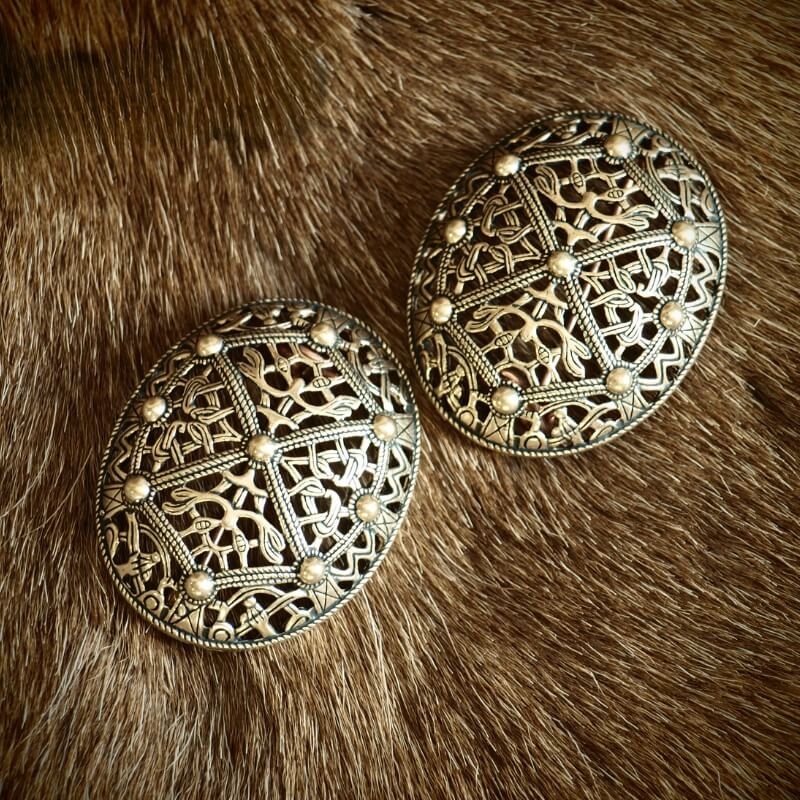
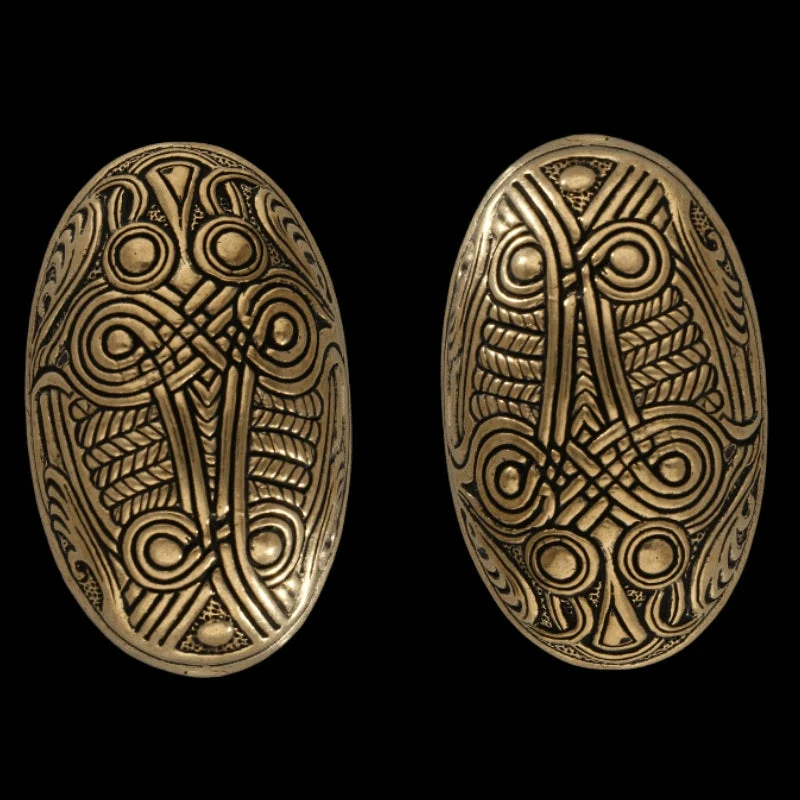
Probably the most common piece of jewelry worn by Viking women was brooches, which were used to hold the straps of their dresses in place. Men would also often use brooches to secure their cloaks at the shoulder.
They were usually made from bronze, and while they tended to be oval-shaped in the 9th and early 10trh centuries, but the second half of the 10th century disk-shaped brooches were more popular.
In 2026, the burial of an 8th-century female Viking was excavated in Western Jutland, Denmark, and included two conclave, oval fibulae, scoop brooches, used to fasten an apron dress at the shoulder. Corrosion of the bronze or silver produced metallic salts that acted as preservatives and kept some fabric fibers from her dress from decomposing, making this a particularly special find.

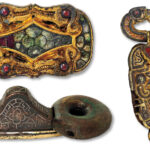
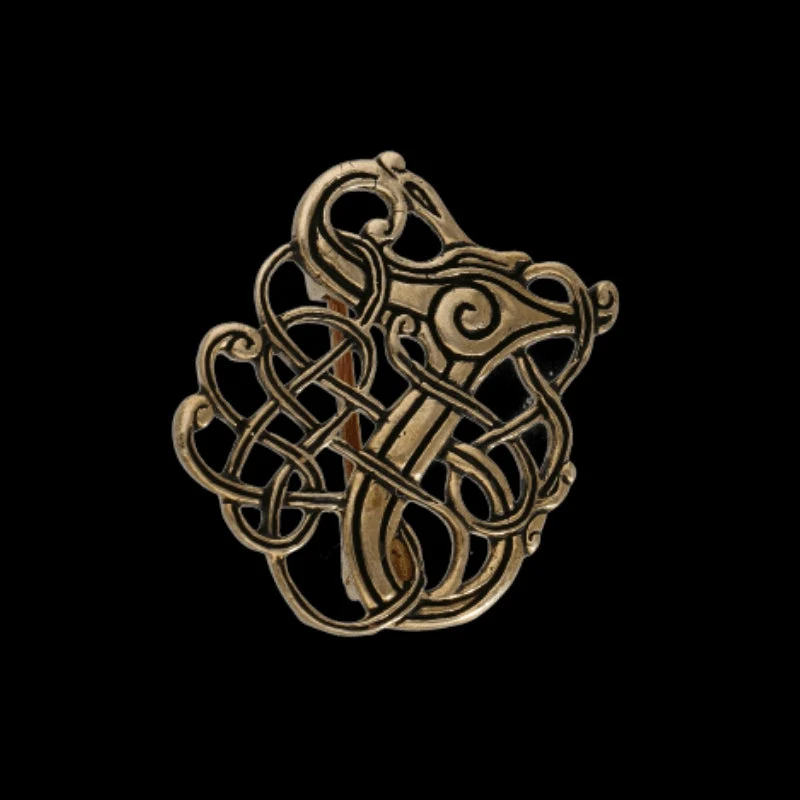
One of the most famous brooches to survive from the Viking world is a fine gold-gilded bronze brooch found at Pitney Church in Somerset, England. Dating to the 11th century, its design was Norse and reflected the strong Viking presence in England at the time.
The Pitney Brooch is a disc brooch made from copper alloy and gilded in gold. This suggests that it was probably a brooch used to secure clothing, in typical Viking style, belonging to a member of the local Norse elite, to afford such a fine piece.
The brooch displays an intricate design of ribboned animals, popular in both Norse and Anglo-Saxon art. It shows a quadrupedal animal with a highly elongated body that coils like a ribbon to form an elaborate pattern, in this case, forming more or less a heart shape. Its body is a mix of plain and bearded bands. It ends with spiral hips and sharp, angular feet with three toes.
The animal is locked in battle with a snake, whose ribboned body also forms elaborate patterns. It bites the other animal on the neck as it stares out directly with two large eyes. Its tail also ends in two spirals.
This brooch shares significant similarities with another brooch found at Wisbech in Cambridge, but the Cambridge example, made in bronze without the gilding, is much simpler in design and not executed with the same skill. This shows the difference in quality of the jewellery worn by elites and others.

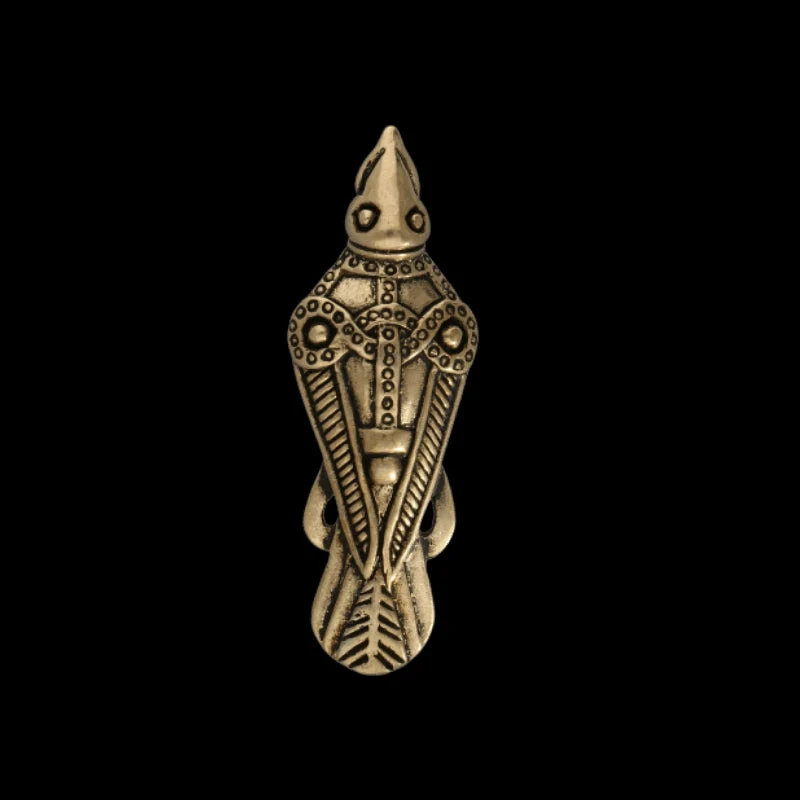
Brooches shaped like ravens, the birds of Odin, were also extremely common. One of the most famous examples is a copper alloy brooch from Gotland, Sweden, dating to the 6th century and currently in the British Museum. The brooch has no archaeological context because it was purchased in the late 19th century by a British collector named James Curle on the local market, which was flooded with Gotland finds retrieved by farmers. The price tag is still on the piece: three kroner.
Discover Norse-style brooches in the VKNG Collection.
Why Silver Arm Rings Functioned as Portable Currency

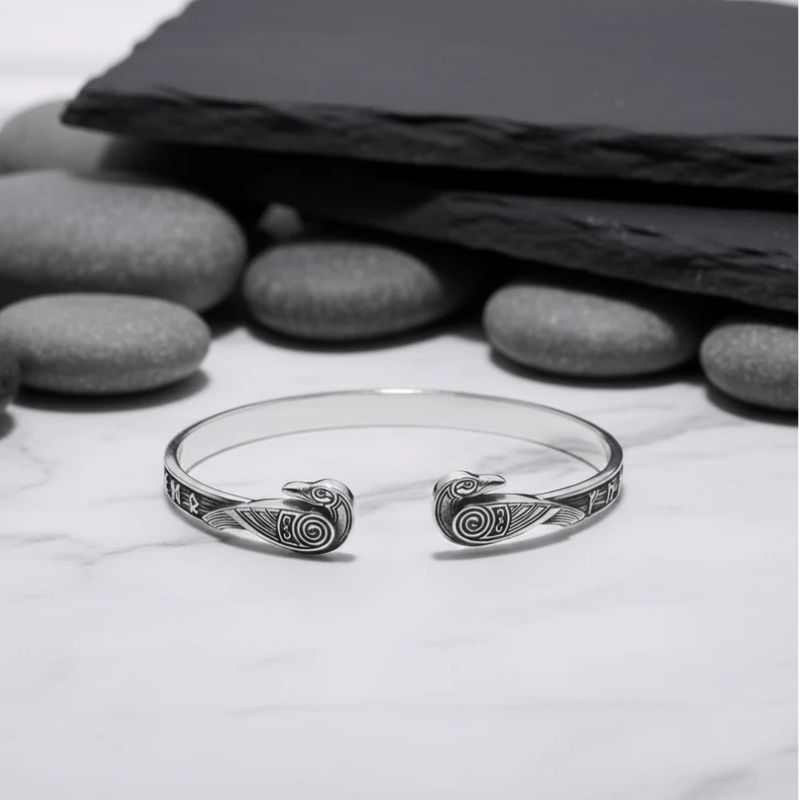
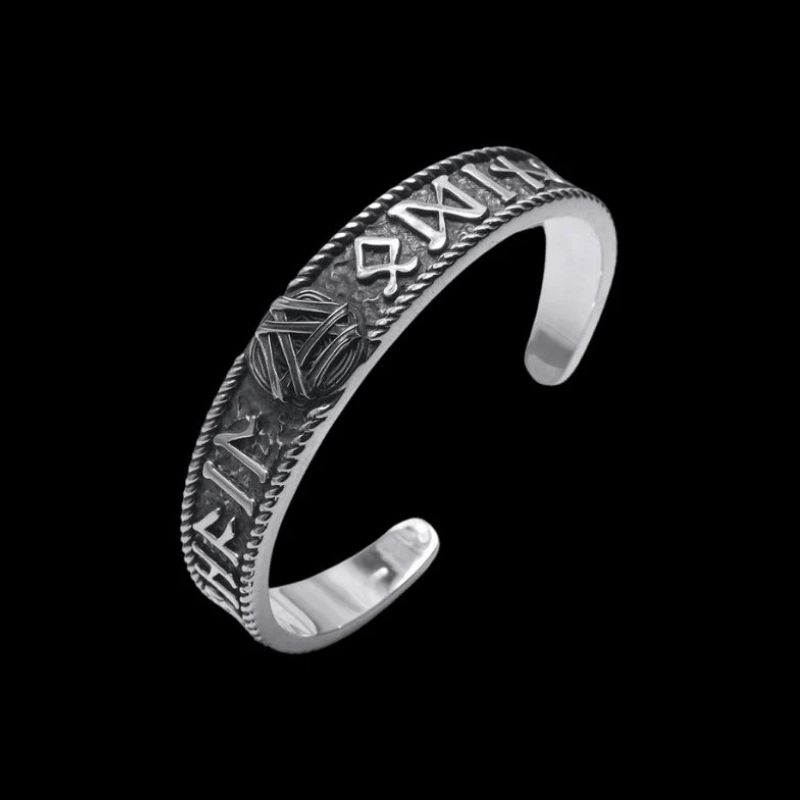
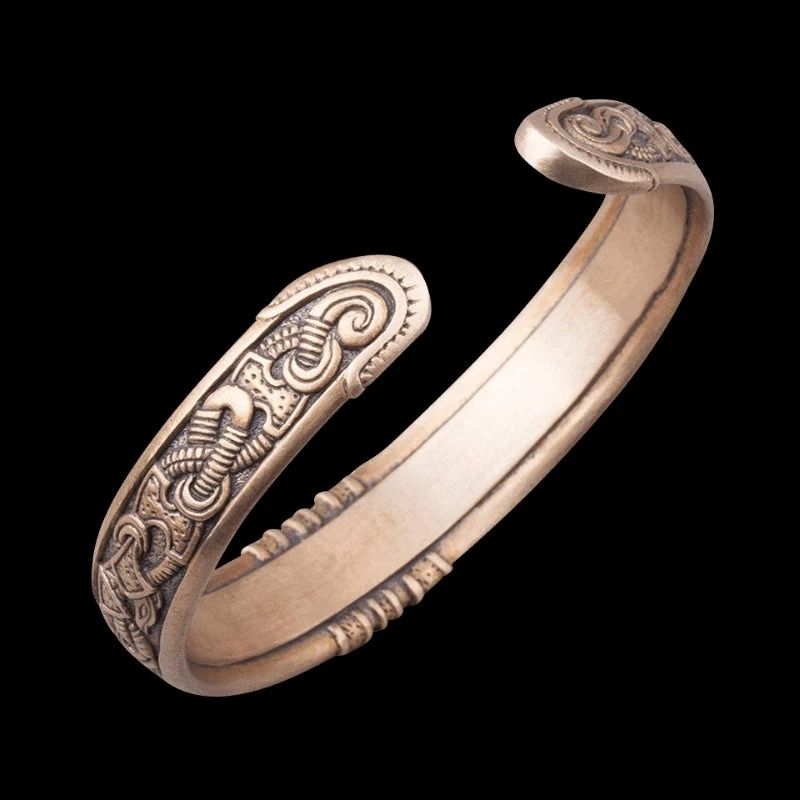
The most common piece of jewelry among Viking men was arm rings, which were basically torque-shaped bangles worn on the arm, usually made of silver but sometimes gold.
These arm rings were important symbols of social status. They were exchanged between allies, and wealthy lords often gave these rings to their warriors to ensure their allegiance. The presence of a ring helped ensure loyalty because it showed that the chieftain had the inclination to share his wealth with his warriors. The quality of your arm rings was more about status.
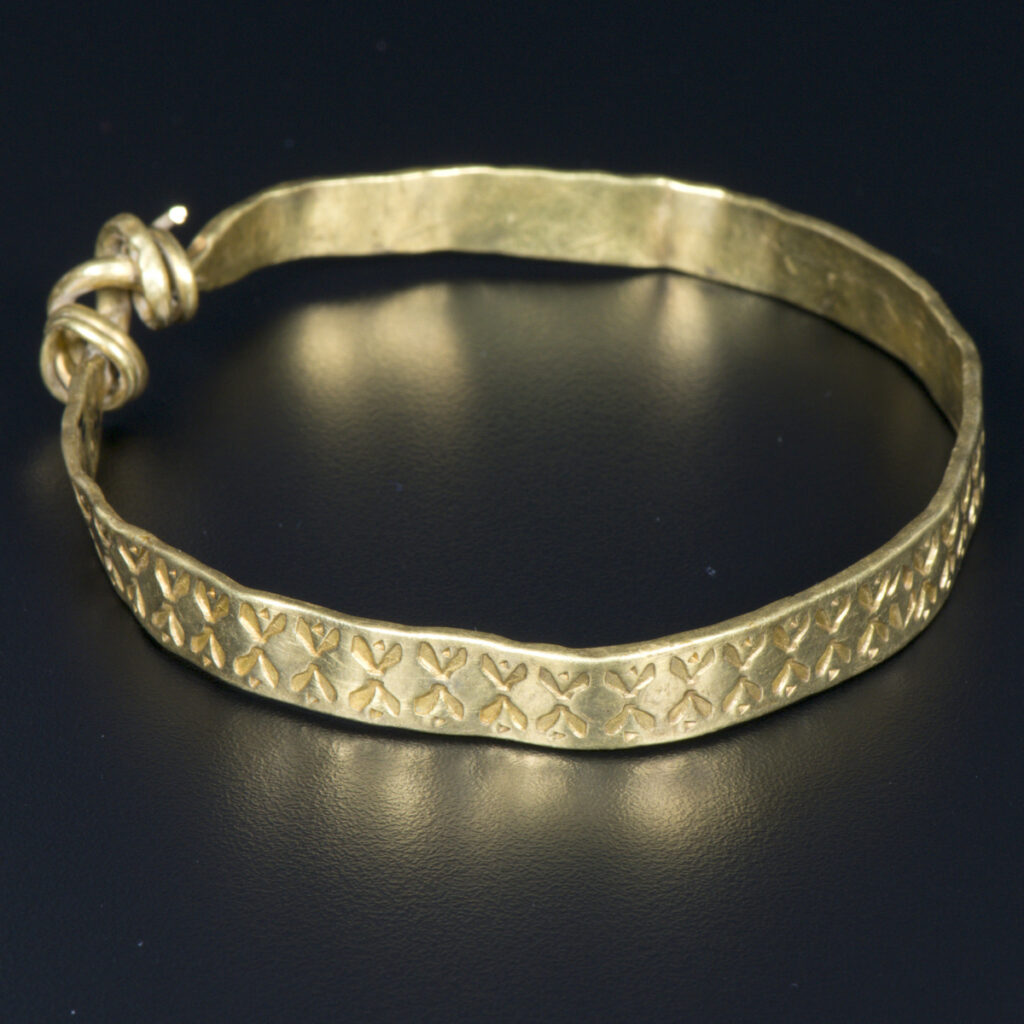
There are also references in the surviving Skaldic verse to swearing oaths on rings sacred to Ullr, the god of winter. This was confirmed by the discovery of a shrine of Ullr at Lilla Ullevi in Sweden. 65 rings were excavated from the shrine. These rings were probably used to swear oaths and then buried in the sacred ground of the god.

Arm rings were also used as currency. Made from precious metals, the Vikings would often cut pieces of precious metal off their ring and use them as a form of payment. For this reason, collections of arm rings are often found in Viking hoards, which were wealth that was buried either for the gods or to hide it for later retrieval.
Discover Armrings in the VKNG Collection.
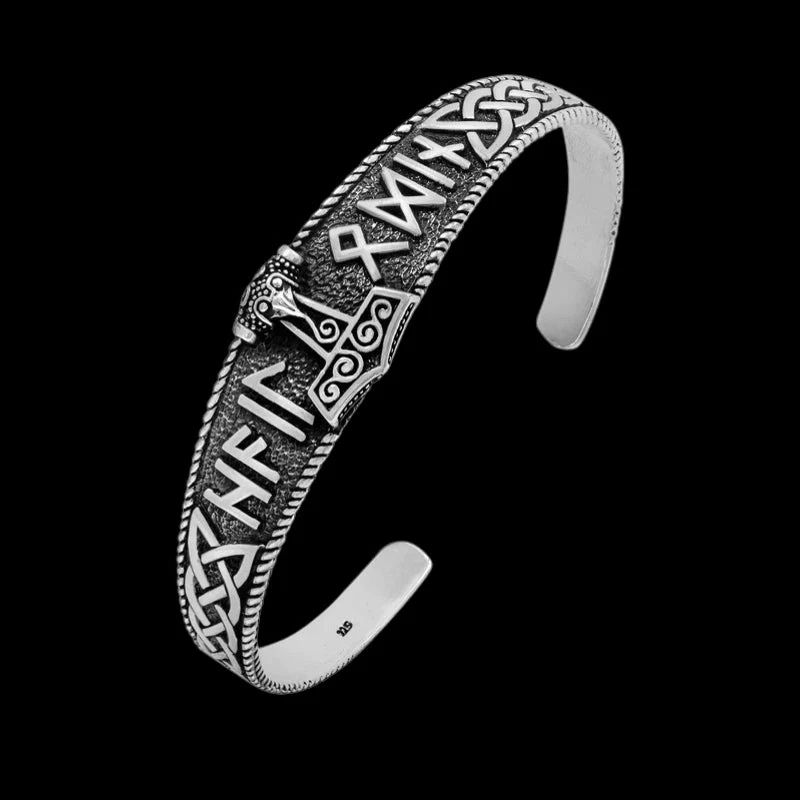
Sacred Symbols and Apotropaic Talismans Around the Neck
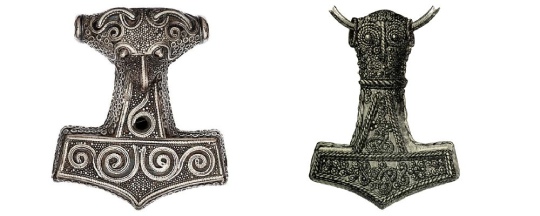
Among the most common pieces of jewelry worn by the Vikings were pendants in the shapes of religious symbols that carried some meaning to the wearer. They also sometimes used personal symbols, which were given as gifts.
While a variety of examples survive, by far the most popular symbol among the Vikings was Thor’s hammer Mjolnir. More than twice as many Mjolnir symbols survive in the Viking archaeological record as all other symbols combined.

It was a symbol of protection, as Thor was the designated protector of both Midgard and Asgard against the chaotic forces of the giants. It was also a symbol of a warrior’s strength, as Thor was considered the strongest and best of warriors.
The surviving examples of Mjölnir pendants are made in a variety of materials, though iron is most common, followed by silver. There are also examples made from lead, gold, and amber. Similar pendants were probably made of wood or clay for more humble individuals, but these have not survived the test of time.
While there are some examples of elaborately decorated hammer pendants, most were plain. This includes examples that were found in elaborate ship burials, suggesting that plain hammers were the standard.

However, Mjölnir pendants should not be considered grave goods, as only about 15% of surviving examples were found in graves. They seem rather to have been symbols of protection and religious devotion worn in life. While some people were buried with their pendants, others may have been passed on to family members.
When you see photos of these pendants, you will usually see them with the handle of the hammer on top. This is because many examples have a punch mark in the handle, suggesting that they were threaded and worn hanging as a pendant. While most would probably have been worn around the neck, a few surviving examples show that they were sometimes threaded on an iron ring with other amulets and that this was then hung from the belt, as a kind of Viking Age “charm bracelet.”

While evidence of wear on the hammers suggests that they were often worn, this does not seem to have been their only function. Twenty-five Thor’s hammer amulets were found at the cult center at Tissø in Denmark. They were deposited in the 9th and 10th centuries alongside figurines of Thor and Odin. In this context, they appear to be votive offerings.
Mjölnir pendants continued to be used well into the Christian period and were often mixed up with images of the cross. There are examples of hammers with crosses inscribed on them, combining the two iconographies. This reinforces the idea that the Vikings wore the pendants for protection and as a sign of devotion. This matches the purpose of the Christian cross and explains why the two became closely linked.
Discover Mjolnir Pendants in the VKNG Collection.


Other Forms of Jewelry
The Vikings also wore several other types of jewelry, including finger rings, toque-style neck rings, beaded necklaces, and more. One thing for which there is no evidence that they used is earrings, though they would have been familiar with the concept from contemporary cultures with which they had contact.