Rising beside the strategic Karmsund strait on Norway’s island of Karmøy, the Grønhaug mound has long been celebrated as one of Scandinavia’s earliest Viking ship burials, dating to around AD 790. Yet new archaeological research reveals that the Vikings were not the first to sacralize this coastal ridge. Hidden directly beneath the famous ship tomb lie the remains of a far older Bronze Age burial mound. This discovery proves that early Norse rulers deliberately anchored their royal power in a thousand-year-old ancestral landscape.
What Archaeologists Found Beneath Norway’s Grønhaug Ship Grave
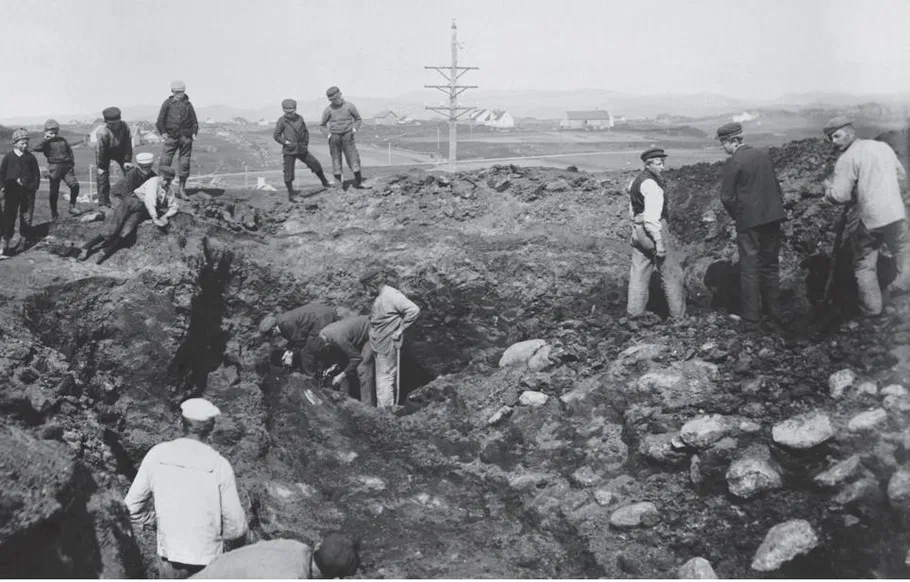
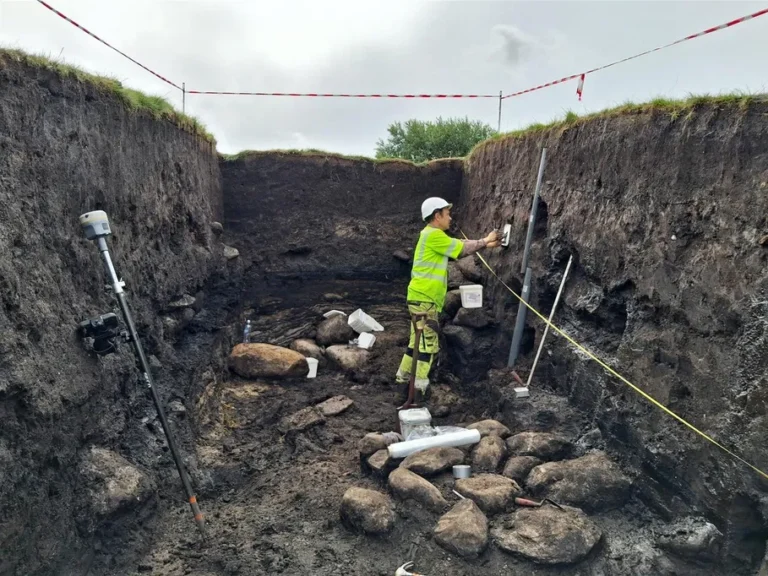
In 2026, archaeologists revisited the Grønhaug Viking ship burial, a 15-meter Viking ship with a burial chamber originally discovered in 1902 and not excavated again since. Archaeologists revisited the burial this year with the possibility of requesting a UNESCO World Heritage nomination.
The ship was built using the traditional Nordic clinker technique of overlapping wooden planks fastened with iron rivets. It was the kind of slender, lightweight ship that the Vikings used to sail in shallow coastal waters and up rivers for surprise attacks, repurposed as someone’s final resting place.
The skeleton found in the burial chamber is male, and fragments of imported wool and silk suggest he was a person of status. There is evidence that the grave was looted in antiquity, so things like weapons and gold were probably removed. The timber was originally dated to AD 780, and the burial to AD 790, making it the oldest known Viking ship burial.
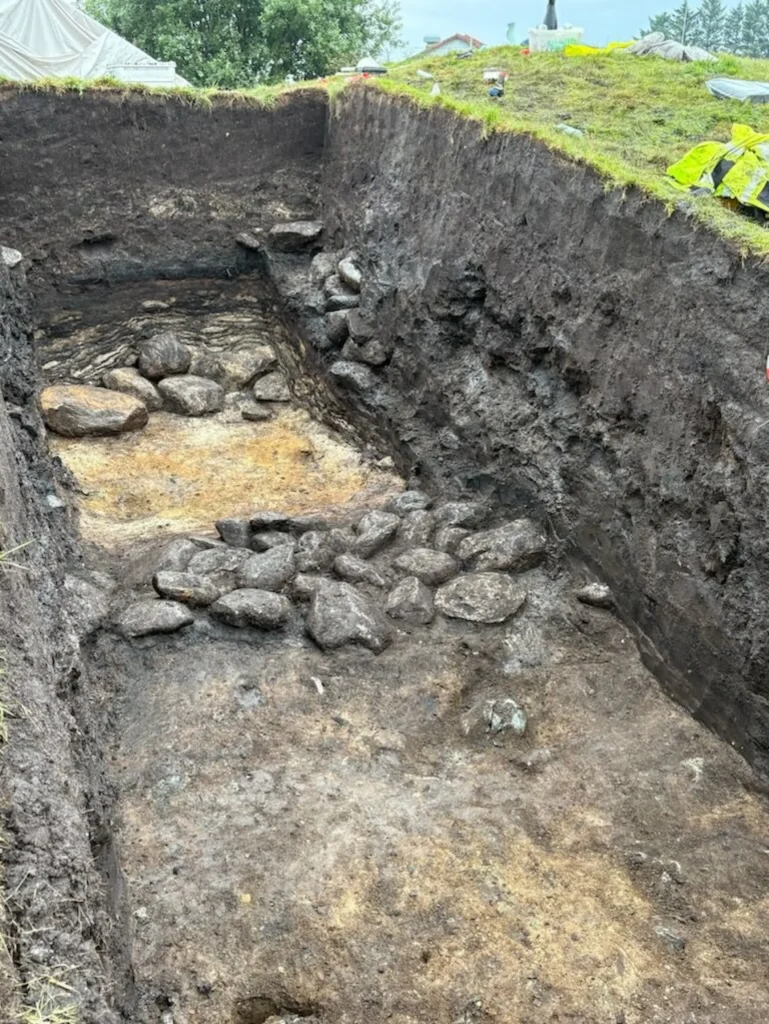
But as archaeologists revisited the burial, they dug deeper and found something unexpected underneath. A man-made stone cairn, which is a mound of large stones forming the core of a grave, surrounded by an outer ring of stones known as a kerb. This was all covered by layers of soil and turf. These are characteristics of Bronze Age monuments in Norway, so around 2,000 years before the ship was found on top.
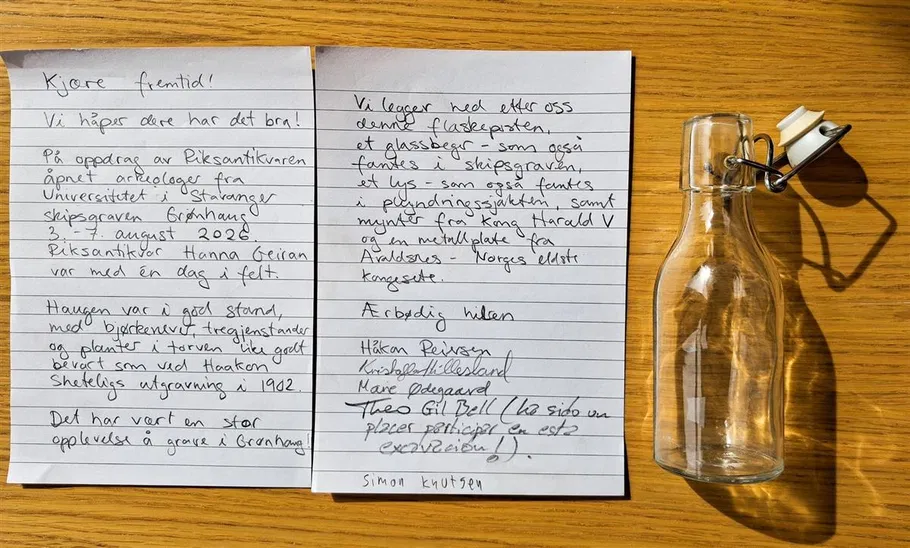
Archaeologists have paused excavation while they analyze what has already been found to provide firmer dates for both layers. Unsure when excavation will continue, archaeologists have included a letter addressed to future archaeologists in a bottle.
Why Early Vikings Built Ship Graves on Ancient Bronze Age Mounds
This is not the only example of Vikings placing monuments on top of earlier Bronze and Iron Age monuments. Borre in Vestfold is home to one of Scandinavia’s largest collections of monumental burial mounds dating from AD 600-900. It was deliberately established by the Yngling dynasty on top of earlier Bronze and Iron Age graves, and for its view over Oslofjord. The nearby Gokstad and Oseberg ship burials are also in a landscape with extensive Bronze and Iron Age remains.
Similarly, at Raknehaugen in Romerike, an enormous 15-meter-tall and 77-meter-wide burial mound from AD 550, in the Vendel Period, was built directly on top of a Bronze Age settlement and burial site. Jellhaugen in Østfold is another large Viking burial site that includes the Gjellestad ship and sits within a landscape densely packed with Bronze Age rock art and cairns.
The purpose of doing this was to lend legitimacy to the Viking chiefs who were expanding their territory and morphing into kings. The Vikings believed that honor, good luck, and divine favor were hereditary, so they had an interest in promoting the honor and antiquity of their lineage. By burying a newly deceased ruler in a way that connected them with an ancient site, the family physically grafted their pedigree onto the landscape’s mythical past. Over a few generations, oral traditions blurred boundaries and turned anonymous Bronze Age monuments into things erected by a legendary ancestor, hero, or god. As well as building up a legend, this gave them ancestral claims to the land.
Redating the Viking Ship Burial at Grønhaug
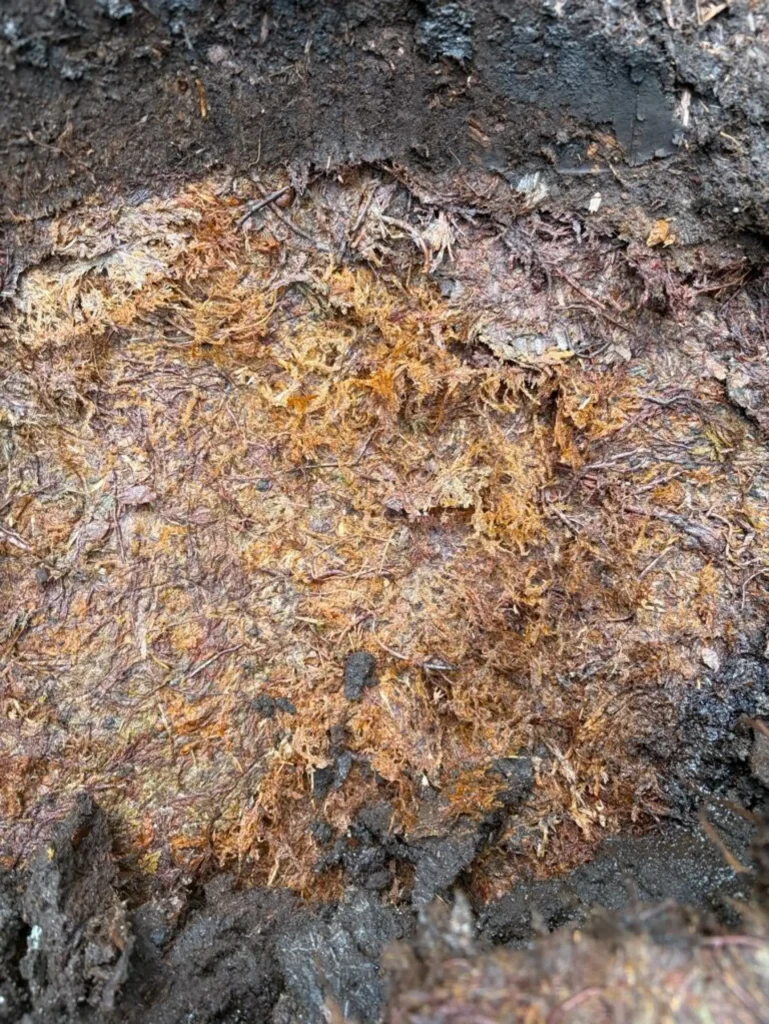
As well as the Bronze Age monument, the excavation uncovered the previous ground layer that sat between the Bronze Age monument and the ship, and it is remarkably well preserved. Heather and bilberry plants that were growing when the Viking Age mound was constructed have been identified, some with their leaves intact. This suggests that the burial was made during the summer months of the year.
The layer also includes a layer of birch bark, which seems to have been deposited to prepare the site for the new burial.
Analysis of wood fragments that seem to have belonged to the ship also provides new dating. Rather than dating to the end of the 8th century, these fragments have been dated to AD 854-867. The burial probably took place a few decades after the original ship construction, pushing the date back 100 years.
How Karmøy Anchored Maritime Power from the Bronze Age to Harald Fairhair
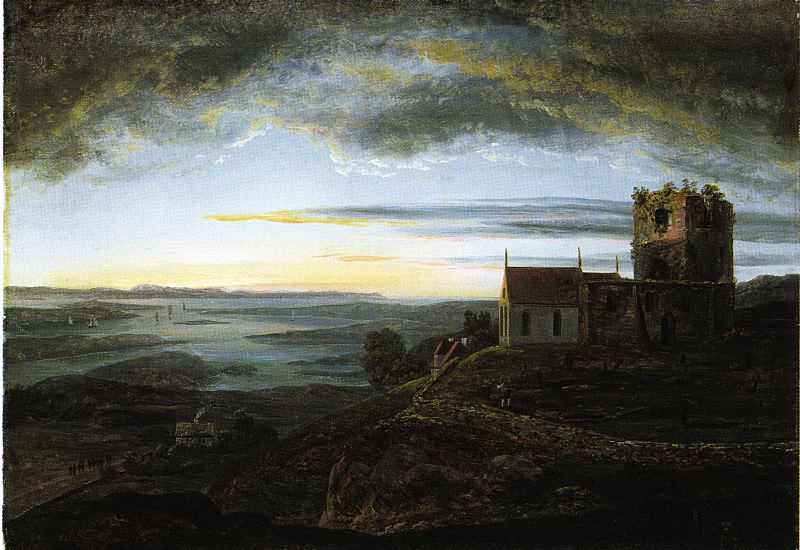
Whoever is buried in the Grønhaug ship had good reason to want to lay claim to the area. Bronze Age elites placed their cairns and turf mounds on high ridges overlooking coastlines and straits to help them dominate the waterways. Viking rulers reused these exact vantage points, like the Karmsund strait at Grønhaug, to project continuous, unbroken control over vital trade and naval routes.
The Vikings established the Avaldsnes royal estate on the island of Karmøy, overlooking Karmsund strait. It was in use since the Bronze Age, with evidence of a 3rd-century AD great hall, giant standing stones, and a princely grave. Then, according to the sagas, Harald Fairhair (r. 872-900) made Avaldsnes his primary royal seat after uniting Norway following the Battle of Hafrsfjord. It is noteworthy that this is around the exact same time as the new date for the ship burial.
Later Norwegian kings, such as Haakon the Good and Olaf Tryggvason, also used it as their royal residence. Around 200 years later, after the Christianization of Norway, a Medieval stone palace and church were built on top again.
Thus, we can see that Norwegian archaeology reveals a layered history, as each new generation of ruler tried to legitimize their claims by tying themselves to what came before, often building directly on top of it!
Viking Ships in the VKNG Store
Ships are one of the most important symbols of the Viking world. Norsemen, whether they were raiders, traders, or travelers, got around by ship. They were even used for daily transport, as Scandinavia’s fjords were much easier to navigate than its forests. Therefore, many people who feel connected to the Vikings also feel connected to the symbol of the ship, and the freedom it represents.
You can find many Viking ship-inspired products in the VKNG store.


Another popular symbol that we associate with the Vikings today is Vegvisir, or the Norse Compass. This is a magical runic stave from the Icelandic grimoires, which date to a few centuries after the Viking age and combine elements of Norse rune magic and Christian mysticism. According to the grimoires, if you use the symbol, you will never lose your way, even if you do not know your destination. While it was probably originally designed for travelers, it has become a symbol of spiritual guidance among modern Vikings.
You can also find many Vegvisir-inspired pieces in the VKNG collection.
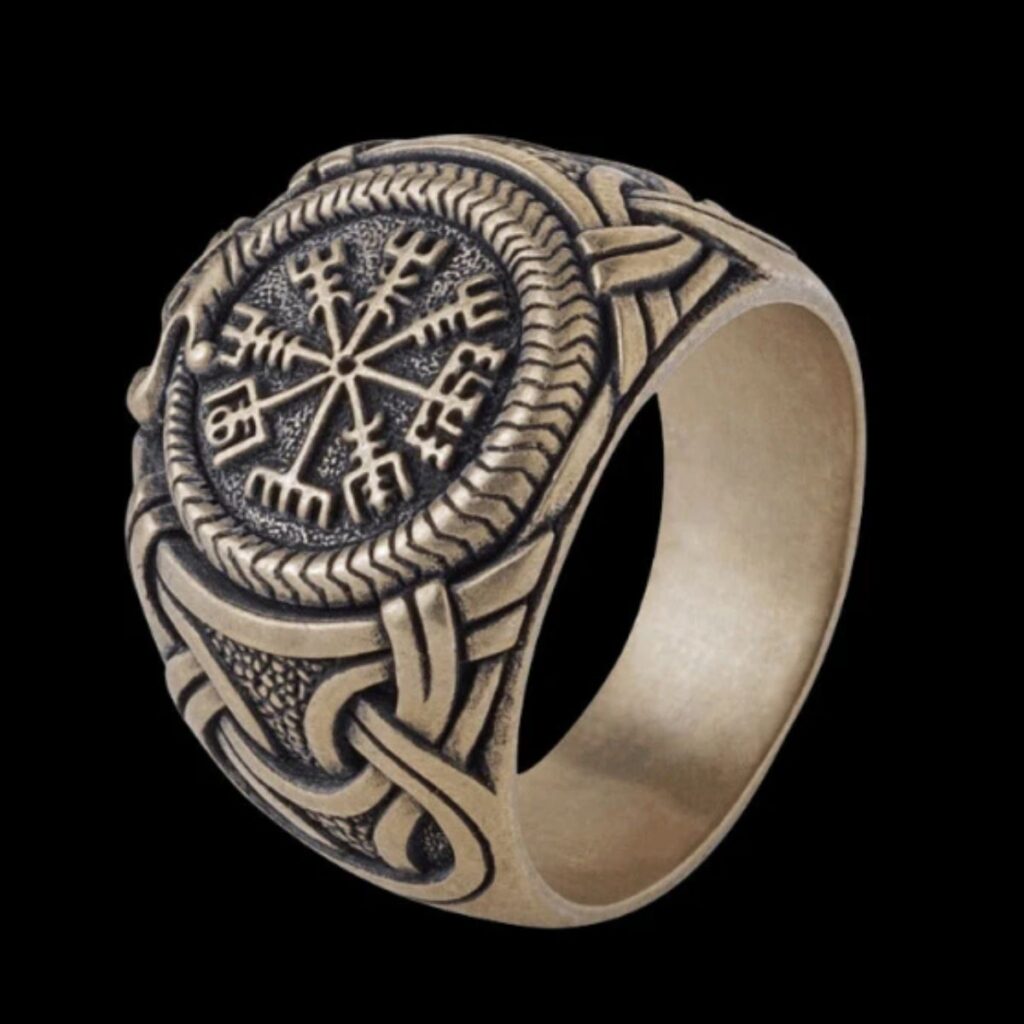
This stunning bronze signet ring is the perfect way to carry this symbol with you wherever you go. Always have the guidance of the gods.
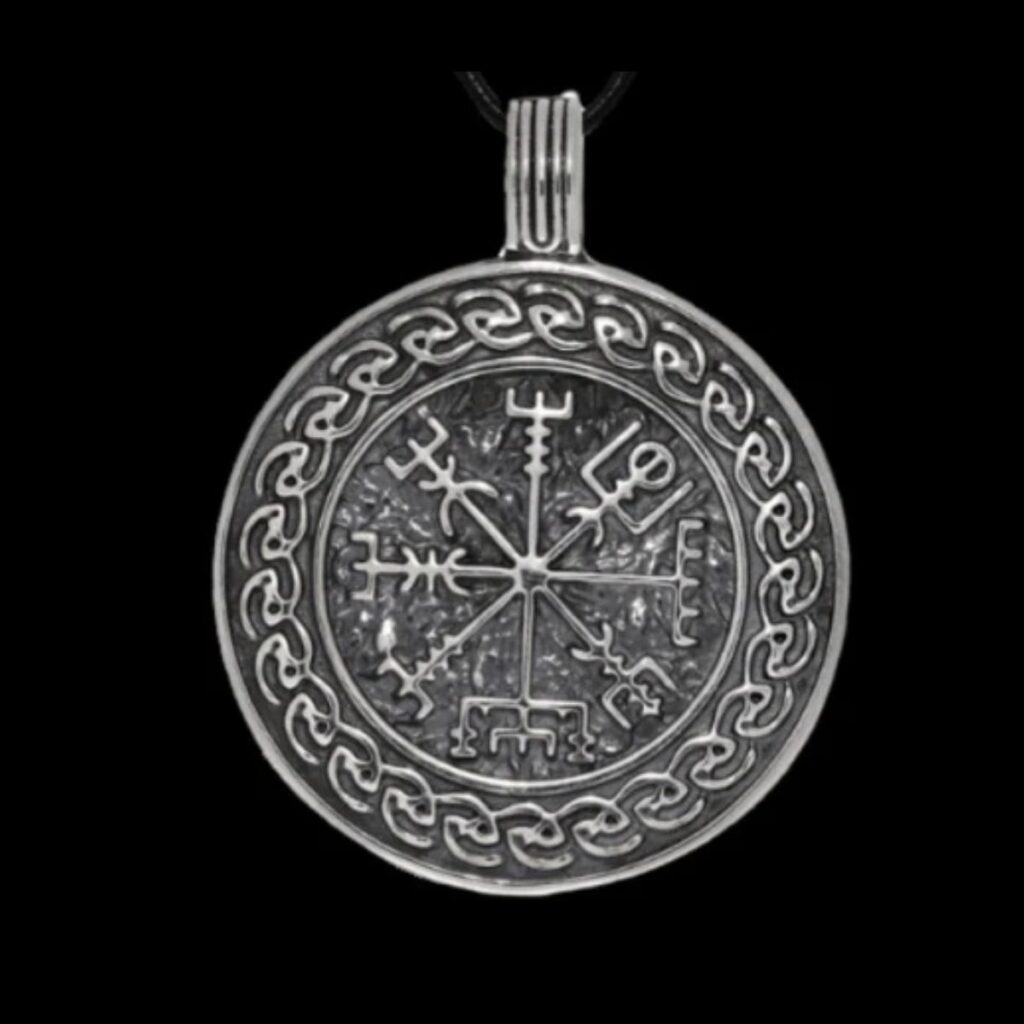
This sterling silver pendant feels like how the Vikings may have carried this symbol. They preferred amulets rather than rings when it came to jewelry.
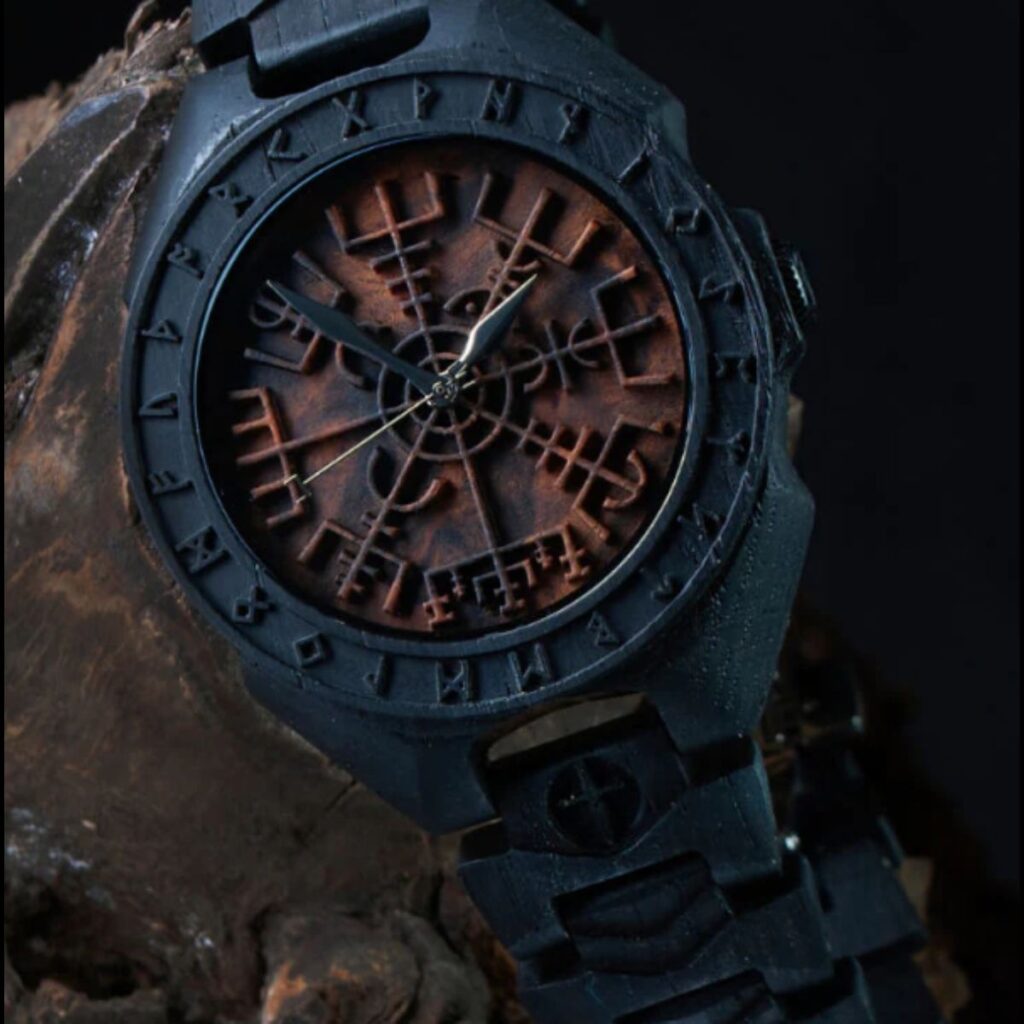
Remind yourself that the Norse gods are guiding you every time you check the time.

Combine a symbol of divine protection, Thor’s Hammer Mjolnir, with a symbol of divine guidance on the handle. The goats on the hammer head represent the goats that puled Thor’s chariot, Tanngrisnir (Teeth-grinder) and Tanngnjóstr (Teeth-bearer).
This bronze pendant places Vegvisir within a circle of runes, a reminder of the power that underlies the Gladrastafir. Two wolf heads sit at the top of the pendent, a reminder of the strong natural forces that we battle each day.