One of the Viking cities that has yielded the most fascinating Viking archaeological evidence is not in Scandinavia. York, or Jorvik in Old Norse, was a Viking outpost in Northumbria, England, for around 200 years following the arrival of the Great Heathen Army.
As well as yielding fascinating archaeological finds, it is tied to some of the most famous names and events in Viking history.
How did York Become the Viking Capital of England?
York was originally a Roman settlement called Eborakon, recorded as early as 150 CE, and was defended by a stone legionary fortress. When the Romans withdrew from England in the early 5th century, the Anglo-Saxons took control of the settlement, and it was eventually incorporated into the kingdom of Northumbria, and it became known as Eoforwic.
The Vikings launched a major attack on England in 865 in what became known as the Great Heathen Army. The expedition was ostensibly to avenge the death of the infamous Viking raider Ragnar Lodbrok at the hands of Aella, king of Northumbria. The army was reportedly led by some of Ragnar’s sons, most notably Ivar the Boneless and Halfdan Ragnarsson.
While Hafldan led some fairly unsuccessful attacks further south, the Anglo-Saxon Chronicle suggests that there was chaos in Northumbria due to conflict between Aella and the previous ruler he had deposed, Osberht. He used the subsequent chaos in the region to take control of York in 866 CE.
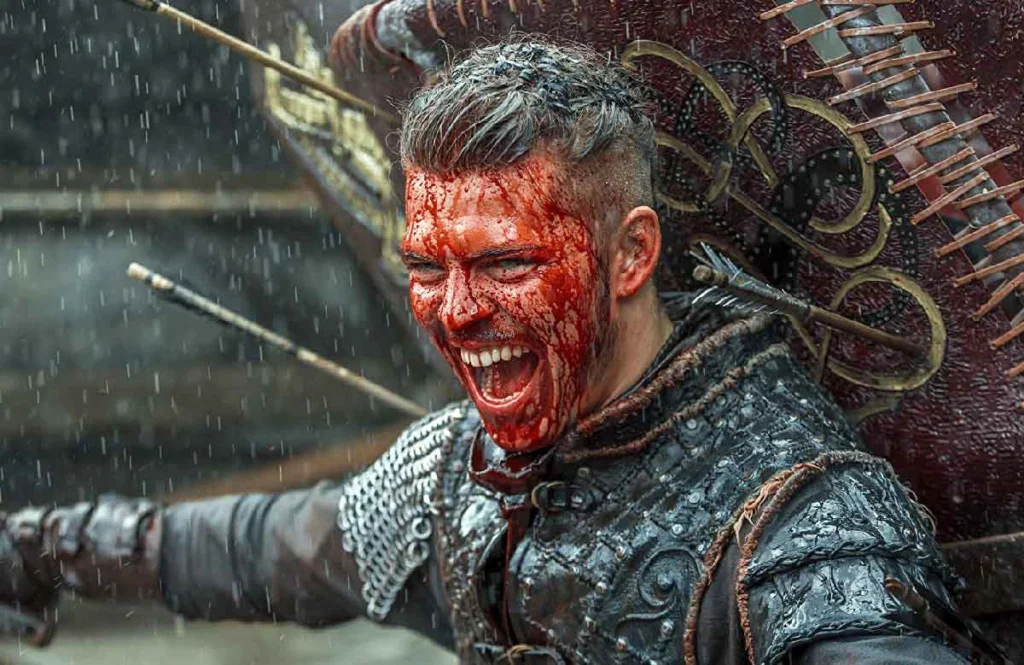
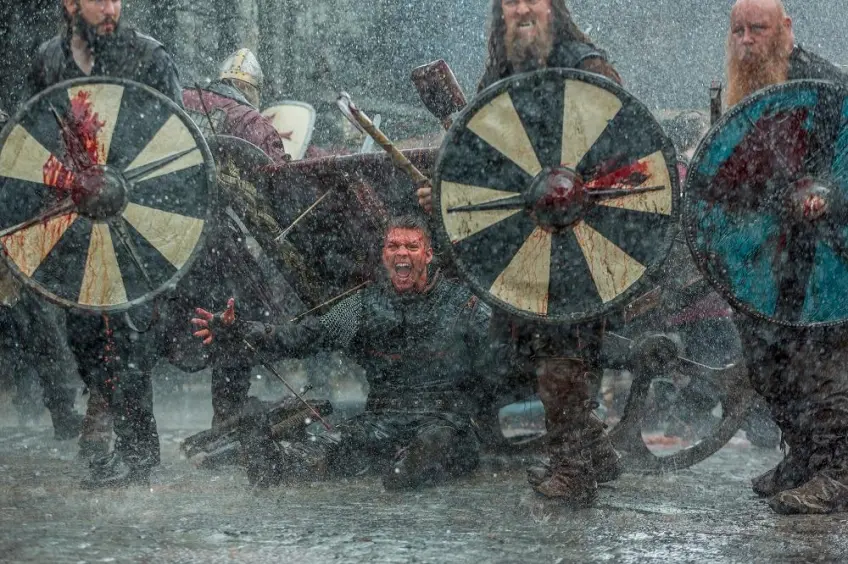
While the two Northumbrian kings set aside their differences to try to get the Vikings out. When they attacked the city, in a famous scene shown in the History Channel’s Vikings, the Vikings withdrew to the old, crumbling Roman walls and used them as protection for a brutal counterattack. Both the Northumbrian kings were killed, and peace terms were reached with the local archbishop, now finding himself in charge of Anglo-Saxon interests.
While the city was occasionally contested over the following decade, the rest of the Great Heathen Army marched north around 875 CE. Halfdan Ragnarsson was made king of southern Northumbria, which was known as Deira, with York as his capital. The sources are unclear whether Ivar had died or had gone off to Ireland to continue raiding. Halfdan himself was killed trying to claim the Kingdom of Dublin in 877.
Halfdan was succeeded by Guthred in 883, who was christened and maintained good relations with the Church, providing a bit more stability for the Viking outpost in Christian, Anglo-Saxon territory, though occasional power scuffles continued.
When Did Viking York End?
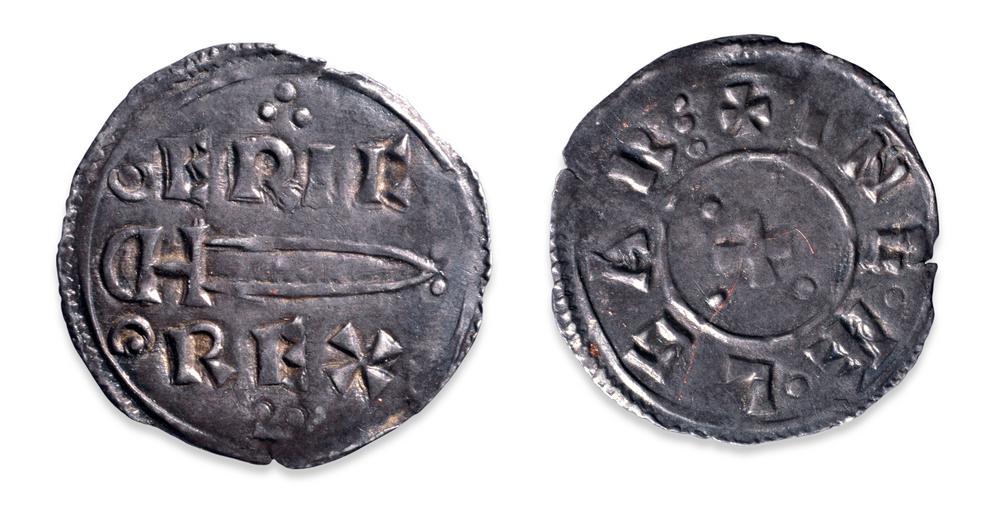
While the founding of Viking York can be linked with the famous name of Ivar the Boneless, its loss can be associated with the famous name of Erik Bloodaxe.
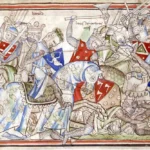
Erik Bloodaxe was the King of Norway from 931 to 933 CE, but he was expelled, according to Egils Saga, due to a curse placed on him by the eponymous hero. Losing Norway, he reportedly sailed to England, where he was received by his half-brother Hakon, who had been sent to the court of King Aethelstan. He reportedly had Erik baptized and gave him command of Northumbria, again with York as his capital, in 947. This seems to have been in response to local discontent with the Anglo-Saxon rule that had been established a few years earlier. But they turned on him within the year.
However, they seem to have taken him as their king again in 952, under unclear circumstances. He was killed by the English king in 954 at the Battle of Stainmore, and York returned to Anglo-Saxon hands.
Northumbria came into Viking hands again when Sweyn Forkbeard, followed by Cnut the Great and his son Harthacnut, made themselves kings of England at the start of the 11th century. However, they appointed Anglo-Saxon earls to manage York, probably looking for continuity over chaos.
Harald Hardrada set his sights on York when he came looking to reclaim the English throne for the Vikings in 1066. While he captured the city briefly, it was lost when he was killed at the Battle of Stamford Bridge that same year. England then fell to the Normans, and the Vikings were not able to create another foothold in the region.
Why is Viking York So Well Preserved?
Fortunately for archaeologists, the soil of York is moist and rich, which makes it oxygen-resistant, which allowed for good preservation. This has allowed archaeologists to find the workplaces, tools, and products of many craftspeople who worked in the settlement.
Viking Footwear
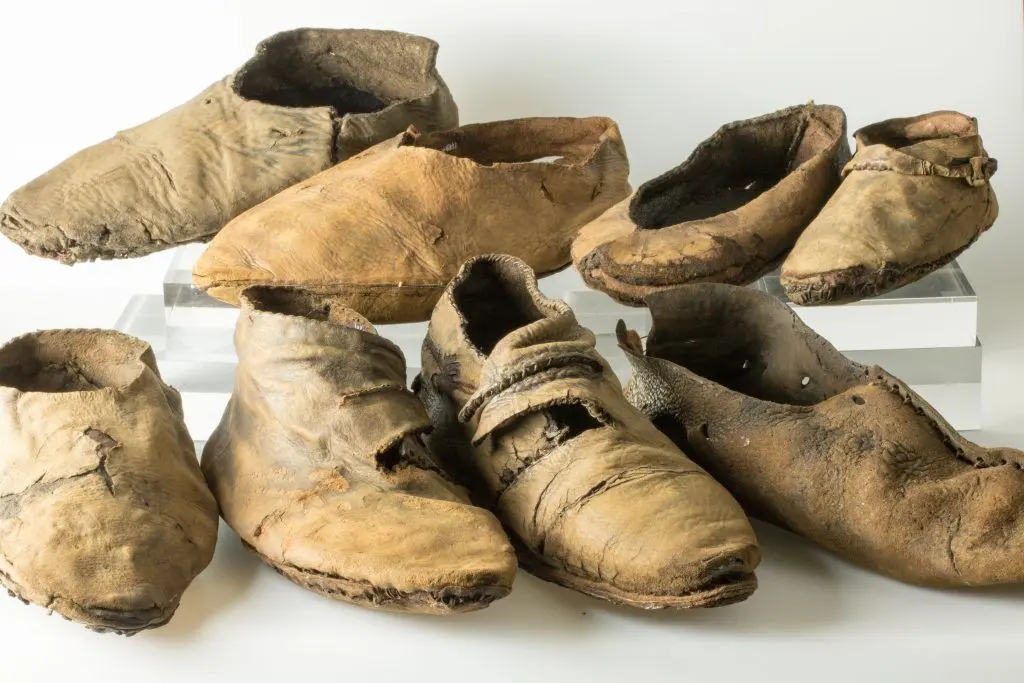
While textiles are generally poorly preserved, York has revealed a variety of Viking footwear. York has revealed leather footwear for both adults and children. They are mostly turnshoe in style, which means that the shoemaker sews the sole and uppers together inside out, and then the shoe is turned the right way out. Other shoes were made from a single piece of leather folded around the foot and send together.
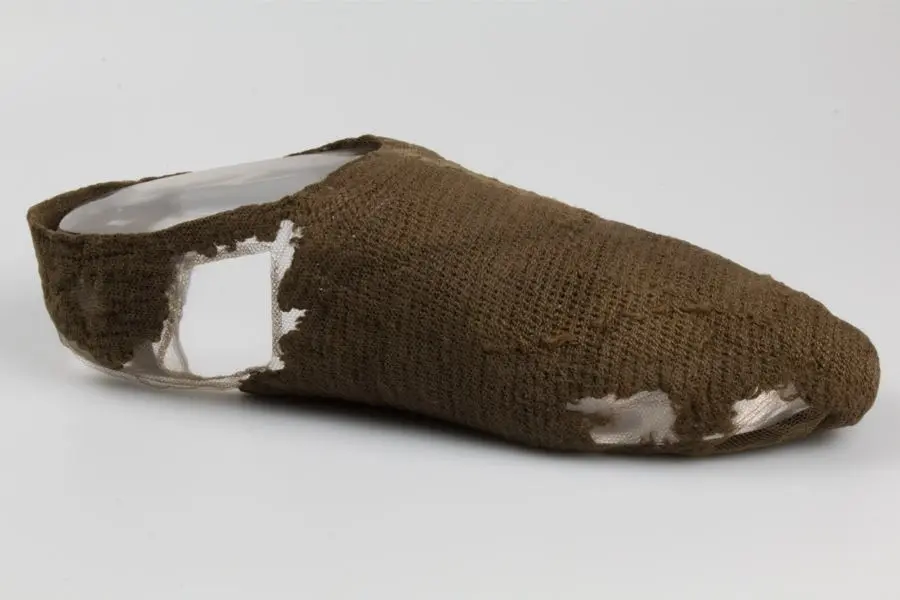
Alongside these shows, archaeologists have also found woollen socks, knitted using a single-eyed needle. They have also found a selection of ice skates, probably used to navigate frozen rivers rather than for recreation.
Expensive Imported Goods
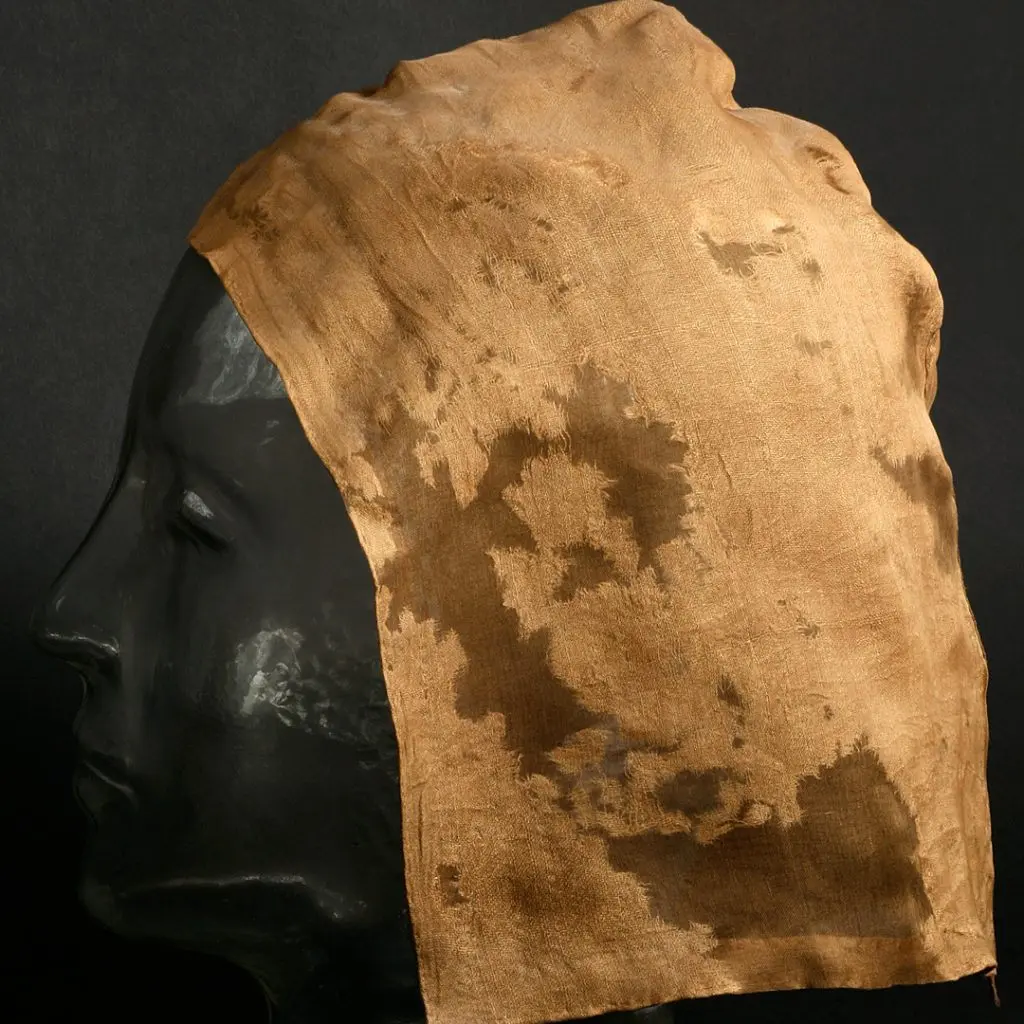
While York might seem like a distant Viking outpost in some respects, it was clearly tied into the Norse trade network. Remarkably, archaeologists found some crushed textiles dating to the 10th century. When restored, it turned out to be a silk headdress. Along with other, more fragmentary pieces of silk discovered, this suggests that York was connected to trade with the eastern Byzantine Empire, or even further.
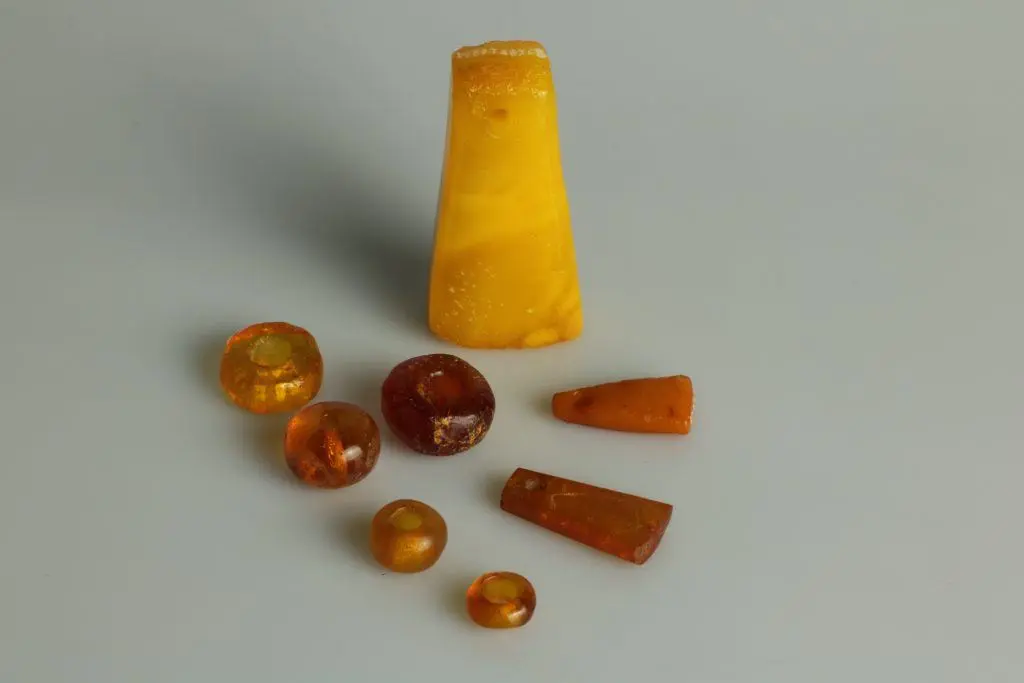
Archaeologists also found amber from the Baltic region, which was molded into rings, pendants, and beads. They have also found cowrie shells in a species that is only found on the Red Sea.
Jewelry and Adornment
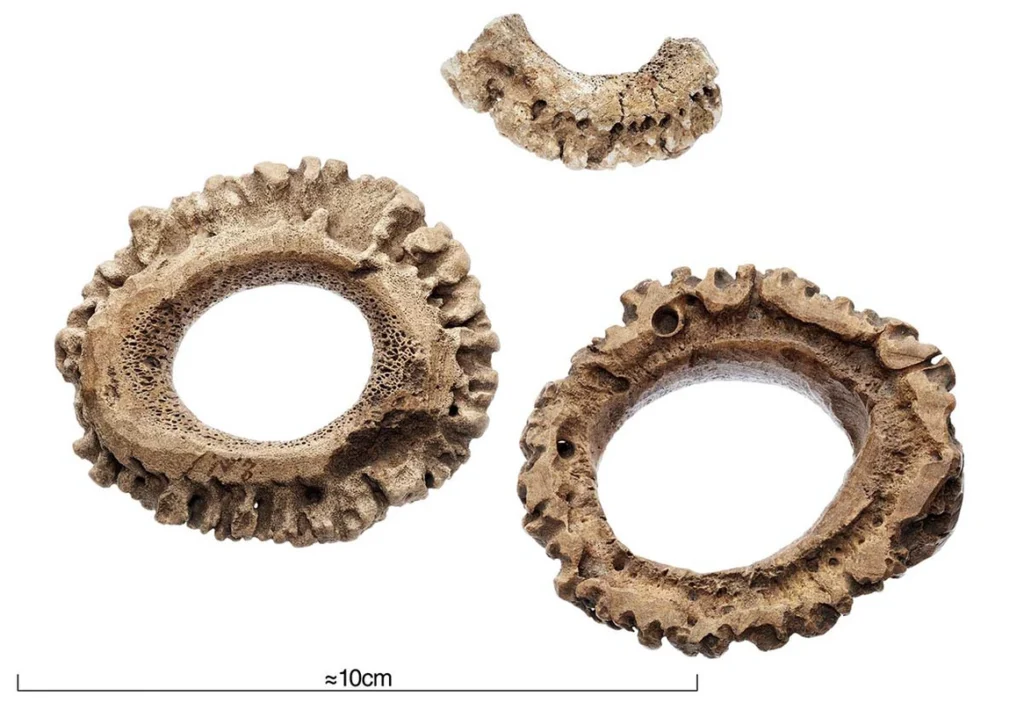
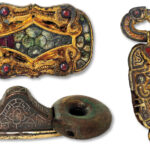
Several interesting pieces of jewelry have been discovered in Viking York, including an unusually large number of finger rings when compared to other places. Rings were made from metal, glass, antler, and walrus ivory, which would have come from northern Arctic trade.
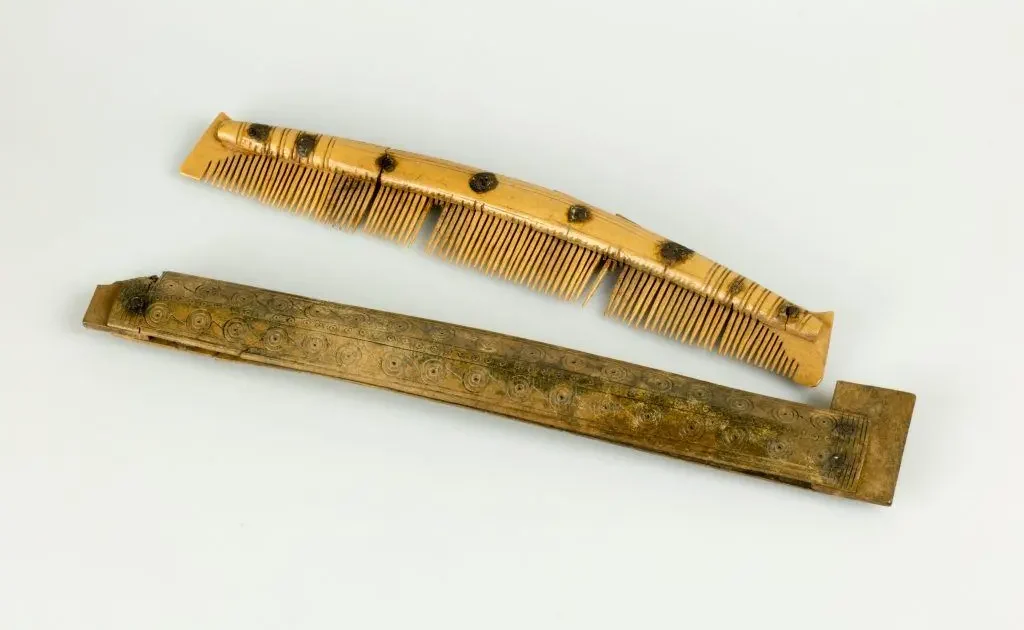
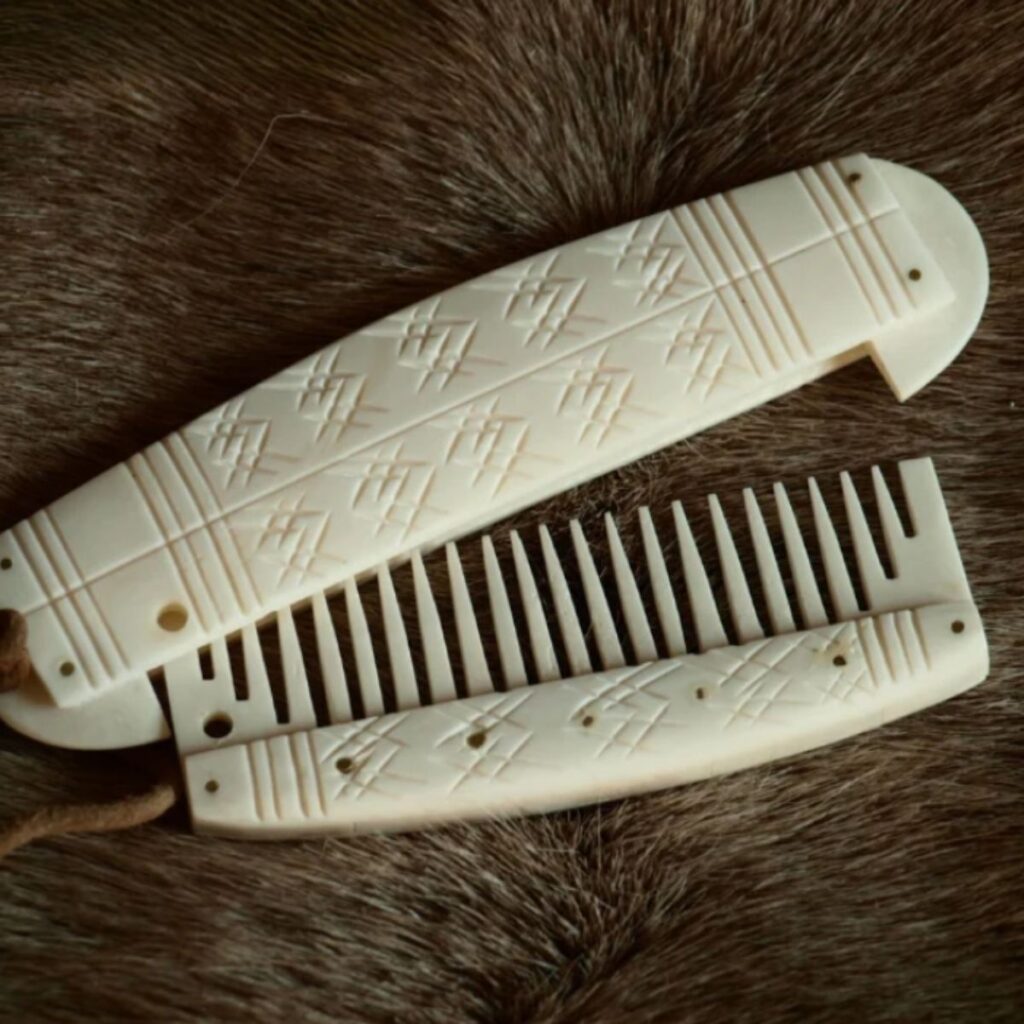
The site also yielded some finely made Viking combs, reinforcing the idea that the Vikings were keen on hygiene and kept their beards very neat and clean, something they were sometimes criticized for by their English neighbors.
Gaming and Entertainment
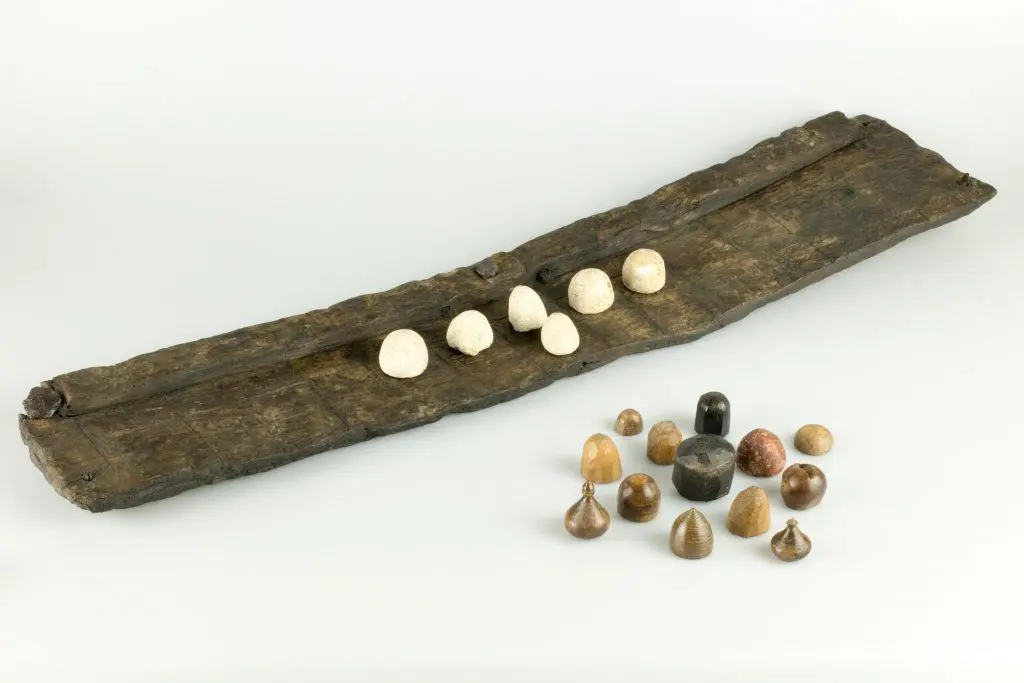
While the Lewis Chessmen from Scotland are the most famous surviving Norse game pieces, a range of game pieces have been found at York, including dice, a partial hnefatafl board, and some hnefatafl game pieces. This was a strategic board game similar to chess.
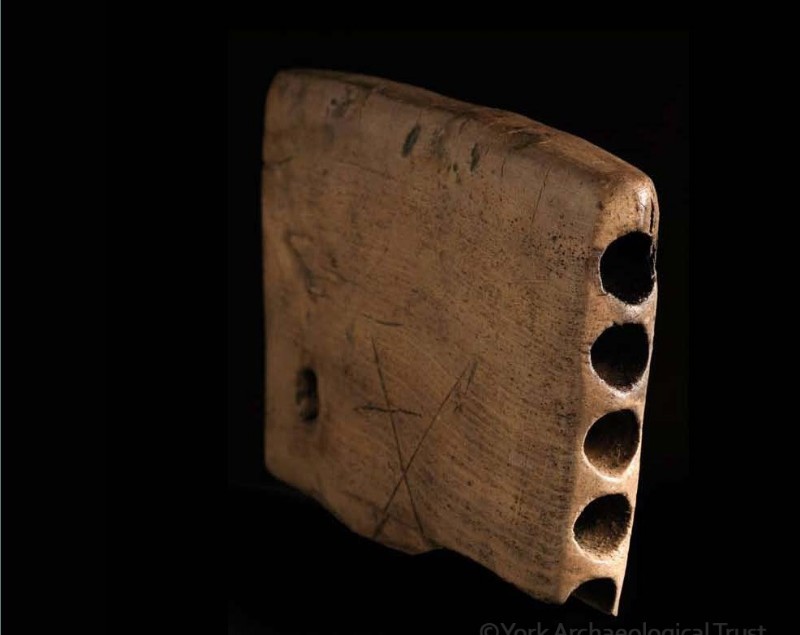
Archaeologists also found several musical instruments, including a panpipe and buzz bones.
Vale of York Hoard
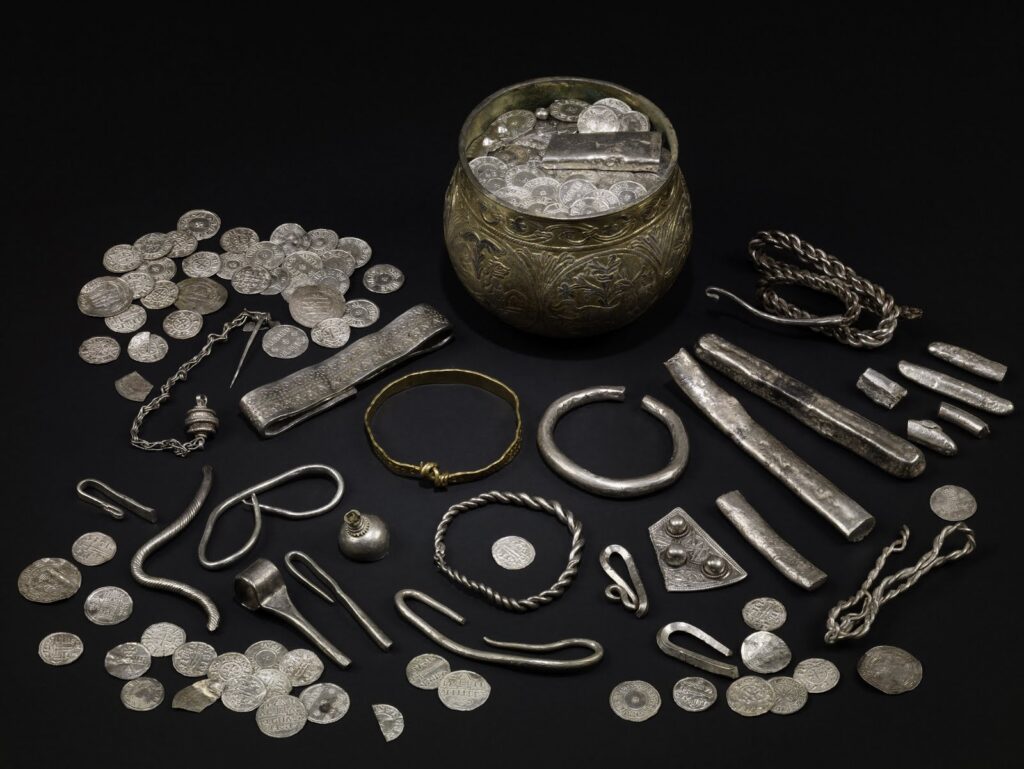
Not far from York, the Vale of York Hoard was discovered in January 2007, and in 2009 was declared a National Treasure worth over £1 million. It was found in Harrogate, just over 20 miles from York. The artifacts are clearly Viking in origin and date to the 10th century, suggesting they may have been linked with the York settlement, possibly hidden during one of the many tumultuous changes in leadership.
The hoard contains a mixture of metal objects, including coins, complete ornaments, ingot bars, and hack silver, which are ornaments that pieces of metal have been hacked off, usually to make a payment.
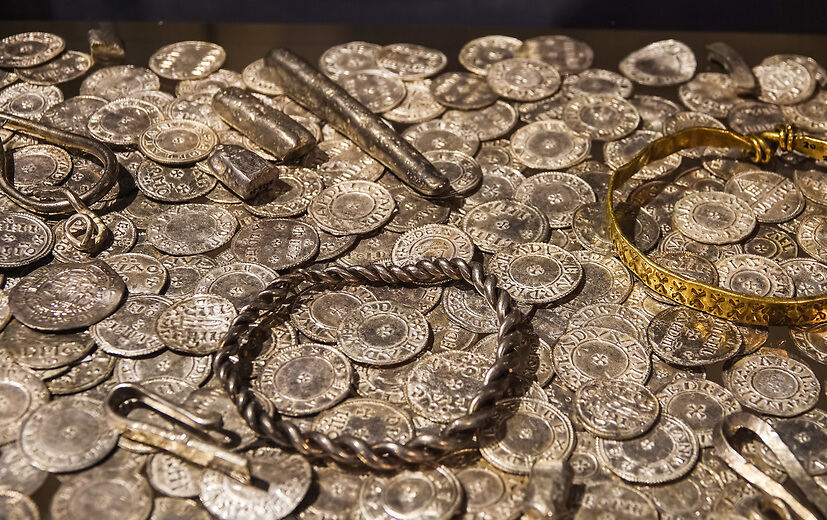
The 617 coins are predominantly Anglo-Saxon, mostly dating to the reigns of Athelstan and Edward the Elder, plus some produced in the Danelaw regions of England. There are also Islamic coins, dirhams, that reinforce strong trade ties with the east.
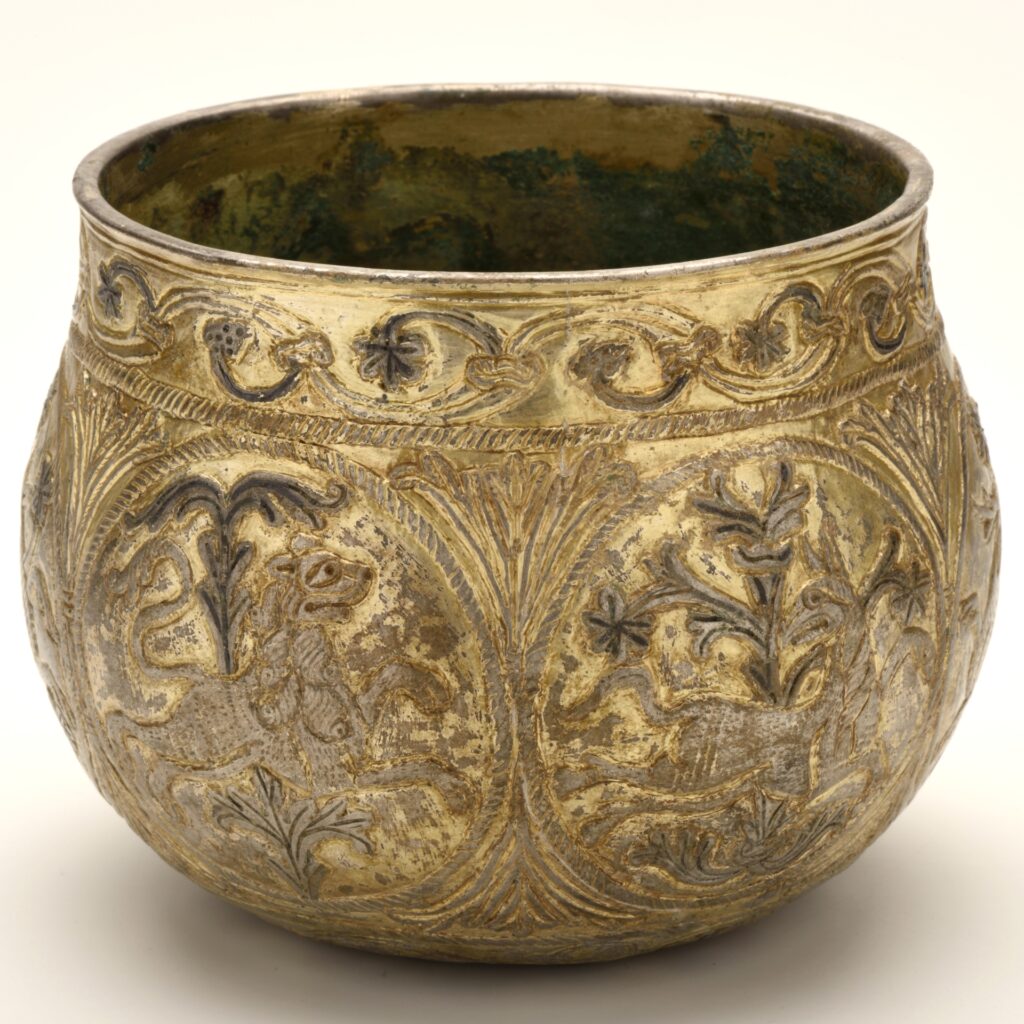
The coins and other objects were stored in a gilt silver vessel linked with gold, probably plundered from northern France. The cup was buried in a lead chest, accounting for its excellent preservation.
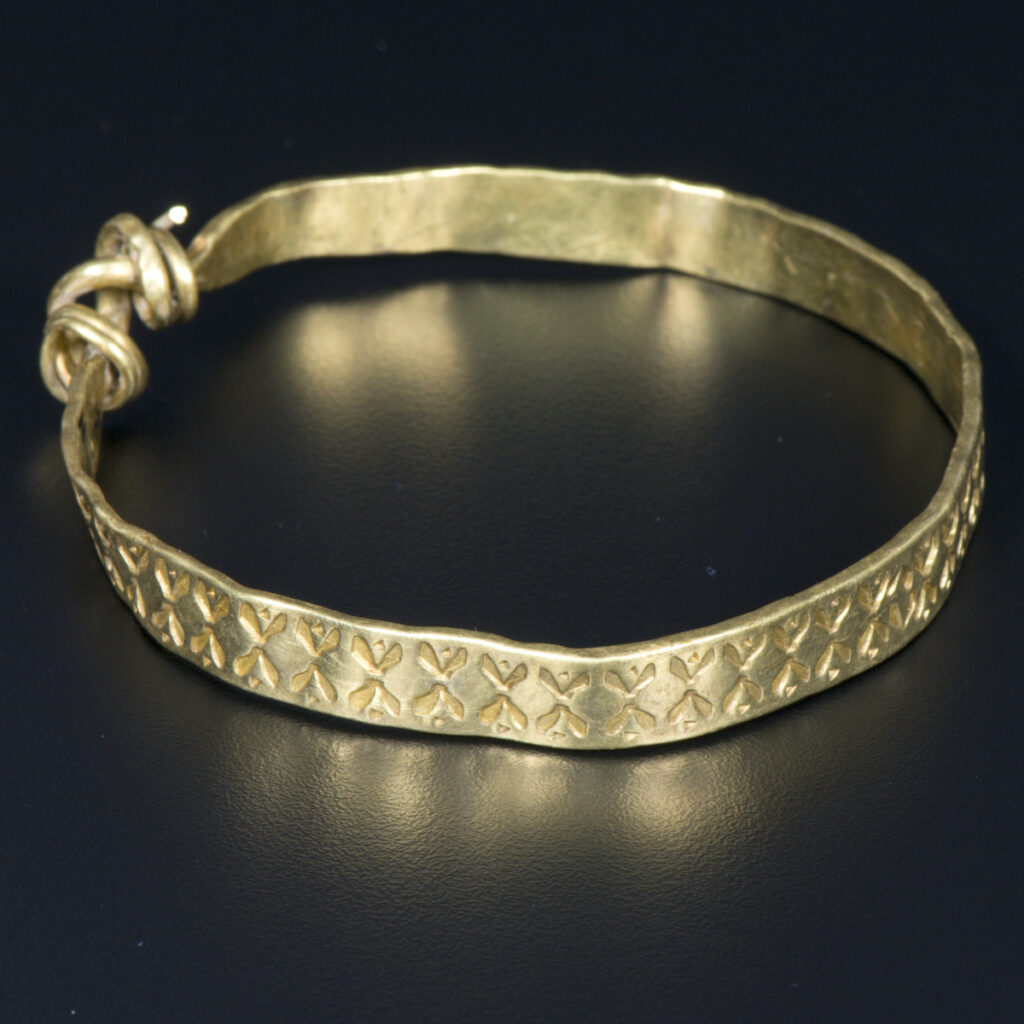
The hoard includes another 67 items, including a rare gold arm ring. It is rare because gold arm rings are rarely found alongside silver arm rings and would have marked out the status of the wearer.
Find Inspiration in York Archaeology
Are you inspired by some of the amazing finds from Viking York? You might find similarly inspired pieces in the VKNG Collection
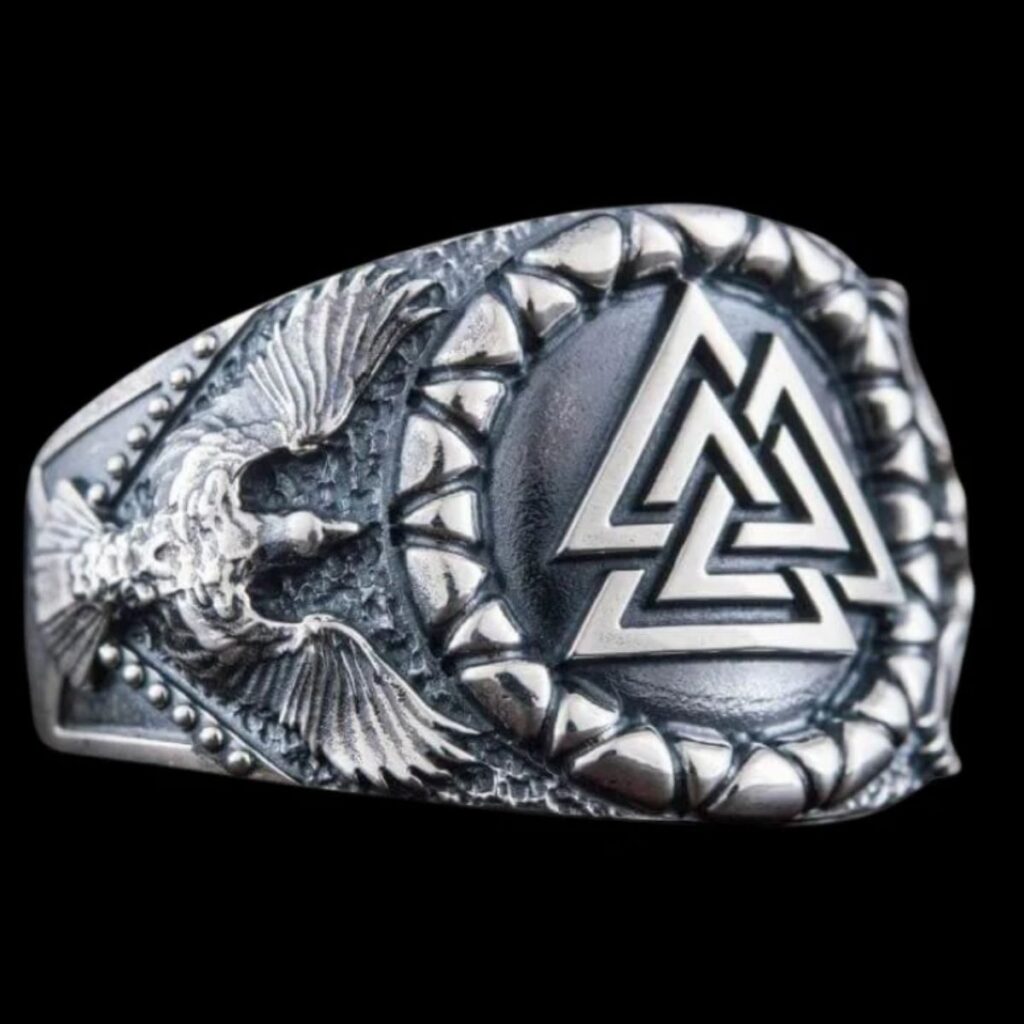
We know that the Vikings wore finger rings. Check out this sterling silver signet ring featuring the Valknut, the symbol of Valhalla, the Norse warrior afterlife of Odin. The setting features two ravens, these are Odin’s familiars Huginn (thought) and Muninn (memory).
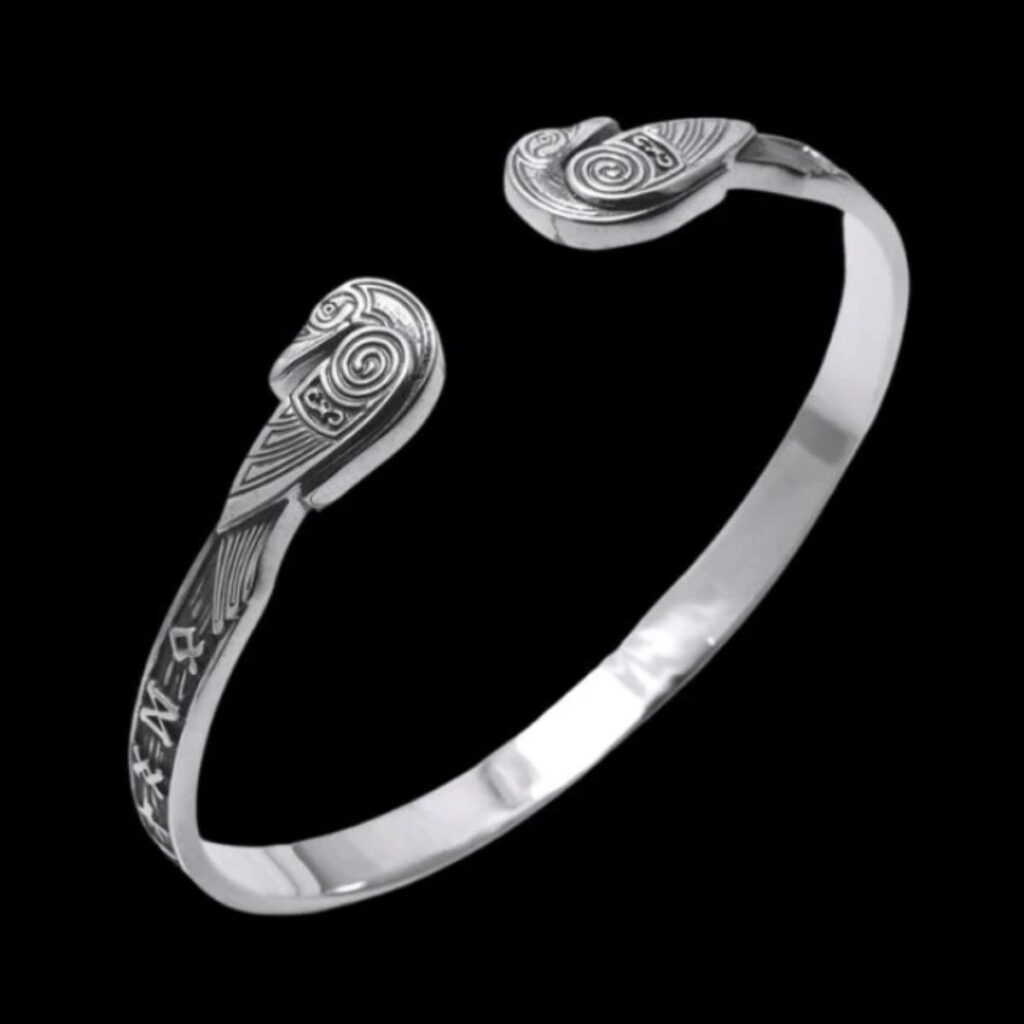
In addition to the fine gold arm ring, many silver arm rings were found in the Vale of York Hoard. This example from the VKNG collection features the Norse Furthark runes and ends in raven heads, again representing Odin.
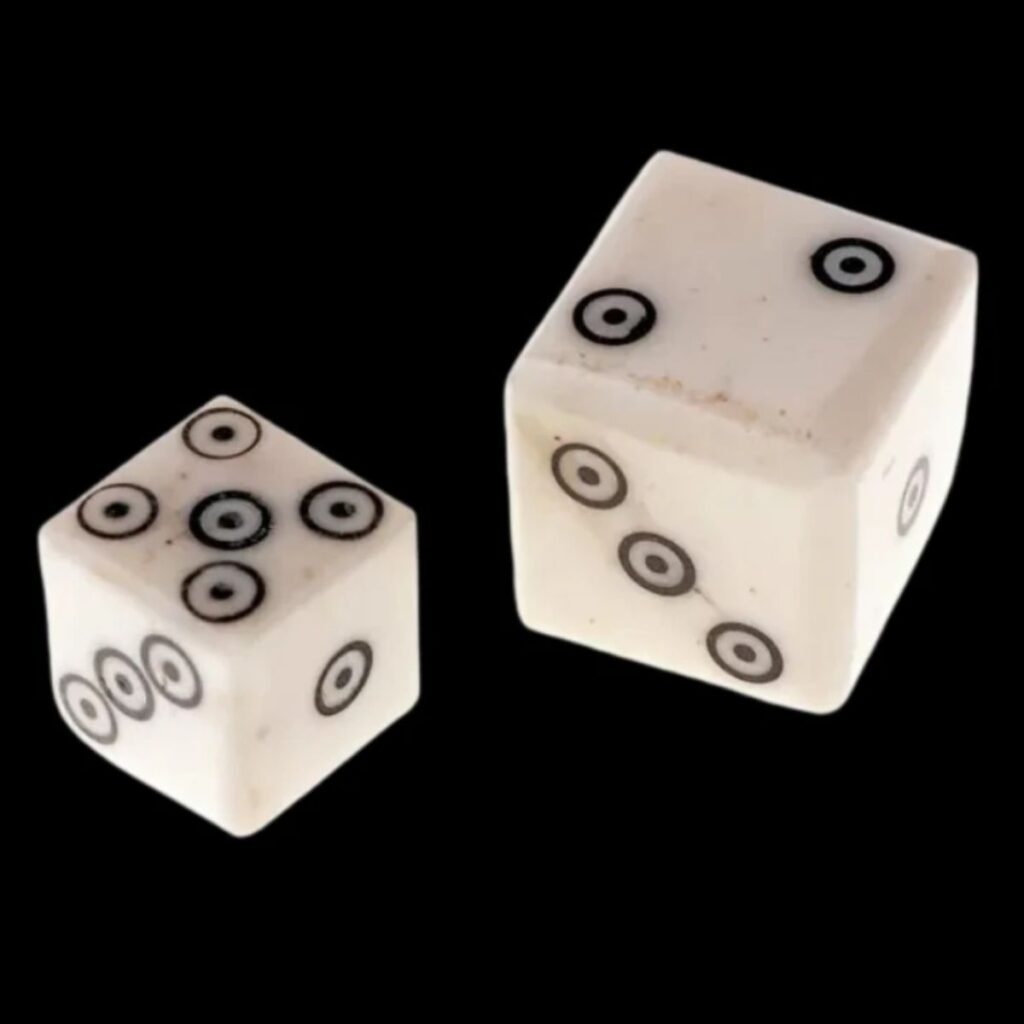
Enjoy gaming? So did the Vikings. Check out these medieval-style bone gaming dice, perfect for your next game night.
Keep your own hair or beard in check in Viking-style, check out this authentic Viking comb with case made from bone.
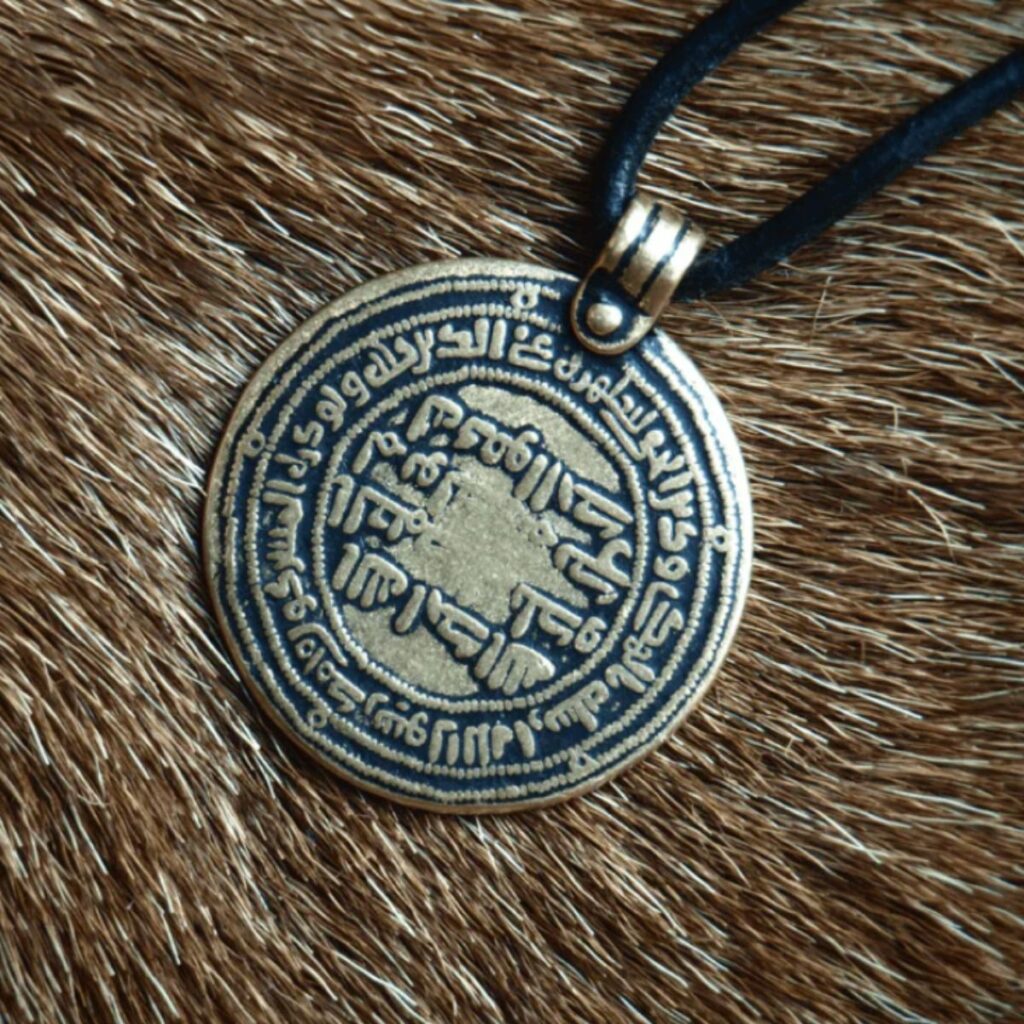
The Vikings often wore foreign coins as pendants, especially Dirhams from the Islamic world. This bronze Dirham pendant necklace is based on an original find from Birka.