The Vikings firmly believed in life after death, as indicated by the elaborate burial practices, which ensured that people were able to take what they needed with them from this life into the next.
They also believed in multiple different afterlives, most of which were a reflection of this life. Where you ended up depended on how you lived, but more importantly, how you died. For example, if you died at sea, you could expect to end up in the underwater afterlife of Ran.
But if you were a Viking warrior, your goal was to end up in Valhalla, one of Odin’s great halls in Asgard. But he only chose the bravest fallen warriors from the battlefield to bring to Valhalla.
How could a Viking hope to find their way to Valhalla, and what could they expect once they got there?
Battlefield Selection
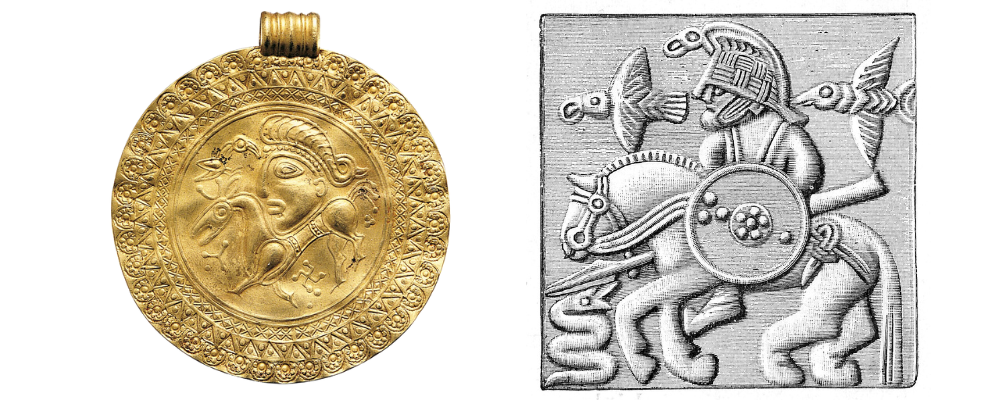
The Vikings believed that Odin chose the bravest fallen warrior from Norse battlefields to take to Valhalla. This is why it was considered a good omen to see ravens circling the battlefield. These scavengers who would pick at corpses were believed to be sacred to Odin, and it meant that he was present to make his selection. For this reason, Odin was sometimes called Valfodr, of “father of the slain.”
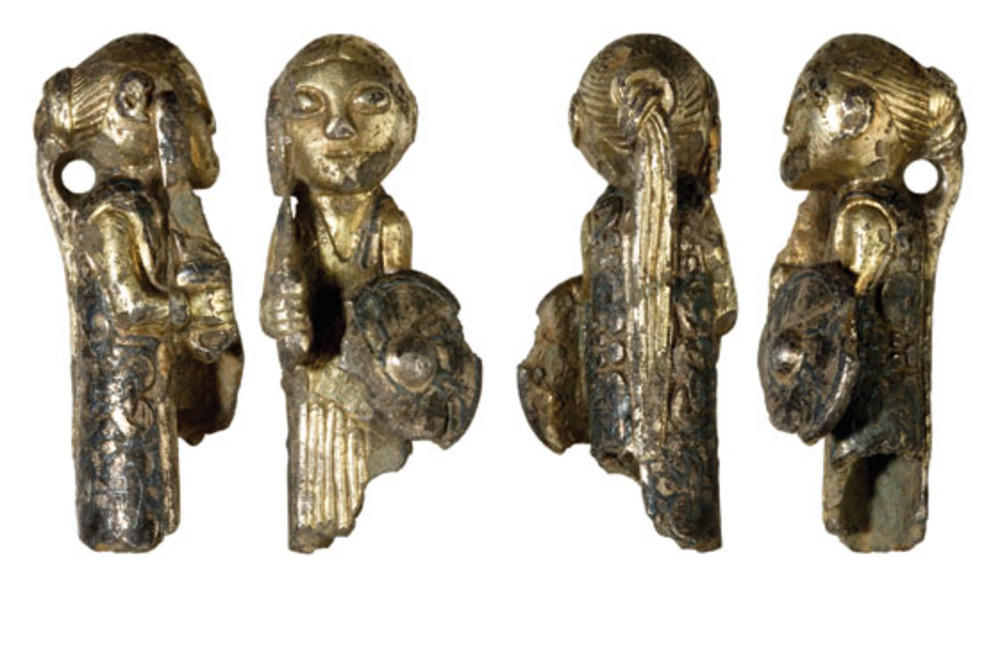
He was assisted in making his selection by the Valkyrie, bloody divine shieldmaidens. As well as helping transport the dead, they helped decide the outcomes of battles according to Odin’s will. In the story of the Valkyrie Brunhildr, she was punished by being forced to marry a mortal man because she didn’t follow Odin’s orders when deciding the outcome of a particular battle.
Interestingly, Valhalla was not the only afterlife specifically for fallen warriors. The goddess Freyja also ruled over an afterlife called Folkvangr, or “field of the people.” It is unclear whether this was meant to be located in Asgard, where she lived among the Aesir gods, of in Vanaheim, her ancestral home as one of the Vanir gods.
The sources imply that Freyja actually got first choice of the dead. This may have been one of the conditions of the truce at the end of the Aesir-Vanir war. Nevertheless, Folkvangr is not referred to with the same frequency and awe in the sources as Valhalla.
The Einherjar: Odin’s Chosen Few

Those who were chosen for Valhalla became one of the Einherjar, which means a “lone warriors.” Considering they were a group, this may refer to their individual valor in death, or the fact that everyone ultimately dies alone.
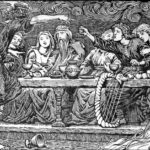
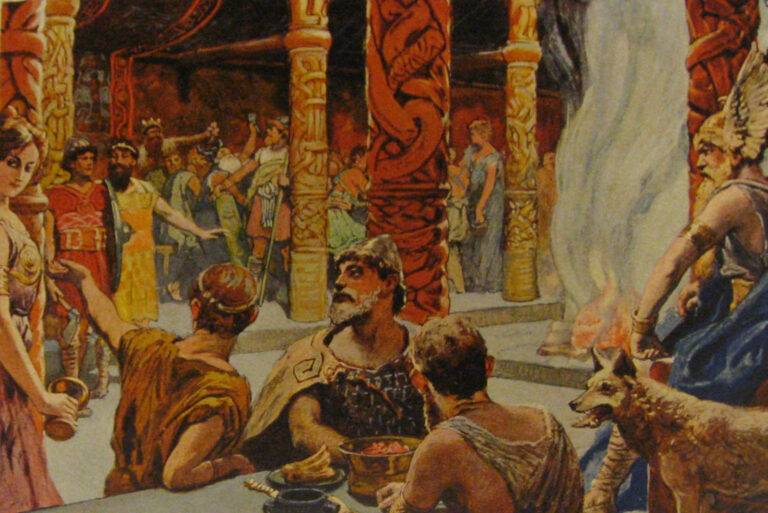
It is said that once in Valhalla, they spend their days fighting one another in the courtyard, presumably as a form of training, before entering the long hall each night to feast. The hall is described as enormous and majestic, thatched in golden shields. It has many doors and more than enough space for all the warriors, despite the fact that Odin has been choosing them since the beginning of time.
The Einherjar are served mead by the Valkyries. Yes, the same bloodthirsty and fearless warrior women who collected them from the battlefield. It is possible that this was a later addition by Christian authors who could not fathom a complete break in standard gender roles.

It is said that the mead comes from the udders of the goat Heidrun. He lives on the roof of Valhalla, eating leaves from the tree Laeradr, which may be an alternative name for the world tree Yggdrasil. They eat meat from Saehrimnir, a giant boar or pig whose body is regenerated each night after being eaten, much like Thor’s goats. The food is prepared by a cook called Andrimnir in a pit called Edlhrimnir.
Odin seems to eat alongside his warriors as their chief. He is described in the hall feeding meat to his two wolves, Geri and Freki. Odin himself does not eat, and only drinks.
The bard Bragi was responsible for greeting new arrivals and composing poetry about their great deeds. In the Eiriksmal, Odin hears that the Norwegian king Eric Bloodaxe is on the way. He sends the fallen heroes Sigmund and Sinfjotli to greet him. Meanwhile, Bragi asks Odin why he has allowed such a formidable warrior to die.
What Happens at Ragnarok?

But the implication of the stories about Valhalla is that Odin collects these brave fallen warriors for a specific purpose. He has received the prophecy about Ragnarok, the great final battle between the gods and their enemies. The Einherjar are training to fight alongside the gods in that final battle.
When the battle begins, signaled by Heimdall blowing his Gjallahorn, the Einherhar will don their armor and descend to the field of Vigridr. They will be led by Odin, who will use a golden helm and his spear Gungnir. In particular, they will be at the front of the charge of the giantess Angrboda and her wolf children.
According to the prophecy, Odin will be devoured by the great wolf Fenrir, who will break his shackles to join the great battle. While it is not specifically stated, the implication is that the Einherjar will die alongside their leader. The story says that Fenrir’s giant mouth is wedged open by a sword, so he runs through the cosmos devouring everything before him, including Odin. Presumably, if he can swallow the great god, the army of Einherjar behind him would also be no problem.
Can You Magic Your Way to Valhalla?

It is clear that the Vikings believed that the way to get to Valhalla was to be a great warrior and to die bravely in battle. However, that does not mean that there was not a mystical element in making the journey.
The Vikings, before conversion to Christianity, strongly believed that bodies had to be burned to properly transition into the afterlife. If they were not, there was a risk that the person could get stuck in between, potentially coming back as a revenant. This belief might explain the importance of the idea of Odin choosing the brave dead from the battlefield. War meant that bodies could not always receive proper treatment, and this could be a comfort for lost bodies.
There may also have been spells that could be used to help ensure that someone made it to Valhalla. In the Hakonarmal, it is said that words were spoken over the grave of Hakon that would put him on his way to Valhalla.

It also seems likely that the Valknut, the symbol of three interlocking triangles, was the symbol of Valhalla. The name Valknut means “knot of dead warriors”, but this is a modern name, and we do not know what the symbol was called in the Viking age.
However, the symbol always appears in combination with the dead, Odin, or both, suggesting a link with Valhalla. The symbol may have been used to indicate that the fallen warrior was on their way to Valhalla. It may also have been a magical symbol designed to call on the Valkyries to transport his soul and ward off other types of entities that might want to take the dead to a different underworld.
Find Your Perfect Valknut
Due to its connection with Valhalla and the Viking warrior ethos, the Valknut is one of the most popular symbols surviving from the Norse world. If it inspires you, why not check out one of these incredible Valknut pieces in the VKNG collection.

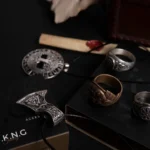
This bronze Valknut signet ring allows you to adopt this symbol as your own, making it your mantra. Live bravely and embrace all challenges with courage!
The ring setting uses animal ribboning design popular in Old Norse art.
This stunning silver pendant places the Valknut in the center. It is surrounded by ribboned wolves and serpents in the traditional Norse Urnes style.
These animals are threatening, and represent life’s challenges, while the Valknut represents the courage needed to face these challenges.


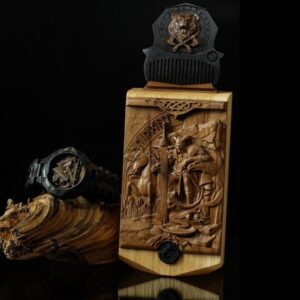
This stunning wooden watch features the Valknut and a symbol of the bear. The Berserker warriors communed with the spirit of the bear to embrace their ferocity before going into battle. While in this ecstatic state, they were believed to be invincible.
These sterling silver Valknut cuff links are the perfect armor to wear into battle in the boardroom. Armor for the modern warrior!


This stunning bronze Valknut pendant associates the symbol with the ravens of Odin, who surround it on three sides.
When Odin’s ravens circled the battlefield it was believed to be a good omen. It meant that Odin and the Valkyries were present to take the bravest fallen warriors to Valhalla.