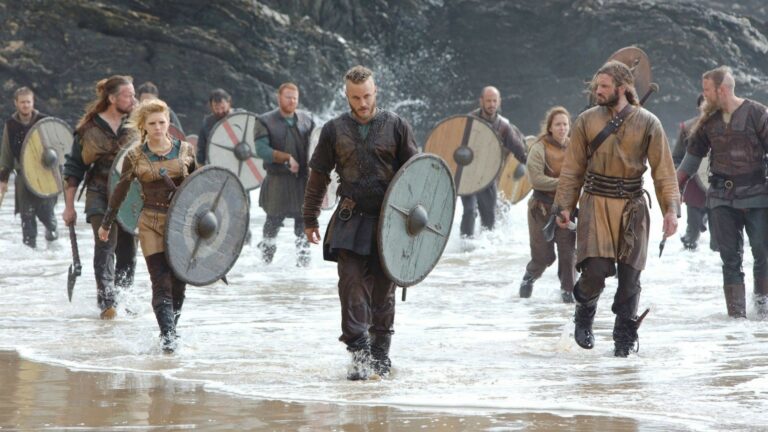
The Vikings are infamous as ferocious warriors who burned and pillaged their way through Europe in the 9th and 10th centuries AD. Just the sight of a Viking ship in the horizon could strike fear in the heart of their neighbors, and many of them towered over opponents on the battlefield (the Vikings were taller than most of their neighbors).
But who were the warriors that the Vikings themselves feared and respected? Here are 15 of the most famous Viking warriors who even other Norsemen thought were more ferocious than the rest!
Disclaimer! This list is meant to be a bit of fun and just a taster of the histories of these warriors. You will find more in-depth and balanced articles about each of them on the blog. The Vikings were mighty warriors that were feared across Europe. But they were also intelligent with a rich and interesting culture. But this list is all about blood and gore!
1. Ragnar Lodbrok
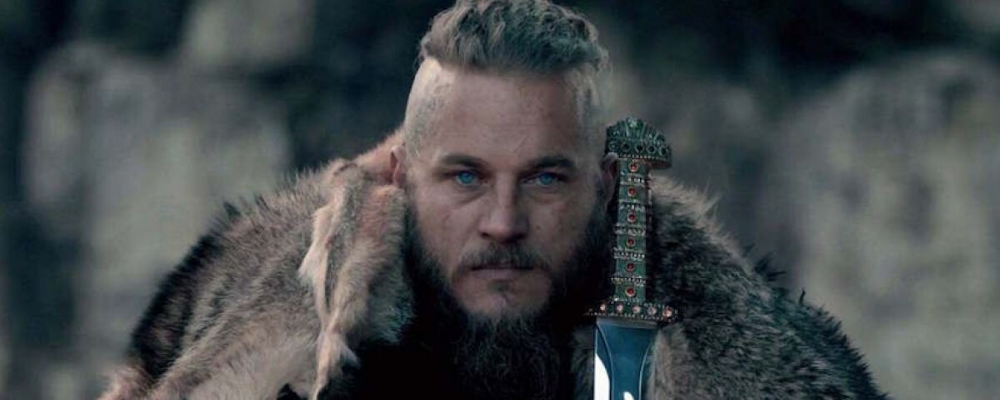
It would be impossible to start this list with anyone other than Ragnar Lodbrok. He has become popular in recent years thanks to featuring in the History Channel’s Vikings, but he was already a legend in the Viking Age. Sagas were written about the exploits of Ragnar and his sons, and he was clearly considered larger than life. He is even said to have slain a dragon to win a lady’s hand in marriage. And he won lots of ladies over the years, with whom he had at least seven sons.
An historical Ragnar is known to have raided France, and even besieged Paris, in the 9th century. The legendary Ragnar of the sagas is said to have raided so successfully in England that near the end of the life be believed he could take the whole island with just two ships. Unfortunately, he was captured by King Aella of Northumbria, who executed him by throwing him in a snakepit.
It is not hard to imagine Ragnar being defiant until the end. His sons reportedly mustered the Great Heathen Army to avenge his death, executing Aella by removing his breathing lungs in a ritual known as the Blood Eagle.
2. Bjorn Ironside
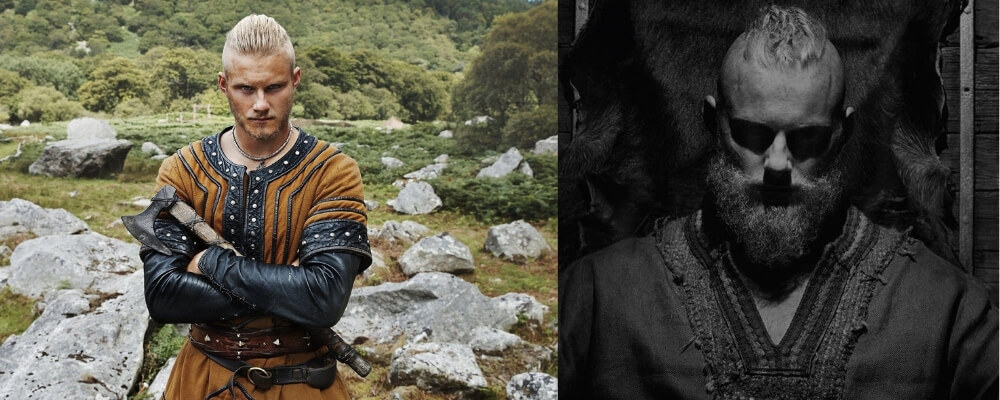
One of the many sons of Ragnar Lodbrok, Bjorn Ironside earned his name for his iron strength while fighting alongside his brothers in Scandinavian skirmishes.
The historical records record a Bjorn who raided further afield than many Vikings, raiding the Iberian Peninsula and then sailing past the straits of Gibraltar to enter the Mediterranean and reach Italy. He had heard of the riches of Rome and intended to raid the great city. However, he and his men mistook the heavily fortified city of Luna for Rome and laid siege to it.
After unsuccessfully breaking their defenses, the Vikings told the Christian leaders of Luna that their leader was either dead or near death and had made a last minute conversion. He wanted to be buried on sacred ground. The leaders of Luna let them carry his body into the city. Bjorn jumped forth from his casket and held the gates open, allowing his men to sack the city. While this was a success, they abandoned their trip to Rome. If Luna was this heavily fortified, how well defended was Rome.
Bjorn was one of Ragnar’s sons who fought with the Great Heathen Army. Afterwards, he returned to Sweden as his king, a kingdom he probably inherited from his father.
3. Egil Skallagrimsson
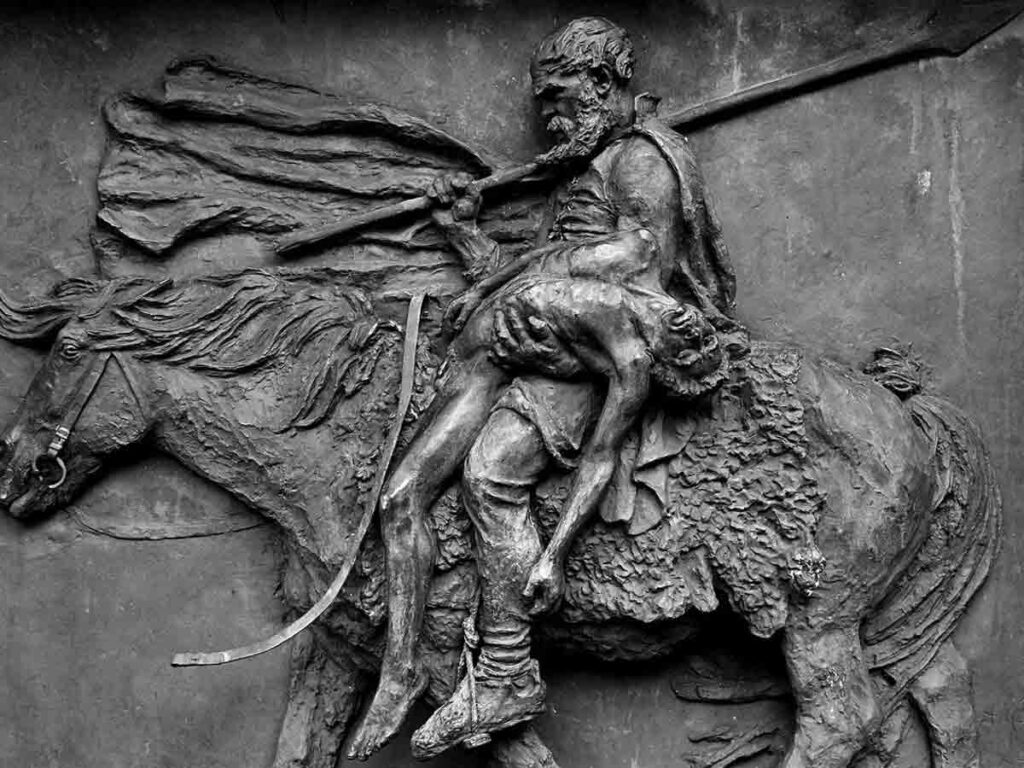
Living in the 900s, Egil Skallagrimsson was an Icelandic Viking warrior and poet. While he was probably a real person, his story is recorded in larger-than-life fashion. As an infant he was said already to be a terrible drunk, but he was welcome at feasts because of his excellent compositions. He is said to have killed for the first time at the age of seven when an older boy cheated him in a game. It was not long before he was a famous warrior and a skilled runemaster.
Later in life, he made an enemy of King Eric Bloodaxe, which saw him exiled, but he put a curse on the king that he should also not find peace in that land. He went to England and fought for the king there. Fate would have it that Eric himself was exiled and came to York. There they met again, and Eric captured Egil with the intention of killing him. However, Egil composed such a fine verse for the king that he was pardoned.
After living a heroic and violent life, he died of old age. This is something he lamented, as it robbed him of his place in Valhalla, as only those warriors who died bravely in battle were chosen by Odin.
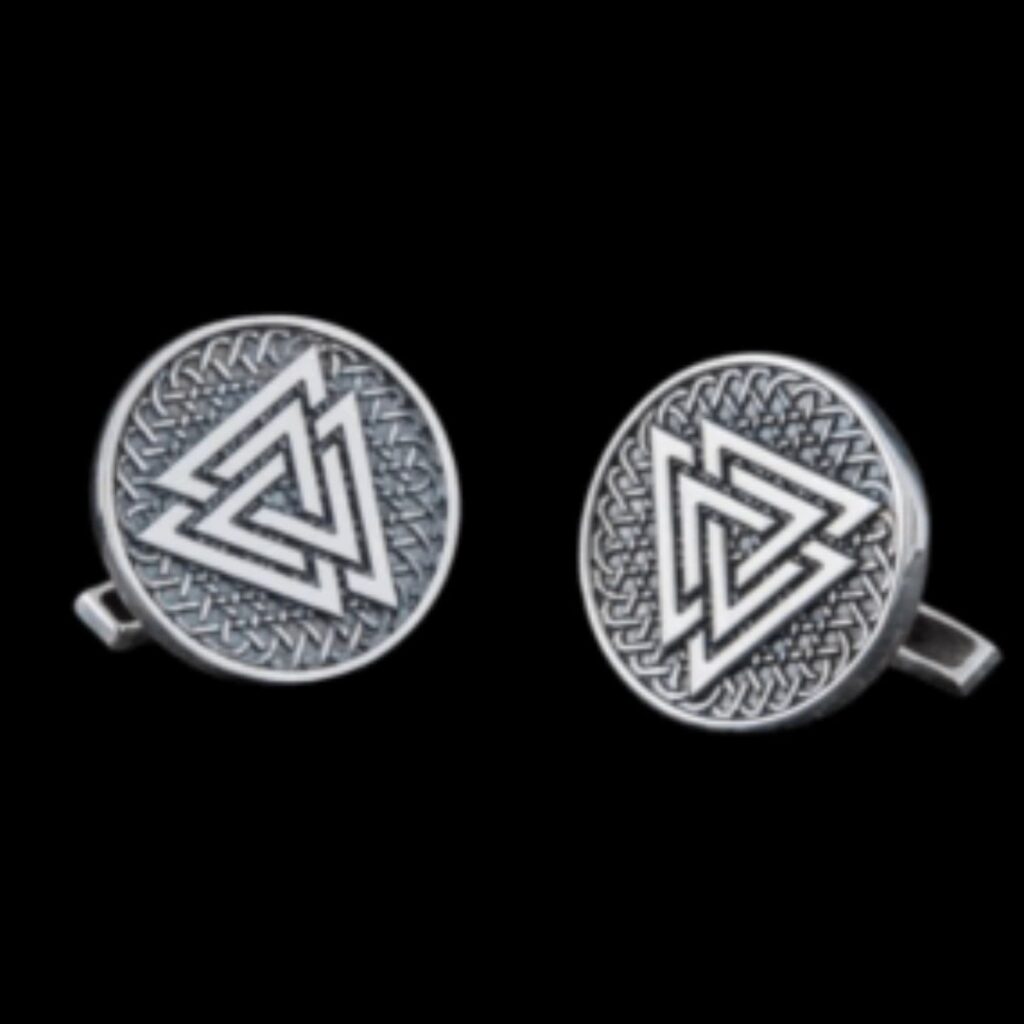
Find the Valknut, the symbol of Valhalla, in the VKNG Collection.


4. Eric Bloodaxe
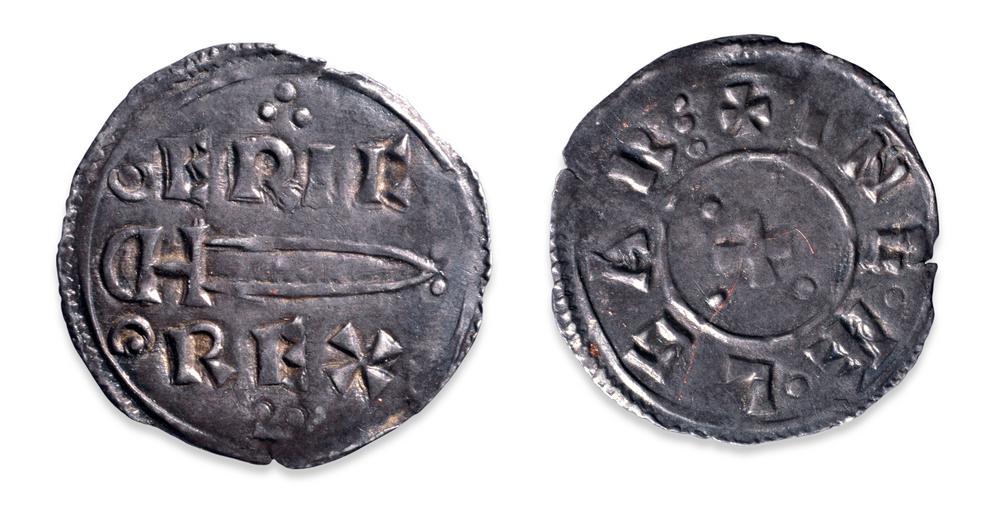
Eric Bloodaxe was the son of the first king of a united Norway, Harald Fairhair. He later became king himself, and earned the name “Bloodaxe” by killing all but one of his brothers to clear his way to power.
He was a hard and unpopular king, suppressing opposition ruthlessly. Soon his sovereignty was challenged by his sole surviving brother, Haakon the Good (he probably regretted not killing him!). Because of Eric’s brutality, many Norwegians supported his brother, and Eric was forced to flee to England.
He set himself up as a tyrant in York, where he fought with the local Anglo-Saxons and raided around the Irish Sea. He was later betrayed and murdered by another Viking who coveted his position, but Eric was the last independent Viking king of York.
5. Erik the Red
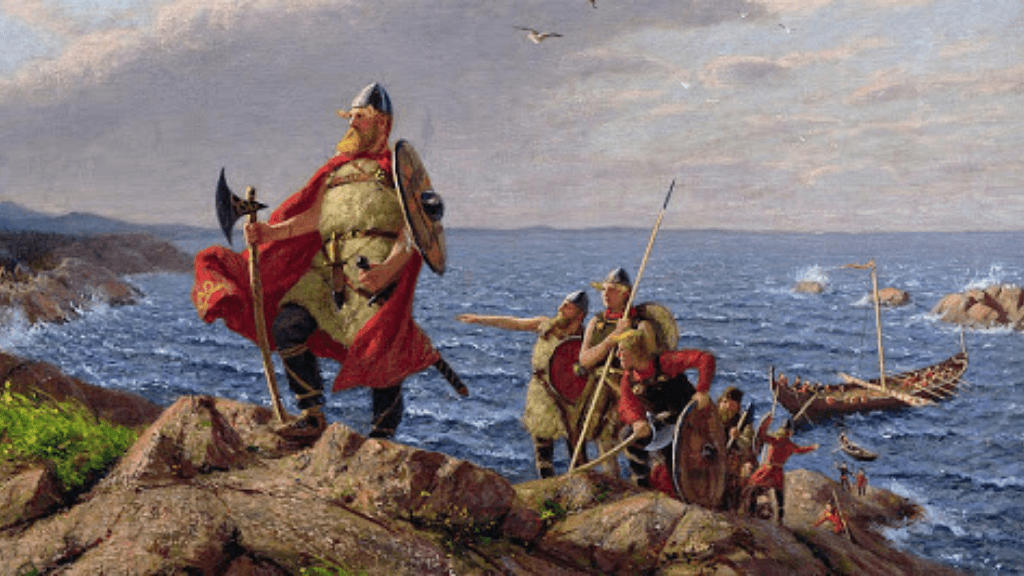
Erik the Red was a 10th-century Norwegian Viking warrior who fled Norway for Iceland after being exiled for manslaughter. Further violent behavior saw him exiled from Iceland, so he set sail with a small band for an island to the west they had heard of, eventually landing in Iceland.
When Erik’s three-year exile was over, he returned to Iceland to recruit settlers for his new island, which he called Greenland to make it more attractive to new settlers. He then established himself as the king of Greenland, taking the best land for himself. His colony would last for 500 years.
6. Leif Erikson
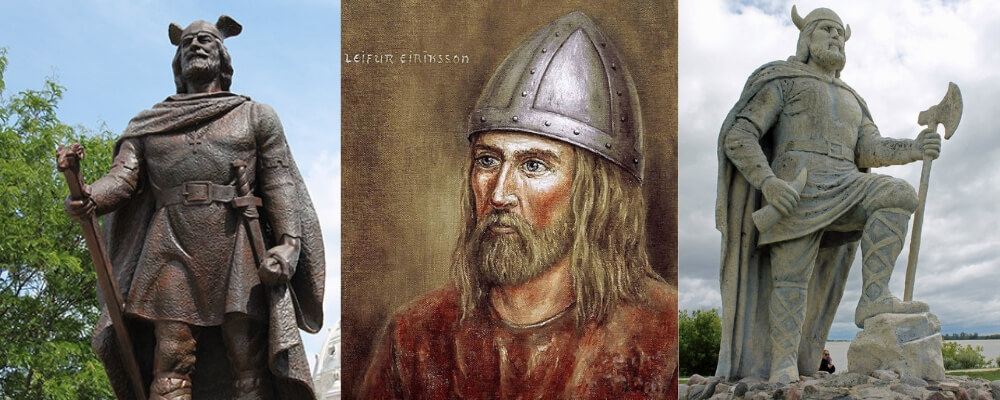
A son of Erik the Red, Leif Erikson was also an explorer. He is credited with being the first Viking to lead an expedition to the New World, landing at Newfoundland in Canada around the year 1000. There he established a settlement at L’Anse aux Meadows, which supported expeditions to what they called Vinland for a few decades. This practice was abandoned as it was it was too costly for the return.
When Leif came back to Greenland, he led the islands conversion to Christianity.
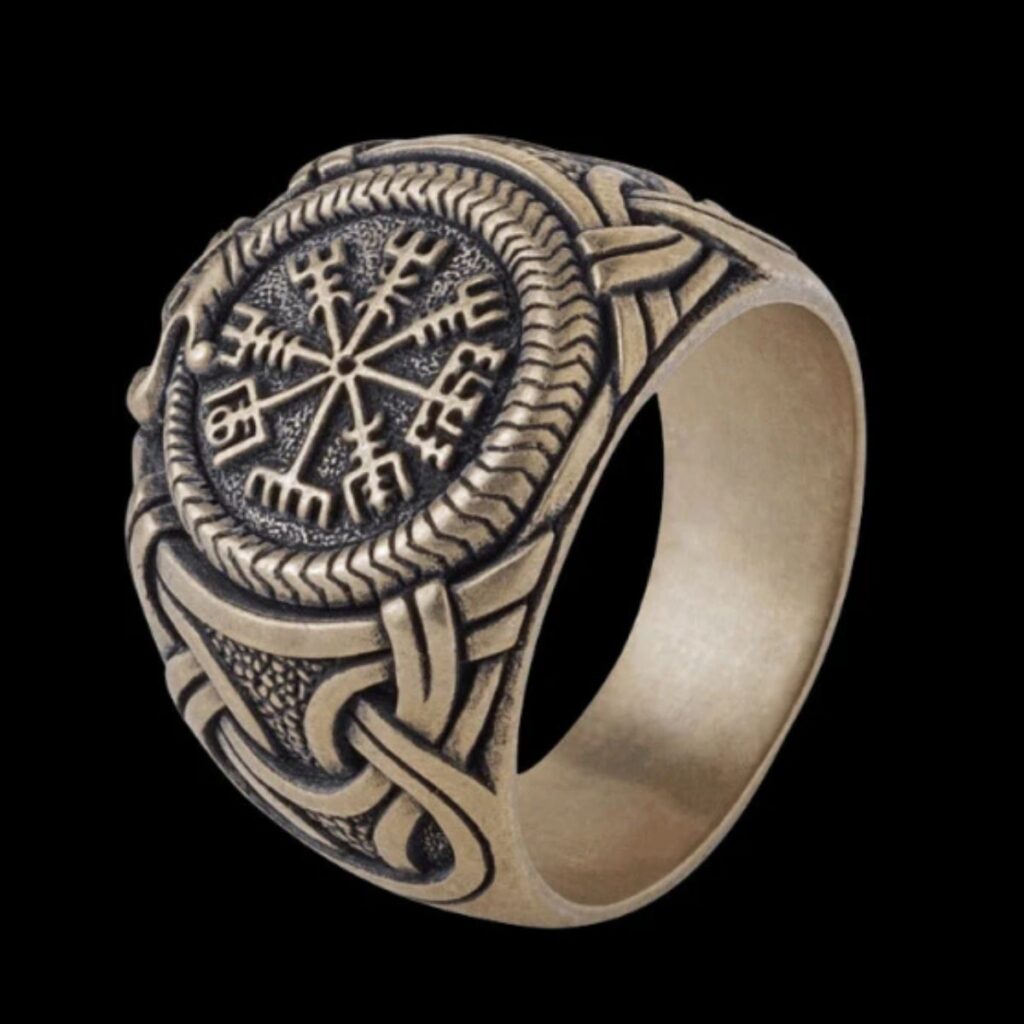
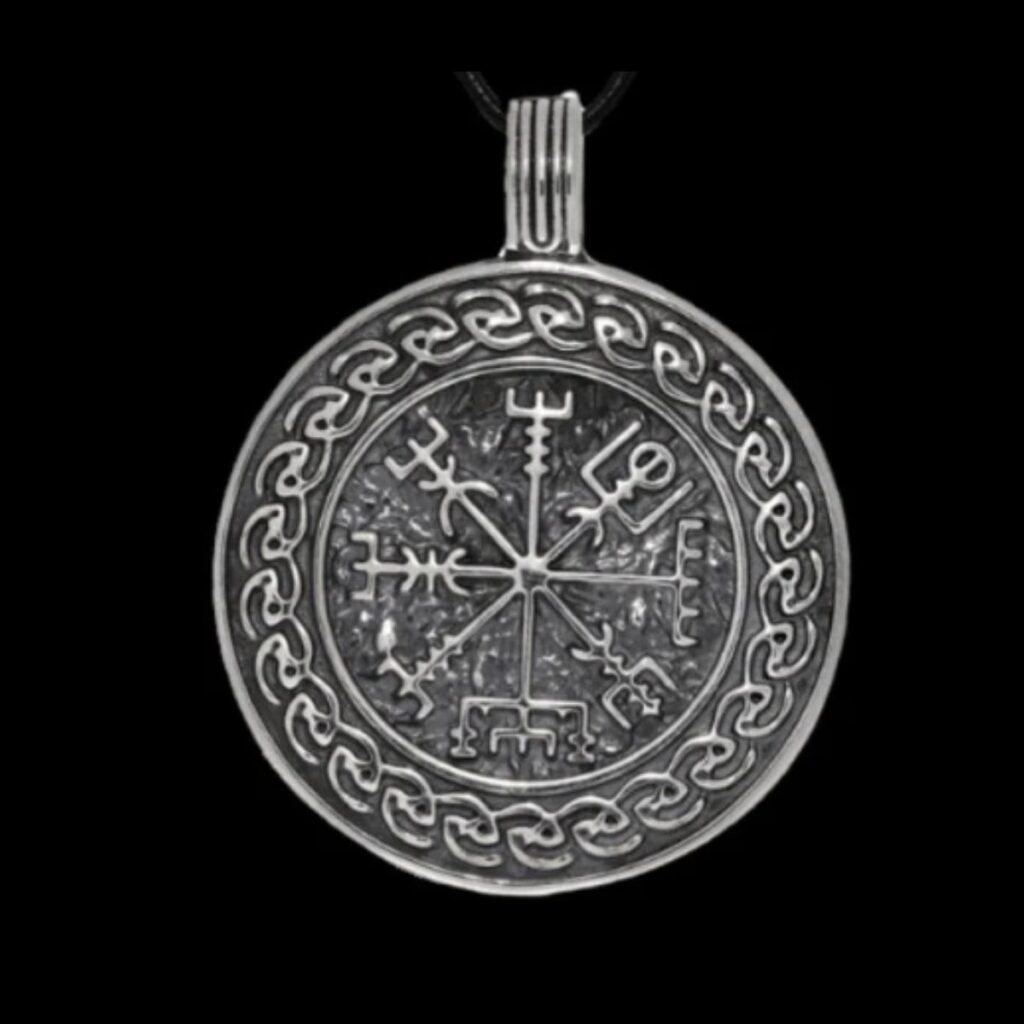
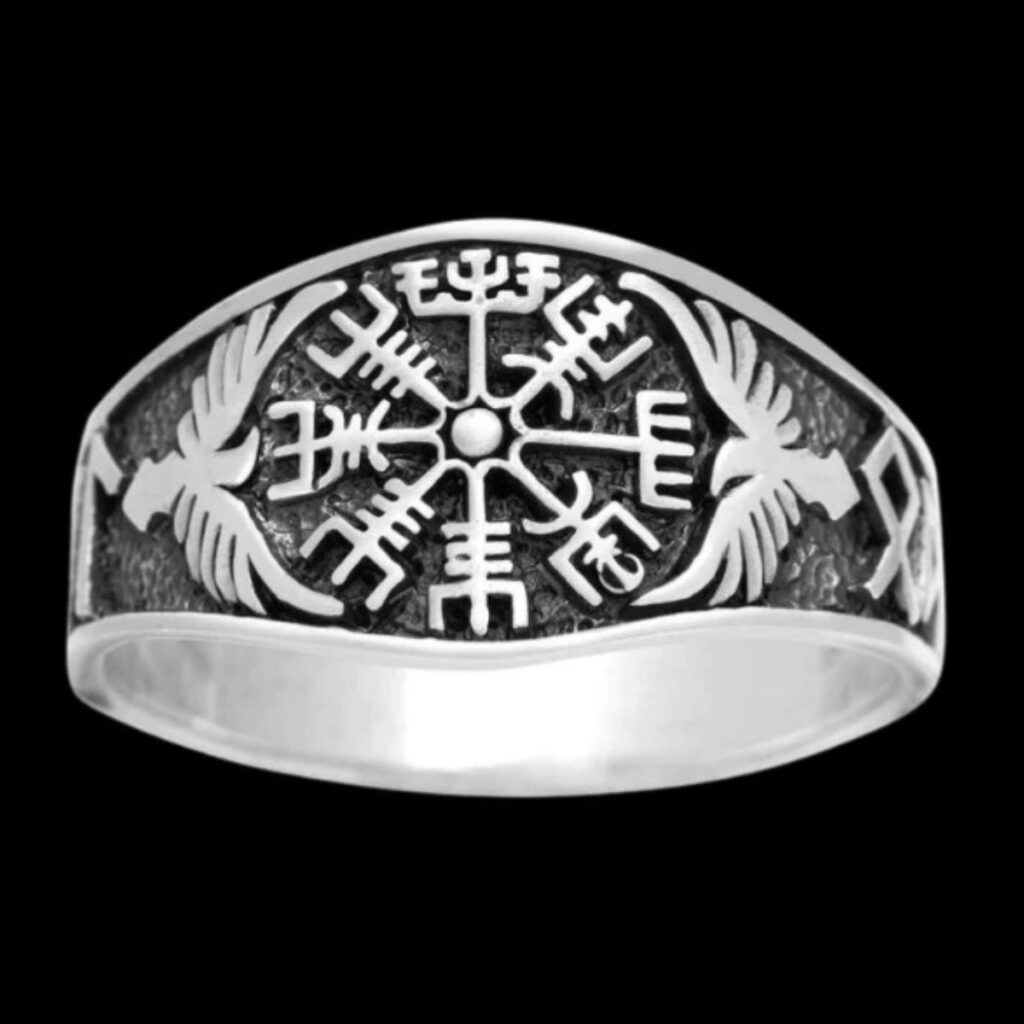
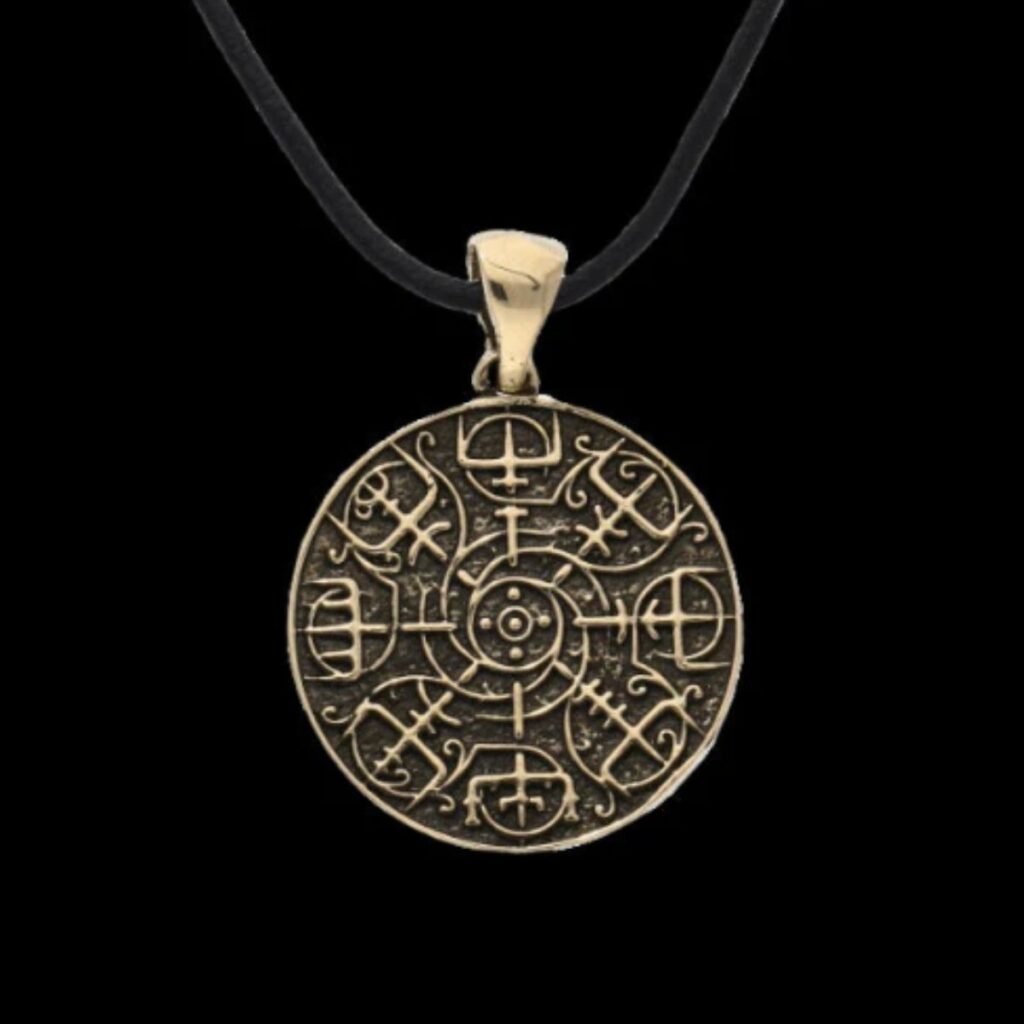
Vegvisir or the Norse Compass is a magical runic symbols that helps you find your way, even if you don’t know where you are going. Discover Vegvisir in the VKNG Collection.
7. Freydis Eiríksdóttir
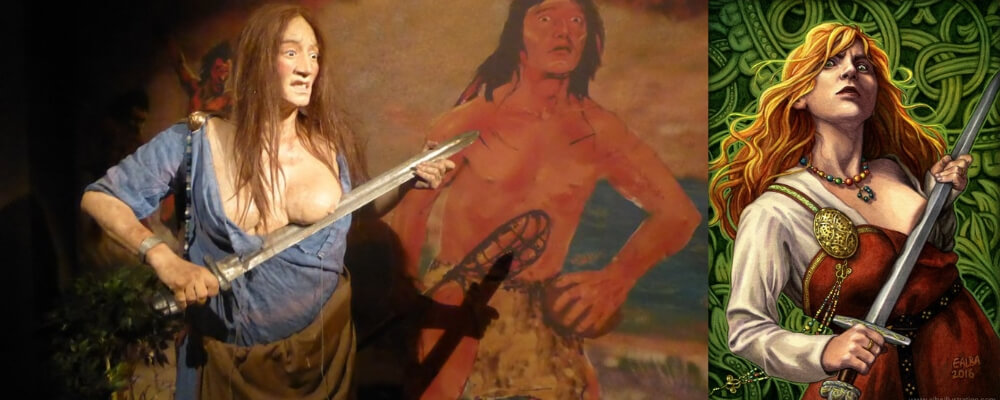
A daughter of Eric the Red, Freydis is proof that Viking women could be just as fearsome as men. Following her brother’s lead, she also organized expeditions to Vinland. On one trip, following a dispute with the natives, they attacked the Viking camp at night with catapults. While many of the Norse warriors were surprised and fled, Freydis, eight months pregnant, grabbed a sword to fight. The sight is thought to have been so scary that the natives fled, assuming that she was some kind of demon.
She later partnered with a pair of Icelandic brothers on a Vinland expedition, but quickly betrayed them, planning to use their resources but claim all the profits for herself. As her final act of betrayal, she beat herself, and told her men that the Icelandic brothers were responsible, demanding that they kill them. When she discovered that her men left the women of the camp alive, she was enraged, and went and killed them herself.
8. Gunnar Hamundarson
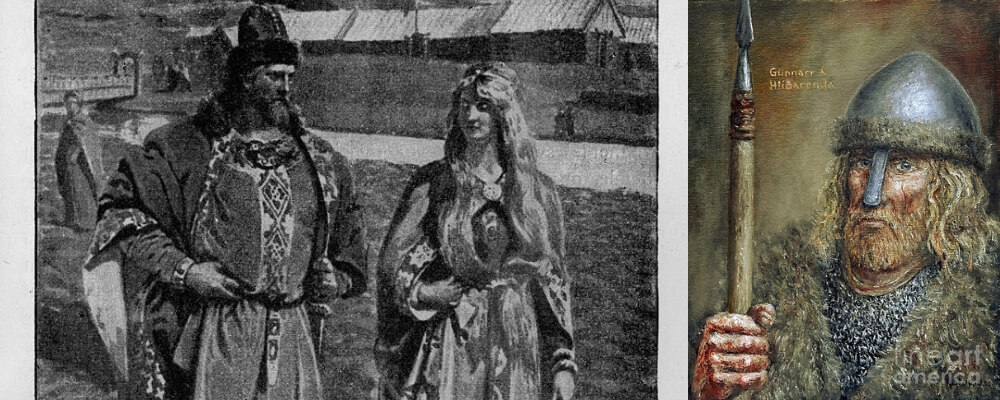
Gunnar was a 10th-century Icelandic Viking warrior who was said to be capable of jumping his own body height while wearing full armor. He was also described as one of the most famous Viking warriors and as being the most beautiful man in the world. Unlike most Vikings, as well as fighting in close combat, he was a skilled archer and stone thrower.
While Gunnar avoided conflict, his problematic wife often made trouble for him, and men jealous of his reputation challenged him. Eventually, Gunnar killed two men from the same family, which resulted in him being declared an outlaw. He could not bring himself to flee his home, so he decided to stay and defend it. He died in an epic last stand in his home.
9. Ivar the Boneless
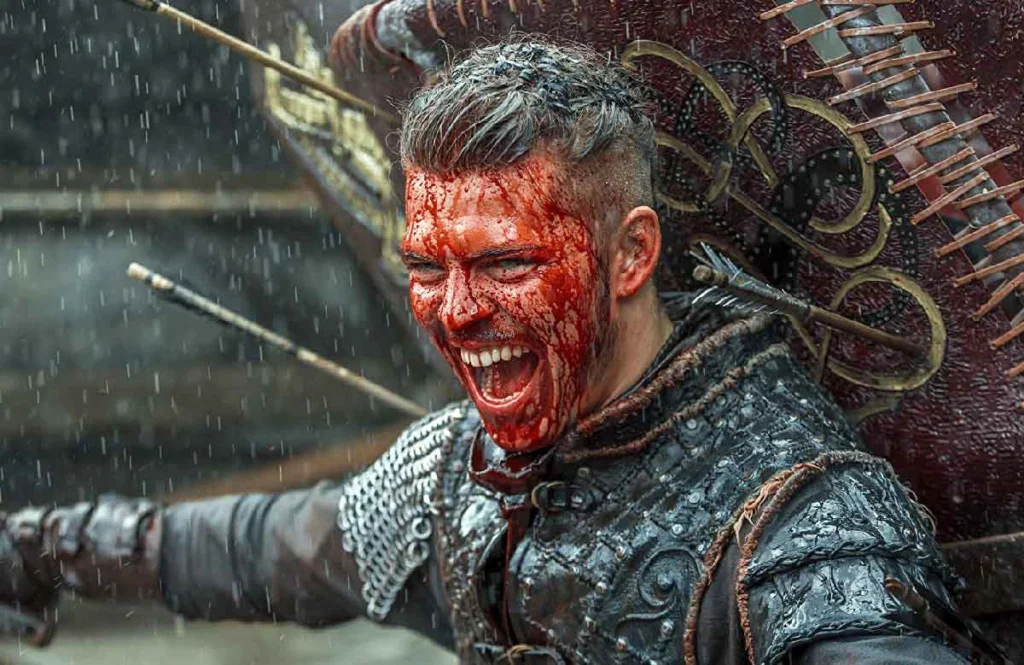
Another son of Ragnar Lothbrok, Ivar the Boneless, people speculate that he had a medical condition that accounted for his name “boneless.” However, if he was born crippled, Ivar would have been exposed as a baby. It is more likely that his modern name is an erroneous translation of Exosus, meaning the cruel, for ex osos, meaning boneless.
He was the oldest of Ragnar’s sons with his wife Aslaug, and he led the band of brothers, which included his younger brother Bjorn Ironside, as they raided around Scandinavia. He was also one of the leaders of the Great Heathen Army. But while most of the army attacked with bloodlust, Ivar spent his time making alliances and building up a kingdom around York. While the rest of the army struggled in the first year, in the second year, Ivar was able to lead them in their capture and execution of King Aella of Northumbria.
It is unclear what happened to Ivar after he had avenged himself on Aella. Some records suggest that he died in England while king of York, while others suggest that he set himself up as the king of Dublin and led the Vikings there.
10. Halfdan Ragnarsson
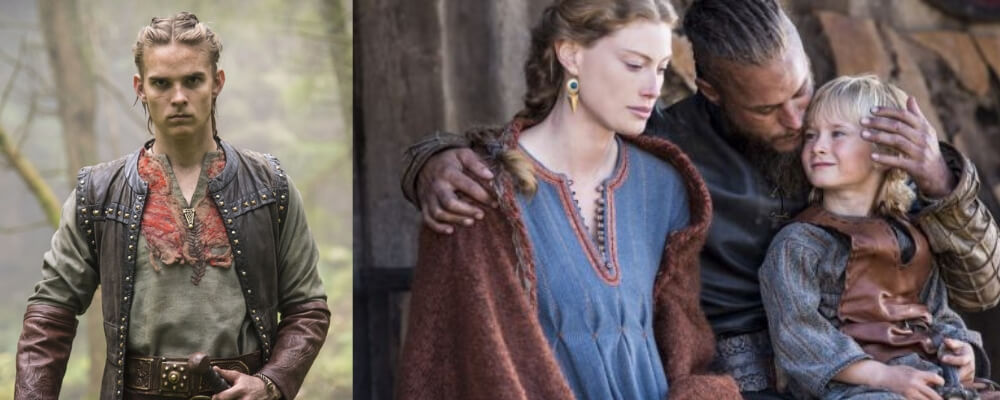
Another son of Ragnar Lothbrok, Halfdan (also known as Hvitserk) was the other principal leader of the Great Heathen Army. After the death of Aella, he led a big part of the army south to conquer large parts of East Anglia and Mercia. He then led attacks on Wessex, but when he realized that he could not take the territory, he organized a peace in exchange for a massive payment of Danegeld.
Halfdan later set himself up as king of York, and like his brother, also set his sights on Ireland. He became involved in a Viking civil war in the region and was killed at the Battle of Strangford Lough in 877.
11. Harald Hardrada
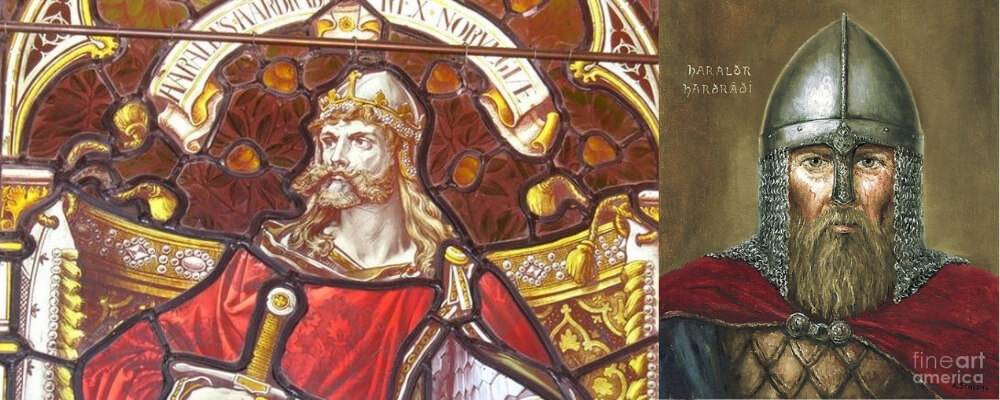
Widely considered to be the last Viking ruler, Harald Hardrada found himself exiled as a teenager, so he traveled east to the court of the Kievan Rus, and then joined the Varangian Guard of the Byzantine Emperor. This earned him military experience and a lot of money, which allowed him to return to Norway and claim his father’s lost throne in 1046. He then oversaw a period of prosperity, which he achieved through a brutal and tyrannical approach, earning him the nickname “hard ruler.”
Harald considered himself the successor Cnut the Great, and therefore the king of not only Norway, but also Denmark and England. He spent most of his reign trying to claim these territories. When Edward the Confessor, king of England, died in 1066, Harald led the last great Viking army to England to claim the throne. He was defeated but died bravely at the Battle of Stamford Bridge, which more or less marked the end of the Viking Age. He also weakened the English forces, making it easier for William the Conqueror to win at the Battle of Hastings.
12. Rollo of Normandy
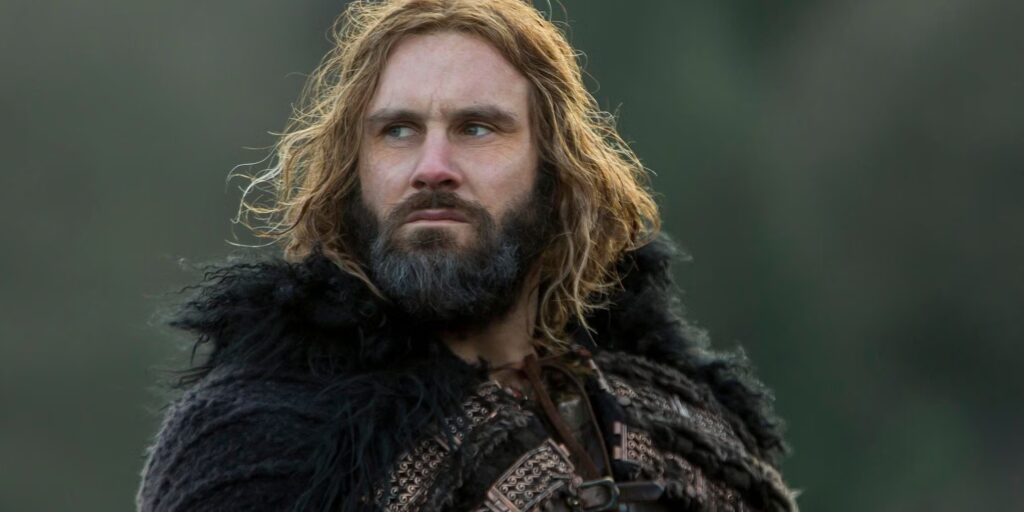
Rollo was a famous Viking chieftain who became the first ruler of the Normandy region in France. A Viking warrior who started raiding in France, he was known as “the walker” because he was too heavy for any horse to carry for long.
He laid siege to Paris, and had to be paid a significant among of Danegeld to leave. The French soon realized that he was a better ally and enemy and confirmed his rulership of Normandy, an area which he already effectively controlled with his army.
He helped the French fight off other Viking threats and made Normandy the strongest kingdom in the region.
13. Sigurd the Dragon Slayer
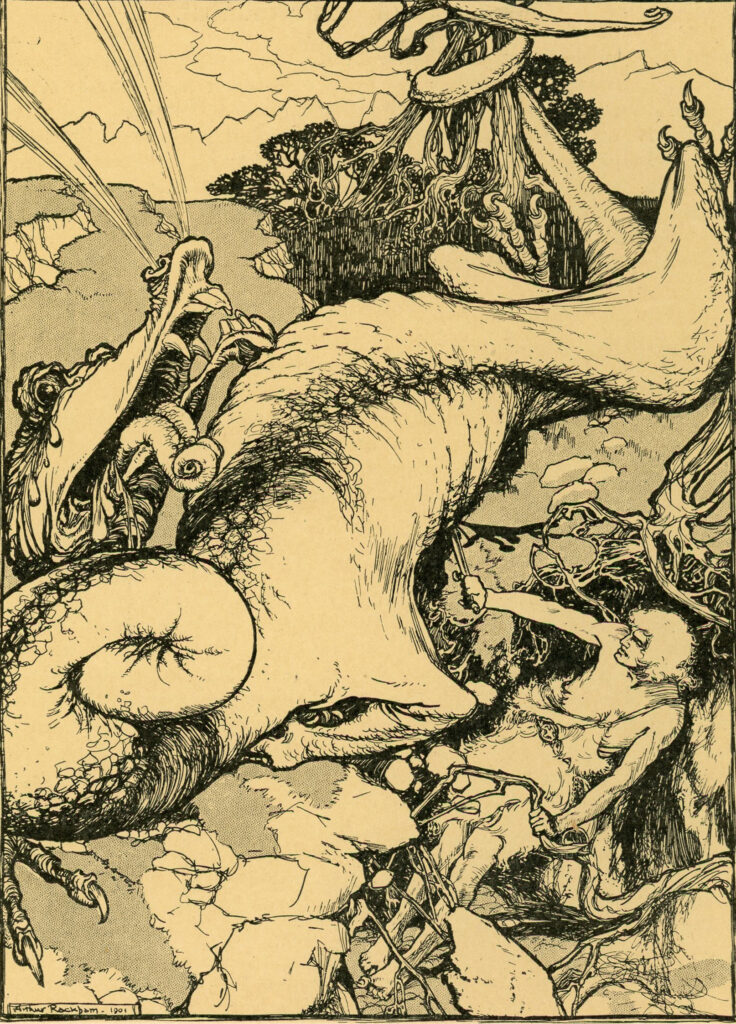
Sigurd is more legend than history, but he still deserves to be on the list! He is the main character in the Volsunga Saga, the bravest of the many fierce warriors of the Volsunga family. As a youth, he led a small band of Vikings to get revenge for the deaths of his father and brothers.
Sigurd was then tricked into killing the dragon Fafnir, earning him the title “dragon slayer.” He was tricked, as his foster rather Regin said that he would share the dragon’s treasure with Sigurd, while he intended to kill the young hero and keep all the treasure for himself. Sigurd discovered his plan and also killed Regin.
Than Sigurd was the only warrior brave enough to enter the mountain home of the Valkyrie Brynhild, with whom he fell madly in love. But he had to leave to fulfill his destiny, and as the result of a magical spell forgot about Brynhild. Ignorant of his previous commitment to agreed to help trick her into marrying his friend Gudrun. This ended badly.
One of Ragnar’s wives, Asluag, claimed to be the lost daughter of Sigurd and Brynhild, making her sons, including Ivar the Boneless and Bjorn Ironside, the grandsons of Sigurd.
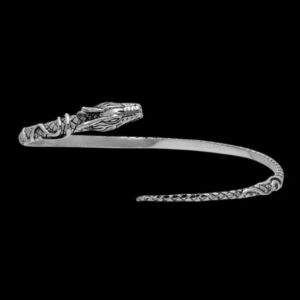
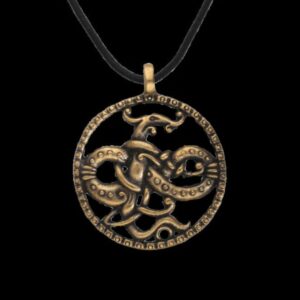
Find dragons and serpents in the VKNG Collection.
14. Sweyn Forkbeard
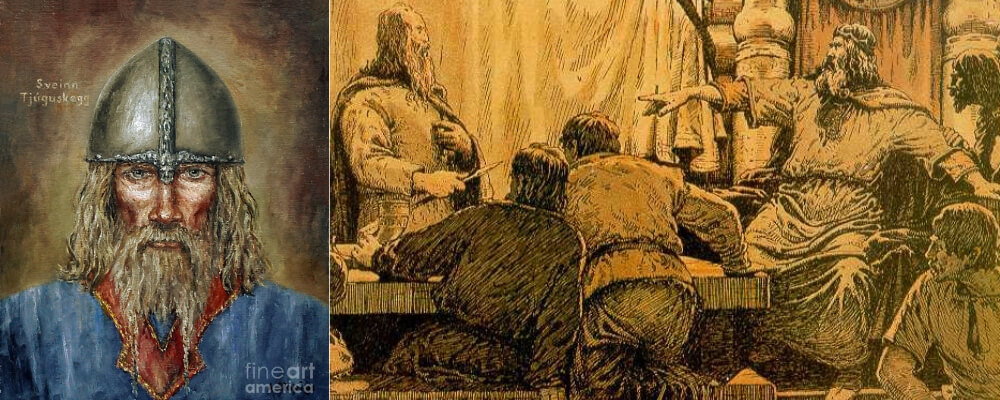
Sweyn Forkbeard was a Danish Viking who became the first Viking king of England. He led several waves of major attacks on England starting in AD 1003, reportedly in revenge for the St Brice’s Day Massacre, which saw the Anglo-Saxon king order the deaths of all Danes in England.
By the end of 1013, his conquest was so successful that the Anglo-Saxon kings were exiled to Normandy and he was officially crowned in their place. He wasn’t able to enjoy it for long, as he died in February 1014. Nevertheless, his son and grandson continued to rule England until 1042.
15. Grettir the Strong

When know about Grettir from his saga, in which is he described as a great Icelandic hero, but also cursed. He aspired to be a hero, and went around killing monsters, but he was trying to be something “Norse” in an increasingly Christian world. Grettir famously slayed some draugr (zombies), but one of them cursed him so that every time he closed his eyes, he only saw the haunted face of the monster.
He was eventually exiled from Iceland and lived as an outlaw for 20 years, trying to survive in the Icelandic wilds. By the end of his life, Grettir was physically exhausted and suffering from a festering infection from a wound. He sought refuge on the remote island of Drangey with his brother and a servant.
They were eventually betrayed by the servant, who helped a group of armed men scale the cliffs to ambush them. Even in his weakened, sick state, Grettir fought with such ferocity that his killers were terrified to approach him. They had to stand back and throw spears at him from a distance until he finally collapsed. His head was cut off, and his killers had to carry it back to the mainland to prove they had slain the strongest man in Iceland.
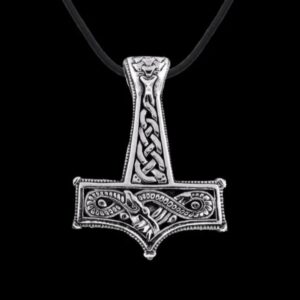
All these warriors probably wore Thor’s Hammer Mjolnir pendants. Find yours in the VKNG Collection.

This design is based on a 10th-century Mjolnir pendant found at Östergötland, Sweden. It features swirling loops, which were extremely common for jewelry decoration in the Viking Age.
This design is based on a Mjolnir pendant found in Scania, Sweden. The handle of the hammer looks like a raven or a warrior’s head, a common feature of many Mjolnir designs. It is probably a reference to Odin, the god of war and ravens.


This pendant is based on a Mjolnir amulet found on Bornholm Island, Denmark. The pattern of round circles was a common design on Norse jewelry, especially Mjolnir pendants.
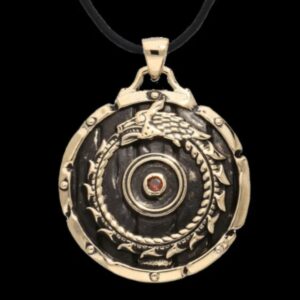
This pendant is based on a 10th-century artifact from Iceland. It has a distinctive design with its wolf-head clasp and what seems to be a Christian cross integrated into the design. It dates to a time when Iceland was in the process of converting to Christianity, and religious lines and symbolism were being blurred.

FAQs
How did the legendary Viking leader Ragnar Lodbrok die?
Ragnar Lodbrok was captured by King Ælla of Northumbria during a raid in England. The king executed him by throwing him into a pit filled with venomous snakes.
How did Bjorn Ironside and his men successfully capture the heavily fortified city of Luna?
The Vikings gained entry into the city by tricking the local Christian leaders into believing that a dying Bjorn wanted a Christian burial on sacred ground. Once his casket was carried inside the city gates, Bjorn leaped out and held the gates open for his raiding army.
How did Eric Haraldsson earn his terrifying nickname “Bloodaxe”?
Eric earned his infamous moniker by systematically murdering almost all of his own brothers to eliminate any competition for the throne. This ruthless act cleared his direct path to becoming the King of Norway.
What marketing trick did Erik the Red use to attract settlers to his newly discovered island?
After his three-year exile from Iceland ended, Erik called the icy western island “Greenland” to make it sound appealing to potential pioneers. His clever naming strategy worked, allowing him to successfully establish a colony that lasted for 500 years.
Why is Harald Hardrada widely considered by historians to be the last true Viking ruler?
Harald’s death at the Battle of Stamford Bridge in 1066 decisively marked the historical end of the Viking Age of expansion. His grand invasion of England was the final time a massive, unified Scandinavian raiding army attempted to claim the English crown.
How did Sigurd the Dragon Slayer obtain the magical ability to speak with birds?
Sigurd accidentally tasted the blood of the dragon Fafnir while roasting the beast’s heart over a fire for his foster father. The magical blood instantly allowed him to understand nearby birds, who warned him of a treacherous plot against his life.
What motivated Sweyn Forkbeard to launch his brutal, multi-wave invasion of England in 1003?
Sweyn launched his massive military campaigns to exact bloody revenge for the St. Brice’s Day Massacre. This tragic historical event occurred when the Anglo-Saxon king ordered the systematic execution of all Danes living in England.

I am 15% Viking proud of it too
Nice. I’m definitely Viking in spirit if not blood.
I am Valdr Skeggjoar born in village Tau, in Rogaland Norway 1963. Hrólfr (Rollo) is my 59th bestefar (Grandfather).
I am 100% all Viking as you say. Came to USA 1969.
That’s a cool history, and nice that you can trace your family tree in such detail. Your last name means longbearded? Do you have one?
Got any grandsons?