If you follow Viking Age archaeology, you will have seen recent stories about the discovery of over 3,000 silver coins in Norway, representing the country’s largest silver hoard. It is only one of several important Viking Era archaeological finds from across Norway made in the last 12 months.
The Morstad Silver Coin Hoard
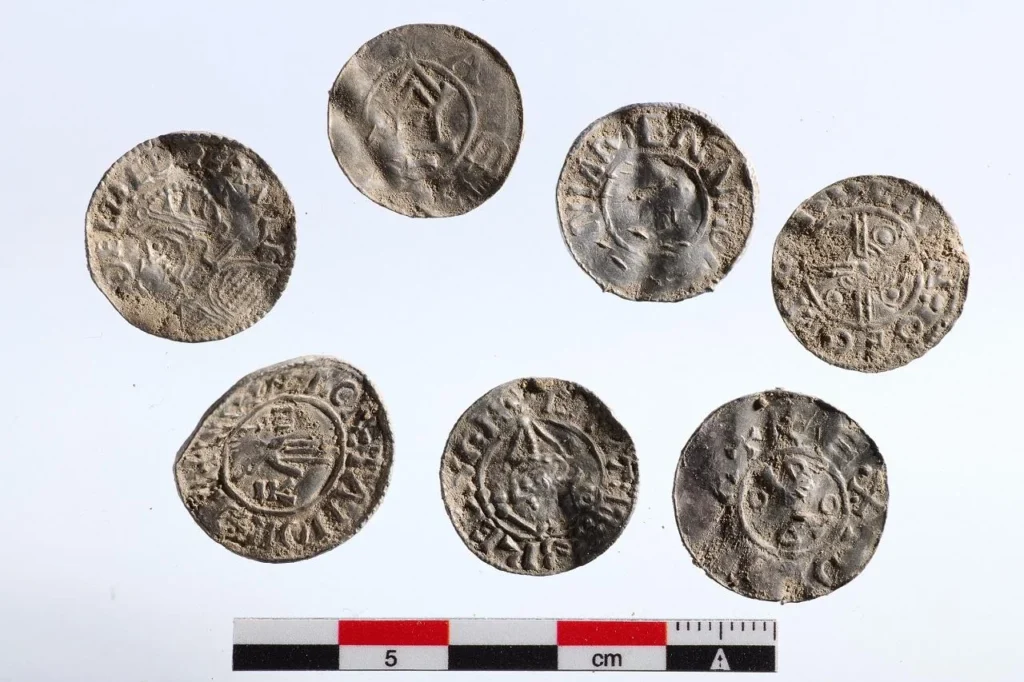
Metal detectorists exploring around Osterdalen came across 19 silver coins in a ploughed field. They contacted the authorities, and the archaeologists arrived on the site. They have since recovered more than 3,000 coins from the field, representing the largest silver coin hoard ever discovered in Norway, by a significant margin.
Learn more about Viking coin hoards and what we can learn from them.
The next largest has 1,849 coins (discovered in the 1830s), and the third largest has 964 (discovered in 1950). And the hoard is still growing, as new coins are still being dug up.
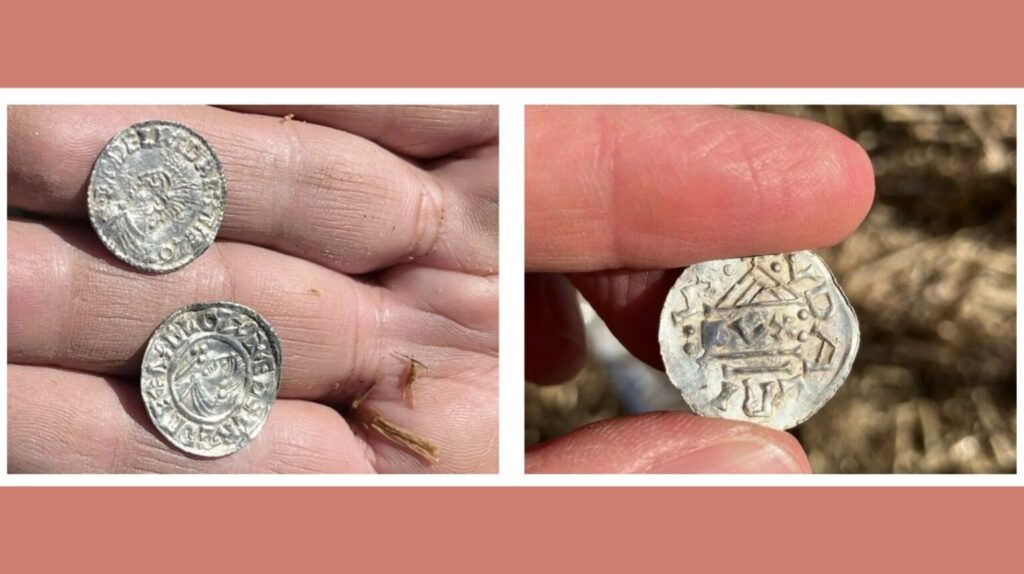
It is being called the Morstad Hoard for the name of the farm where they were found. The field has seen heavy ploughing over the centuries, so whatever receptacle was holding the coins has been destroyed, and the coins have been spread across the field.
The hoard contains coins from around the 980s to the 1040s. These include English coins minted by Cnut the Great and Aethelred the Unready, German coins minted by the Holy Roman Emperor Otto III, some Danish coins, and a few Norwegian coins minted by Harald Hardrada. This is significant because before the 1040s, the Norwegians used foreign coins and bullion as currency. Hardrada established the first national mint in Norway in 1045, shortly before this hoard was buried. The hoard also contains a few pieces of hack silver.
Learn more about Viking coins and currency.
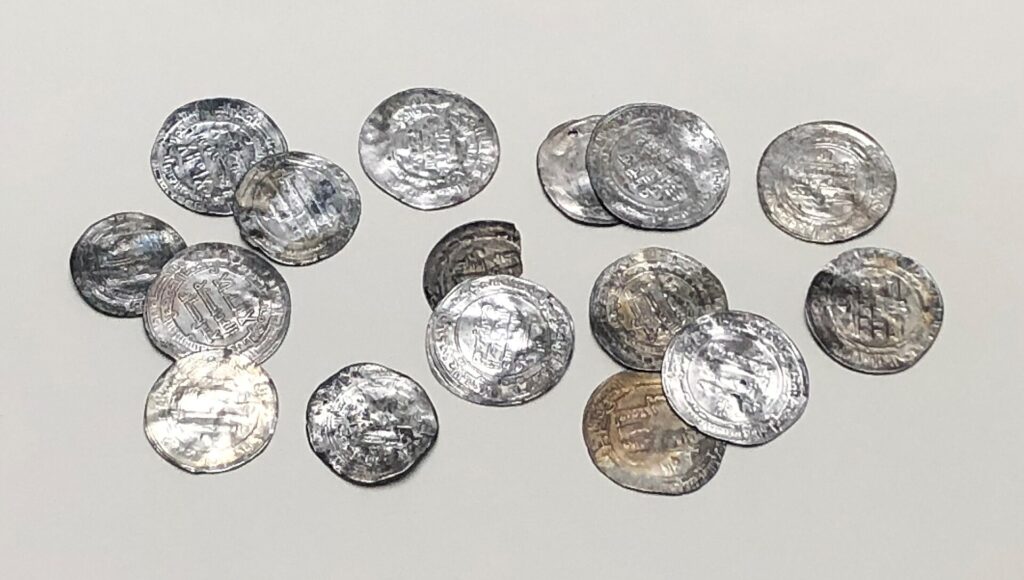
It is worth noting that the hoard does not contain any Islamic coins, despite the fact that they were in high circulation at the time. They are more often found in Sweden, especially Gotland, but the Tiesen Hoard, dating to AD919, contains many dirhams, confirming that they were also in circulation in Norway. This may suggest that this hoard belonged to raiders rather than traders, as the Vikings raided England while trading with the east.
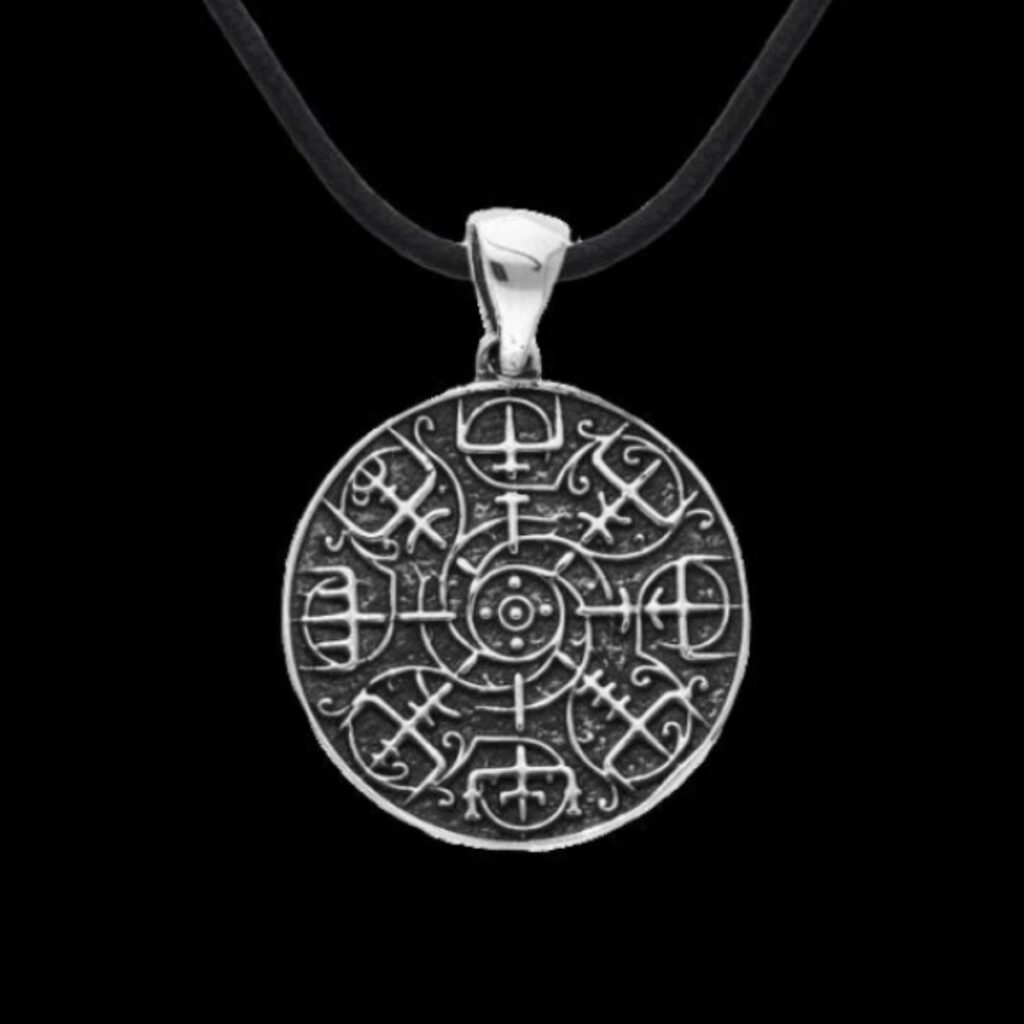
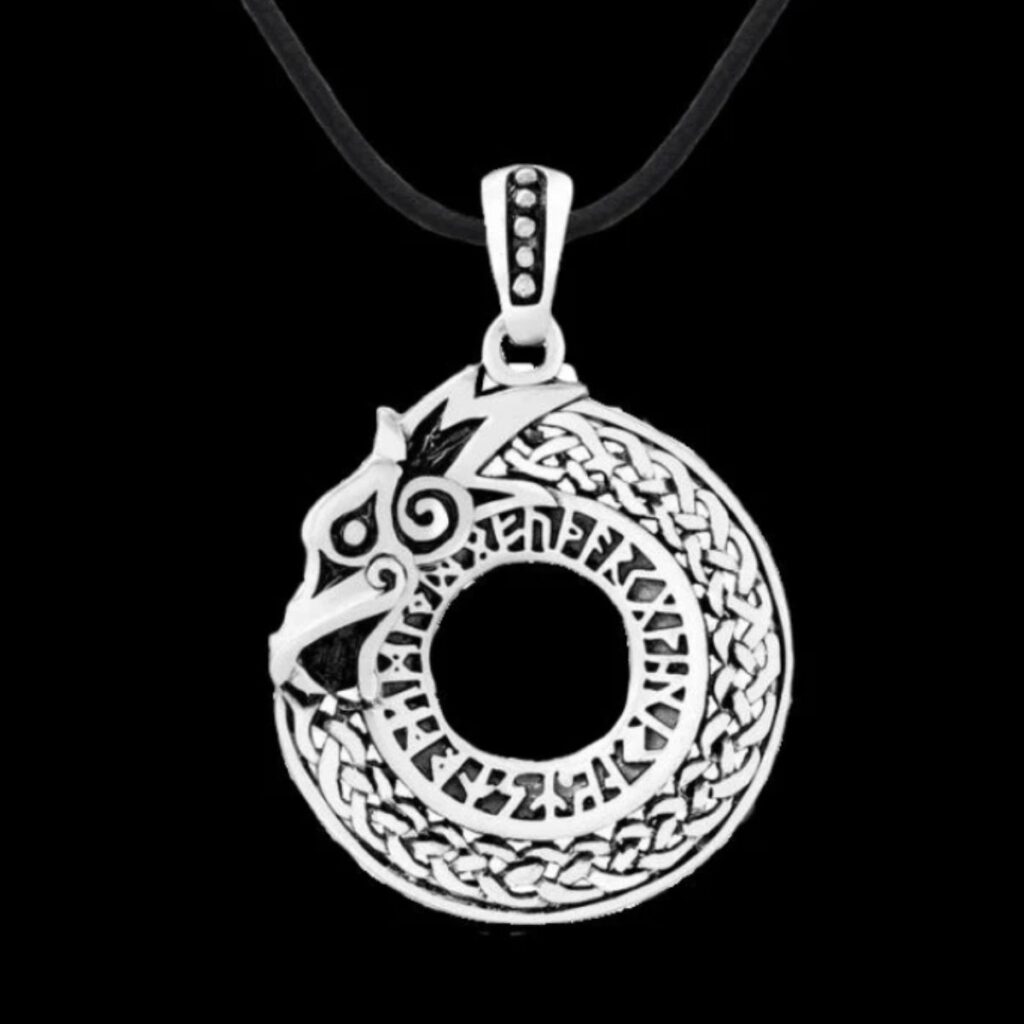
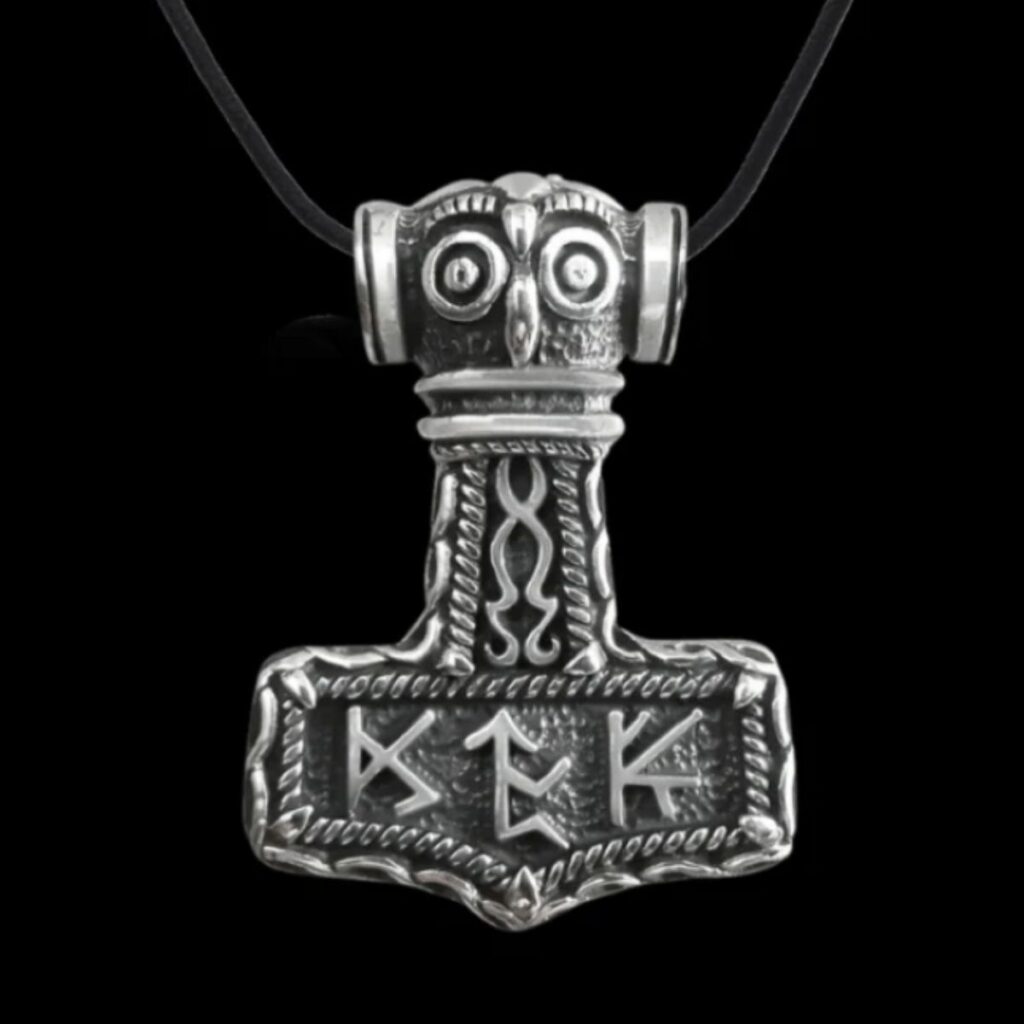
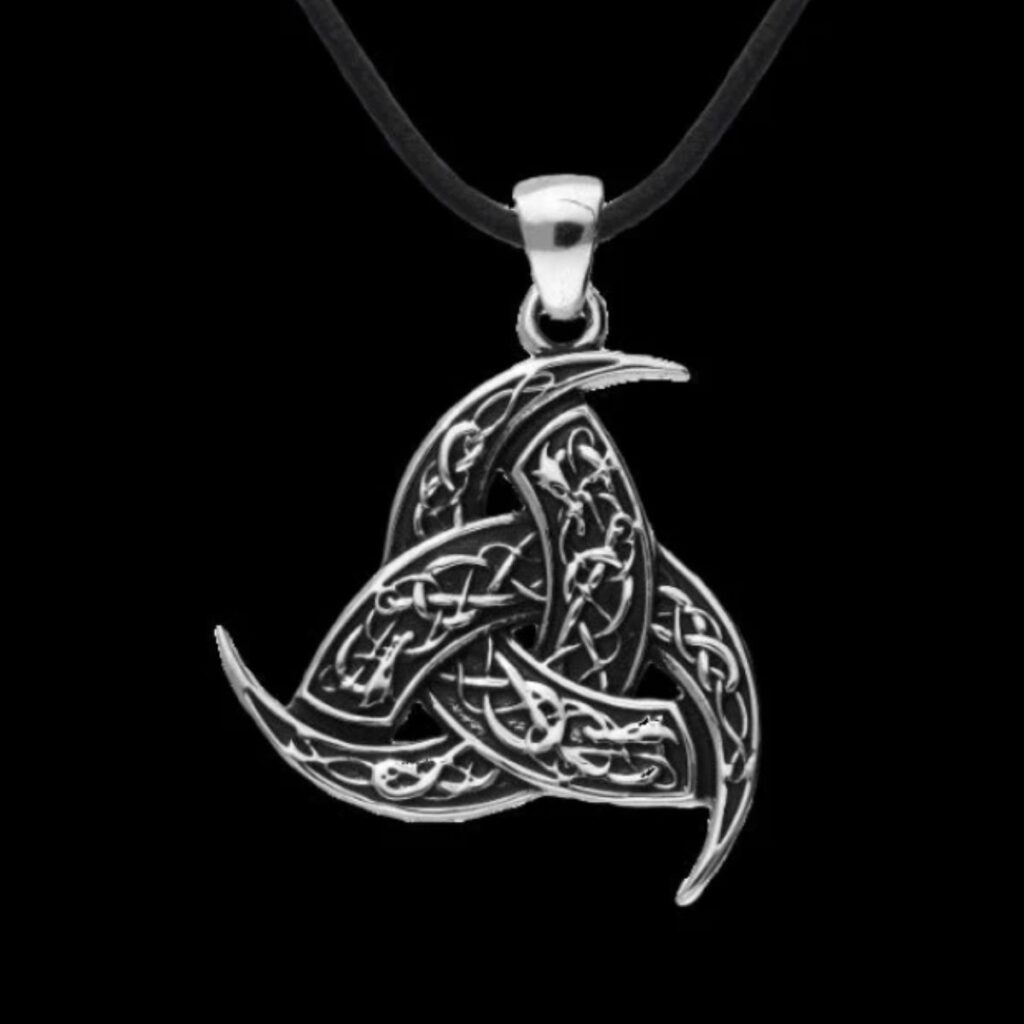
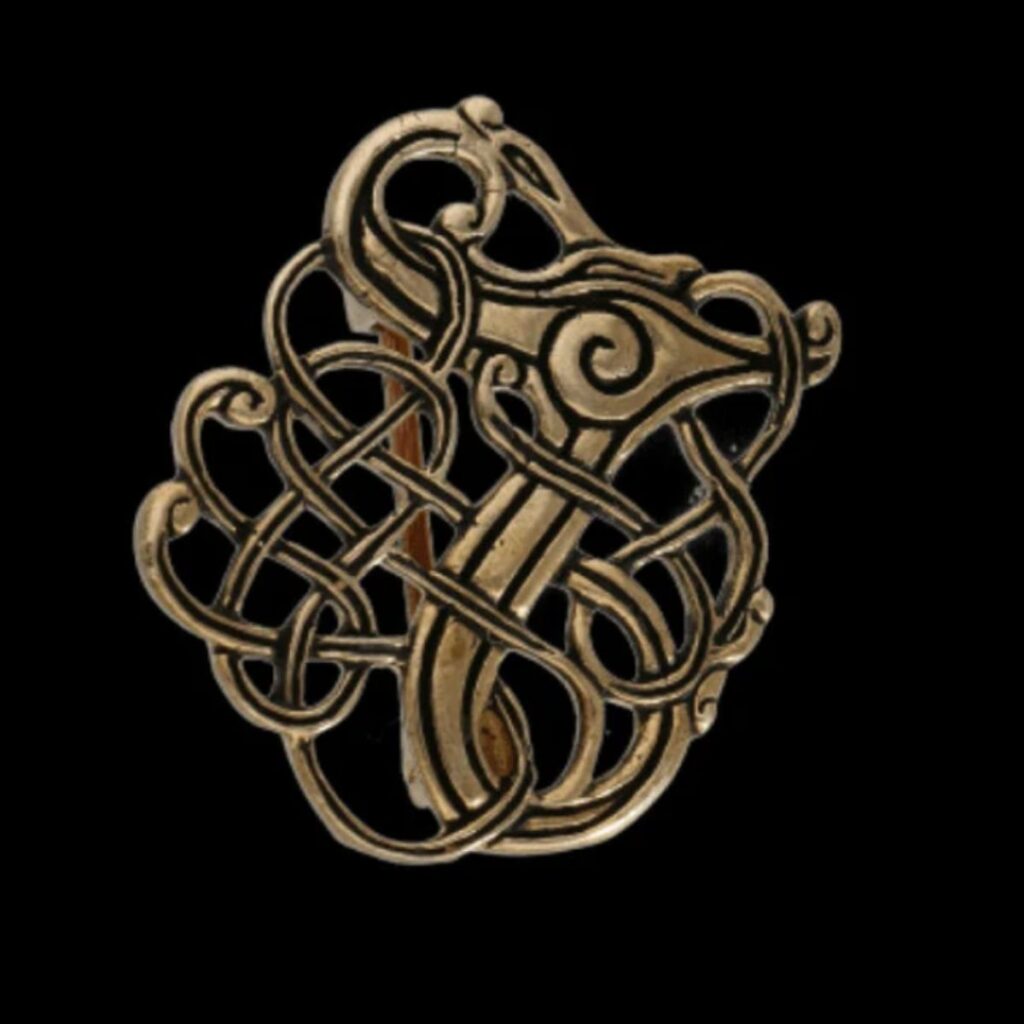
Discover silver pendants in the VKNG Collection.
Old Graves with New Stories
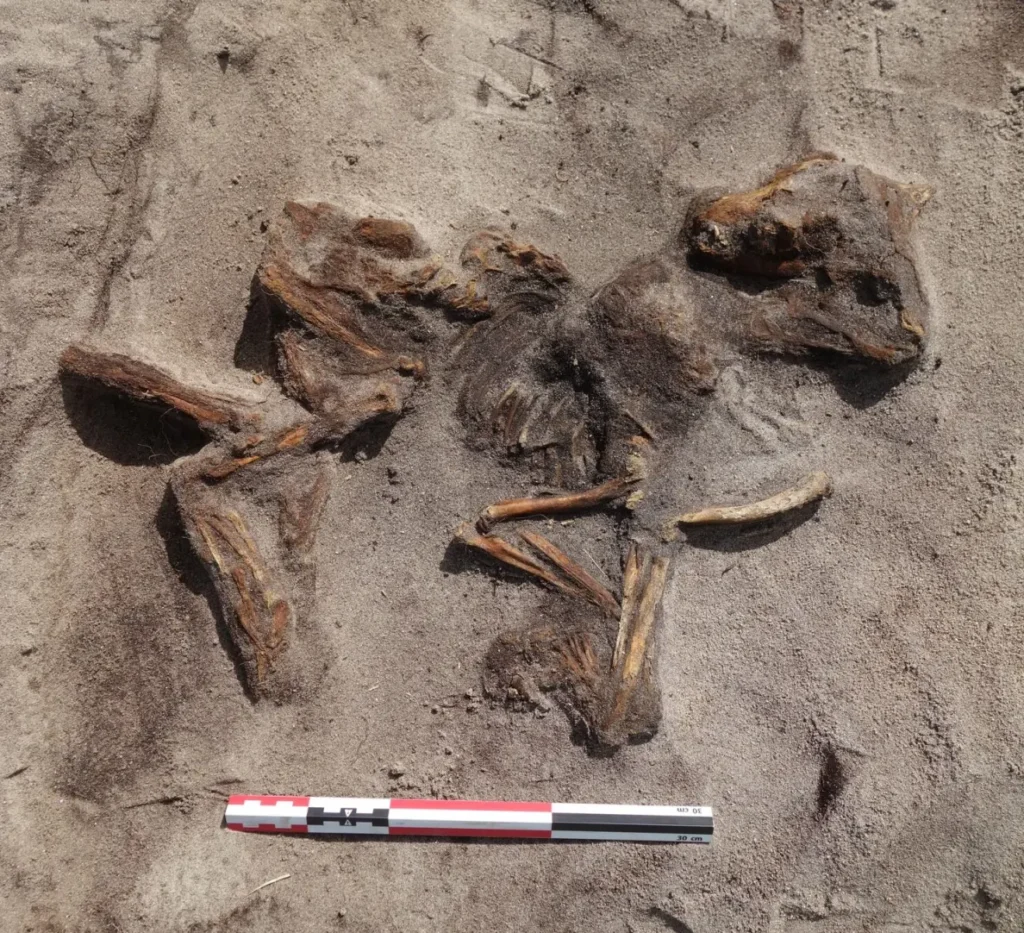
In 2025, two interesting female burials were discovered. The first, discovered at Senja, is a boat burial about 5.4 meters long, containing a woman who was buried with a small dog. Dating to 900-950, the burial confirms the importance of animals and companions reported in the sagas, and the reported practice of burying beloved companions with their owners.
Analysis of the remains has only just begun, and scientists are confident that they will be able to learn much about this woman, such as her origins, diet, and maybe even her cause of death.
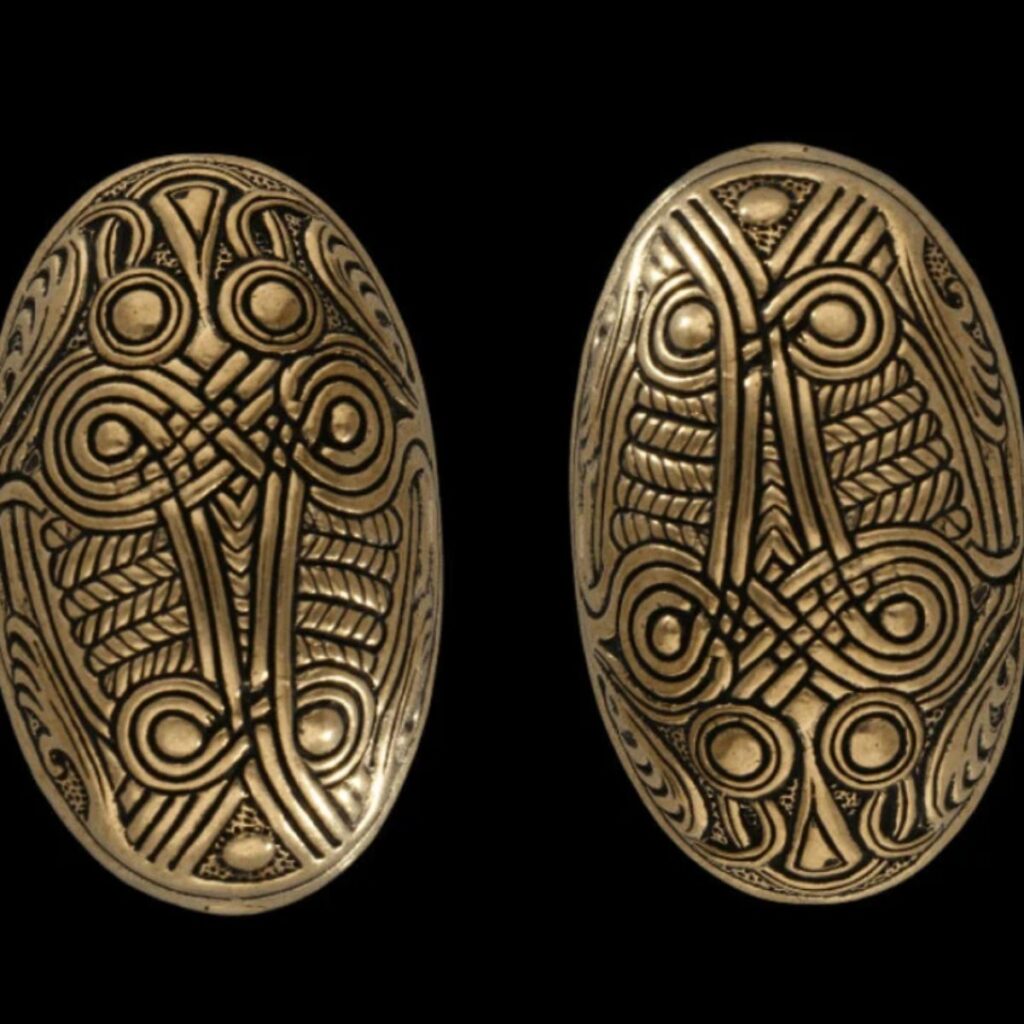
The woman was also found with two oval brooches decorated with silver thread. This points to her high status. Researchers currently believe that only one or two people per generation received boat burials in individual communities.
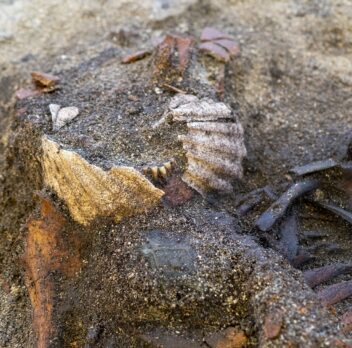
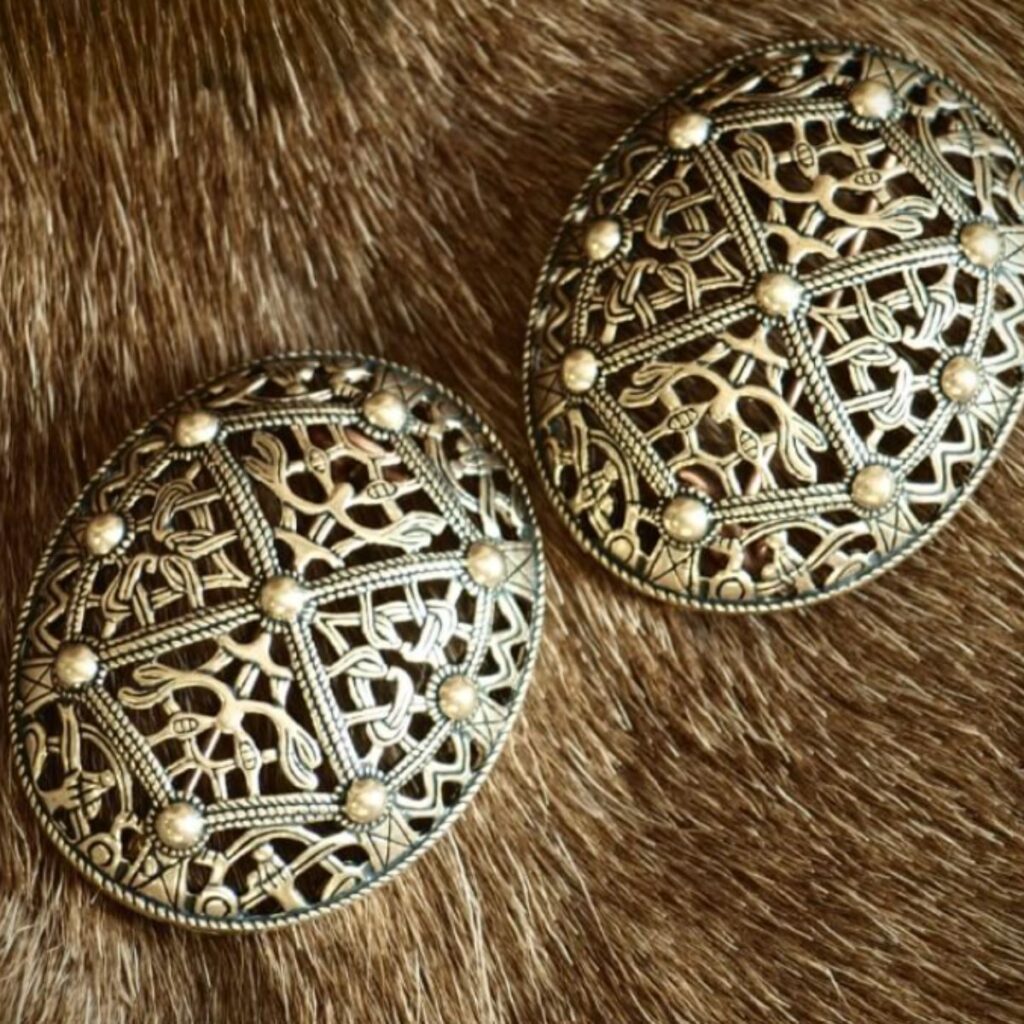
Another female burial was found at Bjugn. A metal detectorist discovered a bowl brooch, which led archaeologists to a woman buried in costume and with jewelry typical of the 800s, including oval brooches.
Unlike the Senja burial, which confirmed many assumptions, the Bjugn burial is a mystery. The woman was buried with two scallop shells placed over her mouth, something unknown in the Viking world. Researchers are now trying to discover what this clearly ritual practice could have meant.
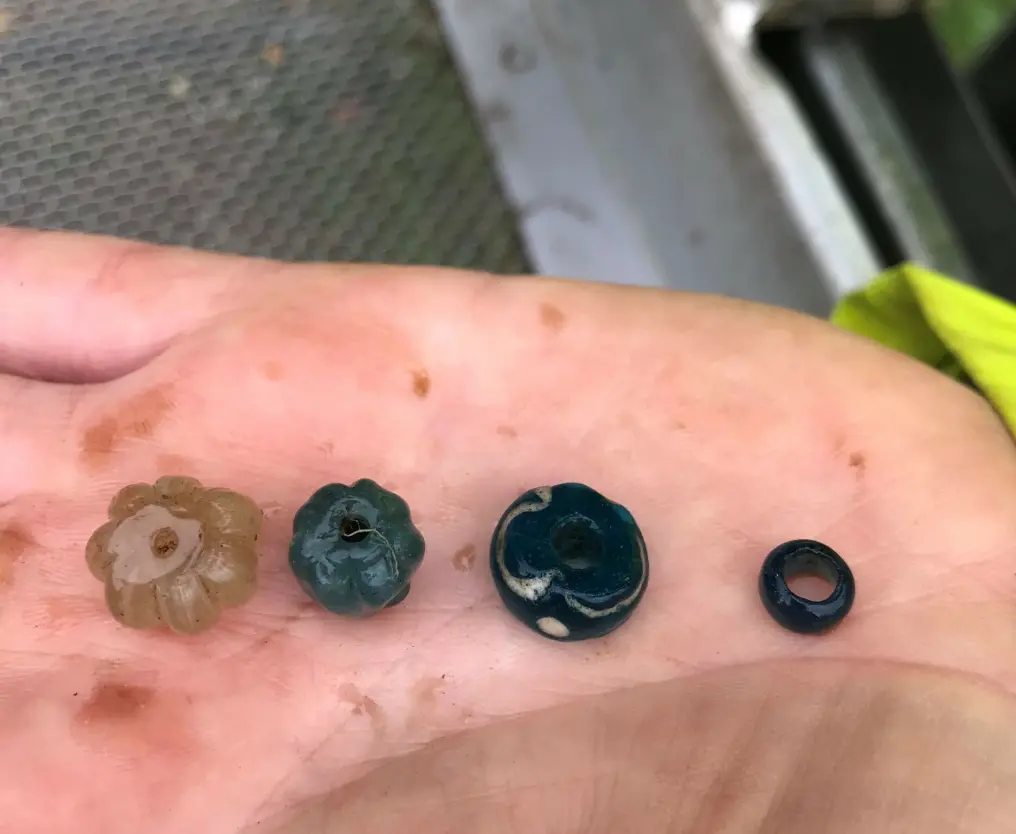
These high-status burials contrast with eight graves, at least three from the Viking Age, discovered at Ortsa. Found under flat ground, rather than elevated mounts, the nature of the grave goods has archaeologists believing that these graves belong to “common people,” even though these are incredibly rare in the archaeological record.
About five years ago, a pagan temple was found nearby, and now researchers are considering the connection between the burial ground and the cult site.
Discover brooches in the VKNG Collection.
Viking Gold and Glass
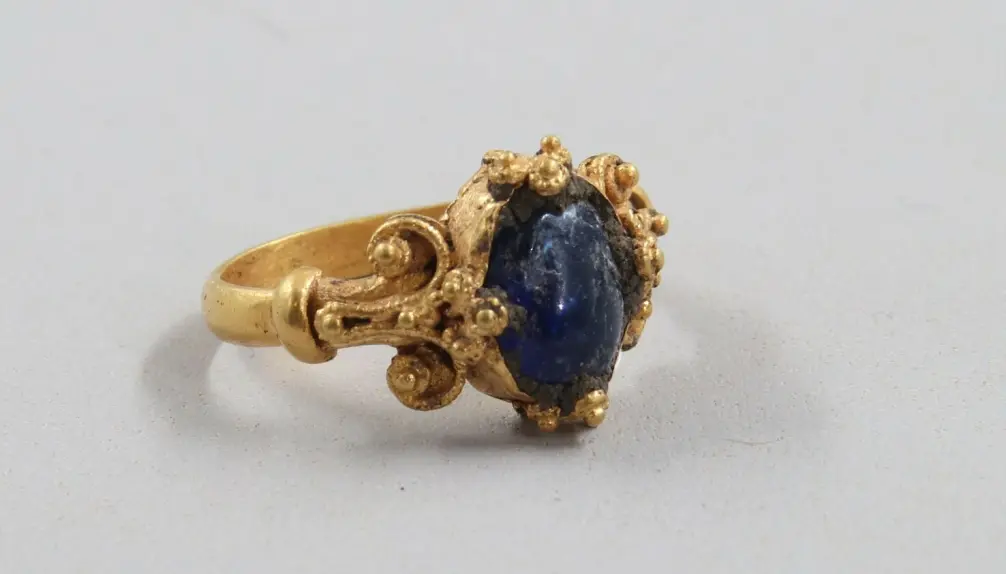
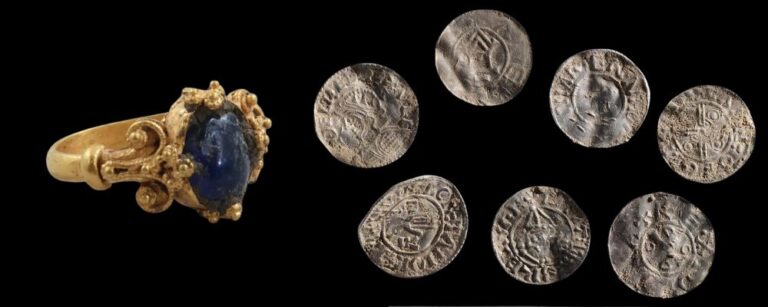
To round out the list, a stunning gold ring dating to between the 10th and 13th centuries was discovered at Tonsberg. It matches a stunning gold design with what looks like a blue stone, but has since been identified as glass.
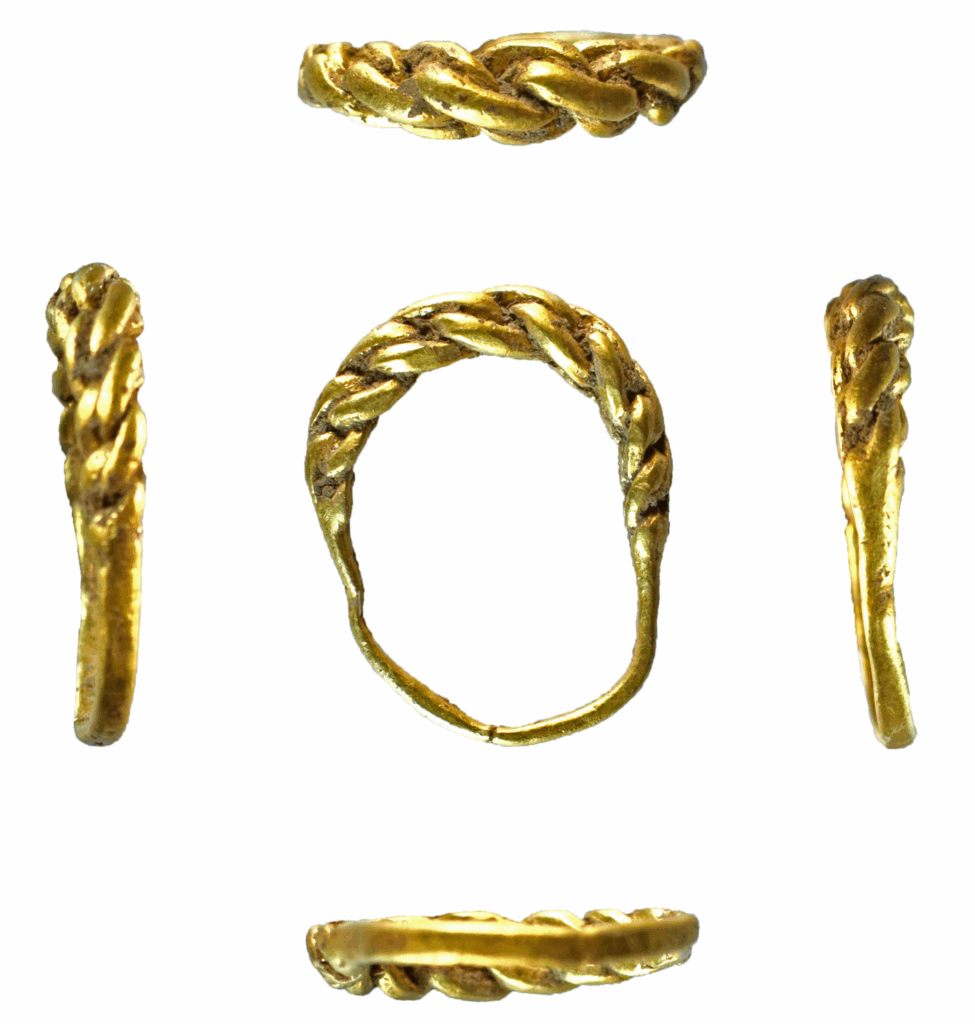
It can be compared with a less fine Viking-style gold ring found in Northampton last year and dating to 900-1000. The design and workmanship on the Norwegian ring are notably finer.
You can find finely made Viking-inspired gold rings in the VKNG collection. Check out some of our top picks below.
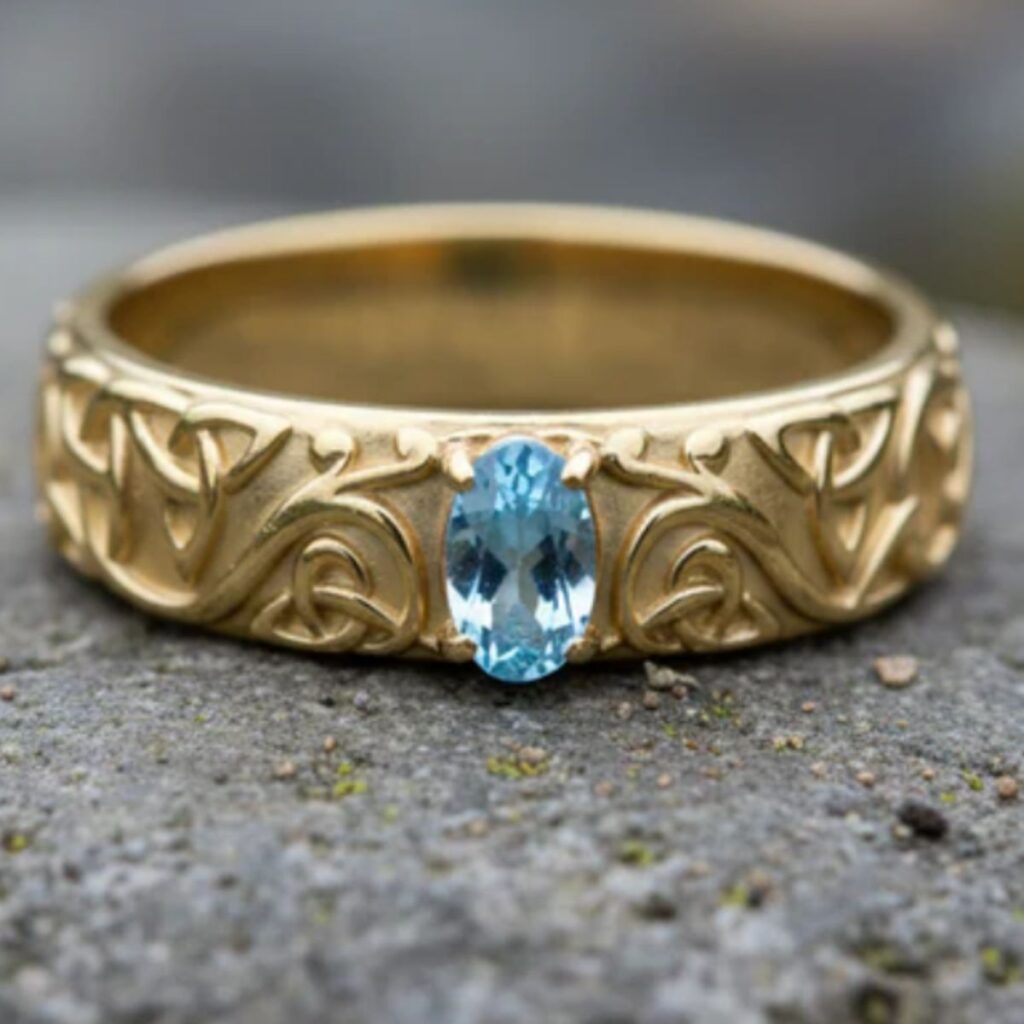
This gold, Viking-style ring featured a sky blue topaz and greatly resembles the ring found at Tonsberg. It is a classic Norse wedding style.
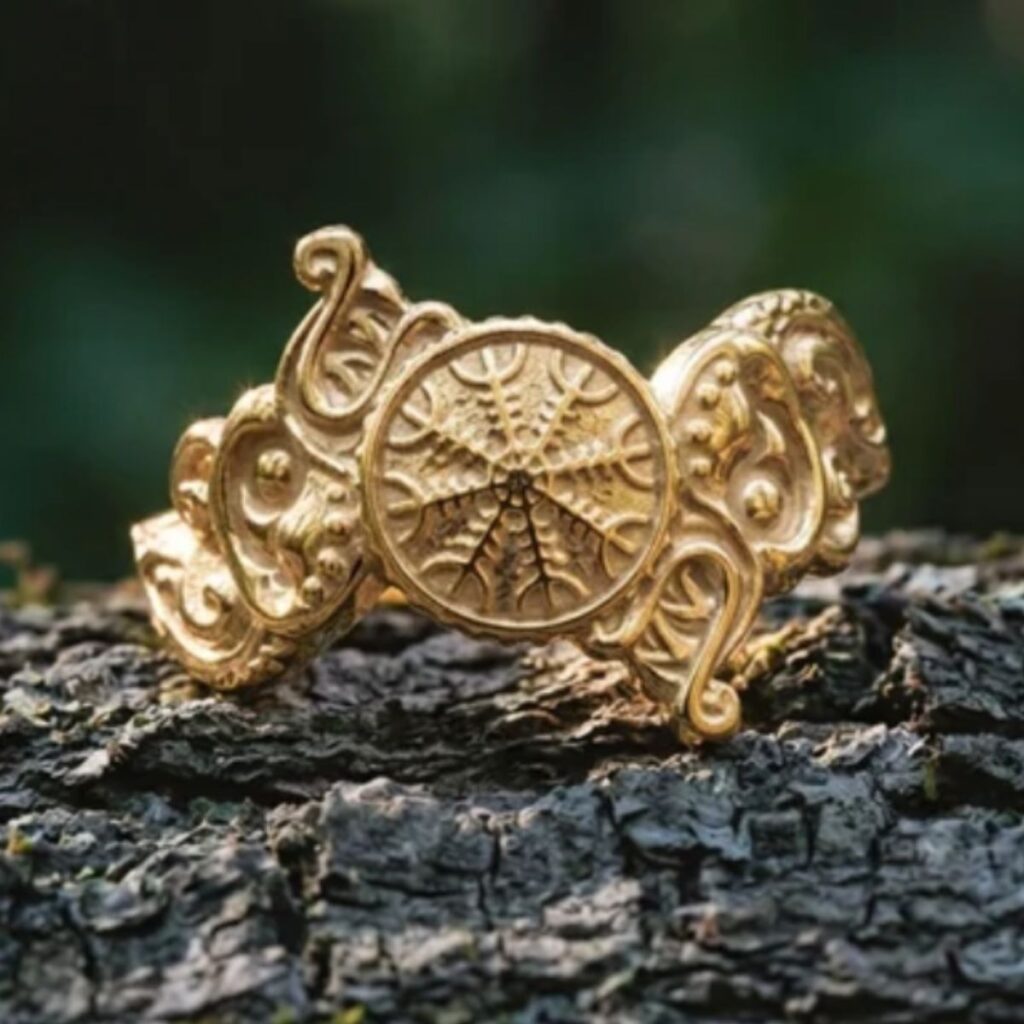
This fine gold ring features Aegishjalmur, or the Helm of Awe, a magical symbol of strength and bravery from the Icelandic grimoires. The setting is formed by dragon heads.
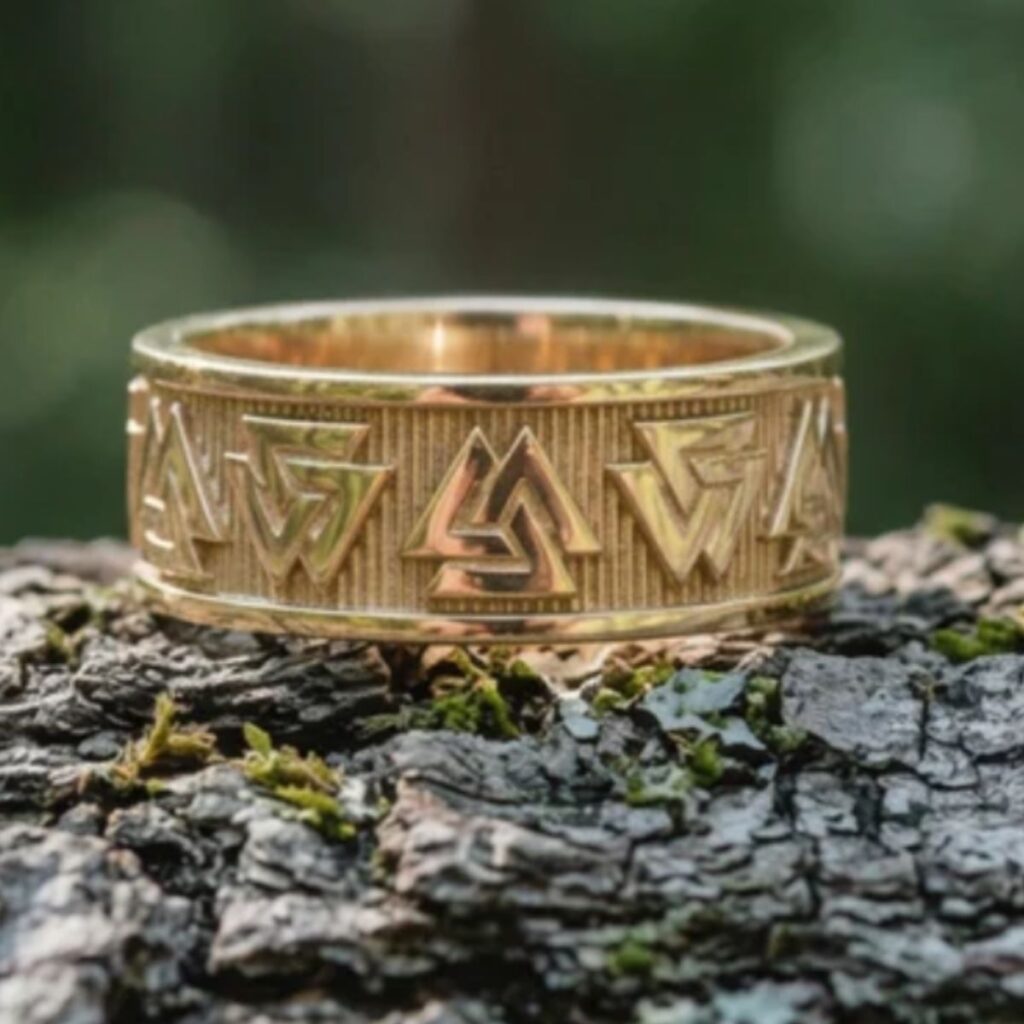
This gold band features the Valknut, the symbol of Valhalla, Odin’s afterlife for the bravest fallen warriors.
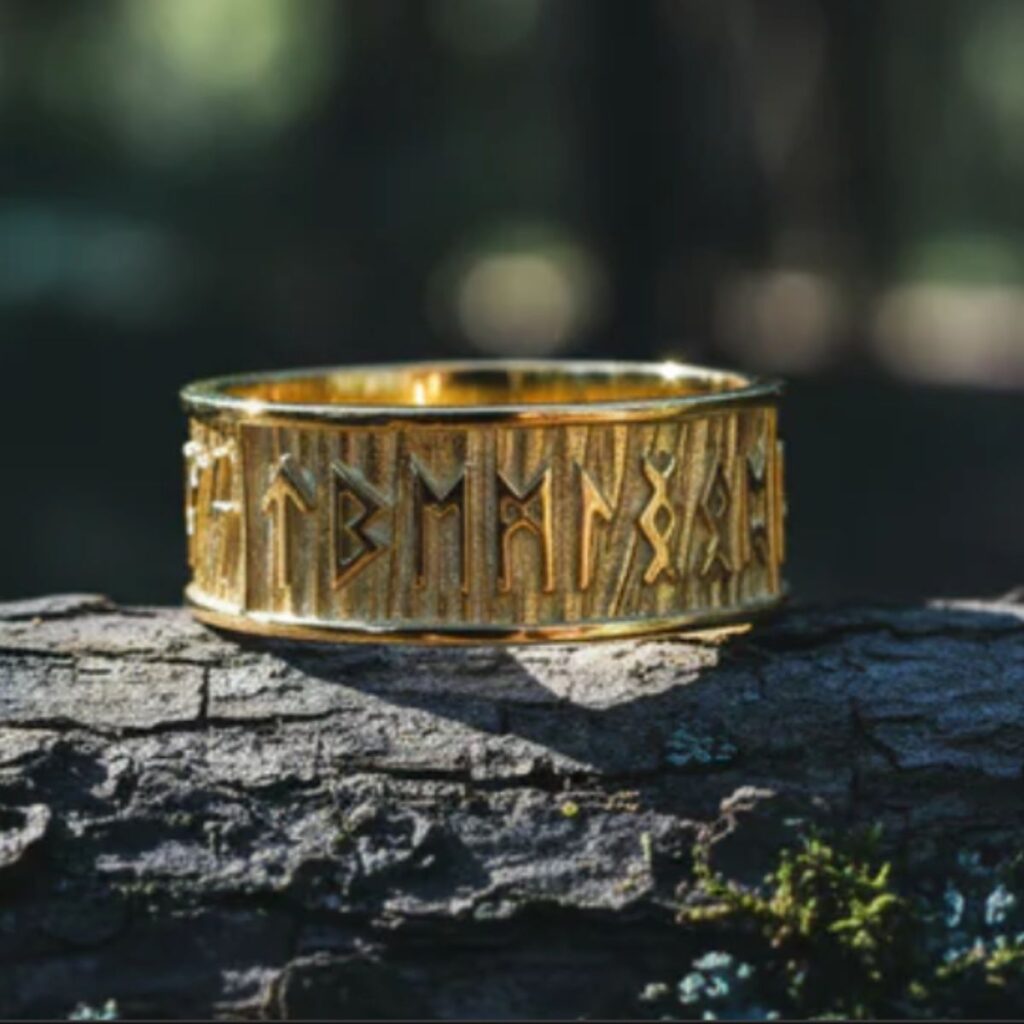
This traditional gold band is designed to reflect the bark of the world tree Yggdrasil, inscribed with the Viking runes. The Norns, the Norse Fates, wrote destiny into the bark of Yggdrasil with the runes.