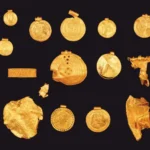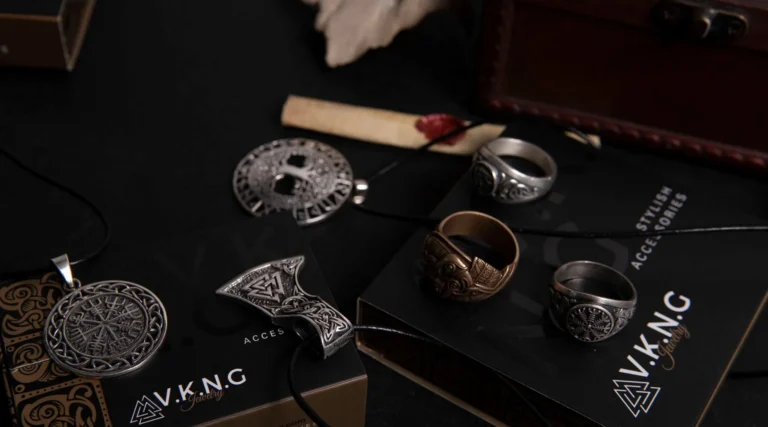
Viking jewelry has always been more than simple ornamentation. In Norse culture, arm rings, Mjolnir pendants, and intricate brooches served as symbols of status, spiritual protection, and sacred oaths.
Today, VKNG Jewelry continues this tradition by blending ancient historical inspiration with modern artisan techniques.
We have recently relocated to a dedicated workshop in Paris, where our artisans work exclusively on products for VKNG. This is allowing us to bring handcrafted Norse artistry to a new level, bridging centuries-old smithing traditions with refined contemporary craftsmanship.
Discover exactly how jewelry is made in the VKNG workshop.
Craftsmanship at VKNG: Handcrafted in Paris
Every piece created at VKNG is built with physical intention and reverence for Norse heritage. Rather than relying on mass factory production, our approach emphasizes true artisanal creation.
Our pieces are made with three core principles in mind.
Raw Materials to Finished Art: Each piece begins as raw metals, such as 925 sterling silver, fine 10K/14K/18K gold, solid brass, and bronze. Artisans cut, shape, and fire the materials by hand.
Intention at Every Stage: From the initial metalwork and casting to hand-polishing and final inspection, every step is touched by skilled artisans in the dedicated Paris workshop.
Symbolic Precision: Historical Norse symbols such as Mjölnir (Thor’s Hammer), Aegishjalmur (The Helm of Awe), Vegvisir (The Runic Compass), and intricate Borre- or Urnes-style knotwork are carefully carved and rendered to maintain authentic symbolism and aesthetic weight.
The actual design process starts with Design and Research. We look at genuine jewelry from the Viking Age in museums or recently discovered, plus Norse art more generally, and we research the meaning behind the symbols we choose. This leads to initial sketches, and then 3D designs.
Once we have the 3D design, one of our artisans creates a Wax Model by hand. This creates the base for Lost-Wax Casting by pouring high-quality molten metal into a ceramic mold.
When the metal is set, it’s about Finish and Polish, which is all done by hand. Hand-filing, sanding, and polishing by a master craftsman. Pieces are then individually inspected for Quality before Worldwide Delivery.
Not every single piece in the VKNG store is made in our workshop, as we also work with partners, and we always make this clear as part of the product listing. We partner with small, independent studios and workshops, not factories. We choose our partners carefully, and every partner follows the same quality standards that we do.
How Jewelry Was Made by Viking Age Blacksmiths and Silversmiths
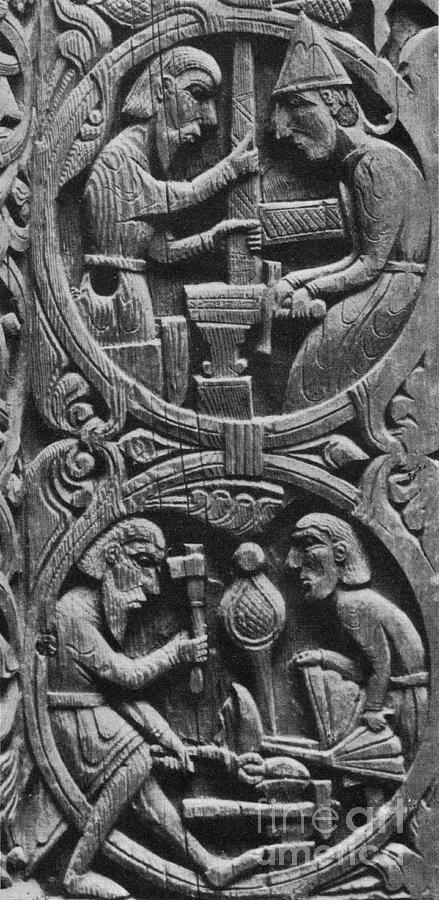
To appreciate modern Norse jewelry, it helps to understand how original Viking artisans created these pieces over a thousand years ago. Viking metalworkers were highly respected members of society, working out of dedicated smithies equipped with hearths, hand-bellows, and stone anvils.
They used a number of different techniques. This included Lost-Wax Casting, which involved carving master patterns in beeswax, which were then encased in clay molds. The wax was then melted out and molten metal, usually silver, poured into the mold.
Pieces were also made using Metalworking and Hammering techniques. Ingots of metal were hammered out on iron or stone anvils. These thin pieces were often twisted into arm rings.
The Vikings also transformed finished products acquired from other parts of the world into distinctively Viking jewelry. Coins, from the former Roman Empire and from the Islamic East, were often turned into pendants.
What Types of Jewelry Did the Vikings Wear?
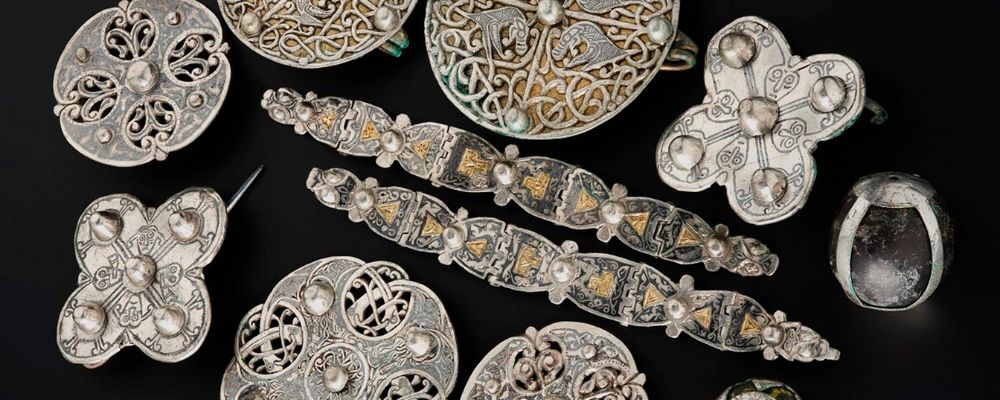
What jewelry pieces were popular in the Viking Age? First and foremost, most jewelry was made of silver, which was the basis of the Norse economy. This marked a change from the earlier Vendel era, when Norse jewelry was primarily made from gold.
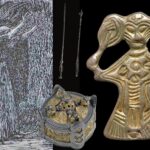
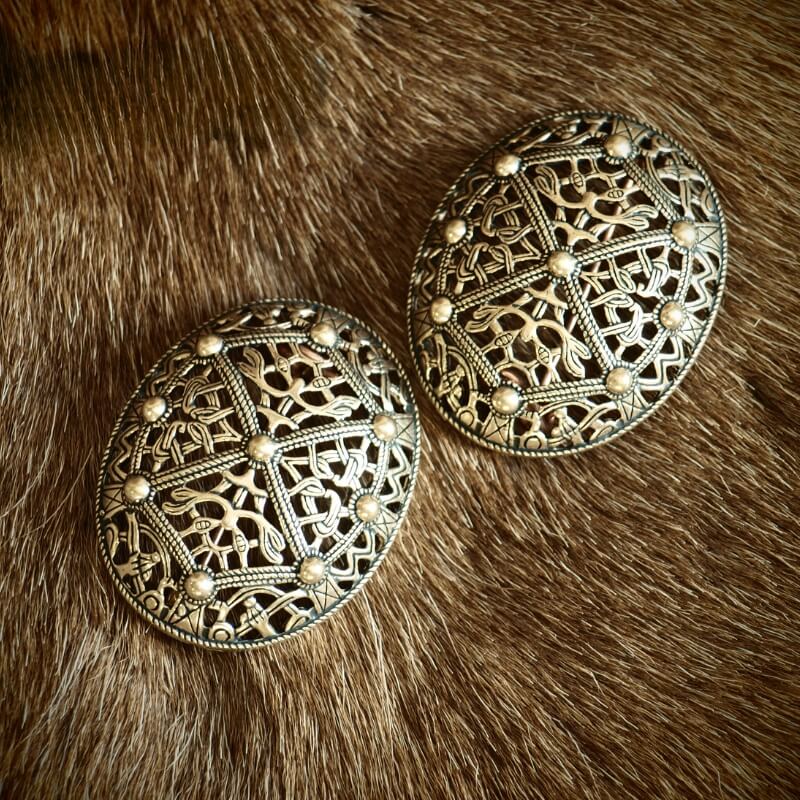
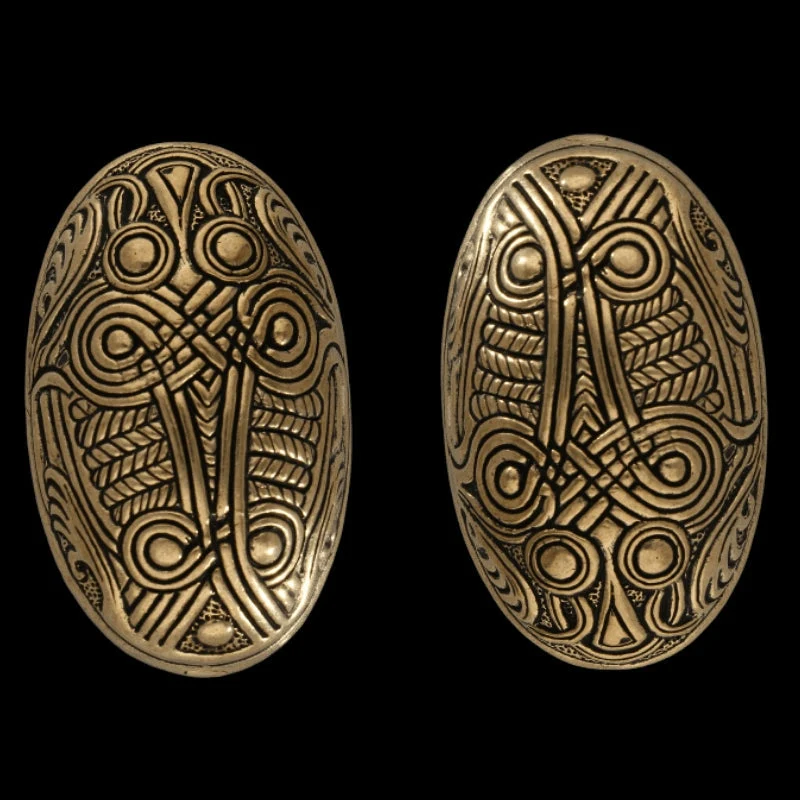
Brooches and fibulae were universally worn by both men and women because they were functional pieces used to secure clothing before the age of elastic and zippers. Oval or tortoise brooches were distinct shell-like brooches, almost always in pairs and exclusively worn by women to fasten apron dresses. Disc and trefoil brooches were smaller, round or three-lobed brooches that were used to fasten cloaks. Penannular ring brooches with a log pin were used by men to fasten heavy woolen cloaks at the shoulder.
Discover Norse-style brooches in the VKNG Collection.
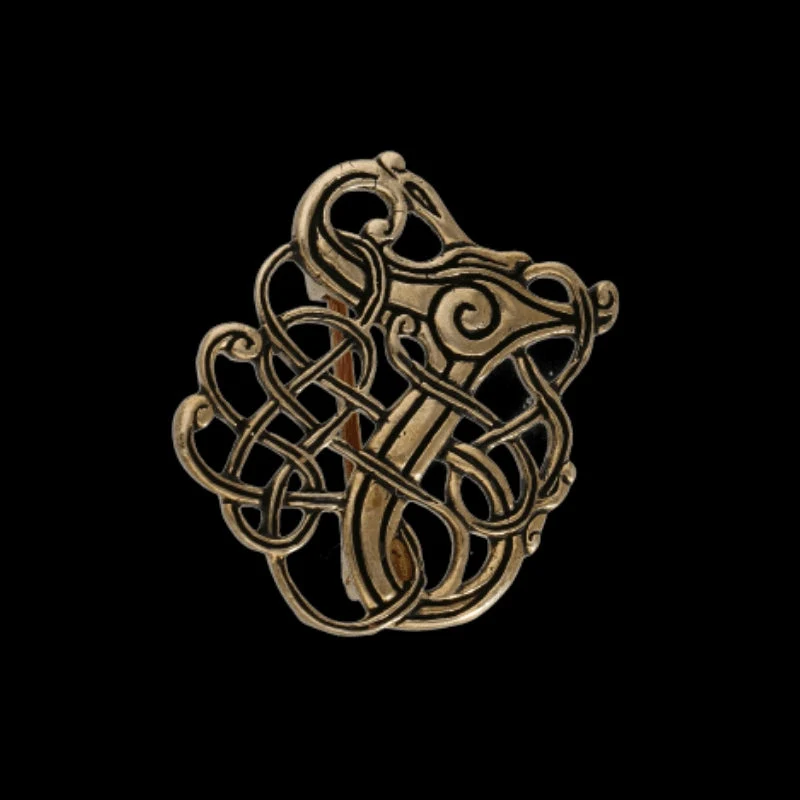
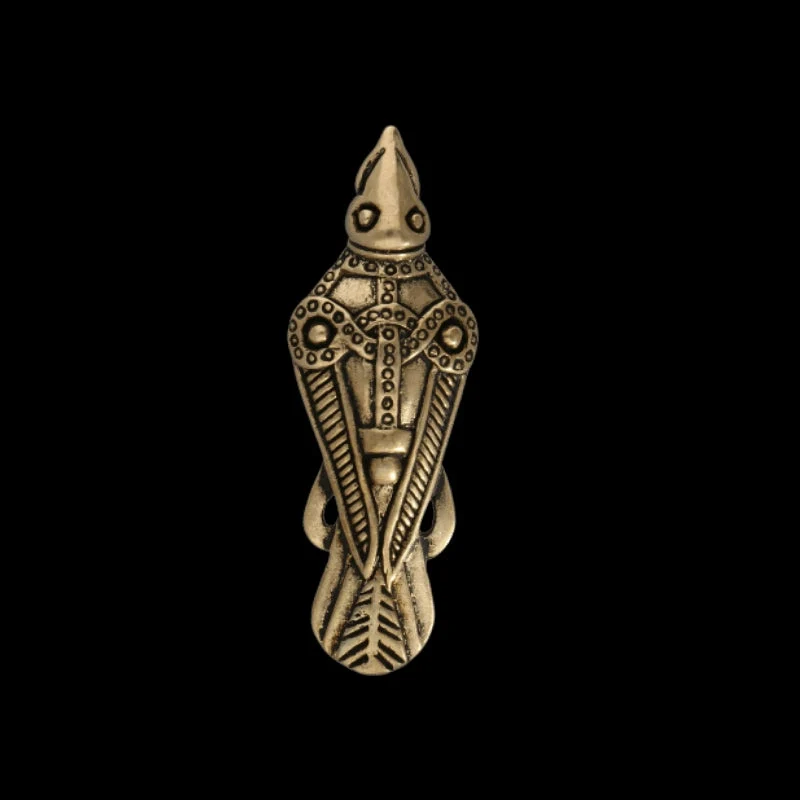
Arm rings were more than just jewelry; they were part of the fabric of Norse society. Chiefs and kings were often praised in poetry as “ring givers” because they gifted arm rings to reward loyal followers. Oaths were frequently sworn on sacred arm rings and dedicated to gods like Ullr. They were also used as currency, with chunks hacked off silver arm rings to act as bullion.
Discover arm rings in the VKNG collection.
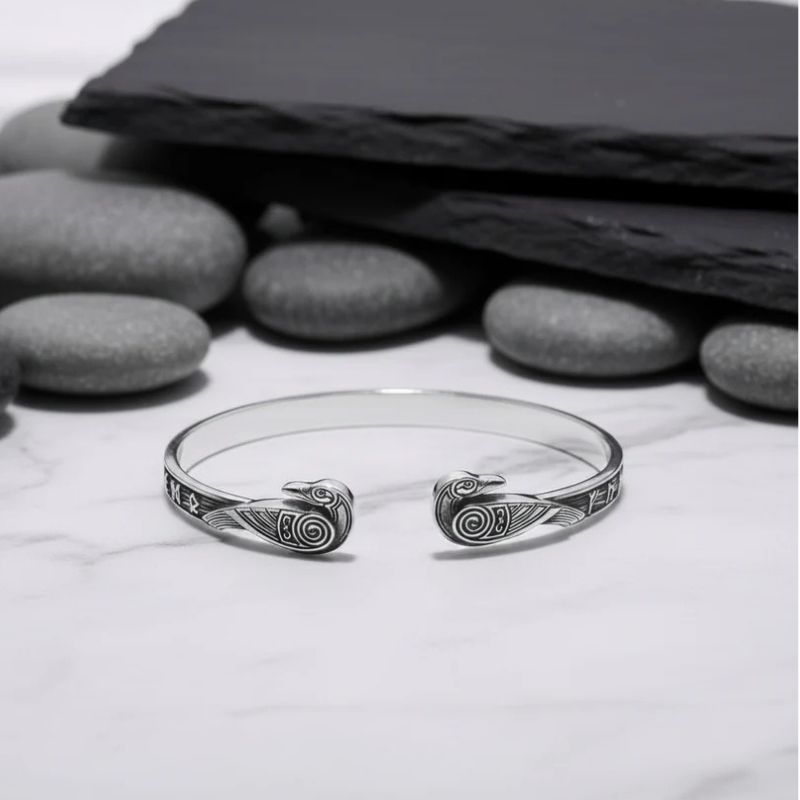
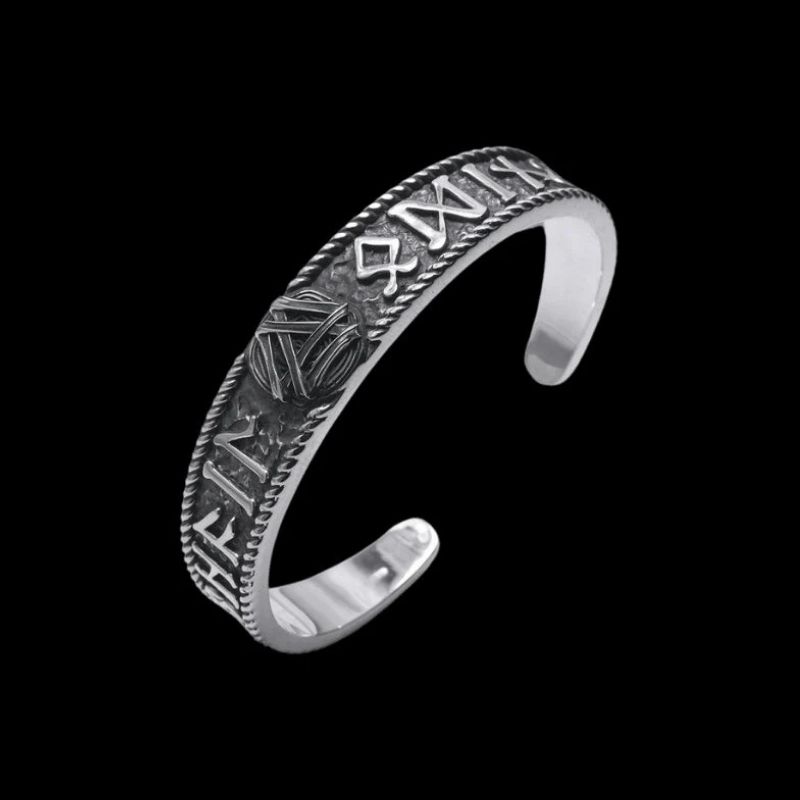
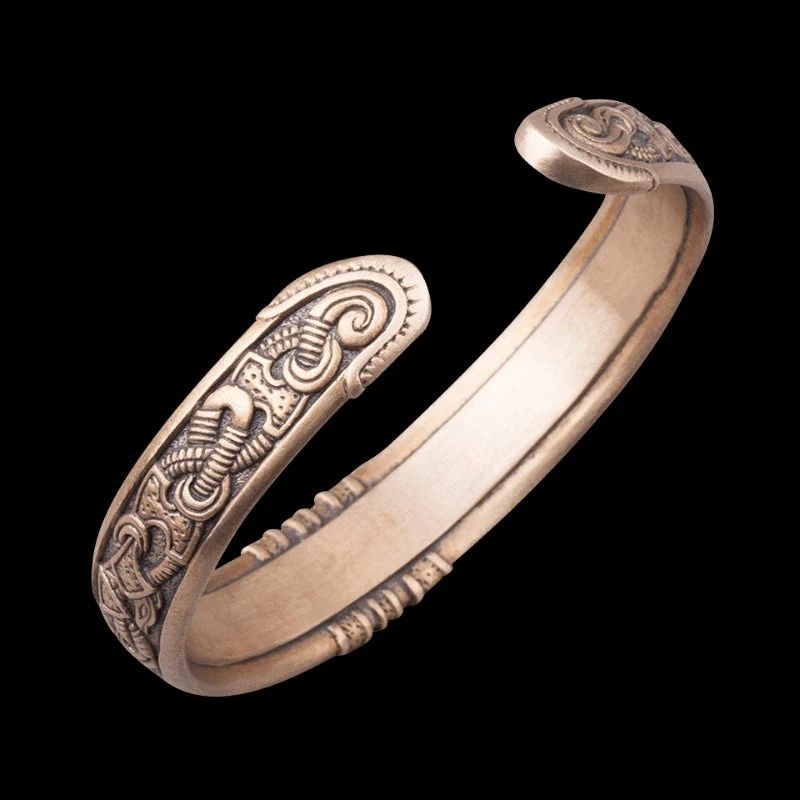
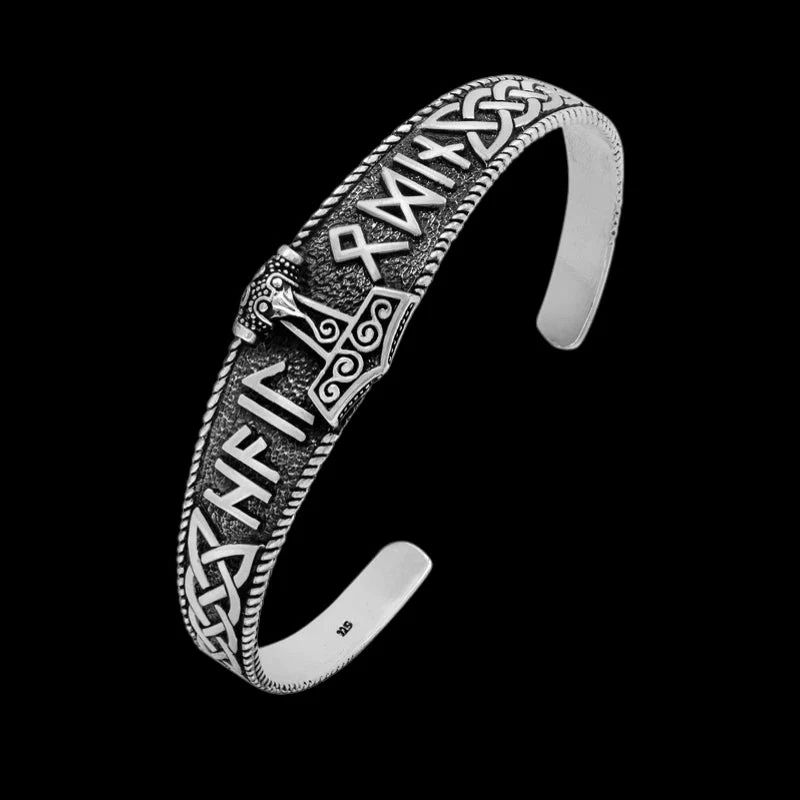
Torques or neck rings, more commonly associated with the Celts, were also worn by Viking chiefs as symbols of their rank.
Women often wore vibrant strands of glass and amber beads strung between their shoulder brooches.
Pendants were worn on leather cords or metal chains. The most common pendant was a Thor’s Hammer symbol, which represented the protection of the gods. Coins were also made into pendants, and images of animals, especially wolves, birds, and serpents, were common.
Discover Mjolnir pendants in the VKNG Collection.


Finger rings were uncommon until about the 10th century. While toe rings were rare, one Volva (witch) burial included a toe ring.
While the Vikings knew about earrings from their contact with the east, they just don’t seem to have worn them.
Custom Jewelry: Bespoke Norse Creations
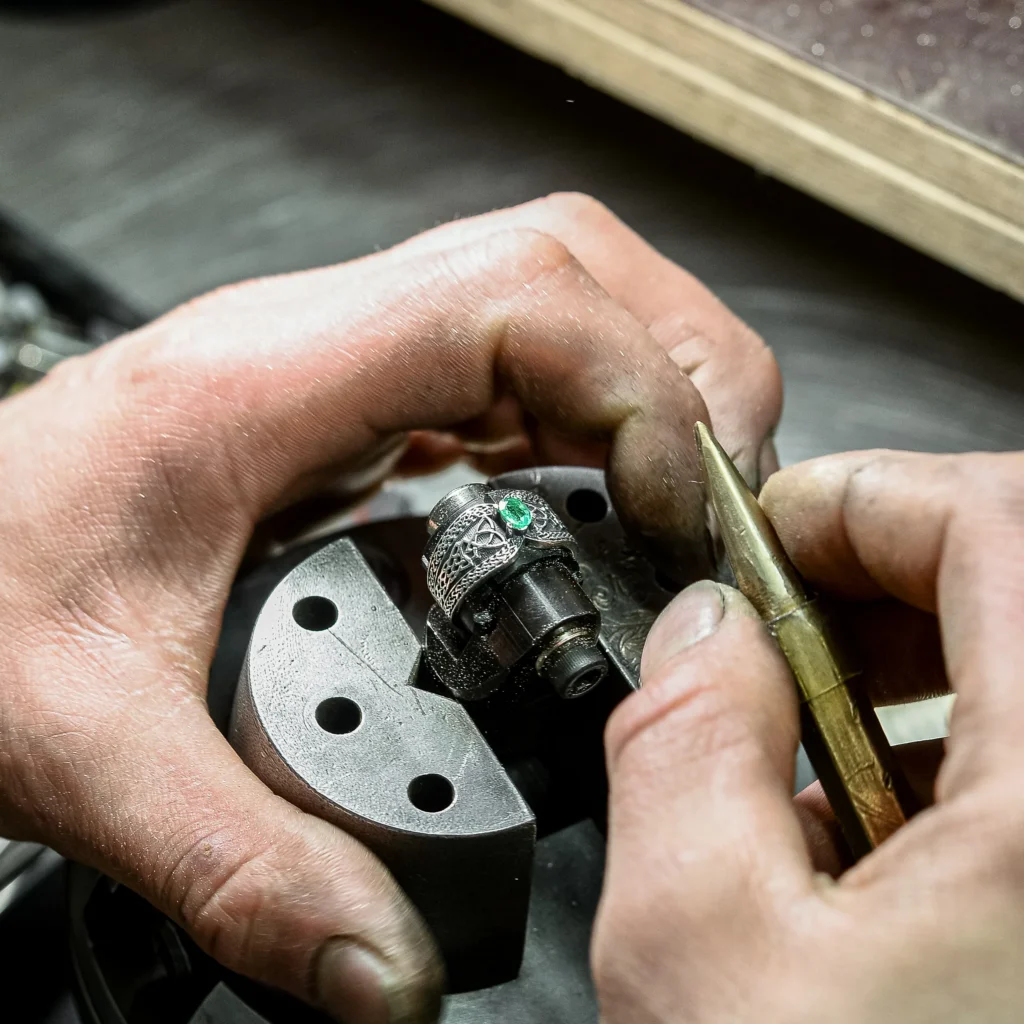
If you want a personal piece with unique spiritual or symbolic significance, VKNG offers custom jewelry services created directly in their Paris workshop.
How exactly is your custom piece made?
The conversation. You tell us what the piece should mean, not just how it should look.
The sketch. We draw your design and revise it until it is right.
The deposit. A 50% deposit confirms your order and starts production.
The 3D model. You approve the exact form before we cast a single gram.
The making. Your piece is crafted in our Paris workshop, in the metal you chose.
The delivery. You receive photographs of the finished piece before it ships to you.
We stay in direct contact with you through every step.
Choose a One-of-a-Kind piece that is created once for you and never reproduced for anyone else. You can expect to pay around $400 for pieces in silver and $1,000 for gold.
Alternatively, choose a Signature Design that is made according to your specifications, but that we can also offer to other clients. Expect to pay around $300 for silver pieces and $500 for gold.