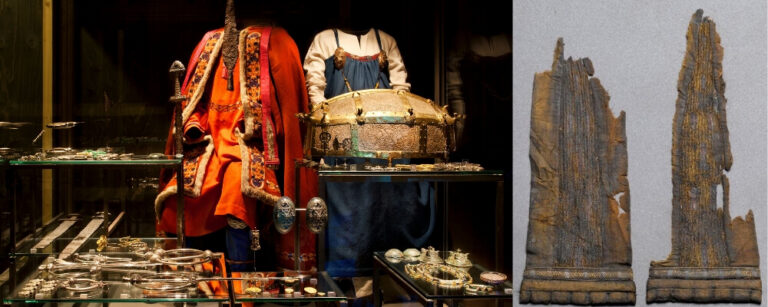
A newly discovered grave in Western Jutland, Denmark, from the 8th century preserves some rare Viking textiles that help us better understand what the Vikings wore. Learn more about the discovery and what we already know about Viking clothing.
The Jutland Discovery

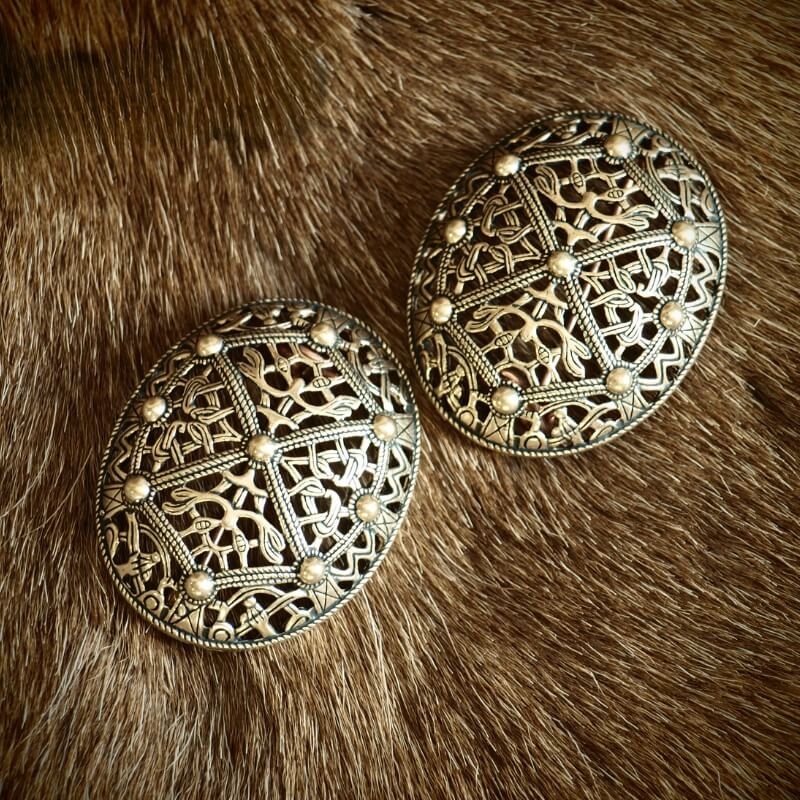
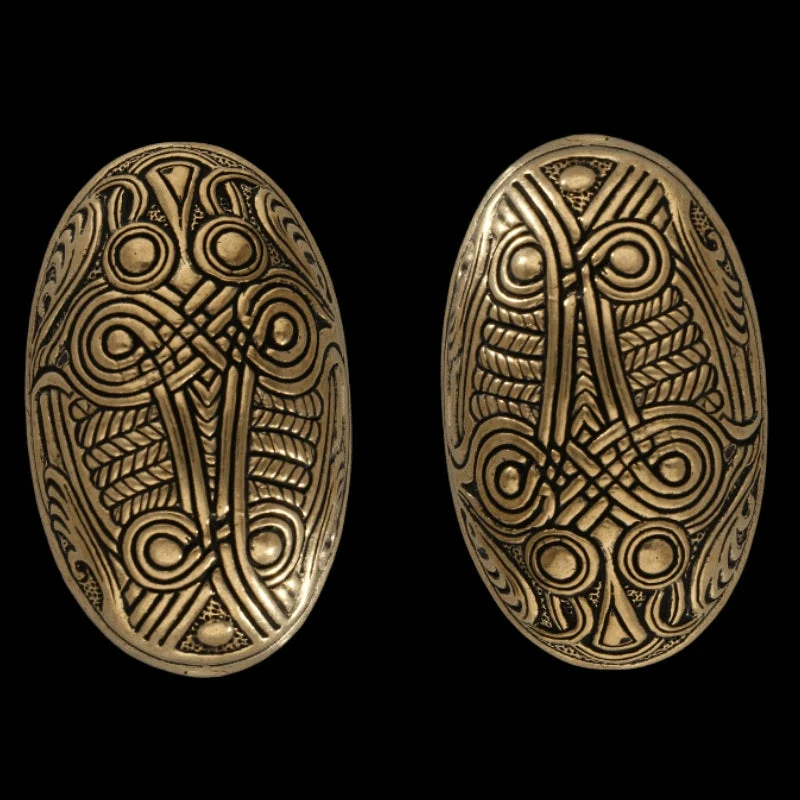
It is surprising that both skeletal remains and fragile organic textiles survive, as the soil of Jutland is highly acidic. But this young woman’s clothing survives thanks to her jewelry. She was buried wearing two conclave oval fibulae, scoop brooches, used to fasten an apron dress at the shoulder. Corrosion of the bronze or silver produced metallic salts that acted as preservatives and kept the fabric fibers from decomposing.
This find is giving archaeologists the unique opportunity to study two layers of Viking clothing: the undergarments in contact with the skin and the outer layer.
The study is just beginning, and the area of the tomb with the jewelry and organic remains was removed in a soil block for examination in laboratory conditions. The material will undergo chromatic analysis to identify the dyes used, and it is hoped the remains will reveal sewing techniques and more about the overall structure of common Viking garments.
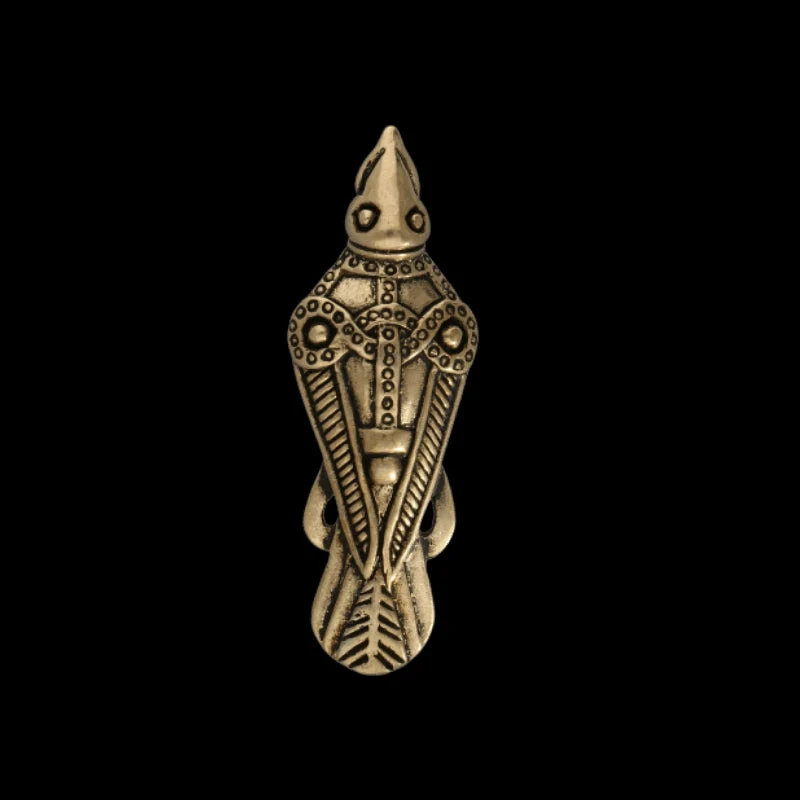
Discover Norse-style brooches in the VKNG Collection.
What Did Viking Men Wear?
We have an idea of what Viking men and women wore from other fascinating archaeological finds like this recent one in Jutland.
Viking men typically wore trousers, a shirt, and an over tunic. They layered clothing to protect themselves from the cold.
Shorts and Tunics
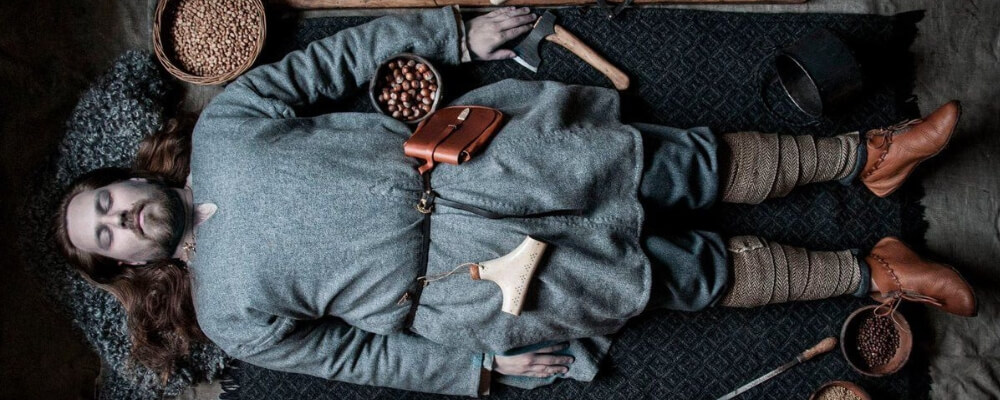
Undershirts were typically made from linen, which would have been the most comfortable option for the clothing layer against the skin. A surviving example from Viborg was made with two layers of linen. It had a square neck opening with a flap that was secured with cords and loops.
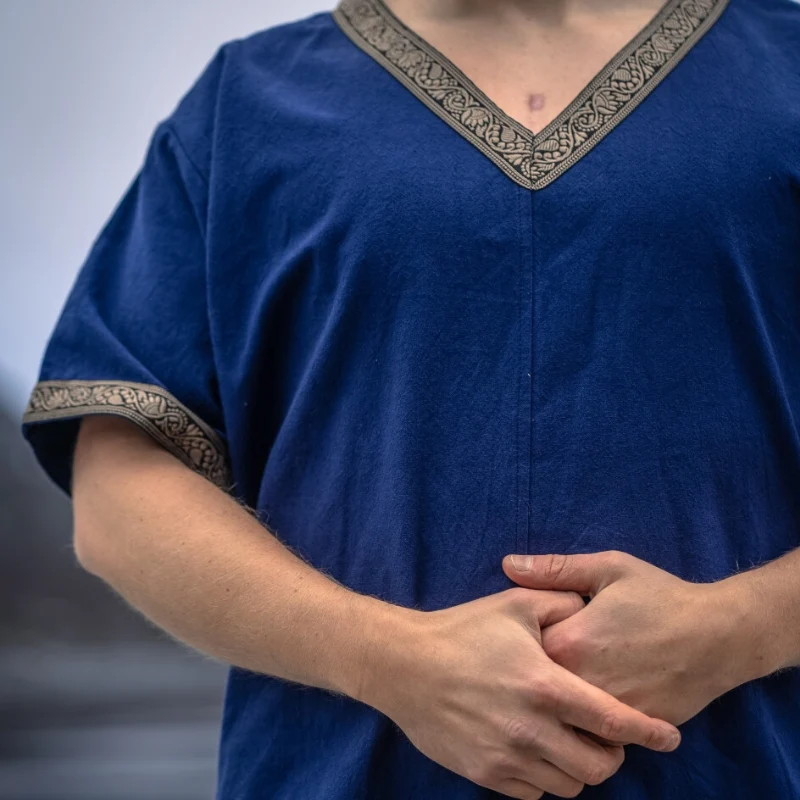
The overtunic, called a kyrtill, was usually made from wool and could have long or short sleeves, probably depending on the weather. Tunics fell down to the knees and were put on overhead and did not have fastenings. They might feature a small split to expand the neck opening, which was usually closed simply, for example, with a bead and thread loop.
This was the most prominent piece of clothing that a man wore, and was usually dyed to be colorful and may have been decorated. Some material fragments show signs of decoration, but not enough survives to allow for reconstruction.
Trousers
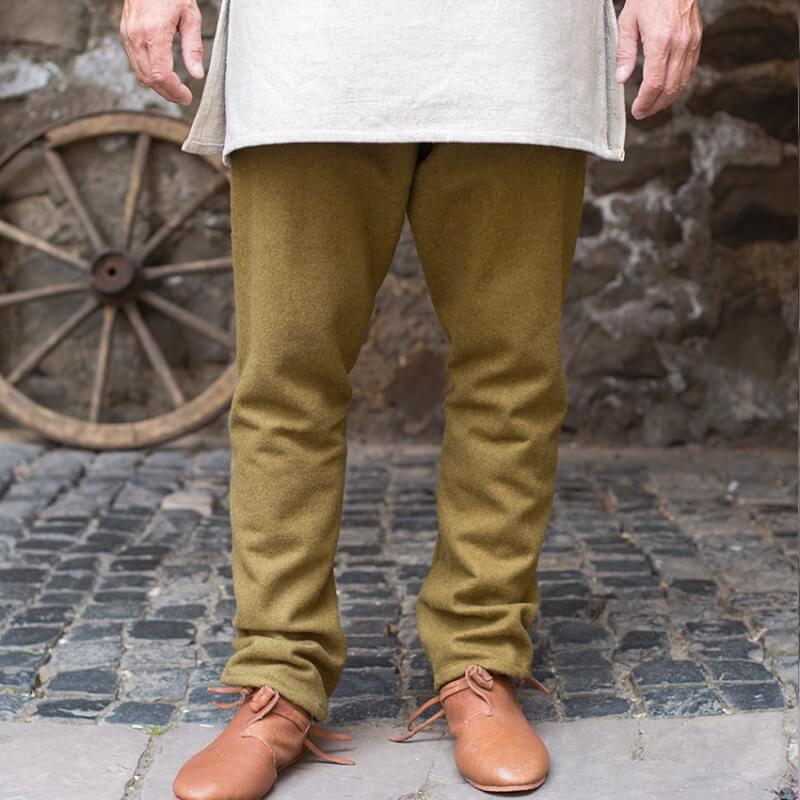
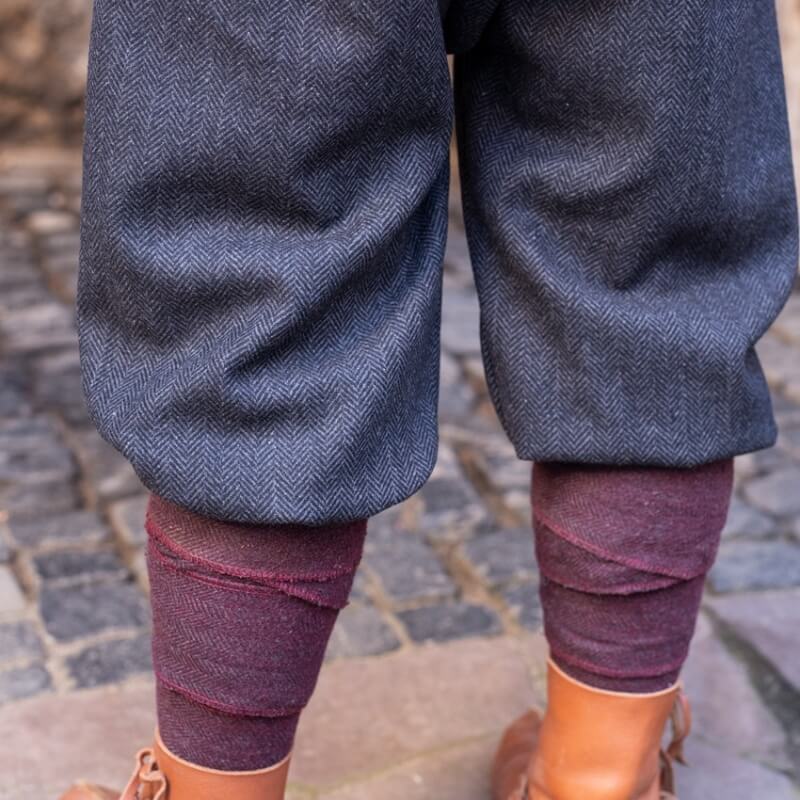
Trousers were made from linen or wool. They were secured with a simple drawstring waistband. Examples of both short and long trousers survive. But if a man wore short trousers, he used hose to cover the rest of his legs. These were made from two long pieces of cloth, usually wool, that were wrapped around the exposed leg from knee to ankle.
Belts
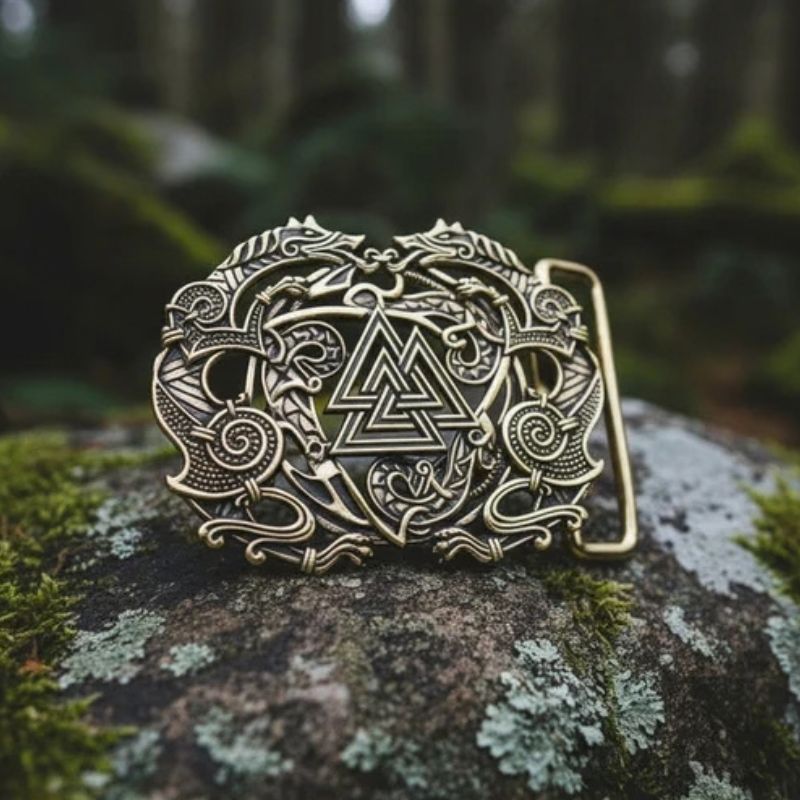
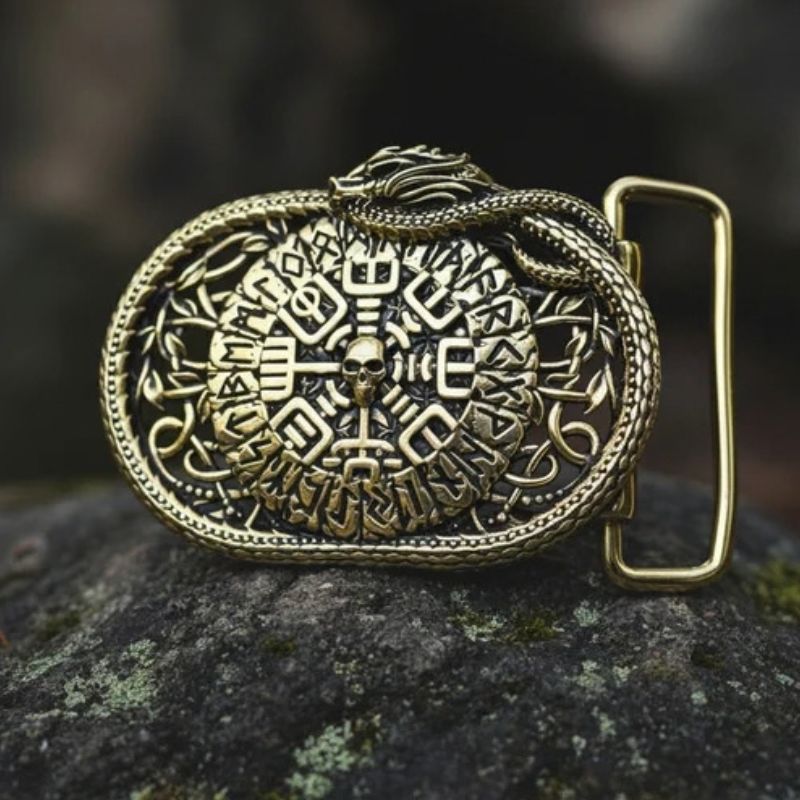
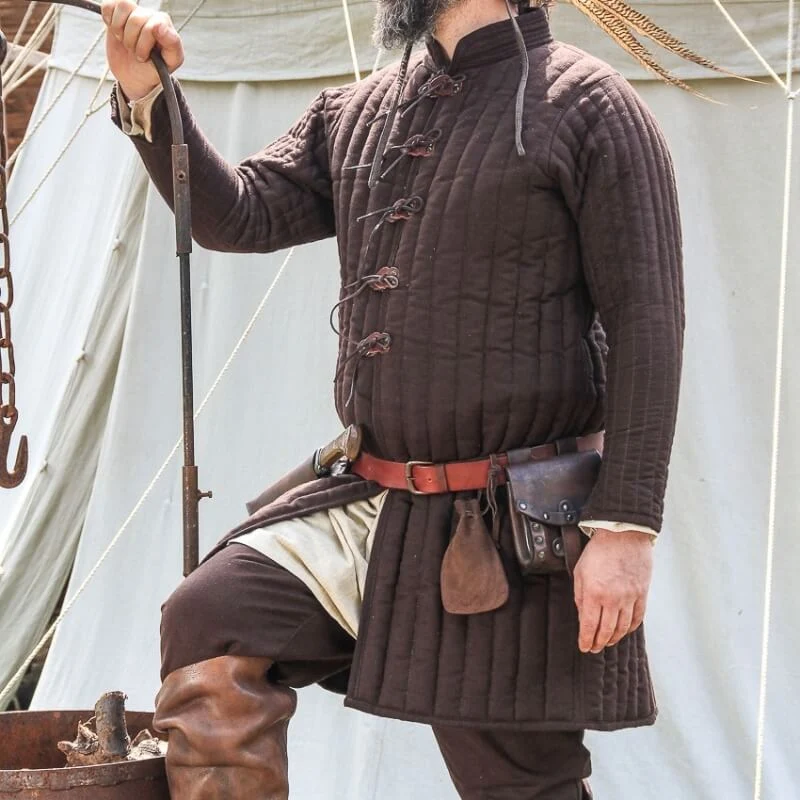
The Vikings wore belts, but over the top of the tunics rather than to keep their trousers up. Secured with a bronze buckle, belts were used to secure knives, other tools, and small pouches.
Belts were made from leather and usually relatively thin, only about 2 centimeters wide. Warriors would also sometimes wear another leather strap over one shoulder to secure larger weapons such as a sword.
Discover bronze Viking-style belt buckles in the VKNG Collection.


Cloaks and Caps
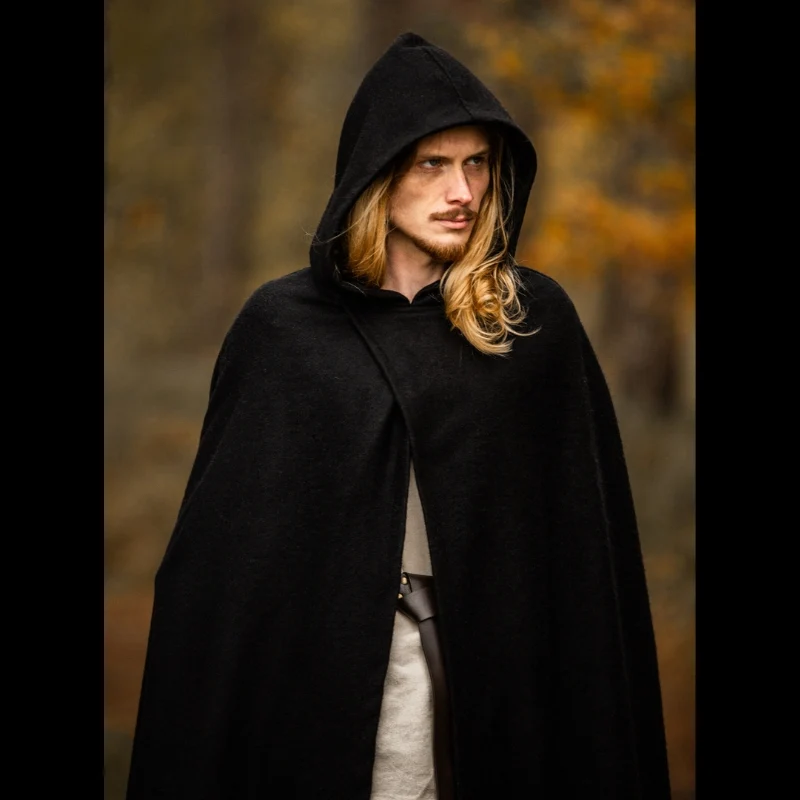
When temperatures fell, men would also wear a woolen cloak to keep warm. They had a simple rectangular design, and it was often brightly colored (no camouflage). It was fastened at the right shoulder with ties of a brooch. This allowed them to conceal what he was carrying but keep his right arm free to draw a weapon.
The Vikings also often wore caps made of wool, sheepskin, or leather, typically made in the Phrygian style with triangular pieces of fabric sewn together. Some had ear flaps for extra warmth.
According to the Grágás, a medieval Icelandic lawbook, there were severe penalties for pulling the cap off another man’s head. If the hat had no chin strap, the penalty was a fine. If the hat had a chin strap and was pulled forward, the perpetrator could be banished. If the hat had a chin strap and was pulled backward off another man’s head, the victim had the right to kill their assailant in retaliation.
Underwear
While the very poor probably did not use underwear, the sagas suggest that wealthier Vikings also wore underwear, though no examples survive. But in the Fljótsdaela saga one hero is described leading his tent at night wearing only his tunic and underpants. In another saga, Gisliis described walking at night in nothing but his shirt and linen underpants.
Shoes
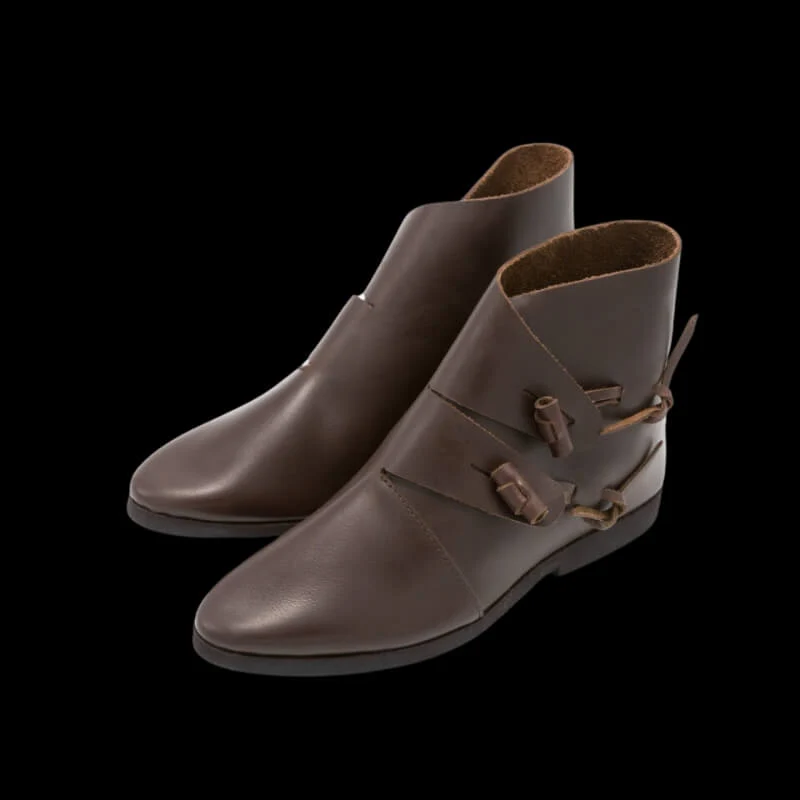
Viking shoes were made from goatskin or calfskin. Many survive from Viking York and show considerable variation in style. Viking boots were rarely higher than ankle length, and were often closed with stitching on the inside, which probably made the shoes more durable. Some evidence survives of heeled Viking boots, but these were probably worn by merchants and the wealthy, rather than your average Viking. Shoes were secured with either laces that wrapped around the ankles or buttons. Men’s and women’s shoes appear to have been very similar.
What Did Viking Women Wear?
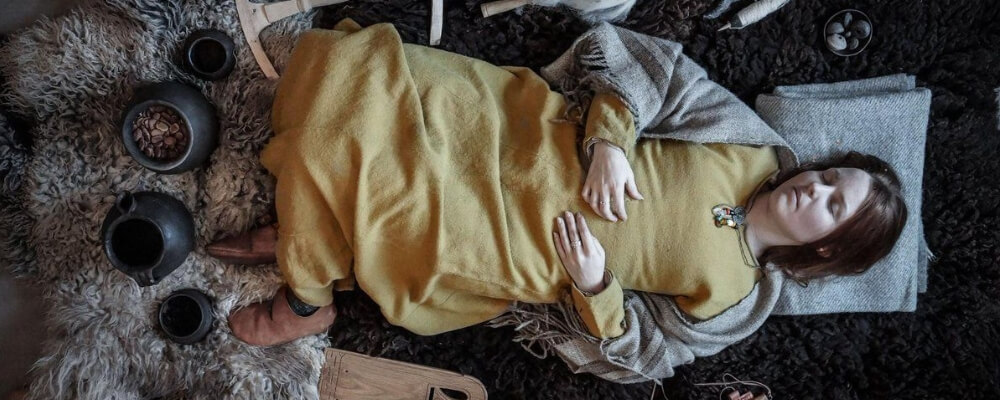
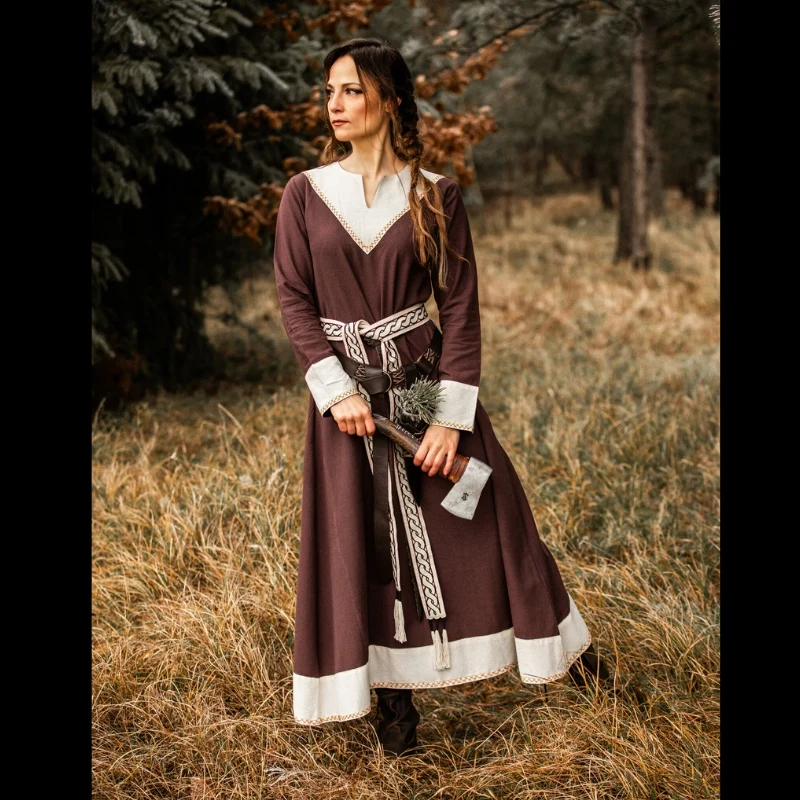
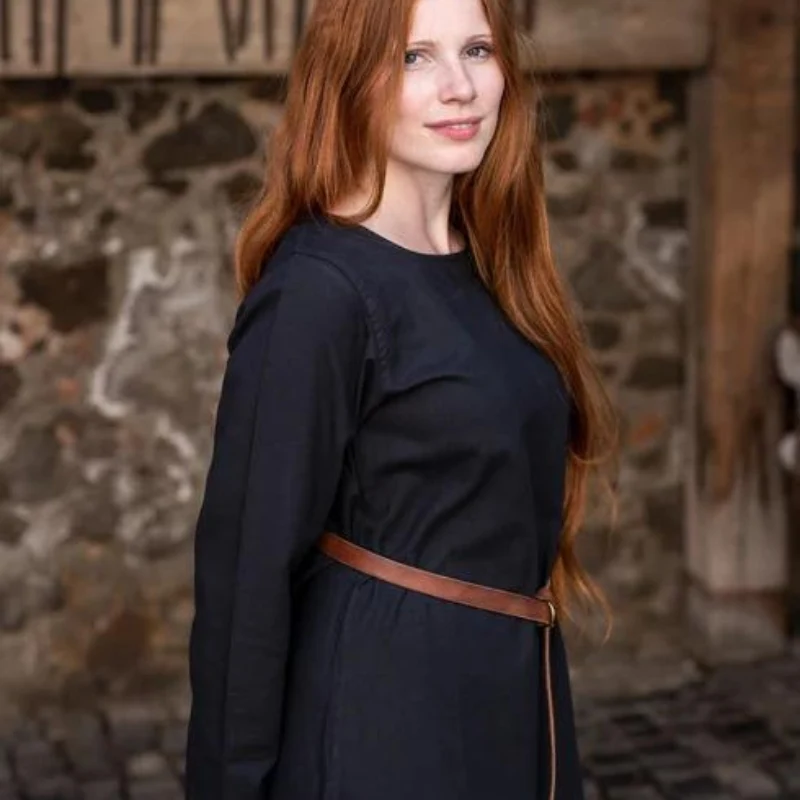
The clothes of a typical Viking woman consisted of a long chemise made of linen, and a shorter woolen strap apron overdress, sometimes called a hangerock.
A Viking woman’s overdress extended from shoulder to halfway down the calf and was suspended from two straps fastened at the front by means of two brooches, usually made from bronze. In the 9th and 10th centuries, these brooches were normally oval-shaped, but were gradually replaced with disk-shaped brooches in the 10th century. They often wore a third brooch to fasten their cloak. There is some evidence that, at least among wealthier women, tunics were longer at the back than the front, and may have trailed on the ground behind them.
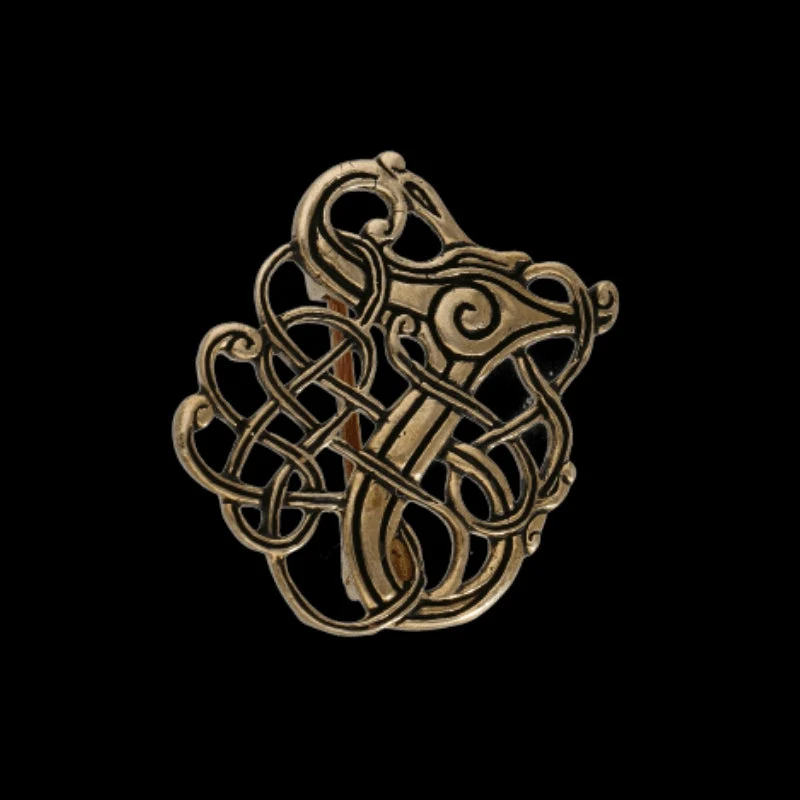
Women’s cloaks were similar to men’s cloaks, and they also wore belts to carry tools and small bags. Women’s belts appear to have been made from woven fabric rather than leather. As well as hanging things from their belts, Viking women would have hung smaller items from their brooches.
It seems that women also wore a knotted kerchief as a head covering, probably for warmth, and maybe to keep hair out of food, since women did most of the food preparation. It is not clear whether this was for everyday use or just special occasions, as some of the sagas mention elaborate headdresses.
What About Armor?
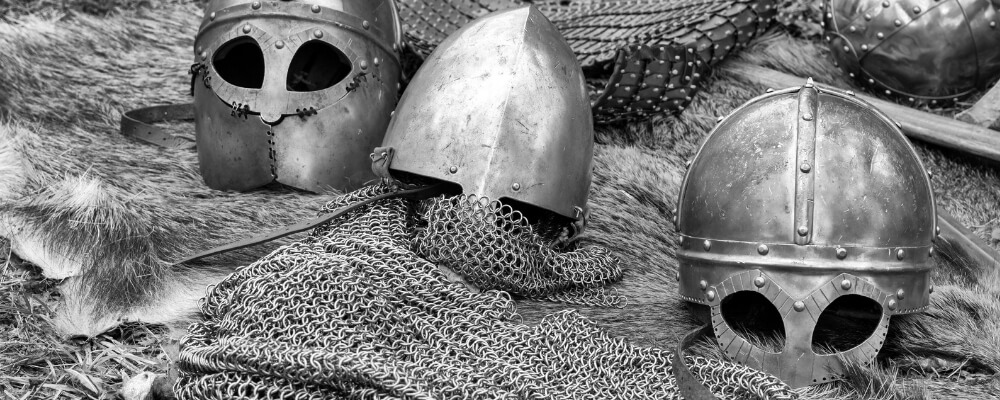
Wealthier Viking warriors may have worn chain mail when they went into battle. Vikingchainmail was expensive to produce as it required thousands of interlinked iron rings to be riveted together individually by hand. Nevertheless, some wealthy Vikings had chainmail shirts, which were probably long-sleeved and extended below the knee.
This would have been worn over the top of a padded leather tunic, which more humble Viking warriors often wore to offer some protection against edged weapons.
For those who could afford it, Viking warriors would wear an iron helmet into battle. These usually had a simple bowl-shaped design and nose guard protruding from the center. More expensive helmets also had a guard around the eyes that formed a sort of mask. Contrary to popular belief, they did not have horns. This would have added no additional protection and would give opponents something extra to grab during battle. If horned helmets existed, they were probably used for ceremonial purposes only.
Learn more about the Jewelry worn by the Vikings here.
Historical Replica Viking Garments
If you are involved in historical reenactments, or you just like dressing in authentic Viking style, you can find historical replica Viking clothing in the VKNG Collection. This includes tunics, trousers, shoes, and more. See some of our favorites below.
FAQs
How were fragile textiles preserved in the highly acidic soil of Western Jutland?
Corrosion from the woman’s bronze or silver brooches produced metallic salts that acted as natural preservatives. These salts prevented the fabric fibers from decomposing despite the harsh soil conditions.
How were Viking men’s tunics designed and worn?
Men typically wore a linen undershirt topped with a knee-length wool overtunic called a kyrtill. The outer tunic was put on overhead, lacked major fastenings, and was often brightly dyed or decorated.
What legal consequences existed for pulling a cap off another man’s head in Viking society?
Penalties ranged from simple fines to banishment depending on whether the cap had a chin strap. In extreme cases where a strapped cap was pulled backward, the victim possessed the legal right to kill the assailant in retaliation.
What were the main layers of a typical Viking woman’s outfit?
Women usually wore a long linen chemise underneath a shorter woolen strap overdress called a hangerock. The overdress extended to halfway down the calf and was held up by two shoulder straps secured with metal brooches.
What materials and construction methods were used to make Viking footwear?
Shoes and boots were crafted from goatskin or calfskin, rarely extended above the ankle, and were secured with laces or buttons. To increase durability, they were frequently constructed with internal stitching.
Did Viking warriors wear helmets with horns into battle?
No, practical Viking battle helmets were simple iron bowls with nose or eye guards and did not feature horns. Horns would have provided no defensive benefit and given opponents an easy grip during hand-to-hand combat.