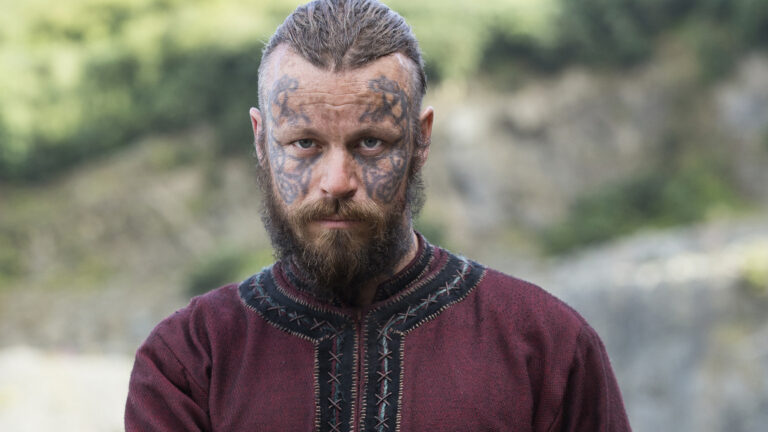
Driven by an audacious vow to leave his hair uncut until every rival chieftain bowed to his rule, Harald Fairhair transformed a fractured patchwork of petty chiefdoms into the Kingdom of Norway. After smashing an alliance of western warlords at the bloody Battle of Hafrsfjord around AD 872, he claimed the crown as Norway’s first monarch. Yet behind the dramatic medieval sagas of tangled locks and ruthless conquest lies a fierce historical debate over how much of the Viking world Harald truly controlled.
Why Harald Fairhair Swore Not to Cut His Hair
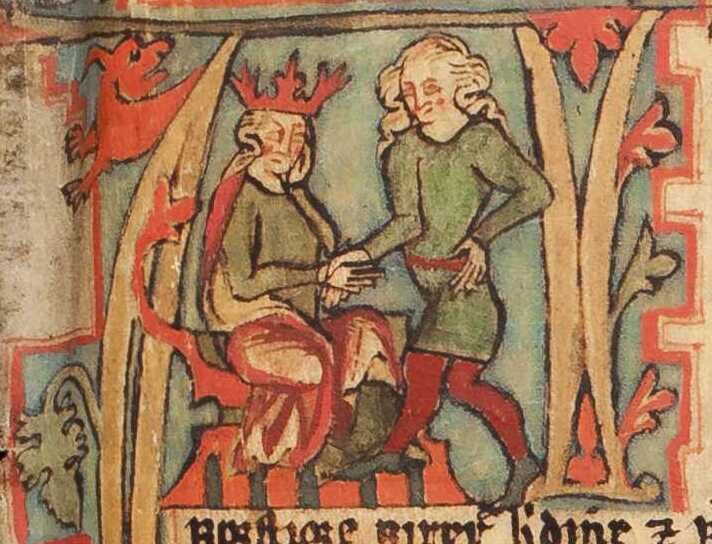
Harald Fairhair was a 9th-century warlord of the Yngling dynasty who inherited a small, fragmented kingdom in southeastern Norway around AD 860 following the death of his father, Halfdan the Black.
According to the Saga of Harald Fairhair, before he started to expand his territory, the young chief sent messengers to propose marriage to Gyda, the proud daughter of King Eirik of Hordaland. Gyda flatly refused, mocking him as a mere petty king. She declared she would not waste herself on a ruler who only governed a few districts, asking why no one had united Norway the way King Gorm had united Denmark or King Erik had united Sweden.
Rather than taking offense, Harald was inspired by her ambition. He swore a solemn oath to the gods that he would neither cut nor comb his hair until he had become the sole king of Norway, collecting all taxes and duties across the land, or else die trying.
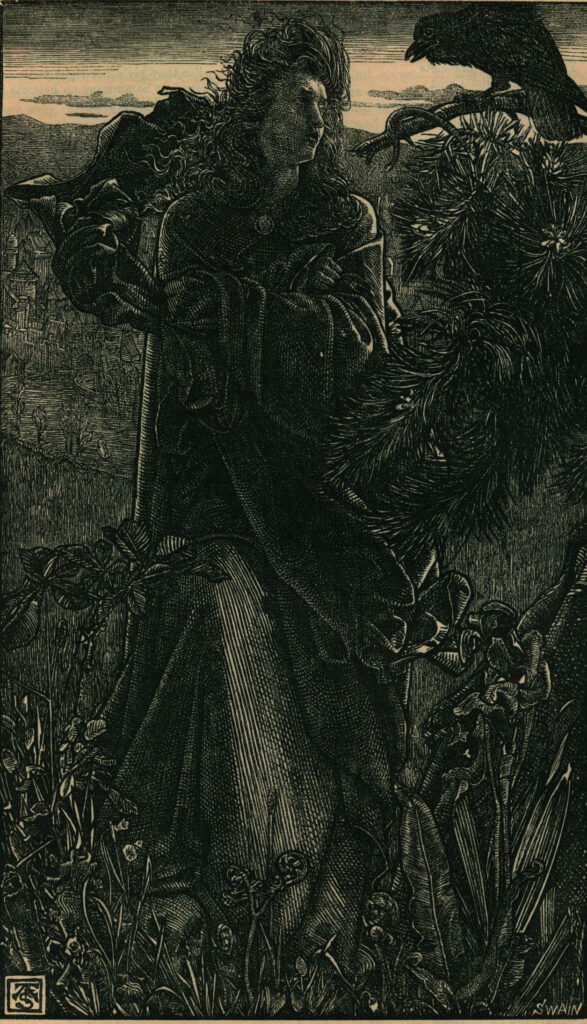
For the next ten years, Harald fought campaign after campaign across the mountains and fjords. Because his hair grew long, wild, and matted, people stopped calling him Harald and mocked him as Haraldr lúfa, meaning “Harald Tangle-Hair” or “Harald Shockhead.”
Modern scholars believe this story was fictional, as it is not mentioned by Snorri Sturluson in his Heimskringla, written around AD 1230, or in contemporary skaldic poetry from Harald’s own court, such as the Haraldskvæði by Þorbjörn Hornklofi.
Even if the Gyda story is fictional, the motif of the vow reflects real early Germanic and Norse traditions. Across early medieval Europe, long, uncut hair was a potent symbol of royal blood, sacred status, and unfulfilled vengeance or martial oaths. Warriors frequently swore not to cut their hair or beards until they had avenged a kinsman or completed a conquest.
The Bloody Battle of Hafrsfjord That Forged a Kingdom
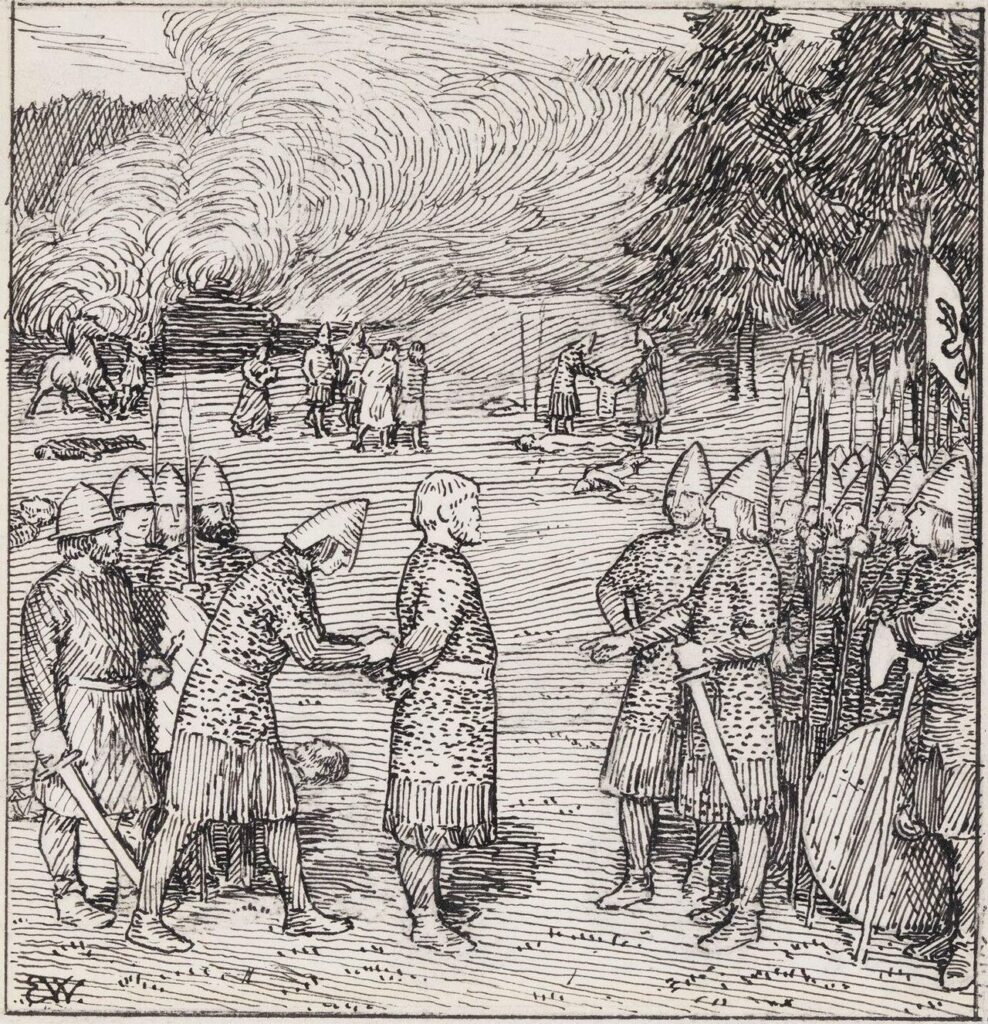
In the 9th century, Norway was a group of 20-30 independent petty chiefdoms. The geography of Norway, with its towering mountains, deep fjords, and dense forests, made dominating other regions challenging. Each chief’s power depended on their personal charisma and claim to local noble lineage, plus their ability to win plunder and share that wealth with their warriors. As well as these local chiefs, Danish kings often claimed power over Viken, the Oslo Fjord region.
Early on, Harald allied with Håkon Grjotgardsson, the powerful Earl of Lade in Trøndelag. By securing the north-central coast without fighting it, Harald gained a massive naval and economic base and effectively cut the country in half. It was much easier to dominate Norway’s landscape by sea than by land.
Moving south from Trøndelag and consolidating his ancestral claims in Vestfold, he defeated the inland kings of Opplandene in a series of winter campaigns before turning his fleet toward the western fjords.
The Battle of Hafrsfjord was a decisive naval clash near modern-day Stavanger where Harald Fairhair defeated a powerful coalition of western Norwegian chieftains to secure royal supremacy. Traditionally dated to AD 872, some historians have pushed it back to AD 885-900.
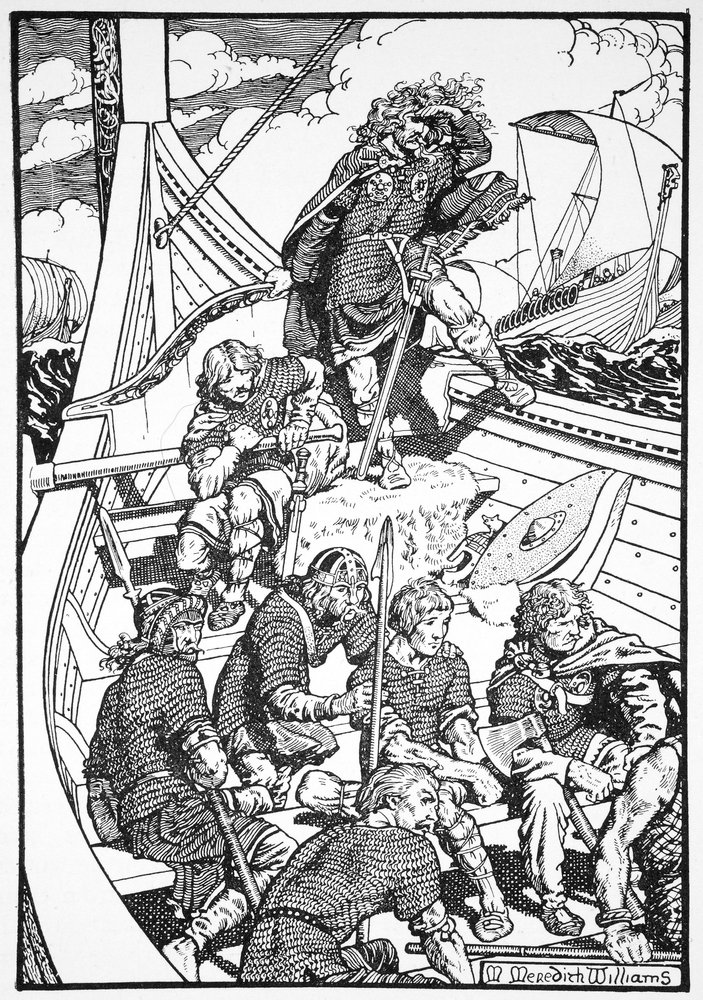
Harald, manning his ships with loyal warriors, including fierce berserkers who were positioned on the prow of his flagship, faced a coalition led by Eirik, King of Hordaland, Sulke, King of Rogaland, Kjotve the Rich, King of Agder, plus two brothers from Telemark, Roald Hrygg and Hadd the Hard.
Unlike open-ocean battles, Viking naval warfare relied on lashing ships together into floating platforms and fighting hand-to-hand across the decks, turning a sea battle into a bloody infantry melee.
According to the sagas and contemporary skaldic poetry, the coalition fleet gathered in Hafrsfjord to block Harald’s southward advance. Harald sailed into the narrow fjord and met them head-on. The sources then describe heavy stones and spears raining down before the ships locked together. Then Harald’s elite berserkers roared and bit their shields as they led the boarding actions.
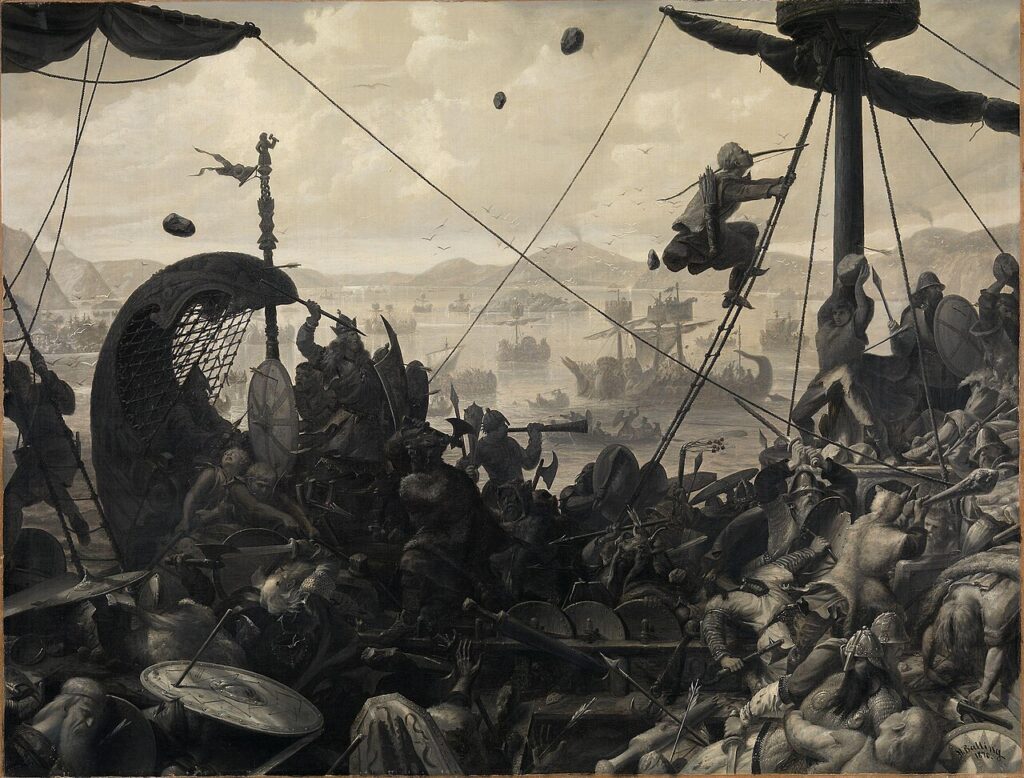
Both sides fought valiantly, but casualties mounted and flagship after flagship was captured; the coalition broke. King Eirik of Hordaland, King Sulke, and Thorir Long-Chin were all killed. Kjotve the Rich fled south to a small island and escaped overland toward Denmark, while his surviving warriors scattered, some fleeing overland through Jæren, others taking to their ships.
Following this decisive naval victory, Harald finally considered his oath fulfilled. While feasting in Møre at the home of his close ally, Earl Rognvald of Møre, Rognvald personally washed, combed, and cut Harald’s hair. Struck by how handsome and regal the king looked with his thick, flowing locks, Rognvald bestowed upon him a new nickname: Hárfagri (“Fairhair”). Harald promptly married Gyda afterward.
Did Harald Fairhair Really Unite All of Norway
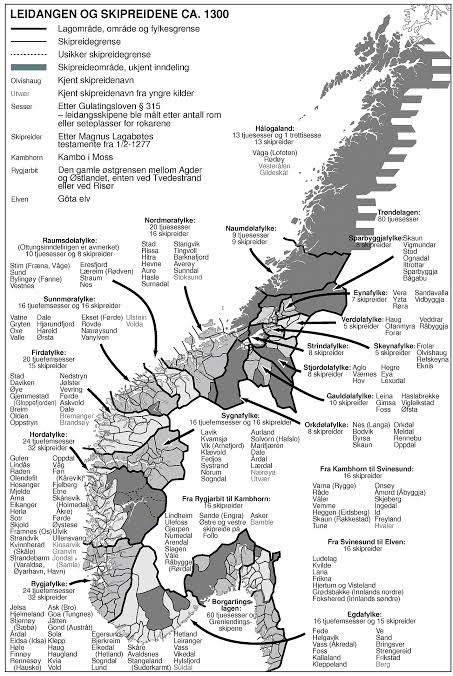
Winning at Hafrsfjord didn’t mean Harald suddenly had a modern bureaucracy governing every mountain valley, nor did it mean fighting ended forever. But it did make him king in a few crucial ways.
First, he eliminated the last rival Coalition opposing him. The southwest coast was the wealthiest, most maritime-capable region outside Harald’s control. With its kings dead or exiled, no single ruler or alliance left in Norway had the naval strength to challenge him.
By securing the western coast, Harald controlled the entire sheltered coastal sea lane running from Viken in the south all the way to Hålogaland in the Arctic north. Whoever controlled that trade route also controlled Norway’s wealth, giving Harald the leverage to extract tribute and enforce overlordship over local earls.
However, interior regions like Hedmark, Oppland, and northern Hålogaland remained largely autonomous or under the sway of the Earls of Lade and Danish monarchs.
How Harald Fairhair Ruled and Sparked the Settlement of Iceland
Harald’s rule also triggered mass emigration, mostly of people who opposed him. Within his new kingdom, he abolished traditional freehold land rights, imposed royal taxes, and appointed loyal jarls to govern the regions of his new domain.
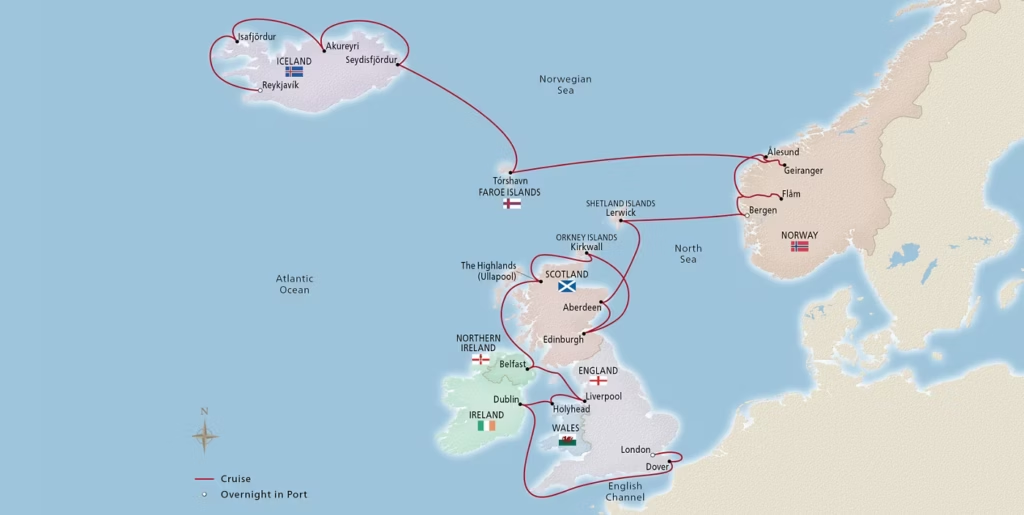
Refusing to submit to Harald’s overlordship and new land taxes, many defeated chieftains and stubborn free farmers packed their families and wealth onto longships and sailed west. This exodus directly fueled Norse settlement in Iceland, the Faroe Islands, Orkney, and Shetland, effectively exporting Harald’s most dangerous domestic opponents from the country.
The Chaotic Succession of Harald Fairhair and Eric Bloodaxe
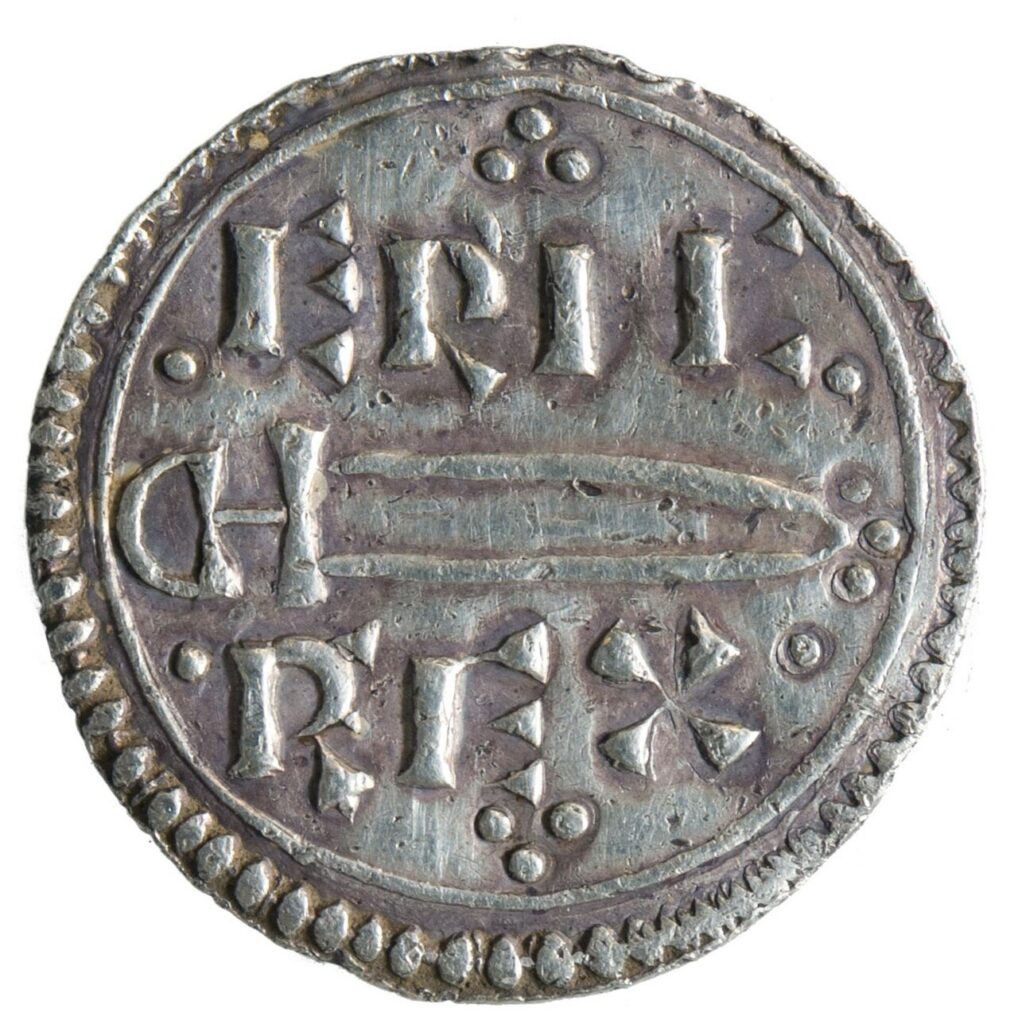
Despite spending decades forging Norway into a single realm, Harald Fairhair inadvertently planted the seeds of its immediate collapse. Before his death around AD 932, he divided royal authority among his 16-20 sons, triggering a brutal fratricidal civil war. In doing this, he was following Norse custom, in which all sons had a claim to rule. He tried to preserve the unity of his kingdom by naming his favorite son, Eric Bloodaxe, as High King over his brothers.
This hybrid system satisfied no one. Older sons who had spent years governing prosperous regions, such as Halfdan the Black in Trøndelag and Bjørn Farmann in Vestfold, refused to submit to Eric, while Eric viewed his brothers’ semi-independent realms as a direct threat to his throne.
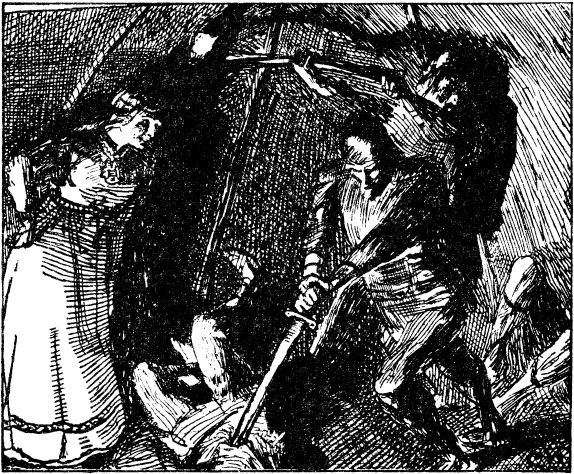
Before his father’s death, in AD 927, Eric marched into Vestfold and killed his brother Bjørn Farmann, who had refused to pay him tribute. Bjørn’s death united their other brothers, Halfdan the Black and Olaf Haraldsson, against Eric. Halfdan nearly burned Eric alive inside a hall before Eric escaped. Halfdan died shortly afterward under mysterious circumstances. He was rumored to have been poisoned by Eric’s wife Gunnhild, who was reportedly a ruthless Volva witch.
After Harald Fairhair’s death, Olaf and another brother, Sigrød, joined forces in Tønsberg to resist Eric’s rule. Eric attacked them with a superior force in AD 934 and killed both brothers in battle. He also slaughtered at least four more of his own brothers and terrorized the remaining chieftains into submission, earning him widespread hatred across Norway for his tyranny and heavy taxation.
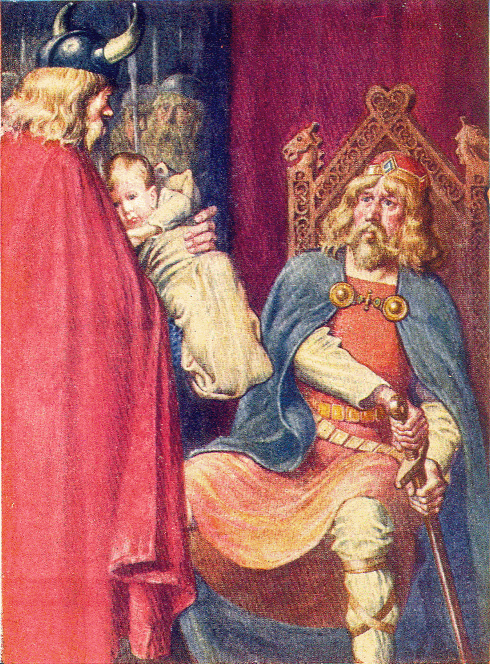
But Eric’s blood-soaked supremacy lasted only a couple of years before a wild card arrived from overseas: Haakon, Harald Fairhair’s youngest son, who had been fostered at the court of King Athelstan of England. In a bloodless coup, he landed in Trøndelag, Haakon allied with Sigurd Haakonsson, the powerful Earl of Lade. There he vowed to abolish Harald Fairhair’s hated land taxes and restore the ancestral lands to the free farmers.
Support for Eric collapsed overnight. Abandoned by the regional chieftains and unable to raise an army, Eric Bloodaxe fled Norway around AD 935 with Gunnhild and his children. He eventually carved out a violent second career in Britain, ruling twice as the Viking King of York before being ambushed and killed at the Battle of Stainmore in AD 954.
The Silver Age of Harald Fairhair
The height of the Viking Age was also known as the Silver Age because silver was the basis of the Norse currency and status. Kings like Harald Fairhair would have worn silver as a status symbol and given his warriors gifts, such as silver arm rings, to bind them to him.
We make many of our pieces in Sterling Silver to reflect the reality of the Viking world. You can find a curated selection of some of our favorite Norse-inspired silver pieces in the Saga of the North collection.
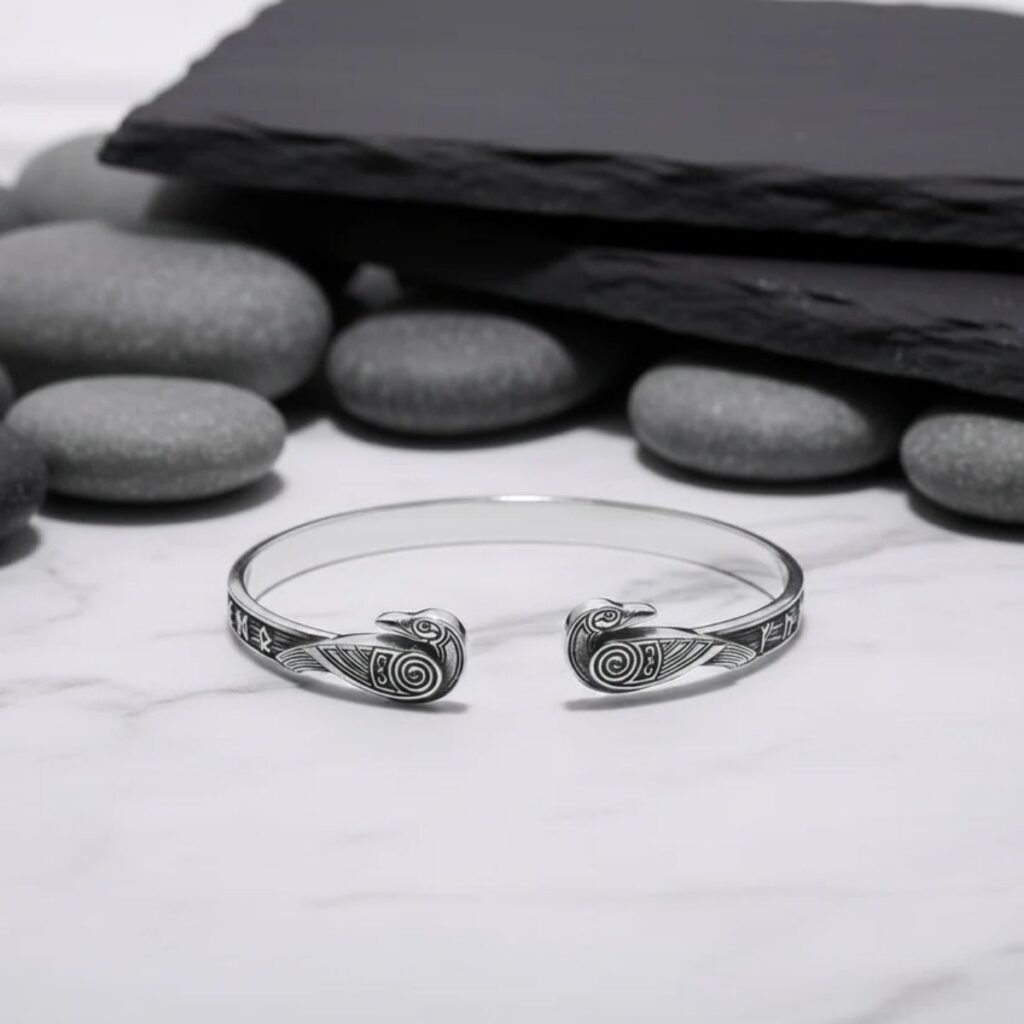
This Sterling Silver arm ring is inscribed with the Norse runes, magical symbols discovered by Odin and shared with mankind. The ring ends in two raven heads. Ravens were the birds of Odin. He had two raven familiars, Huginn (thought) and Muninn (memory), who acted as his eyes and ears.
The Valknut was the symbol of Valhalla, Odin’s afterlife for brave fallen warriors. It represented both the hall and the bravery it took to earn a place there. The ring band features two ravens, representing Odin as both the god of wisdom and war. Seeing ravens circling that battlefield was a good sign, as it meant that Odin was present to choose the bravest fallen warriors.
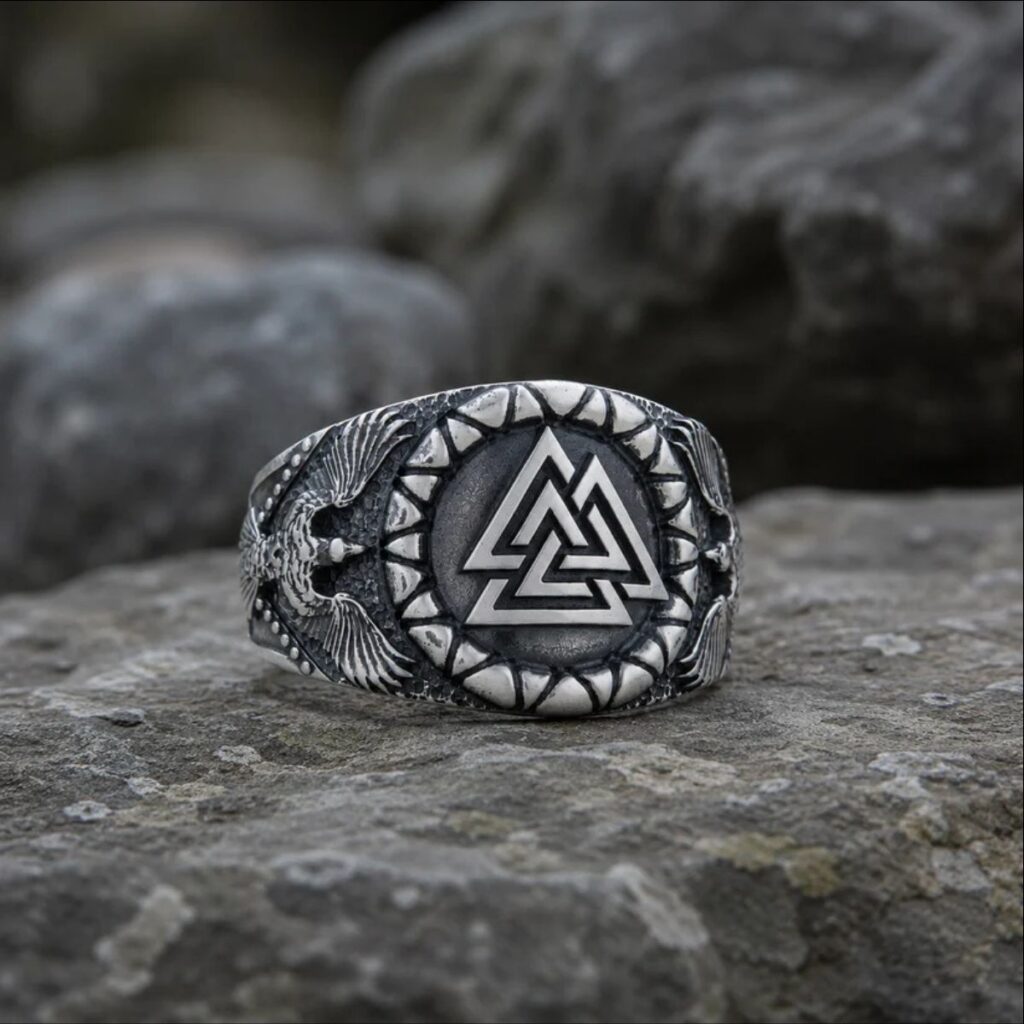
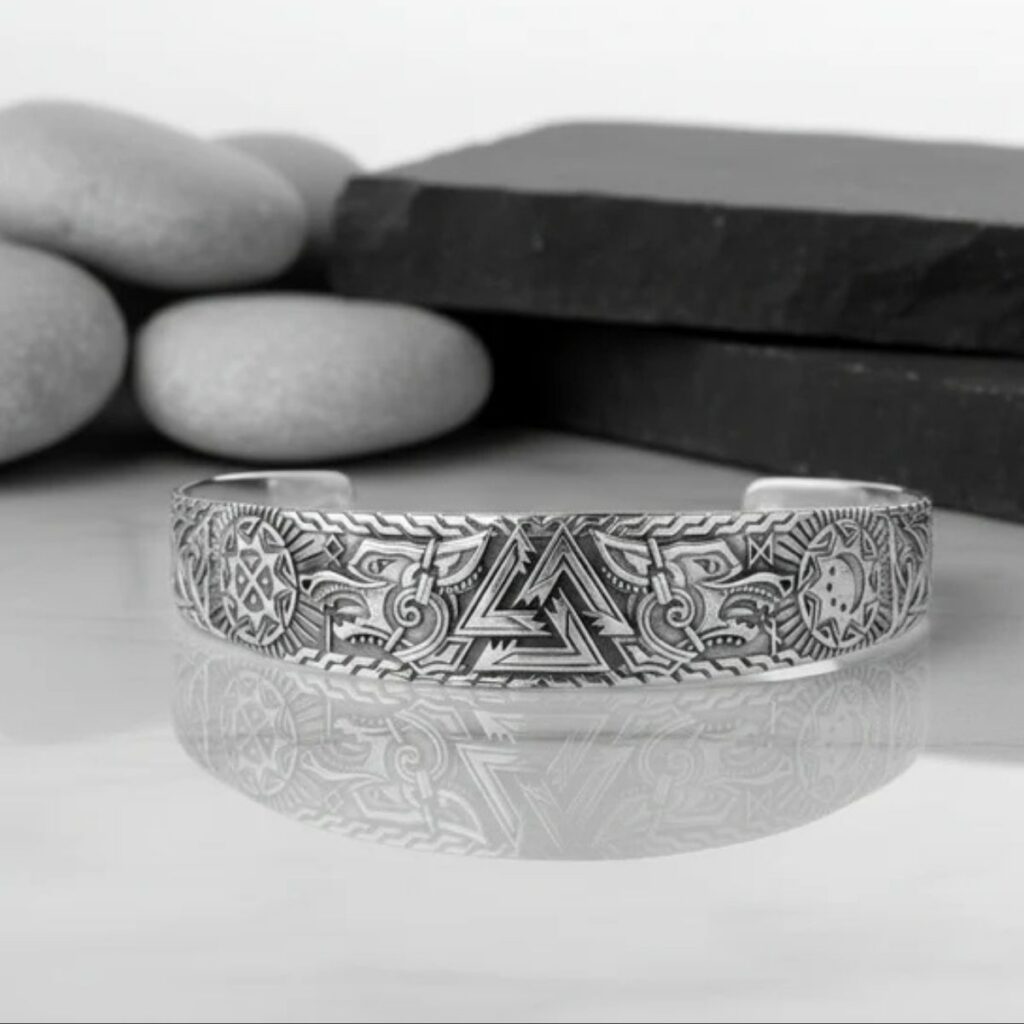
This silver armring also features the Valknut, this time between two wolf heads. Odin was also accompanied by two wolves, Geri (greed) and Freki (ravenous). These were both challenging aspects of his personality, but also sources of great strength. The arm ring also features symbols of the sun and moon.
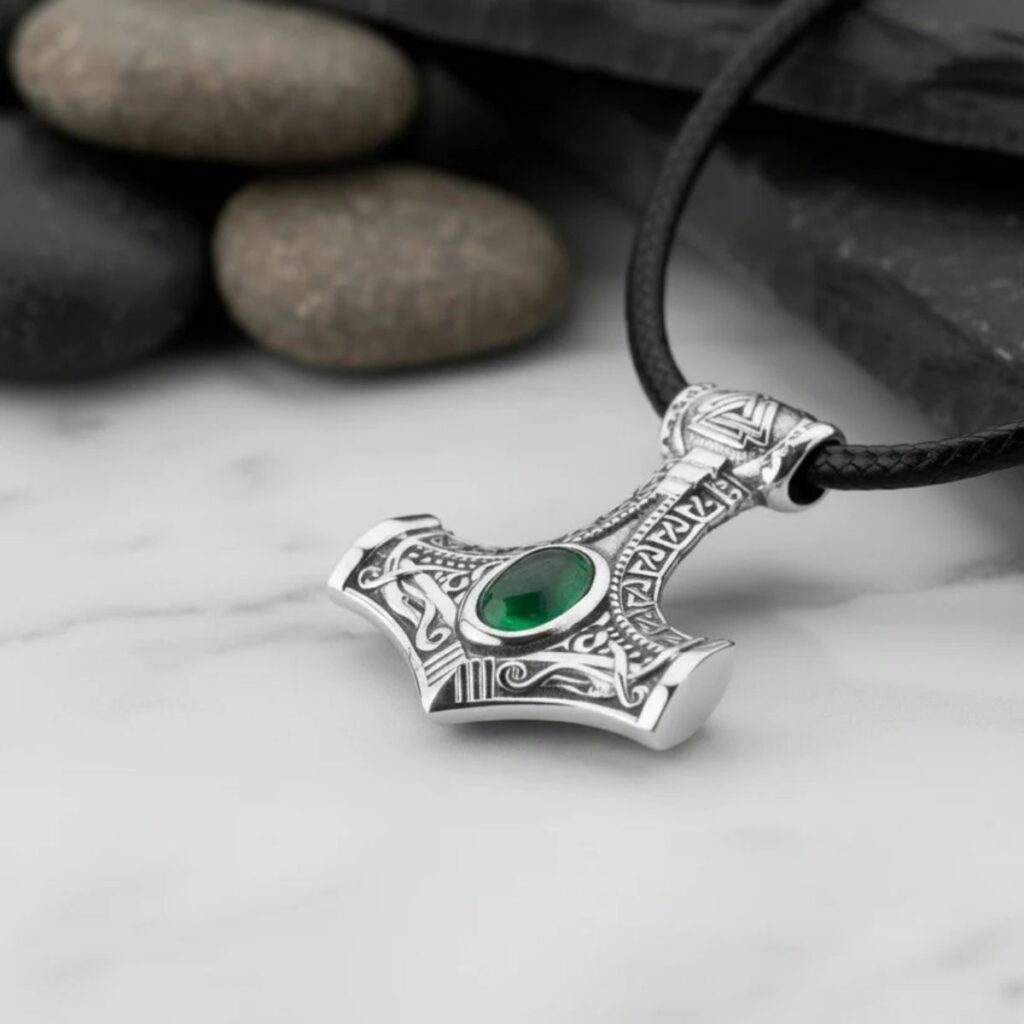
The Vikings wore Thor’s Hammer pendants as symbols of the protection of the gods. This Mjolnir pendant features several symbols from the Norse world, including serpent motifs. These represent the serpent Jormungandr, with whom Thor will fight to the death at Ragnarok. The serpent represents our fears that must be faced.