According to the sagas, an enormous army of Vikings, assembled and led by the sons of Ragnar Lodbrok, attacked England in 865 to avenge their father’s death at the hands of King Aella of Northumbria. The Anglo-Saxon Chronicle called this the “Great Heathen Army,” which was larger than any previous invading force. The Viking army spent a decade campaigning across England, conquering large swaths of territory that they then governed under Danelaw. But what is the truth behind the legend?
Who Were the Great Heathen Army?
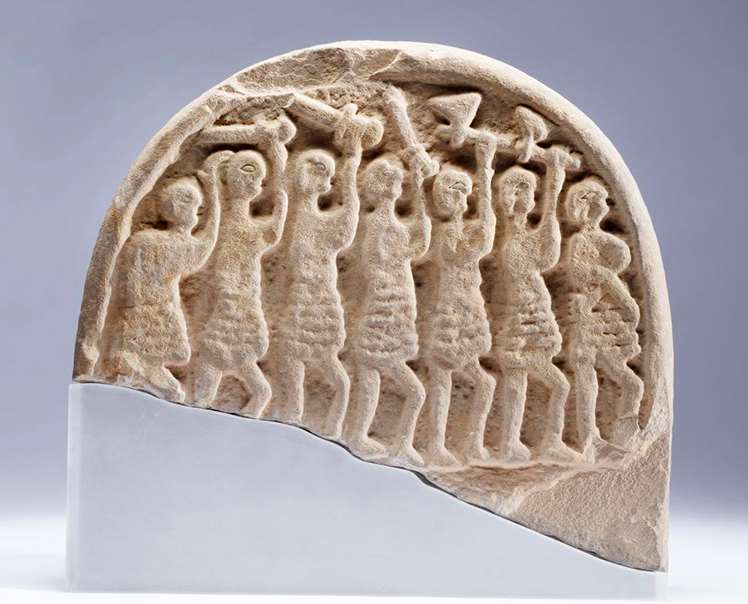
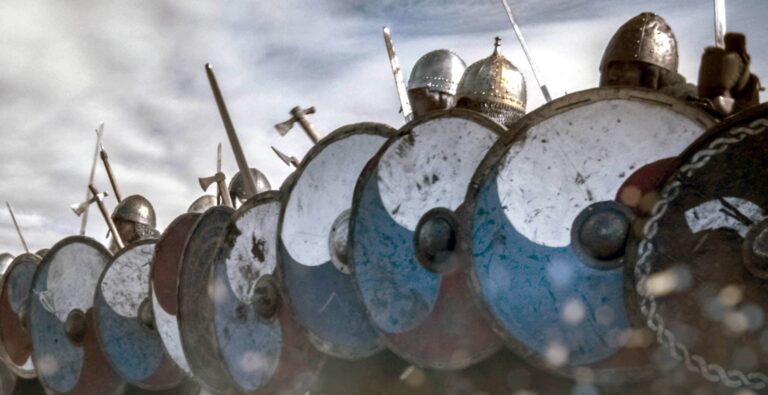
The start of Viking raids on England is traditionally dated to AD 792 with an assault on the monastery at Lindisfarne. These early attacks were one-off raids, with small parties of Vikings attacking poorly defended communities and monasteries, making off with gold, slaves, and anything else of value they could transport in their ships. The arrival of a large, coordinated army marked a change in approach. It signaled that they came to conquer.
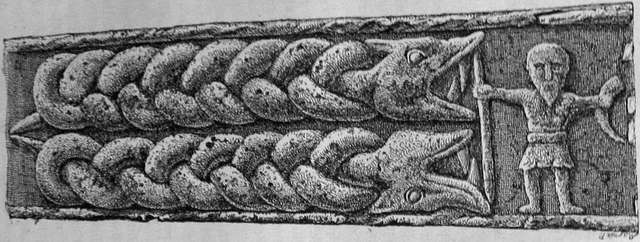
According to the Norse Saga of Ragnar’s Sons, the legendary Ragnar Lodbrok was leading a raid on England when he was captured and killed by King Aella of Northumbria, who then threw him into a snake pit as a brutal form of execution. His sons, specifically Halfdan Ragnarsson, Ivar the Boneless, and Ubbe, gathered a great army to invade England an extract revenge.
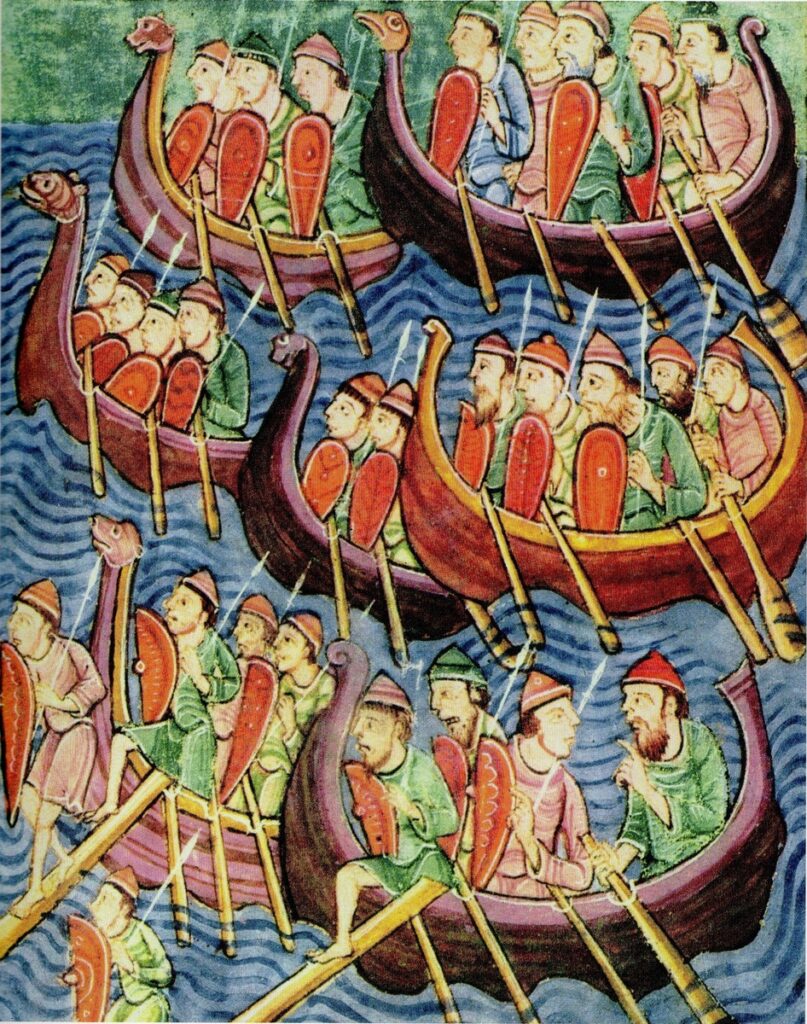
Contemporary Anglo-Saxon sources don’t mention Ragnar, who was already a legendary figure when the sagas were written in the 13th century. While this might make a nice heroic story, it is not necessary to explain the escalation in Viking activity.
In the preceding decades, Viking mercenaries were active in Francia. They had discovered that in addition to coastal targets, they could sail up rivers in their shallow ships and target other vulnerable settlements. This resulted in a Viking attack on Paris in 845, which saw the Vikings bought off with vast amounts of silver. This started a regular extortion practice in France. But the money soon dried up as the Franks started fortifying their towns and rivers.
These mercenary Vikings may have been looking for new ventures and probably thought that they could employ tactics that had previously worked in Francia. Pulling together existing mercenary forces may explain how the Vikings were able to gather such a large force so quickly, and why the army seems to have been composed of various types of Vikings, from Denmark, Sweden, and even Ireland.
Viking Landing and Rendezvous at York
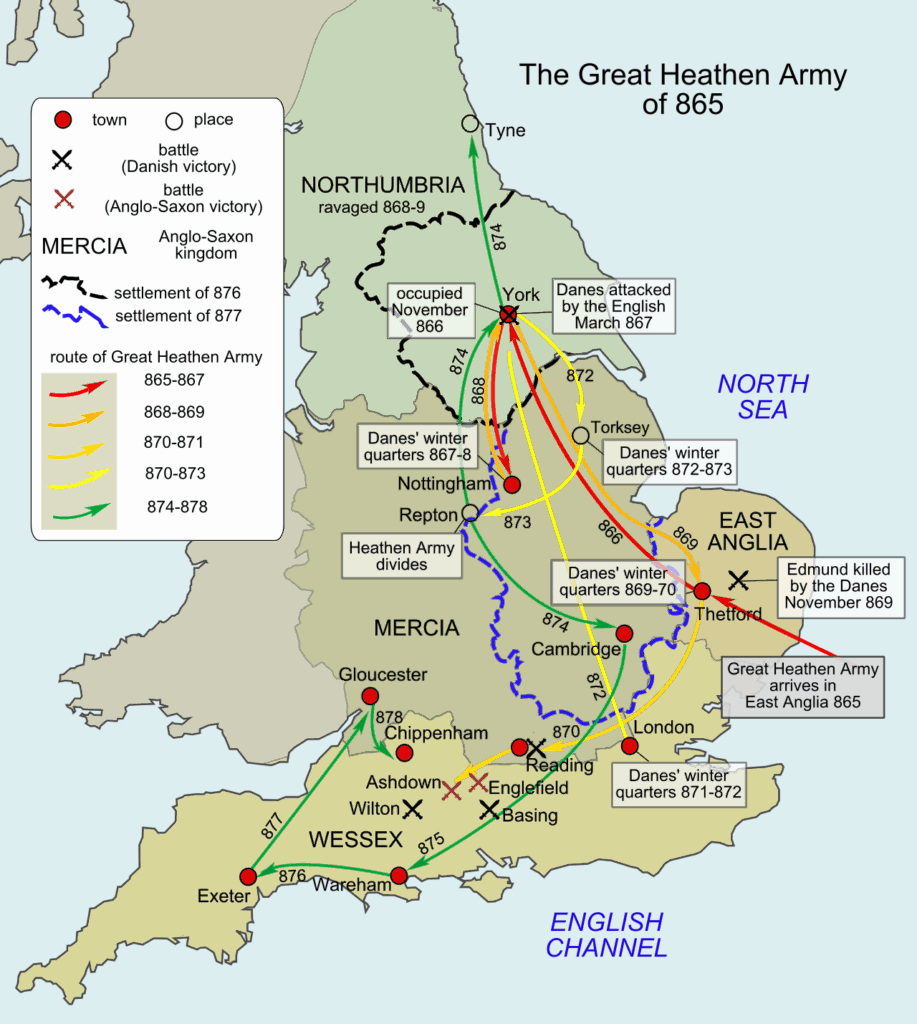
According to the Anglo-Saxon Chronicle, the Great Heathen Army landed at Thetford in East Anglia in AD 865. The East Anglian King Edmund immediately bought temporary peace, and the Vikings wintered in England without causing much trouble.
When the campaign season started in 866, the army made its way north to York, possibly to rendezvous with another Viking force that had landed in the north with Ivar the Boneless. This could explain why the Vikings passed directly through Mercia, without conflict, to York.
According to the Norse sagas, while his brothers rushed into battle, Ivar instead established a kingdom for himself based around York in the south of Northumbria. According to one story in the sagas, Ivar negotiated with Aella to give him as much land as he could cover with an ox-hide, which he cut into one continuous hair-thin strip, allowing him to cover York. While this story is certainly invented, the Vikings took York in an attack in 866.
Campaigning Begins
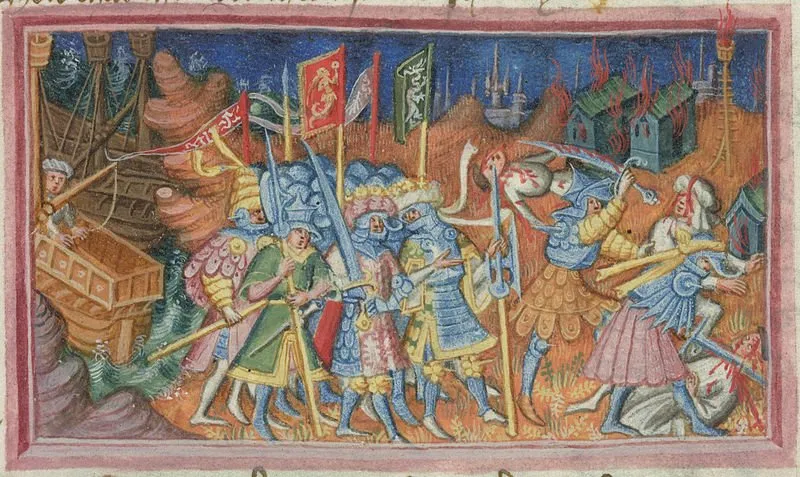
From their base in York, the Vikings raided north into Northumbria and south into Mercia. Part of the army wintered in Nottingham in 867 as a stronghold in Mercia and made peace terms with the Mercians in the same year. In 867, King Aella was killed, allowing the Vikings to expand their influence in Northumbria. In 869, they returned to East Anglia and their base at Thetford. They killed King Edmund and took control of his territory.
Fighting intensified in 871 when reinforcement arrived from Scandinavia in the form of the Great Summer Army. This enlarged force enabled the Vikings to turn their attention to England’s strongest kingdom, Wessex.
Despite their increased numbers, the Vikings were defeated by the West Saxon forces at the Battle of Ashdown in 871, but they remained a threat. When King Alfred the Great came to power in Wessex about three months after this battle, he bought peace with the Vikings. The Vikings wintered in London, on the edge of Wessex territory, in 871/872.
How Big Was the Great Heathen Army?
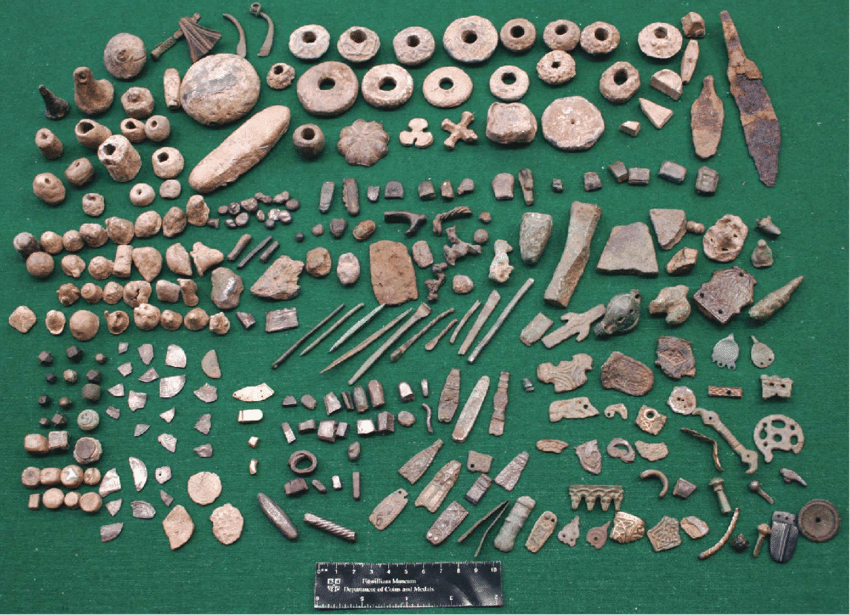
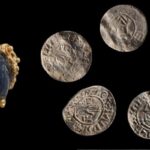
Following peace negotiations with Wessex, in the campaign season of 872, the Vikings decided to focus on Mercia. They established a new camp for themselves at Torksey in Mercia, which has been extensively explored by metal detectorists and their finds plotted by archaeologists. A Viking presence has been confirmed by the presence of ingots, used by the Vikings as currency, and Arabic silver coins, prized by the Norsemen as jewelry. The discovery of 9th-century coins ties the site to the time of the Viking invasion.
Based on the distribution of finds, archaeologists believe that the Viking camp covered around six acres enclosed by a river and marshlands. The camp could have accommodated several thousand people. This was not even the full army, as a portion returned to York. While initial estimates placed the Great Heathen Army at 1,000-3,000 men, this evidence suggests that the army may have been three times as large.
The nature of archaeological finds also suggests that the army was accompanied by a significant group of followers. There is evidence and trade, and items such as spinning whorls indicate the presence of women (and not in the capacity as shieldmaidens).
In 873, this band of warriors subdued Mercia and placed their own puppet king on the Mercian throne.
Death and Burial
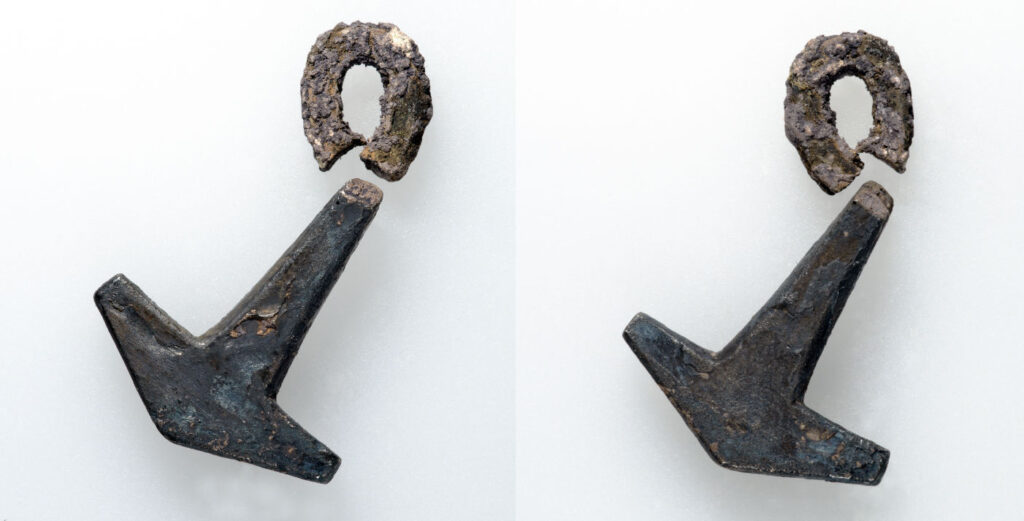
The Vikings remained in Mercia in the winter of 873/874 in a camp at Repton, from where they raided despite promises made. Excavations there show a heavily fortified camp supported by a defensive ditch dug straight into a Mercian cemetery on the site. At least ten carved Anglo-Saxon crosses, probably used to make graves, have been found in the earthworks.
Despite not respecting the Anglo-Saxon dead, the Vikings also buried their own at Repton. The body of a man, who was probably a Viking chief, was found buried near the tombs of the Mercian kings. He was buried with an expensive iron sword and a valuable silver Thor’s Hammer pendant. His death seems to have been bloody, as it looks like he was stabbed in the eye and his body hacked from above by a bladed weapon. This suggests that the fight for Mercia was brutal.
Another 264 bodies, 80% adult males, were found in a channel mound just outside the fortified enclosure. Radiocarbon dating and coins from 872-874 suggest that they also belong to this period of Viking encampment. Many of the bodies show signs of trauma and violent deaths.
War with Wessex
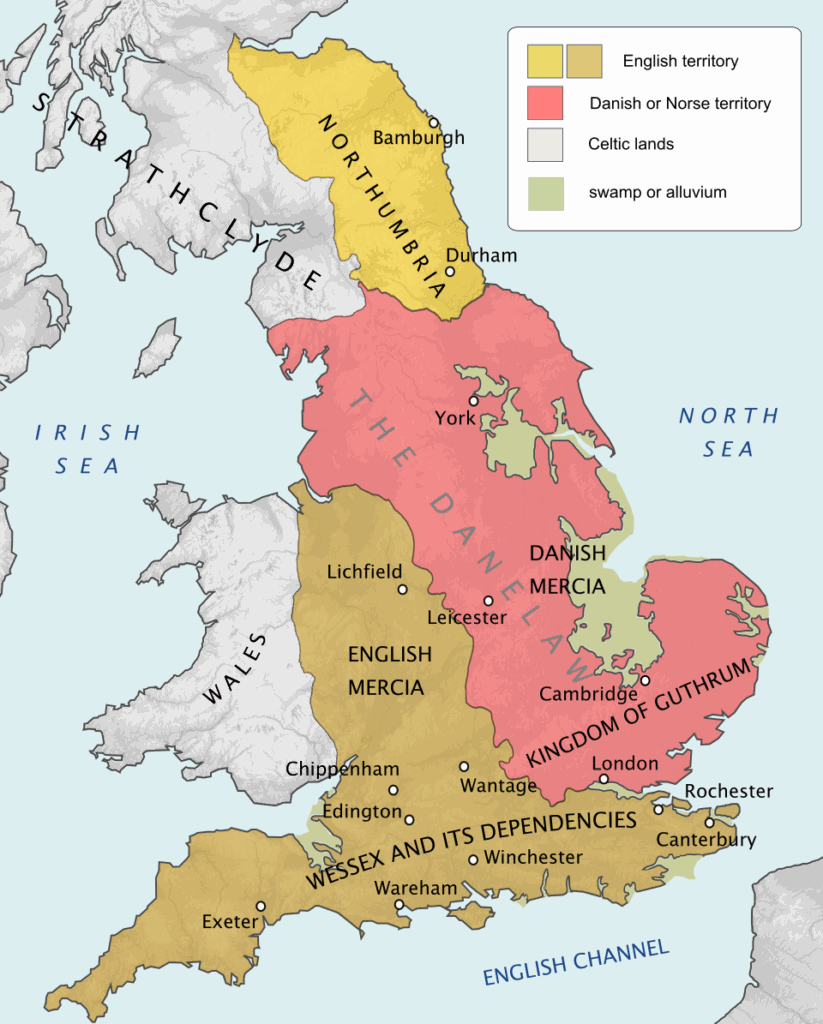
By 874, the Vikings were in control of East Anglia, Mercia, and Northumbria, leaving Wessex as the only independent Anglo-Saxon kingdom. At this point, the Viking army was split into two. One group was in Northumbria, from where they reportedly raided Scotland and battled with the Picts in 875. By 876, there is evidence that they were settling in Northumbria and farming.
The second group headed south for Wessex. They were in Cambridge in 874 and Wareham in 875. They made a treaty with Alfred that year, but continued to raid and were paid off repeatedly. This culminated in the Battle of Edington in 878. Wessex defeated the Viking invaders, forcing them to retreat to Chippenham, where they were starved out and forced to sue for peace. While this was not the first treaty between Wessex and the Heathens, Alfred negotiated from a more confident position due to his recent victory. He even convinced the leader of the army, a Dane named Guthrum, to be baptized.
The treaty created a boundary between Anglo-Saxon and Viking lands. South of the line, Anglo-Saxon law applied, while north of the line was governed by the Vikings under what would become known as Danelaw. The treaty also agreed on a wergild price to be paid when Englishmen or Danes were slain in acts that broke the peace. This treaty remained in place for around 50 years.
End of the Heathen Invasion
With the “war for England” over, the Viking army began to disband. Some stayed and settled in areas governed by Danelaw, while others sailed off to take advantage of raiding and mercenary opportunities elsewhere.
In 892, after the death of Guthrum, there was reportedly an attempt to renew hostilities, with a fleet of 250 Viking ships landing at Appledore in Kent and another 80 at Milton Regis. While these forces attacked Wessex, they had limited success as the Anglo-Saxons had learned to defend against Norse tactics. They had constructed their own fleet, fortified towns, and created a standing army, recruiting around 20% of the male population through conscription. The new Viking army disbanded in 896.
Conflicts for territory and influence continued for the next century, culminating in Sweyn Forkbeard becoming the first Viking king of England in the early 11th century. This dynamic would only change with the Norman Conquest of England in 1066, which effectively pushed the Vikings out of England.
Silver Mjolnir Amulets
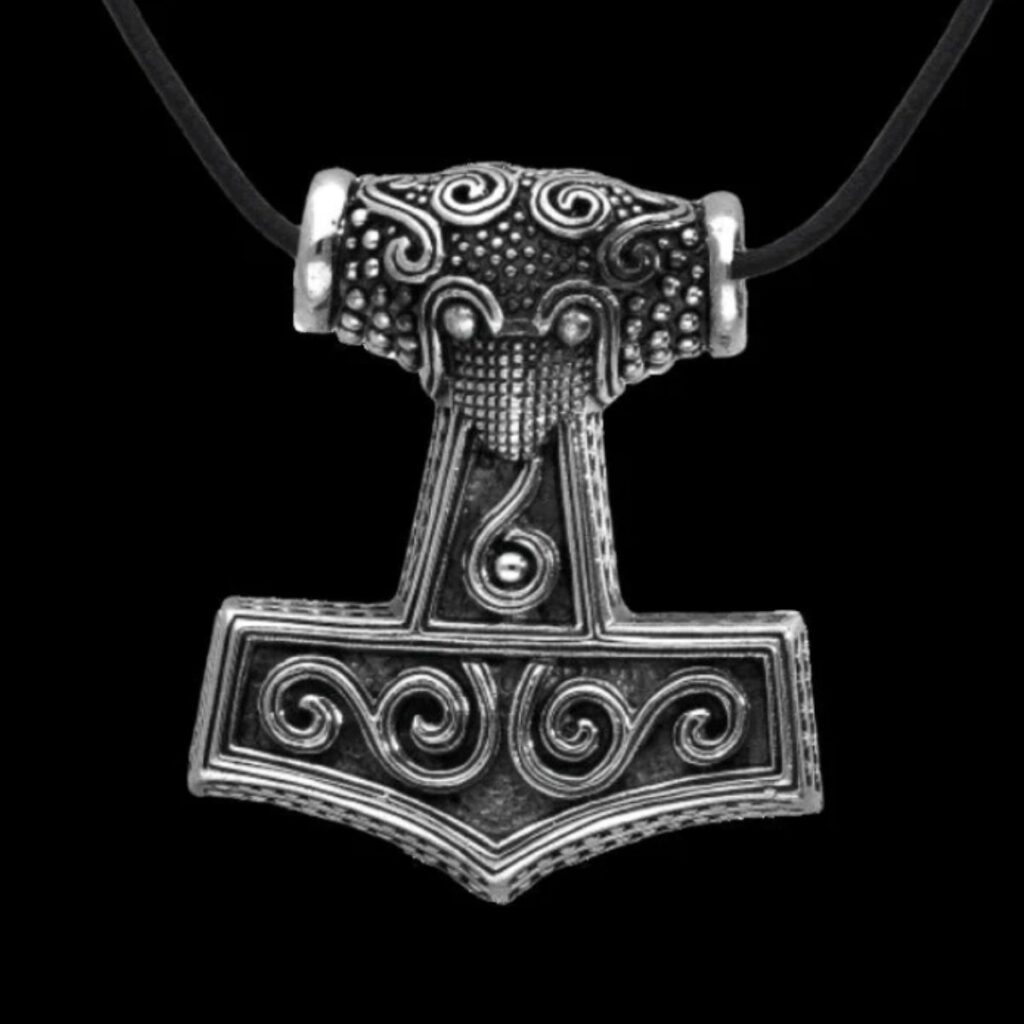
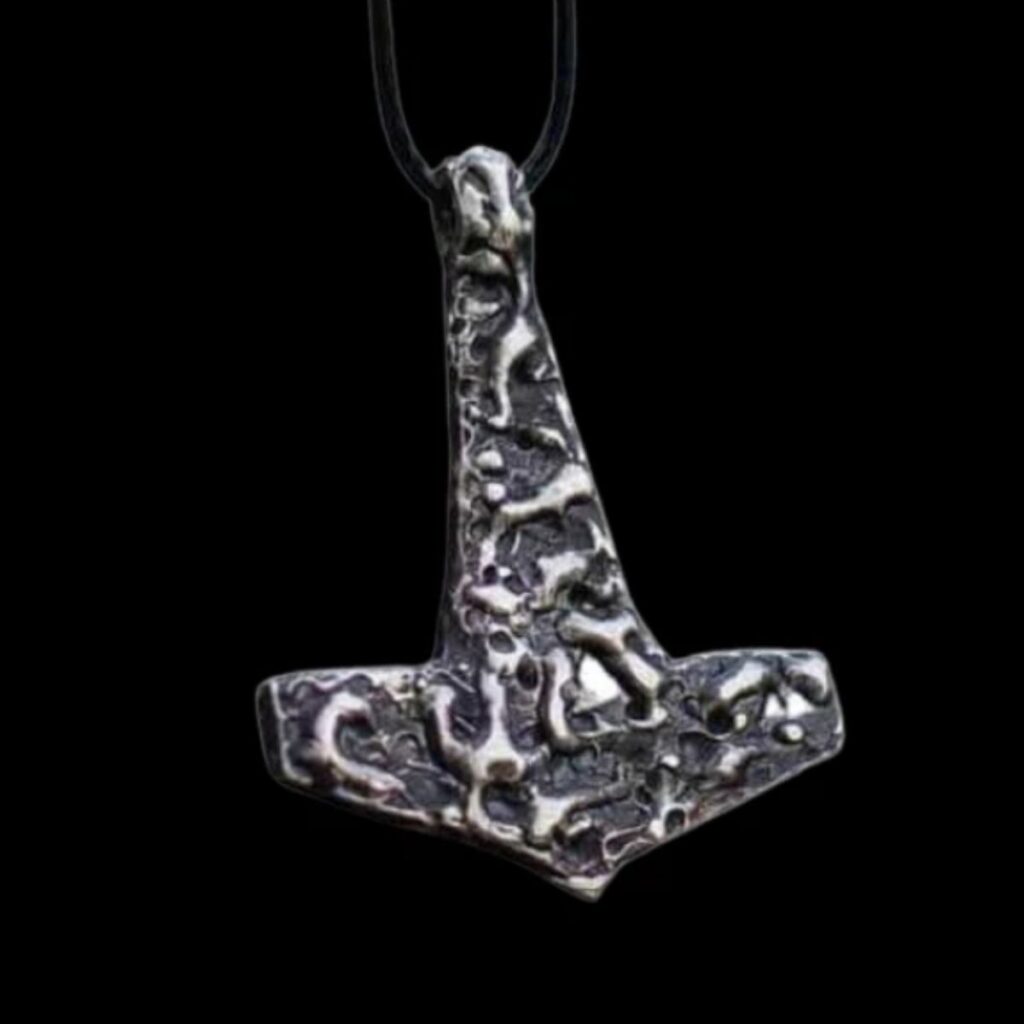
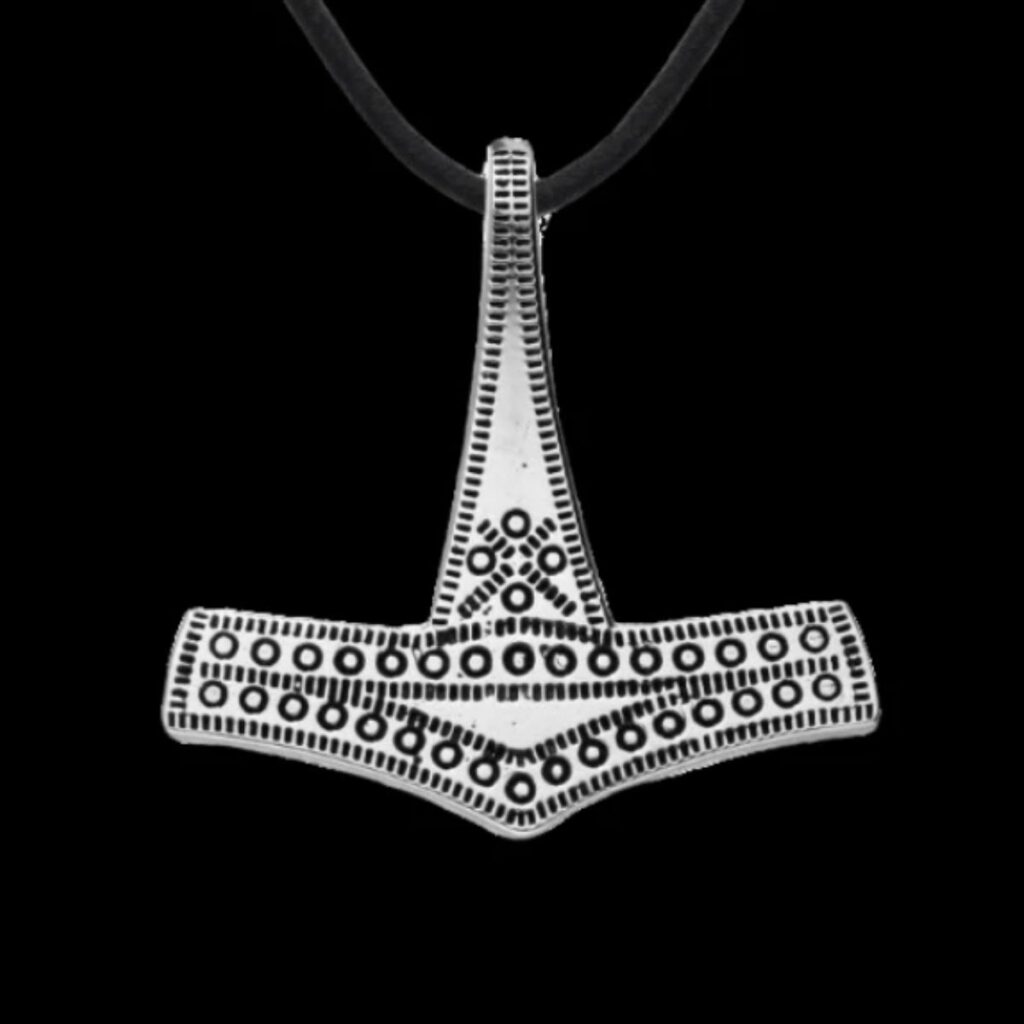
Discoveries like the silver Thor’s Hammer Mjolnir pendant at Repton confirm that these were both among the most common and most prized pieces of jewelry worn by the Vikings. It represented the protection of the gods and allegiance to the Norse gods, which is what made the great army “heathen.”
Find a selection of silver Mjolnir amulets, many inspired by genuine archaeological finds, in the VKNG Collection.

FAQs
What was the “Great Heathen Army”?
The Great Heathen Army was a large, coordinated coalition of Viking warriors—primarily from Denmark, Sweden, and Ireland—who invaded England in AD 865. Unlike previous Viking raids, which were small “hit-and-run” missions, this force came to conquer and settle territory.
Why did the Vikings invade in 865?
According to Norse sagas, the sons of the legendary Ragnar Lodbrok invaded to avenge their father, who was reportedly killed in a snake pit by King Ælla of Northumbria. However, historians also point to economic motives: Viking mercenaries in Francia (modern-day France) were finding it harder to extort money there due to new fortifications and likely saw England as a more vulnerable target.
How large was the army?
While early historical estimates suggested 1,000–3,000 men, recent archaeological evidence from camps like Torksey suggests the force was likely much larger—perhaps up to 9,000 people. This included not just warriors, but also traders and women.
What was the “Danelaw”?
The Danelaw refers to the northern and eastern parts of England where Viking law and customs were established following the invasion. It was formally defined by a treaty between King Alfred the Great and the Viking leader Guthrum, which drew a boundary line across the country.