It seems like every mythology has a goddess of love and beauty, but the Norse goddess Freya, or Freyja, was so much more than that.
Freya was the most popular Norse goddess worshiped by the Vikings. While she was considered the most beautiful of the Norse goddesses, she was venerated as a fertility goddess. She was also considered the goddess of Seidr magic and a goddess closely associated with the hero’s afterlife.
We know more about Freya than all the other Norse goddesses combined, probably because, as she rose in importance, she absorbed aspects of other goddesses. Let’s take a closer look at what we know about Freya, the Norse goddess of love and beauty.
An Ancient Vanir Goddess

In Old Norse, the name Freya simply means ‘lady,’ and the term was also used as an honorific among Norse women. The honorific would also have been used for the goddess, and it eventually replaced her personal name, which has been lost to time.
The Vikings had two principal sets of gods. The Aesir gods were led by Odin, who were the gods of social order and elements such as war and justice. The Vanir gods were fertility deities, associated with nature and magic. The two races of gods went to war early in Norse mythology, seemingly because the Aesir considered the Vanir chaotic and outside their ordered universe. The war ended in a stalemate, and hostages were exchanged.
In the aftermath, the Vanir sea god Njord and his twin children Freyr and Freyja were sent to live in Asgard among the Aesir. Freyr and Freyja were married to each other at the time, as was the Vanir custom, but they were forced to separate to live among the Aesir. Aside from this, they were fully accepted and integrated among the Aesir.
Freya was instead married to Odr, a god about whom almost nothing is known, except that he often wandered and left Freya alone to wander the cosmos. According to Norse mythology, Freya would often wander the world in search of her husband, disguising herself by using a variety of names, including Gefn, Horn, Mardoll, Valfreya, and Vanadis. She cried as she searched, with her tears turning into gold where they hit the ground and amber where they hit water.
Freya had two children with Odr, two goddesses, Hnoss and Gersemi, who were said to rival their mother in her beauty (almost).
The Most Beautiful Goddess
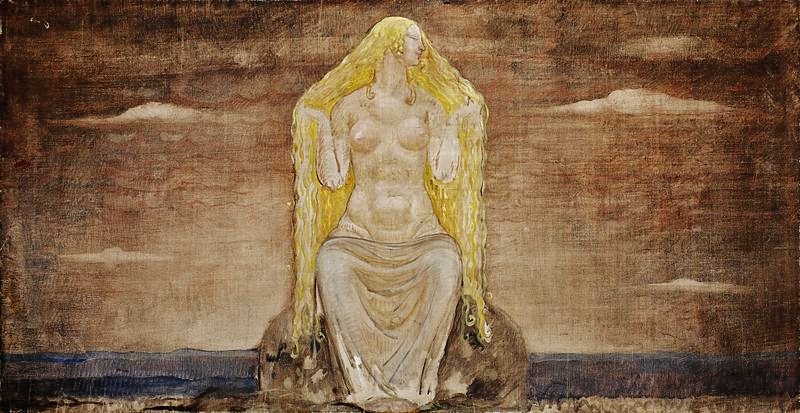
It is clear that Freya was the most beautiful of the Norse goddesses, and probably the most beautiful being in the Norse cosmos. Men, or rather giants, wanting to marry Freya for her beauty often caused the problems that started the adventures of the gods.
In one of the foundation stories in Norse mythology about Asgard itself, an unnamed builder offers to build the fortified walls around Asgard in exchange for the hand of Freya in marriage, the sun, and the moon. The gods are ready to refuse such a high price, but Loki convinces them that they can get the builder to build the walls for free by making the conditions of the task impossible. They demand he complete the walls in a single season without the help of another man. But the builder almost completes the walls thanks to the assistance of his mighty stallion Svadilfari.
The gods, fearing they will have to pay, turn their anger on Loki and demand he fix the problem. He shapeshifted into a beautiful mare to distract the stallion and get pregnant with Sleipnir, Odin’s magnificent eight-legged steed. The builder failed to finish the walls, and when the gods discover he was a giant, Thor killed him.
In a similar story, the giant king Thrym steals Thor’s hammer, saying he will only return it in exchange for Freya’s hand in marriage. Thor pressures her to go marry him, but Freya refuses to marry him or participate in any ruse. In the end, Thor is convinced to disguise himself as Freya and travel to Thrym’s hall to pretend to marry him. When the giant retrieved the hammer to sanctify the wedding, Thor stole it back and killed everyone present.
Freya’s Sexuality and Her Golden Necklace
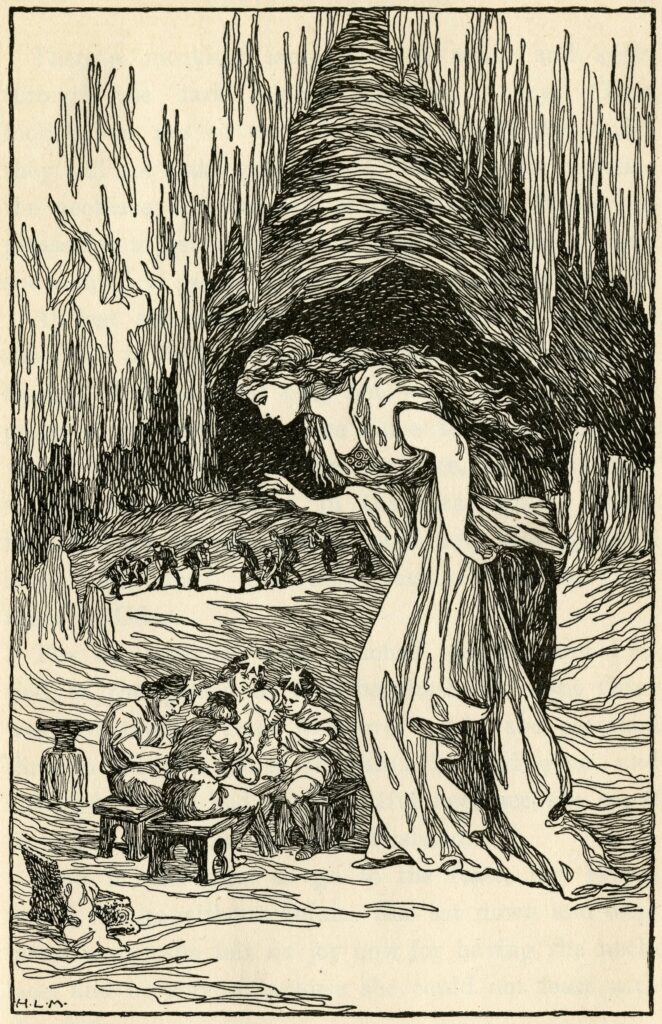
Despite her refusal to participate in the ruse against Thrym, Freya does not appear to have had a problem with using her beauty and sexuality to get what she wanted.
For example, she developed a deep desire for the necklace Brisingamen, the most beautiful piece of jewellery recorded in Norse mythology, made by four dwarven brothers.
The only payment for the necklace that the dwarves would accept was a night each with the goddess. It seems that Freya accepted willingly, probably thinking that sharing her ultimate art as the goddess of sexuality was a fair payment for this ultimate piece of art created by the dwarves.
War and Life After Death
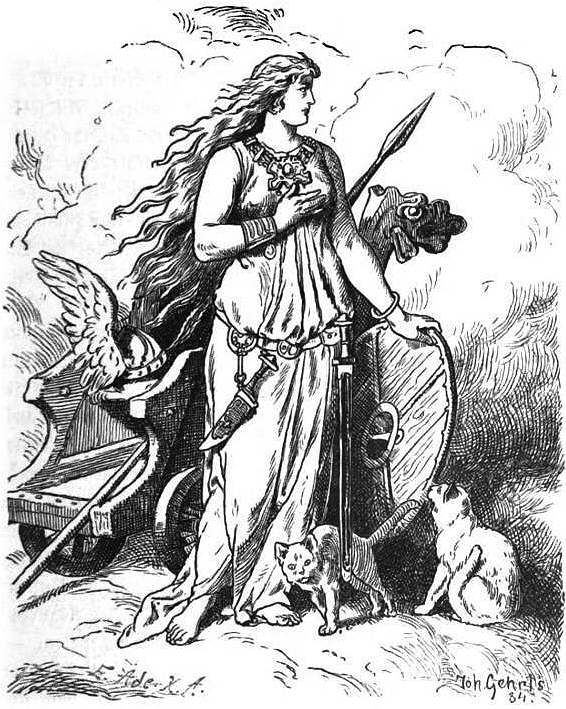
Freya was also a goddess of both war and death. According to Norse mythology, Freya collected half of the souls of fallen warriors on the battlefield to live in her home in Folkvangr. Odin collected the other half to live in Valhalla, a great hall in Asgard, where the souls would dwell until they were called on to fight again during Ragnarok, the end of the world.
However, unexpectedly, Freya appears to have had first choice of the fallen warriors, suggesting that the goddess had greater power in this realm than Odin, or that this was a favor that Odin bestowed on her for some unknown reason.
Others suggest that this is a misinterpretation of the sources and that Freya was a Valkyrie, one of the divine shieldmaidens who helped Odin decide the fate of battles and choose the bravest fallen warriors from the battlefield. This would make her a warrior goddess, though this is not mentioned anywhere else in mythology.
Regardless of whether she was a warrior or not, what happens to Freya during Ragnarok is unclear. Her demise is not mentioned in the Ragnarok prophecy.
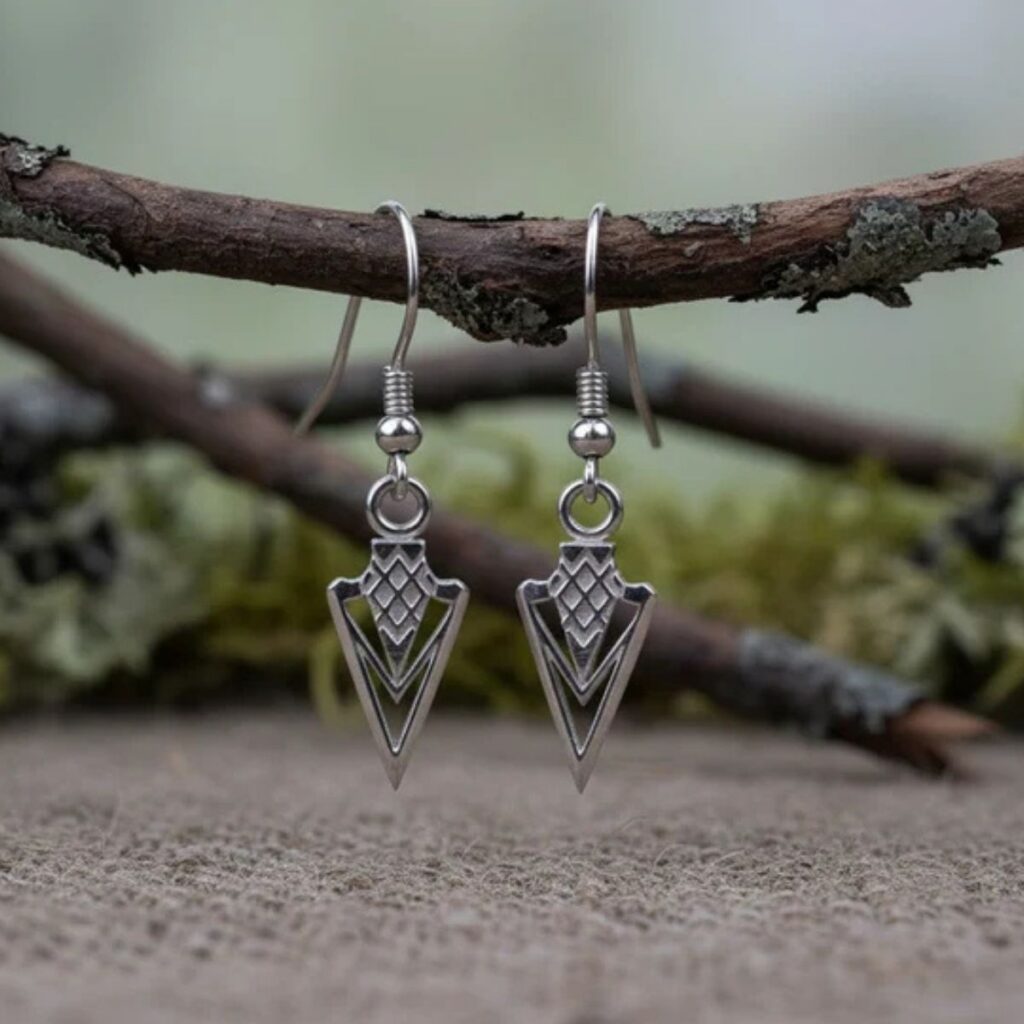
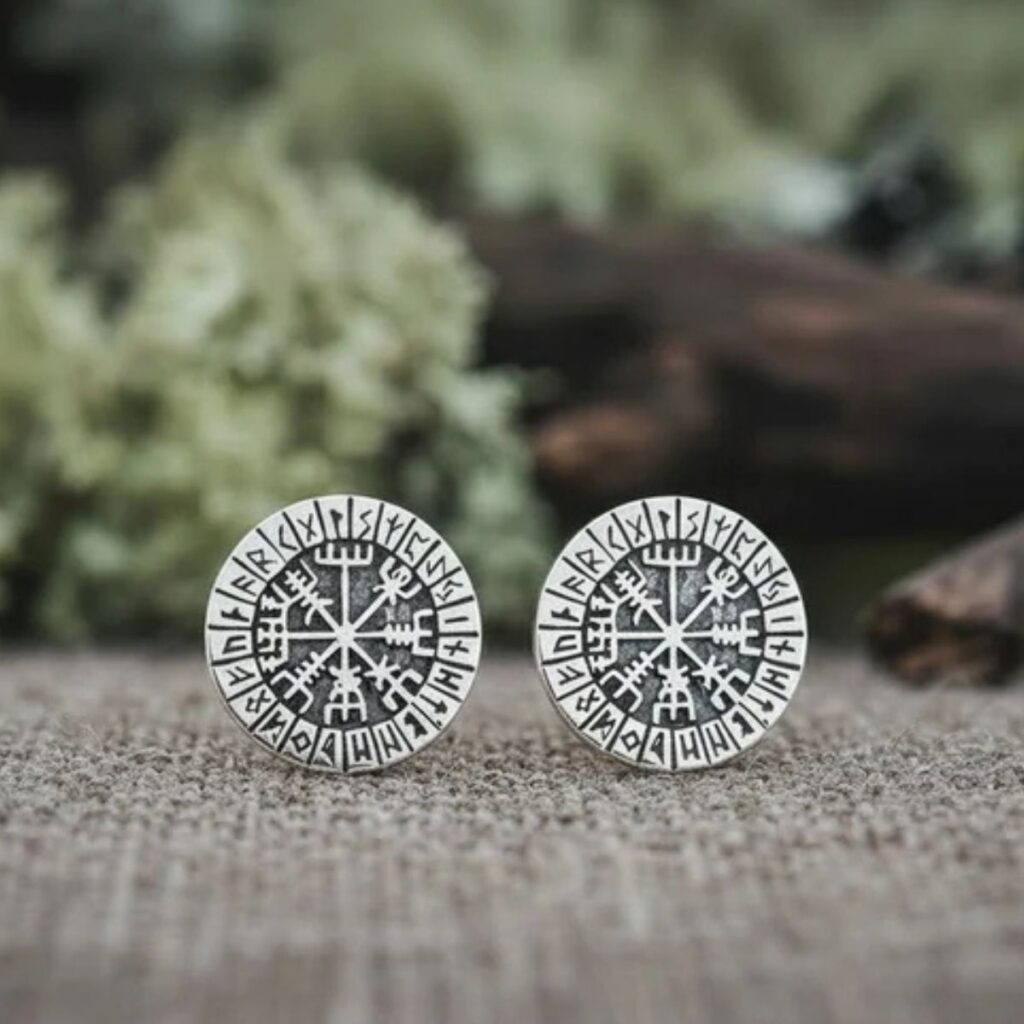
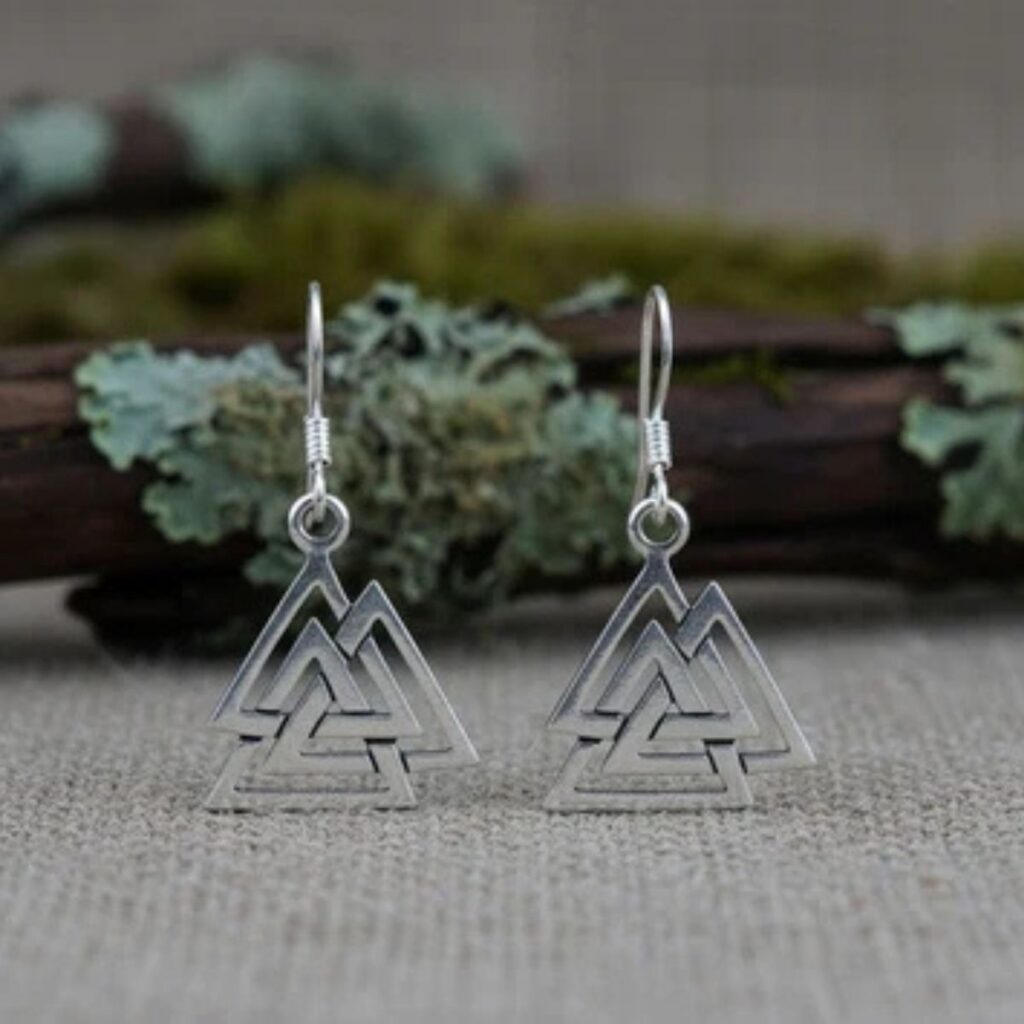
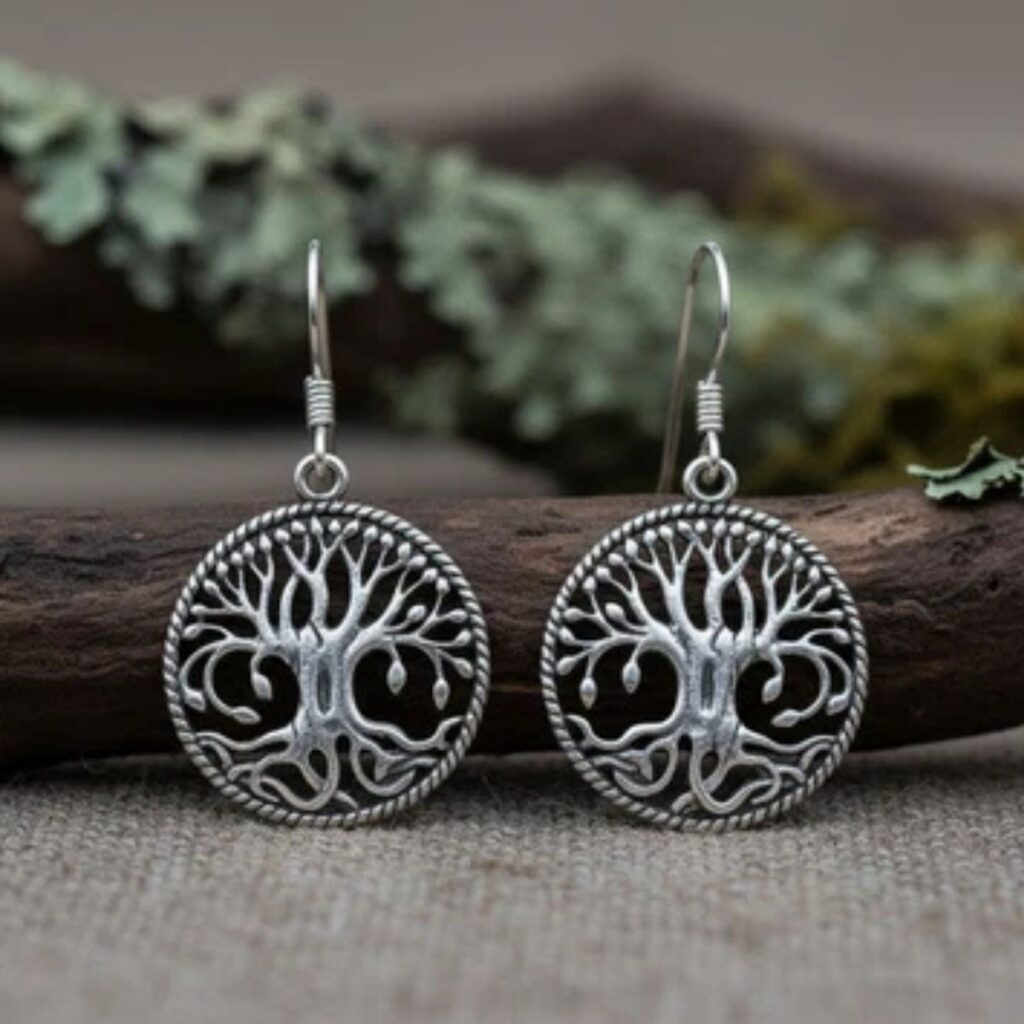
Embrace your inner Norse goddess with our selection of Norse-style earrings.
Freya the Volva

Freja was also considered the chief practitioner of Seidr magic. She was so proficient that when she arrived in Asgard, Odin asked her to teach him the art, even though it was principally associated with women. This made Freya the patron of Volva, Norse witches. But interestingly enough, she is never described practicing magic or the power of a seeress, one of the principal skills associated with the Volva and Seidr.
Freya’s Attributes
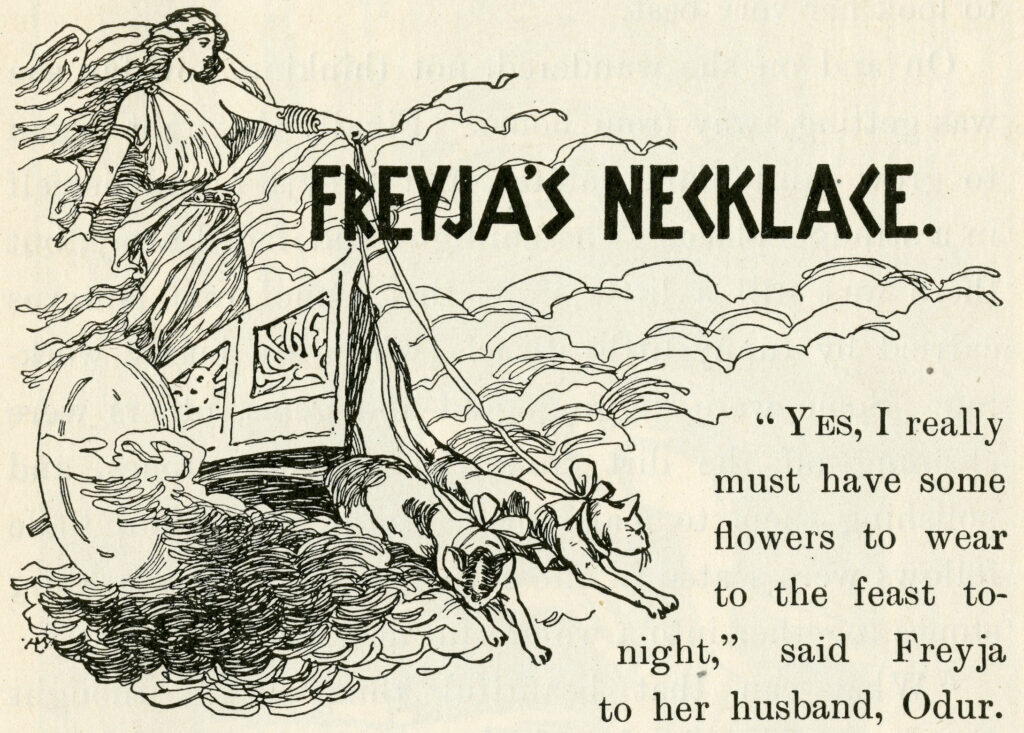
Many attributes were associated with the goddess Freya, all of which reveal different elements of her personality and purpose as a goddess.
Freya has a falcon-feathered cloak that would allow her to fly in the form of a falcon. According to one story, Freya lent this cloak to Loki to help him undo some of the mischief that he inflicted on the Norse gods. This cloak also associates Freya with shapeshifting.
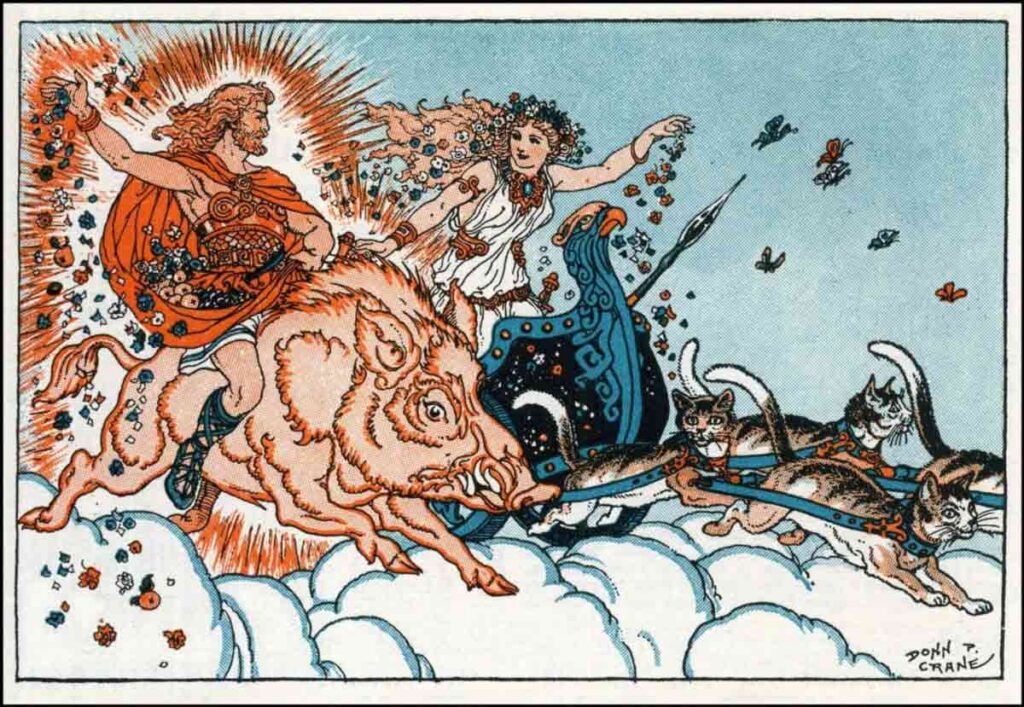
Like many of the Norse gods, Freya rode in a chariot, but her chariot was drawn by two cats, that were either black or grey, named Bygul and Trjegul.
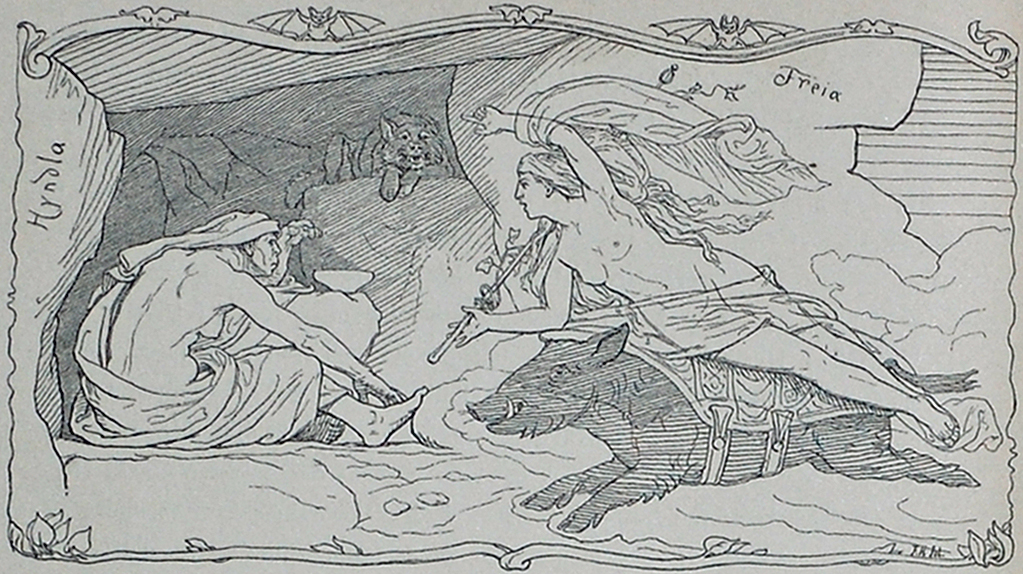
She was also known to ride a wild boar, and boars were associated with the Vanir gods. The boar that she rode, named Hildisvini, may have been her human lover Ottar in disguise. The goddess first turned him into a boar so that they would work together to uncover the secret of his giant ancestry so that he could claim his inheritance.
Freya and Odr as Odin and Frigg
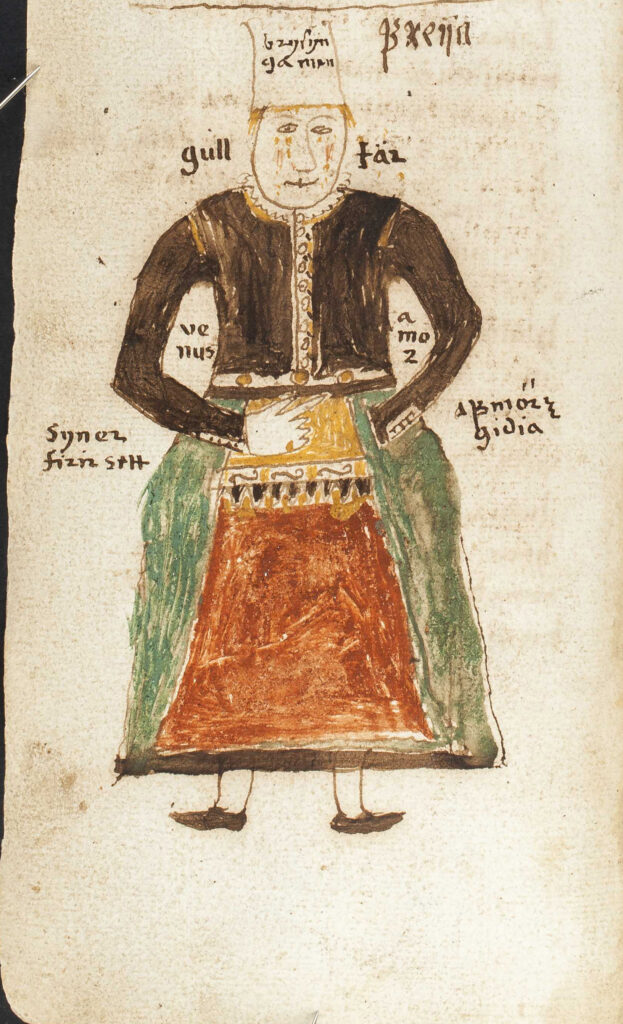
Some historians have suggested that Freya was the goddess Frigg, and that her husband Odr was Odin, who is known to have often wandered the world in his quest for wisdom. This would explain the many parallels between Freya and Odin, such as their association with the warrior afterlife and Seidr magic.
This may also explain why so little is known about Frigg, despite being the most important of the Norse goddesses, as her mythology was largely given to Freya. This may also explain the suggestion that Frigg was a great seeress who knew everyone’s destiny, but never tells anyone what she sees.
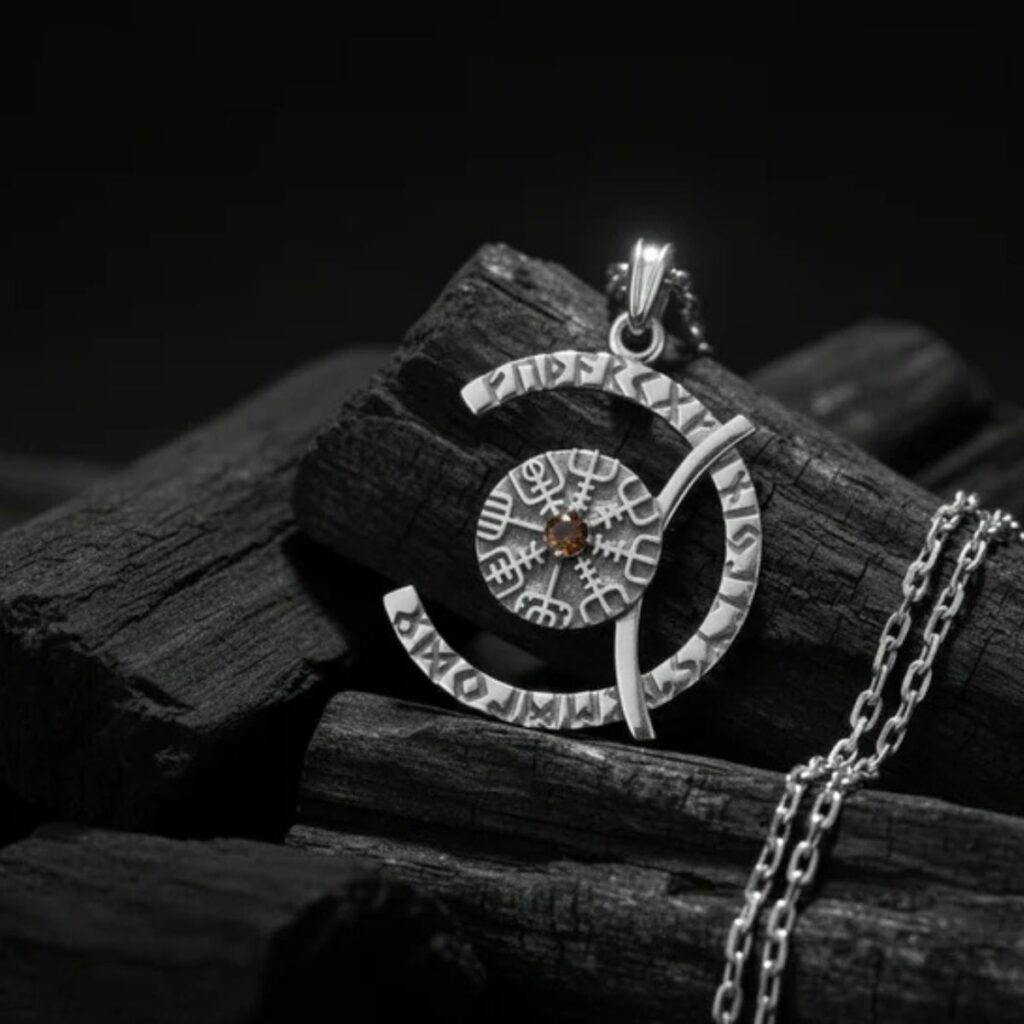
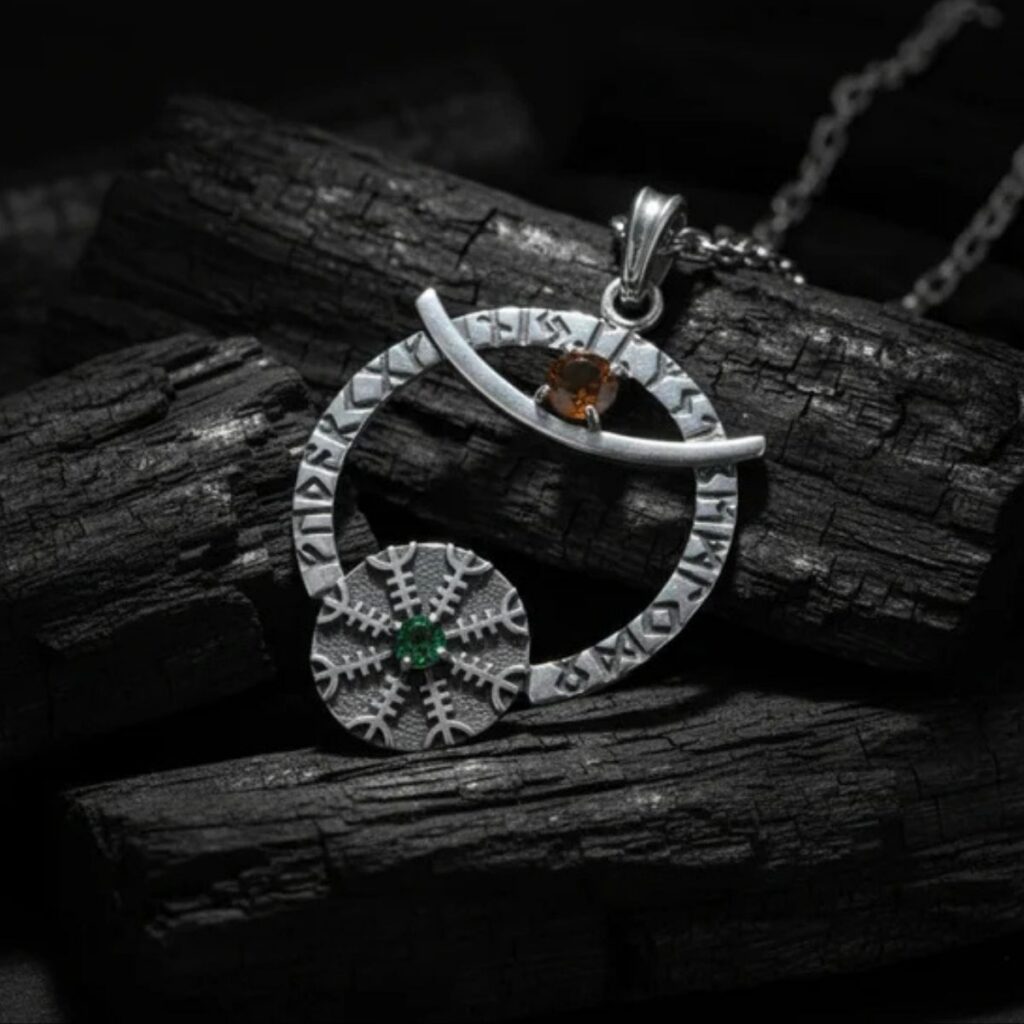
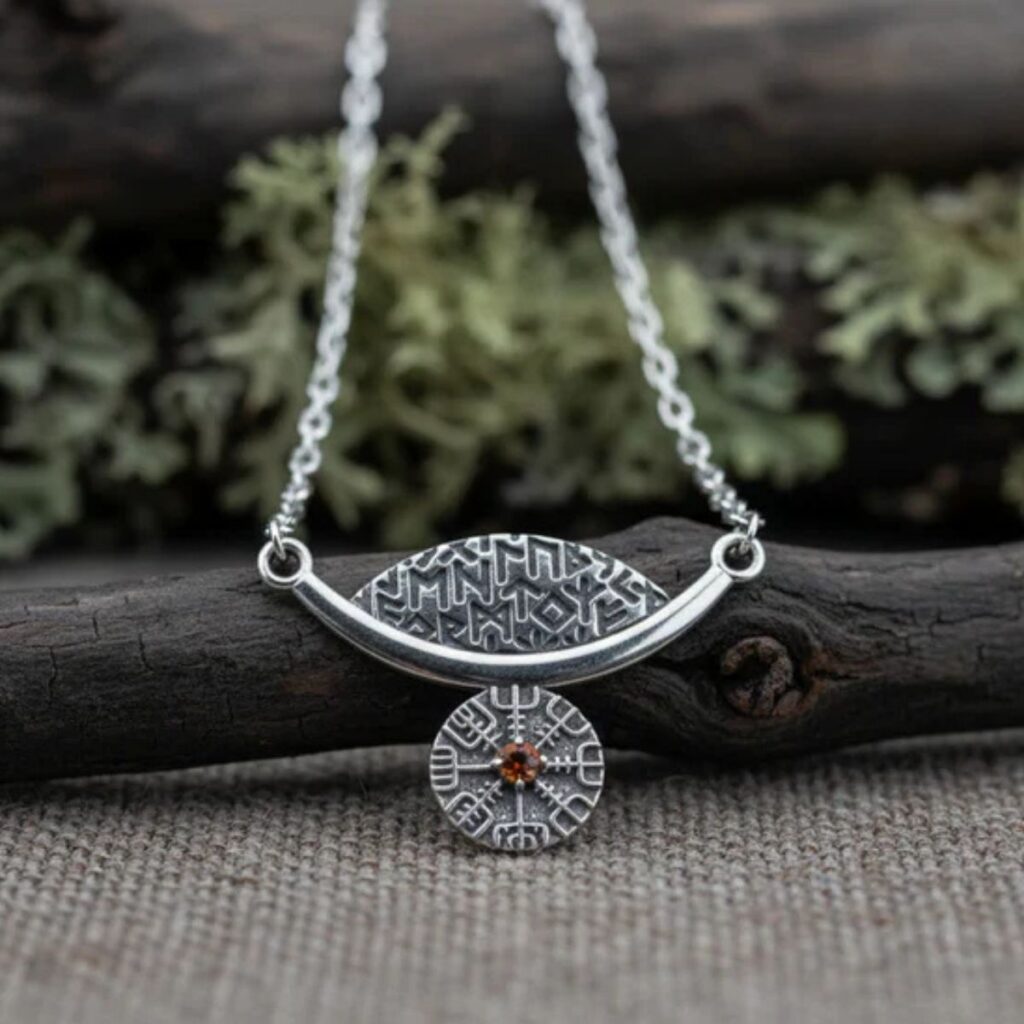
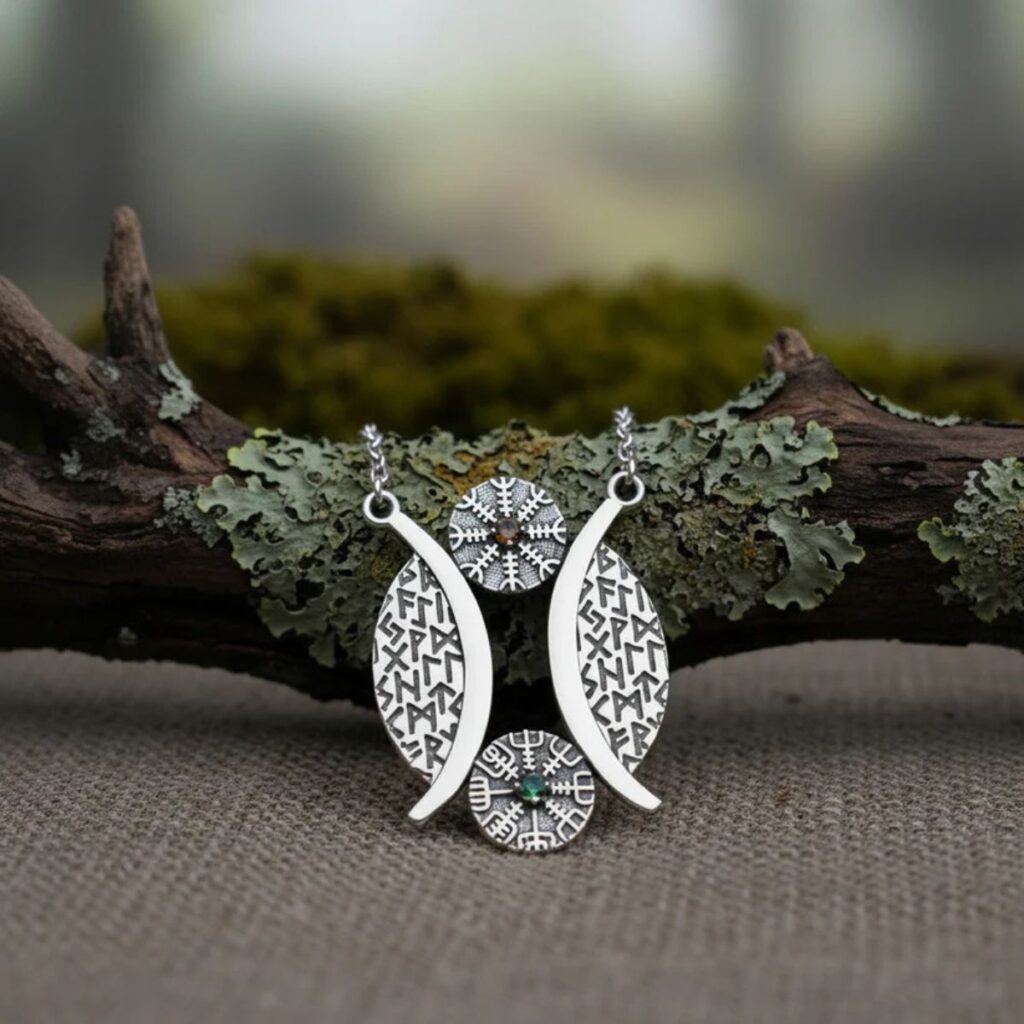
Freyja famously wore a brilliant golden necklace called Brisingamen that she acquired from the dwarves. As a woman of taste, she would probably love some of the modern Norse necklaces in our Vikings of the Third Millennium Collection.
FAQs
Who was Freya in Norse mythology?
Freya was the most popular Norse goddess, revered primarily for love, beauty, fertility, war, and Seidr magic.
What does the name “Freya” mean?
In Old Norse, the name means “lady” and originated as an honorific title that eventually replaced her true personal name.
How did Freya come to live among the Aesir gods?
She was originally a Vanir goddess who was sent to Asgard as a hostage following a war between the two divine races.
Who was Freya married to according to Norse myths?
She was married to a wandering god named Odr, whom she frequently searched the cosmos for while weeping golden and amber tears.
Why were giants constantly trying to marry Freya?
She was considered the most beautiful being in the entire Norse cosmos, making her a prized condition in several legendary bargains.
How did Freya obtain her famous necklace, Brisingamen?
She acquired the exquisite necklace by agreeing to spend a single night with each of the four dwarven craftsmen who made it.
What role did Freya play regarding the hero’s afterlife?
She chose half of all fallen warriors from the battlefield to reside in her home, Folkvangr, before Odin claimed the remaining half.
What was Freya’s connection to magic?
She was the chief practitioner of Seidr magic and even taught the art to Odin upon her arrival in Asgard.
How did Freya travel across the realms?
She rode in a chariot pulled by two large cats and possessed a falcon-feathered cloak that allowed her to fly.
Are Freya and the goddess Frigg related or the same entity?
Some historians believe Freya and Frigg were originally the same goddess due to their overlapping traits and similar wandering husbands.