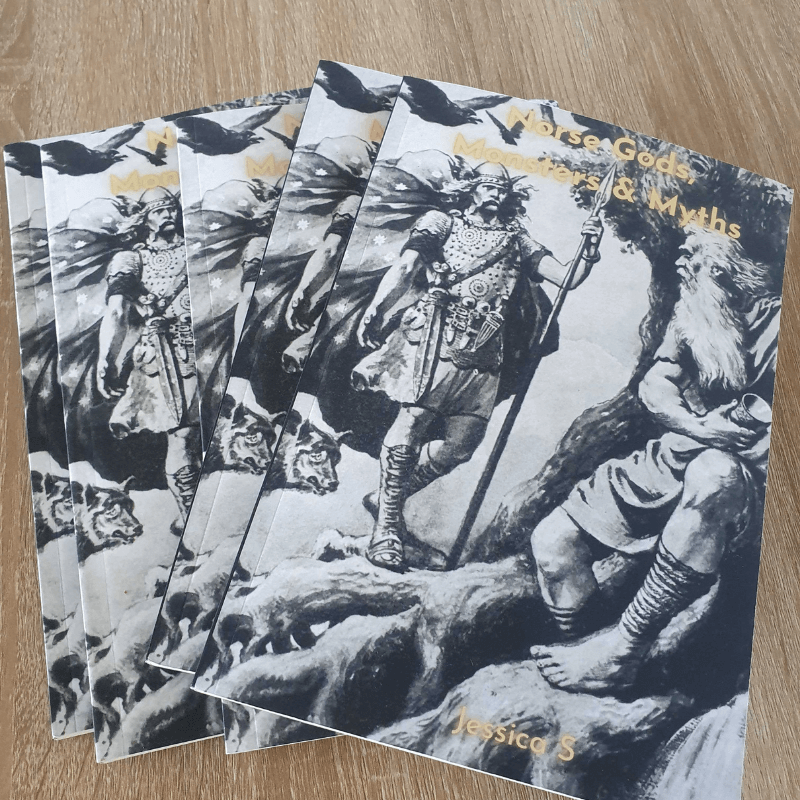
When we think of the Norse gods, we think of the mighty Aesir gods: Odin, the god of war and wisdom; Thor, the god of thunder; and Heimdall, the ever-vigilant guardian. These were the gods of the mighty stronghold of Asgard that the Vikings believed brought order and security to the cosmos. But they were not the only gods.
According to Norse mythology, there was another clan of gods, the Vanir. These gods were associated with nature and magic, whose influence over the world was just as prevalent as the Aesir counterparts.
Who were the Vanir gods and how did they differ from the Aesir?
The Aesir-Vanir War

We first meet the Vanir gods in Norse mythology near the beginning of time. Creation has happened, and Odin and his brothers have made Midgard as the realm of men, but Asgard does not yet have its mighty fortifications. At this time, the Aesir and the Vanir go to war.
The reasons for the war are not explicitly given. It seems that there is disagreement on the tribute that the different gods should receive from mankind. The Aesir also seem to see the Vanir as a threat to the ordered universe they have created, in the same way that the giants (Jotun) were a chaotic threat. The sources specifically state the Vanir engaged in brother-sister marriages, which was illegal among the Aesir, suggesting that, in general, the Vanir engaged in practices the Aesir considered uncivilized.
Whatever the cause, the Aesir and the Vanir went to war. The Vanir actually seem to have been winning the war, as they trampled through the plains of Asgard. Also, the Vanir goddess Gullveig, who is described as a witch (Volva), penetrated the heart of Asgard. She was speared and burned three times, but she kept magically coming back to life.
Again, it is not explained exactly why, but a peace agreement was reached. It was sealed by both the Aesir and Vanir spitting into a vat, which was kept as a symbol of their truce. But they also decided not to waste the valuable spittle, and it was used to make a man named Kvasir, who was extremely wise. The suggestion is that he contained the knowledge of both races.
An Uncomfortable Peace

When peace was made, hostages were exchanged. The Vanir god Njord and his two children, Freyr and Freyja, were sent to live among the Aesir. The siblings were married, so their marriage was annulled, but aside from that, they seem to have been readily accepted among the Aesir. Freyja, the goddess of love and beauty and an expert in Seidr magic, taught the magical practice to Odin, and both Freyja and Njord were made priests among the gods.
Aesir hostages were also sent to Vanaheim, the realm of the Vanir, specifically the charismatic god Hoenir and the wise god Mimir. Hoenir was so charismatic that the Vanir immediately chose him as their new leader, and he gave good advice with Mimir there to counsel him. But the Vanir soon realized that Hoenir gave only empty platitudes when Mimir was not around to whisper in his ear. They became suspicious and killed Mimir, sending his head to Odin.
Fortunately, this did not spark another war. Instead, Odin magically reanimated the head of Mimir and installed it at the Well of Wisdom so that he could still consult it for advice.
While the Vanir choosing Hoenir as their leader might suggest that the Aesir had the upper hand in the truce negotiations, they also had to make concessions. It is well-known that Odin chose the bravest fallen warriors to live in his afterlife of Valhalla. But Freyja did the same, choosing the brave fallen to live in her afterlife of Folkvangr. The sources suggest that she got first choice of the fallen, which may have been something agreed during the truce.
There may have been lingering suspicion between the two clans, as it was after this war that the Aesir decided to fortify Asgard. We know this because Freyja is described as already living among the Aesir when the mysterious builder arrives and offers to build the walls. In payment, he wants the sun, the moon, and Freyja’s hand in marriage. In the end, the Aesir killed the builder.
Known Vanir Gods

The only gods explicitly described as Vanir gods are the volva Gullveig, Njord, and his two children.
Njord was a god of the sea and wind, who was famously “craggy” like the sea. When the giantess Skadi came to Asgard looking for revenge for the death of her father, the Aesir paid her off. Among other things, she was allowed to choose a husband, but had to pick by looking only at their feet. Wanting to marry the beautiful god Balder, she chose the most attractive feet, which ended up belonging to Njord. She was disappointed by his sea-worn appearance. The marriage did not last long, as she could not stand to live in his busy seaside home, and he did not like her cold, mountainous home.
Freyr was a fertility god linked with fair weather, good harvests, good luck, and masculinity. He was represented by a phallus, and the kings of Sweden and Norway claimed descent from him. Freyr was also considered the ruler of Aflheim, the land of the elves, which was given to him as a tooth gift. He appears rarely in stories from Norse myth, which is surprising, as he was one of the most popular Norse gods in terms of his worship.
In the 12th century, the Icelandic Christian writer Snorri Sturluson said he was the most renowned of the Norse gods. In the 11th century, the Danish Christian writer Adam of Bremen described his cult image and temple, suggesting that Odin, Thor, and Freyr were the most worshipped Norse gods.
Like her brother, Freyja is the most worshipped female deity from Norse myth. The goddess of love and beauty, she was also associated with fertility. Unlike her brother, she regularly appears in Norse myths. Trouble in Asgard usually starts with a giant wanting Freyja’s hand in marriage.
A Complex Family Tree
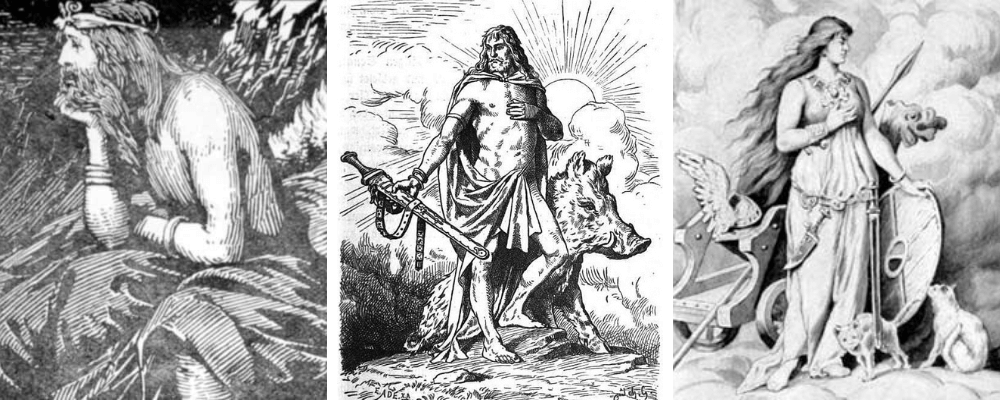
It is intriguing that while the Vanir, specifically Freyr and Freyja, were among the most important gods worshipped by the Vikings, in general, the Vanir play a minimal role in recorded Norse mythology. The exception to the rule is Freyja, but scholars believe that she absorbed aspects of other, less important, female deities, which gave her a more important role in Norse stories.
It makes sense that gods associated with fertility and nature would be important in the Norse world. While the Vikings were certainly warriors, they were also farmers. An extra-long winter or violent storms could disrupt food production and lead to famine.
The fact that we do not know more about the Vanir may also relate to how Norse mythology is recorded. The Vikings did not write down their own myths; they were recorded by later Christian authors as an academic curiosity. They may have had their own reasons to focus on the stories of the Aesir rather than the Vanir.
Discover Yggdrasil in the VKNG Collection
If you feel inspired by the Vanir nature gods, embrace the natural Norse world with Yggdrasil world tree pieces in the VKNG Collection.
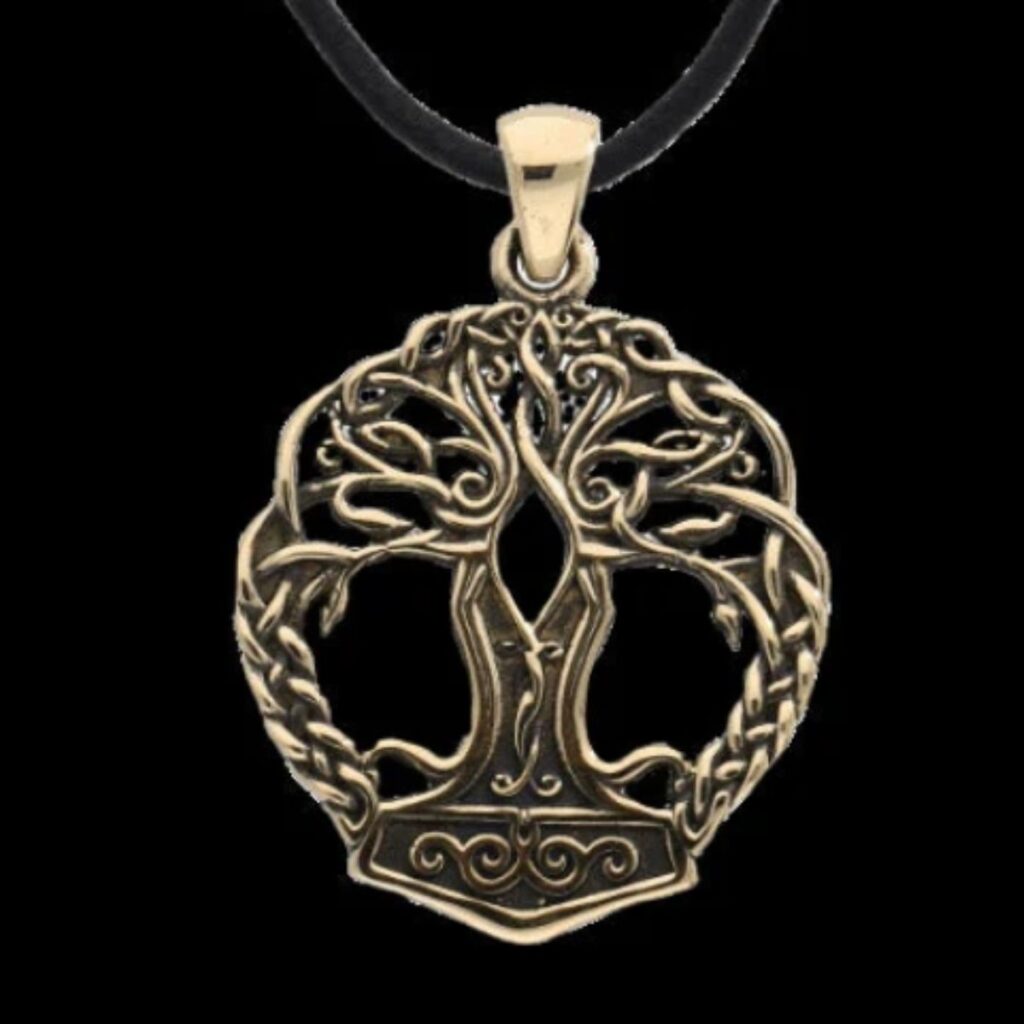
This bronze pendant combined Yggdrasil with a classic Thor’s hammer pendant, a popular symbol of protection in the Viking age, combining two potent symbols.
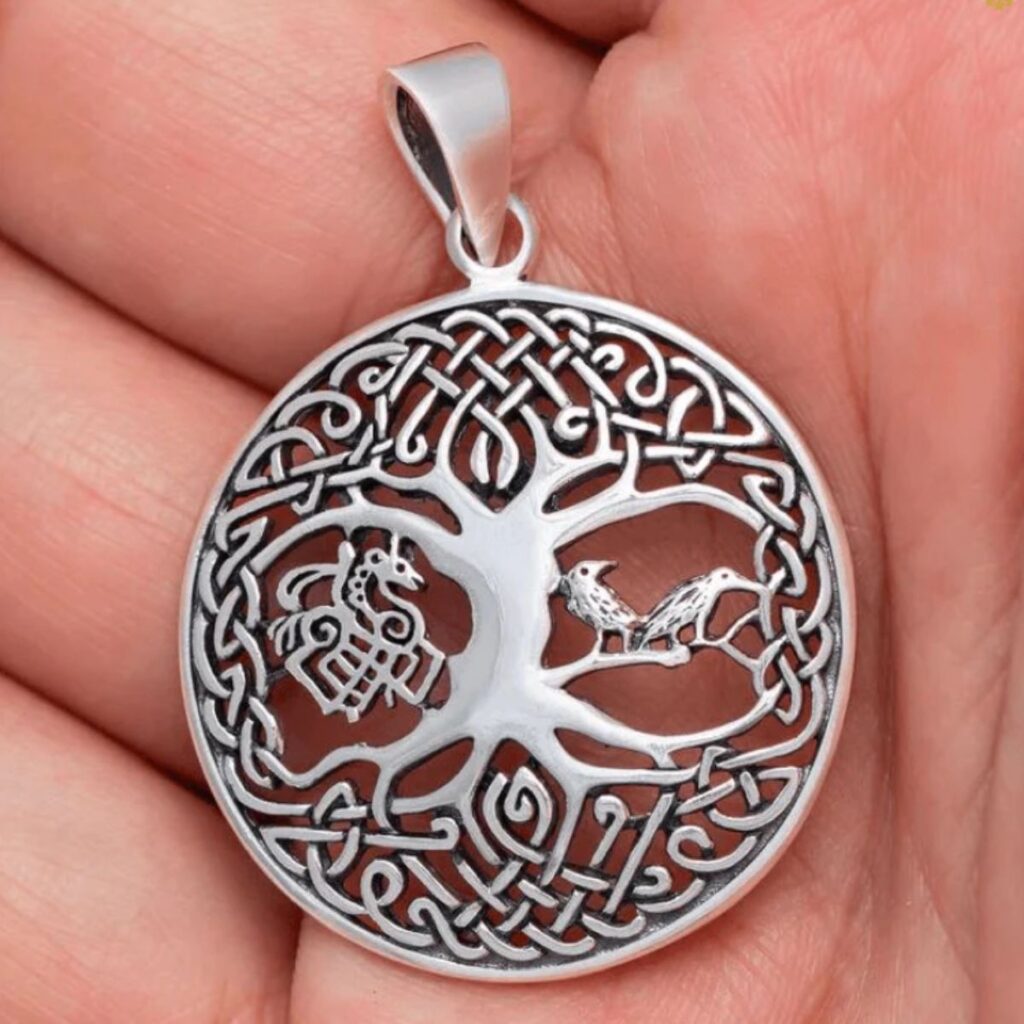
This sterling silver Yggdrasil pendant explores similar themes to the Viking tapestries, with Odin’s ravens and steed Sleipnir among the branches of the mighty world tree.
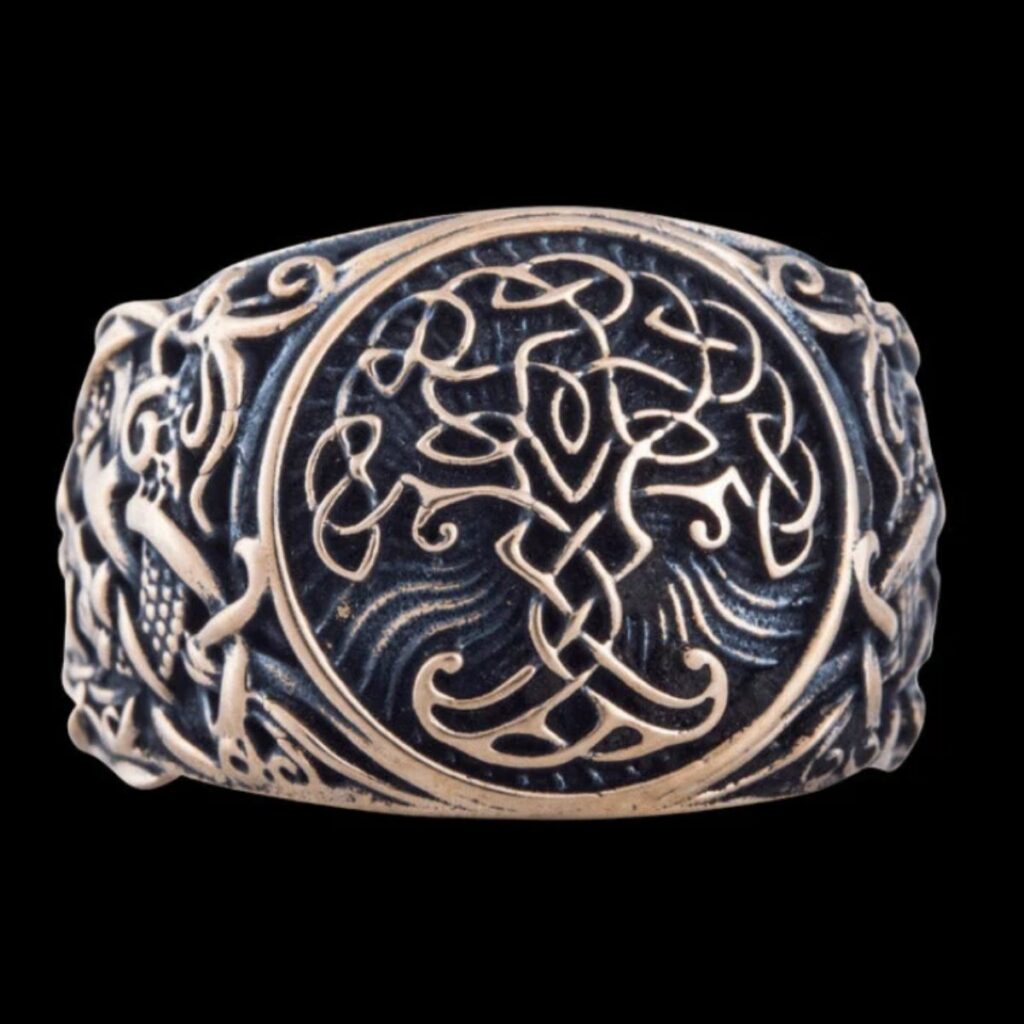
This bronze signet ring is the ideal way to adopt Yggdrasil as your symbol, celebrating the interconnectedness of all things and the power in understanding and recognizing those connections.
Famously, Odin saw the Norns writing fate into the bark of Yggdrasil with the runes. He hung himself from the tree for nine days and nights to learn the secrets of the runes. This is why Yggdrasil and the runes are intimately interconnected.
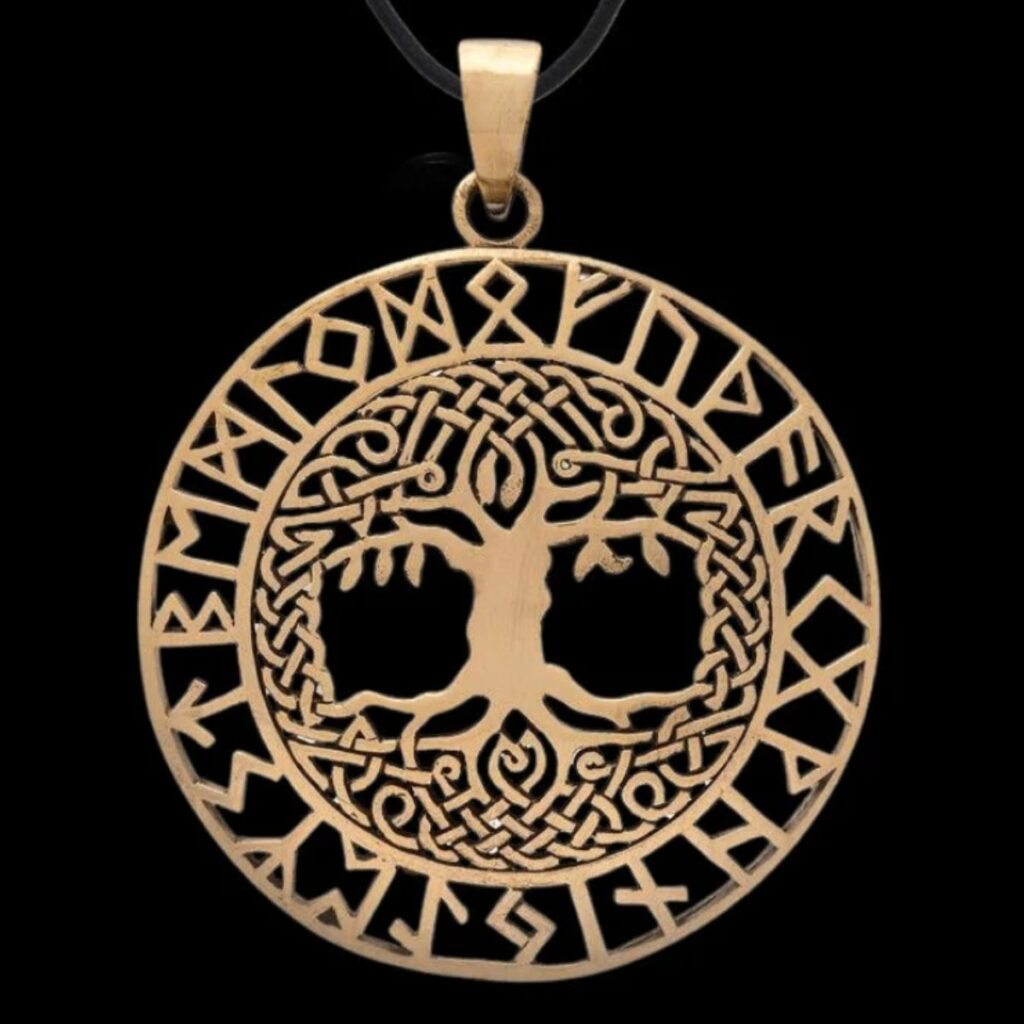

This bronze, antique-looking pendant expresses the power and beauty of Yggdrasil with a simple but compelling design.
FAQs
Who were the Vanir gods, and how did they differ from the Aesir?
The Vanir were a clan of Norse deities associated with nature, magic, and fertility, contrasting with the Aesir who focused on war, order, and governance. They also practiced traditions considered uncivilized by the Aesir, such as sibling marriage and powerful Seidr magic.
What caused the war between the Aesir and the Vanir?
The war began over disagreements regarding human tributes and the Aesir’s fear that the Vanir’s chaotic nature threatened cosmic order. Tensions were further escalated by cultural clashes over Vanir practices and the presence of the magically resilient witch Gullveig in Asgard.
How was the peace agreement between the two god clans sealed?
The truce was established by both clans spitting into a shared vat, from which the exceptionally wise being Kvasir was created to embody their joint knowledge. Additionally, the peace was cemented through a hostage exchange that brought key deities into each other’s realms.
Which hostages were exchanged following the Aesir-Vanir War?
The Vanir sent Njord and his children, Freyr and Freyja, to live among the Aesir, where they were made priests and integrated into Asgard. In return, the Aesir sent Hoenir and Mimir to Vanaheim, though the Vanir eventually beheaded Mimir after realizing Hoenir relied entirely on Mimir’s counsel.
Who are the primary known Vanir gods mentioned in Norse mythology?
The explicitly named Vanir gods include the sea god Njord, his fertility-god son Freyr, his love-and-magic-goddess daughter Freyja, and the witch Gullveig. Despite their small representation in written texts, Njord, Freyr, and Freyja were among the most widely worshipped figures in the Norse pantheon.