While it is not something most people think about on a daily basis, most people know that some of the English-language days of the week are named after the Norse gods. For example, Thursday is named for Thor and Friday for Freyja. But how did that come to be? It is not as simple as the Vikings coming over and bringing the days of the week with them. In fact, Anglo-Saxon use of these days predates Viking raids and settlement.
Where Does the Calendar Come From?
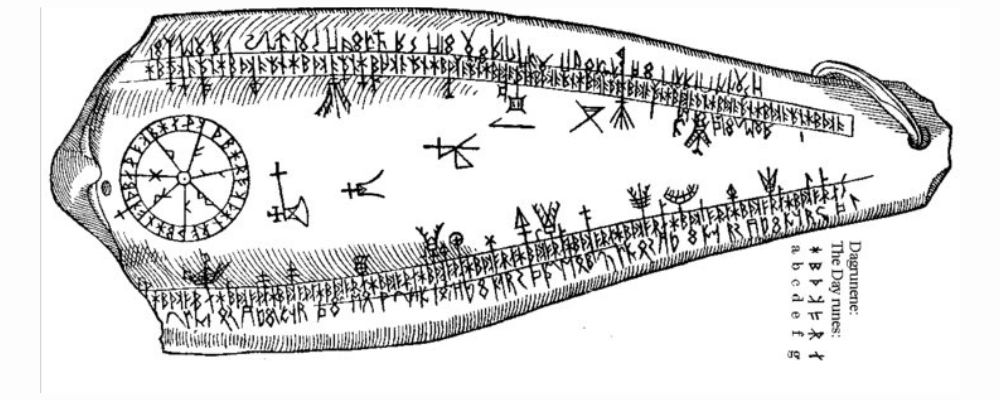
While people have always looked for ways to calculate time, calendars have been unreliable for much of history. Beyond the pesky quarter day each year that gives us a leap year every four years, many ancient civilizations had lunar calendars. This meant that months and seasons quickly fell out of sync, and festival months had to be held regularly to make up the difference. This is why most ancient dates should be treated with caution, as people just didn’t count time the same way we do today.
We started to move towards the modern calendar in the 1st century BC when Julius Caesar, having spent time with astrologers and mathematicians while in Egypt with Cleopatra, came back to Rome and introduced the 12-month Julian calendar. It looks more or less like the modern calendar, though improvements were made over the centuries.
It was not long after this that the Romans also moved from the eight-day week to the seven-day week. They named these days for the celestial bodies in the sky, which makes sense since they were used to calculate time. We know that practice existed by AD 60, as an inscription from Pompeii dating to that year says that the 6th of February was a Sunday.
Naming the Days of the Week
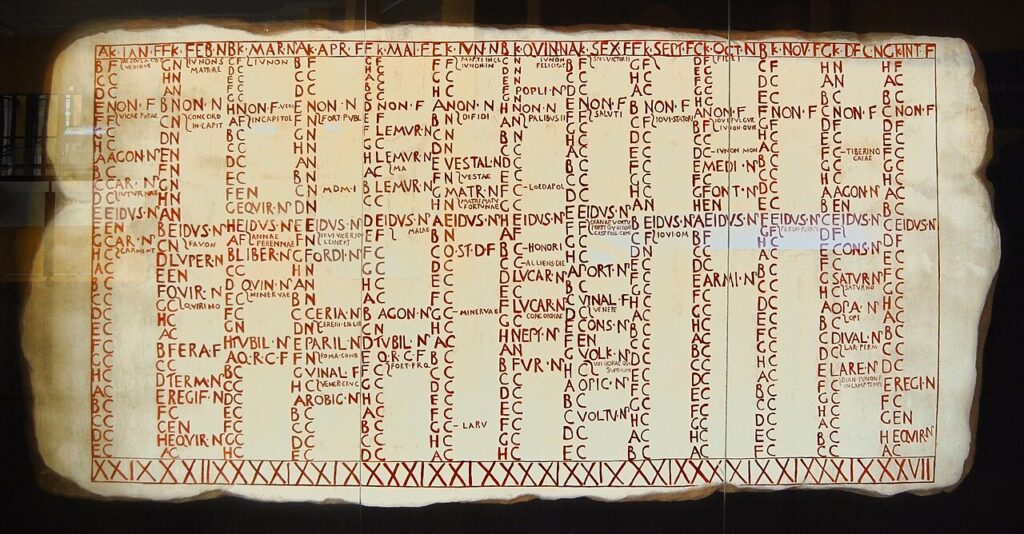
The Romans called the days:
| Day | Latin Name | God |
| Sunday | Dies Solis | Sol Invictus (Helios) god of the sun |
| Monday | Dies Lunae | Luna (Selene) goddess of the moon |
| Tuesday | Dies Martis | Mars (Ares) god of war |
| Wednesday | Dies Mercurii | Mercury (Hermes) god of messengers |
| Thursday | Dies Iovis | Jupiter (Zeus) the principal god |
| Friday | Dies Veneris | Venus (Aphrodite) goddess of love |
| Saturday | Dies Saturni | Saturn (Cronos) god of the harvest and time |
As the Roman Empire spread, so did its calendar, and it was widely adopted across Europe. It was adopted both by people within the Roman Empire, such as the Britons in Roman Britain, and by people beyond its borders, such as the Germanic tribes in the northwest.
The Germans, who had not adopted the Roman gods, renamed the days of the week by looking for the comparable gods in their own culture, who were proto-Norse gods.
When the Anglo-Saxons moved into England following the fall of Roman Britain, they brought these days of the week with them. So, these names were already in use before the Vikings even arrived.
Sol or Sunna, Goddess of the Sun – Sunday
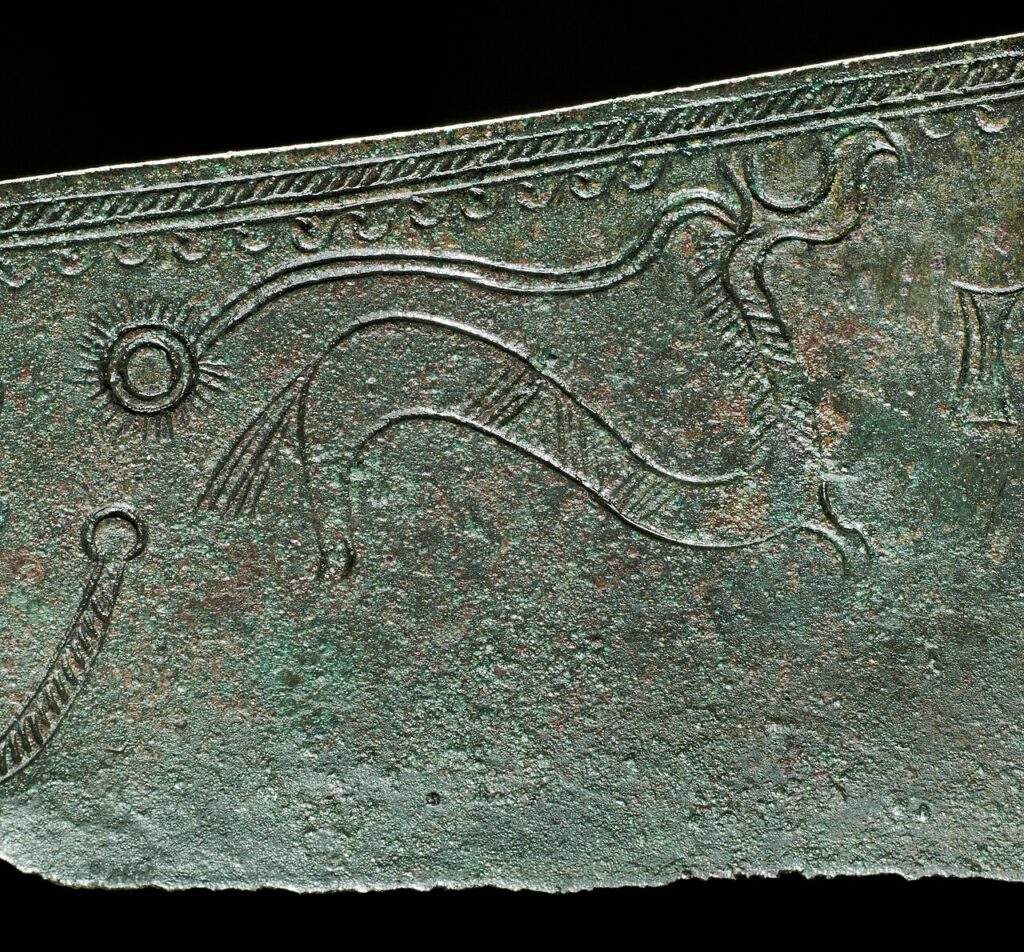
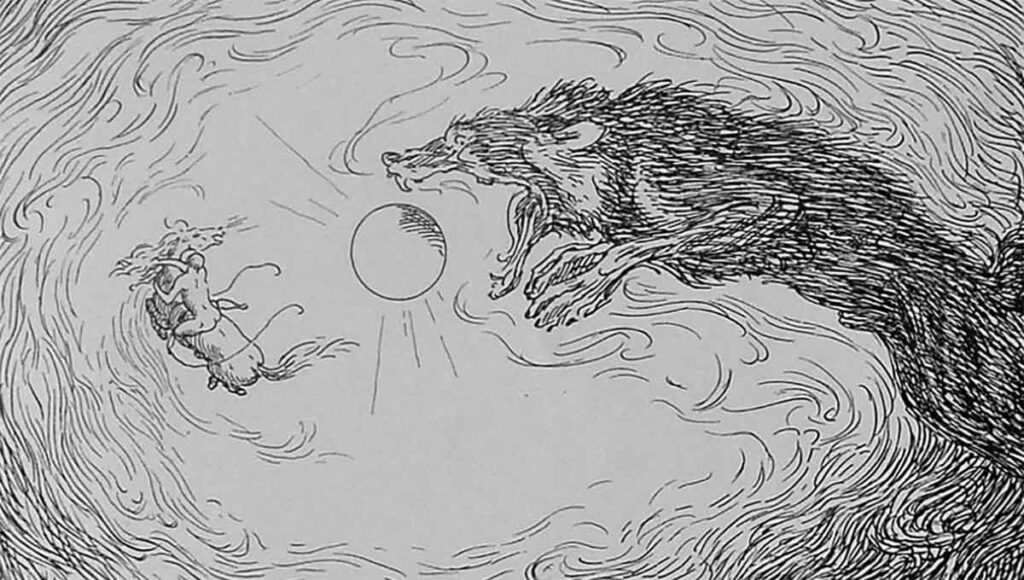
Sol, or Sunna in Old German, pulls the sun across the sky each day in her sun chariot. She is the sister of Mani, the god who pulls the moon chariot.
Both are incessantly pursued by the giant wolves Skoll and Hati, who are intent on devouring them. At Ragnarok, they will finally catch their prey, plunging the world into darkness as the end of days dawns.
Sol may be considered among the Vanir gods, who were more closely connected with nature. In the Merseburg incantations, Old High German spells dating to the 9th or 10th century, she is described as singing magical charms. This suggests she was a practitioner of Seidr magic, which was also associated with the Vanir.
Mani, God of the Moon – Monday
While Sol draws the sun chariot, Mani draws the moon chariot, followed by his children, seemingly adopted from mankind, Hjuki and Bil, which may be meant to represent stars or comets.
The Poetic Edda suggests that the moon had many different names. It recounts that it was called the “moon” by mankind, the “fiery one” by the gods, the “whirling wheel” in Helheim, the “hastener” by the giants, the “shiner” by the dwarves, and the “counter of years” by the elves.
Tyr, God of War and Justice – Tuesday
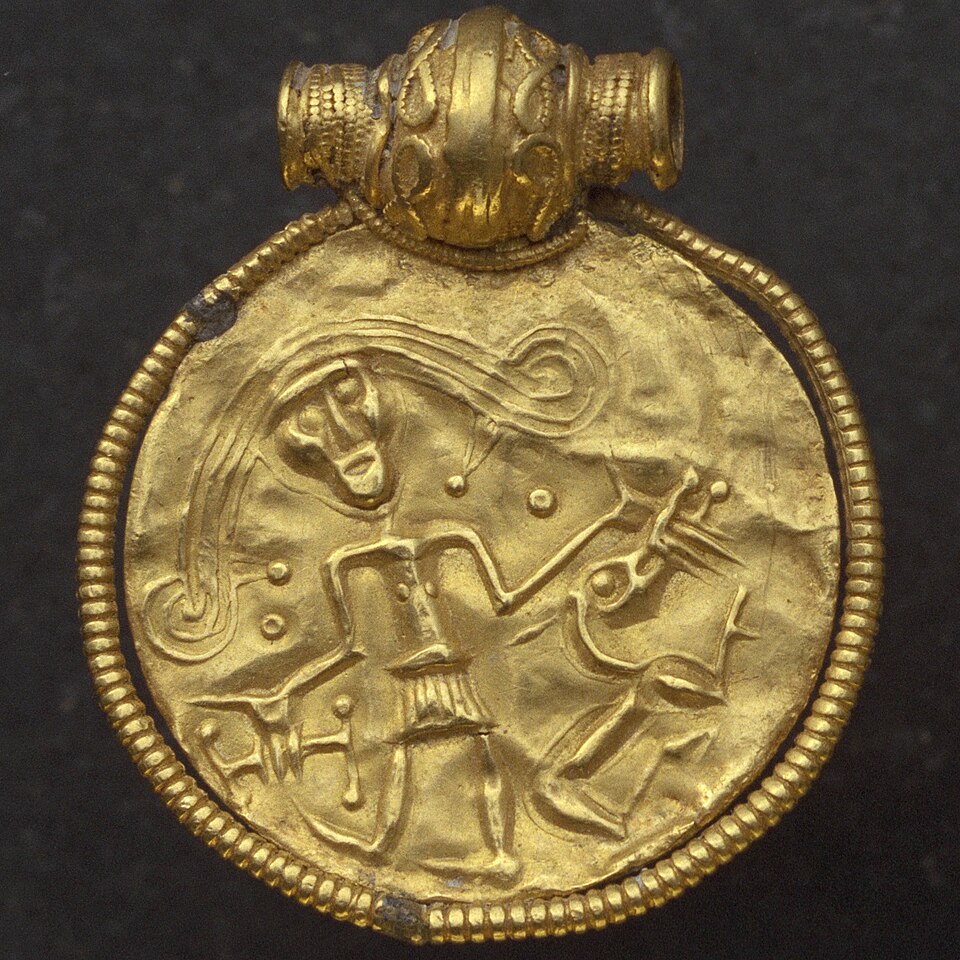
Tyr seems to have been the original Norse god of war, later superseded in importance by the Romans. But he was still considered among the most important Norse gods, listed among the 12 enthroned in high seats in the Skáldskaparmál. This is reinforced by the fact that his name simply means god, with Odin himself often being called “victory-tyr” or “chariot -tyr.”
He gained a reputation for justice due to his role in the story of the wolf Fenrir. The gods decided that this son of Loki was too dangerous to be allowed to wander free and that he had to be imprisoned. But the wolf was too strong to subdue with force, so they had to trick the wolf into letting himself be chained up so that he could show his strength by breaking the chains.
While Fenrir cooperated for a while, he eventually became suspicious. He only agreed to don the chains if one of the gods would put their hand in his mouth as a guarantee. Naturally, none of the gods was willing, as they knew that it was indeed a trick. But Tyr eventually agreed and lost his arm to imprison the wolf.
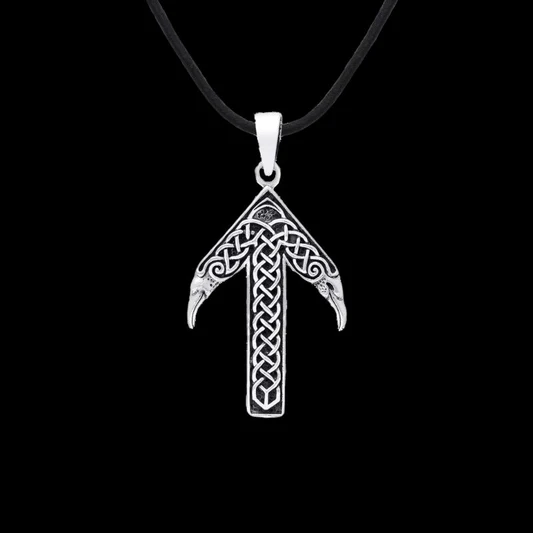
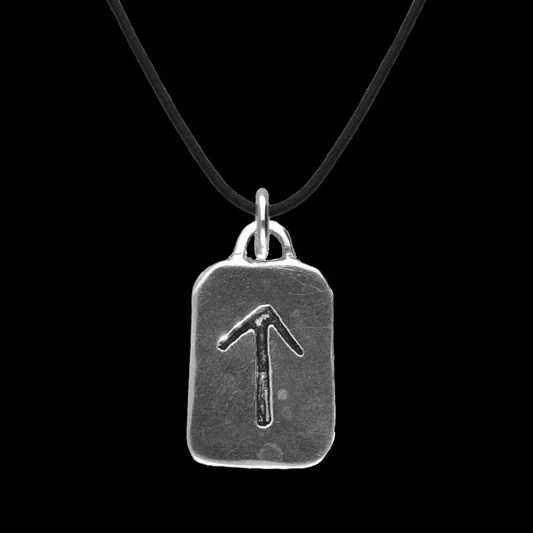
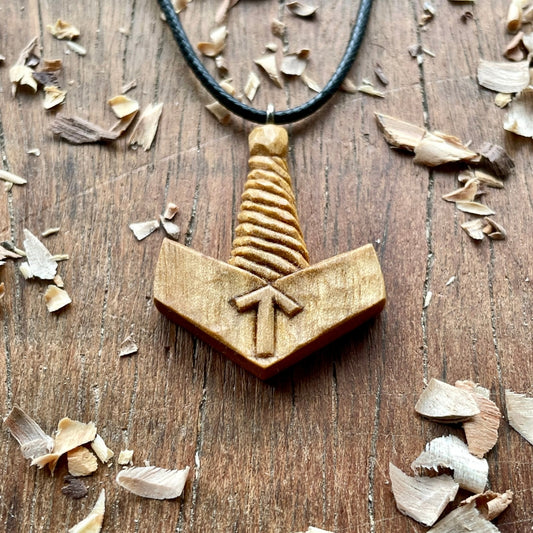
Tyr was associated with the Tiwaz rune, which was often used as a symbol of strength and protection. You can find Tiwaz rune-inspired pieces in the VKNG collection.
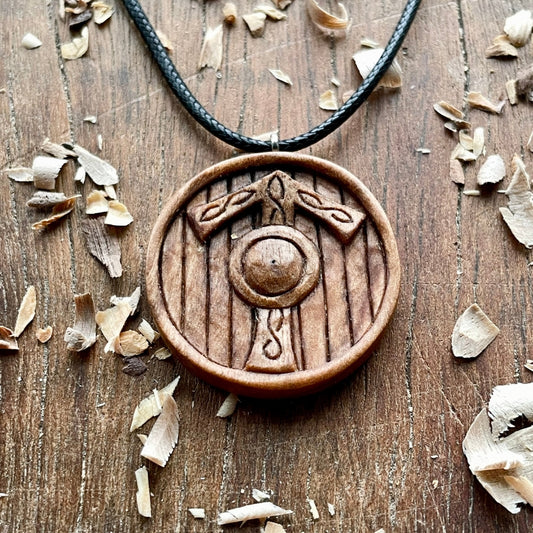
Wodin, God of War and Wisdom – Wednesday
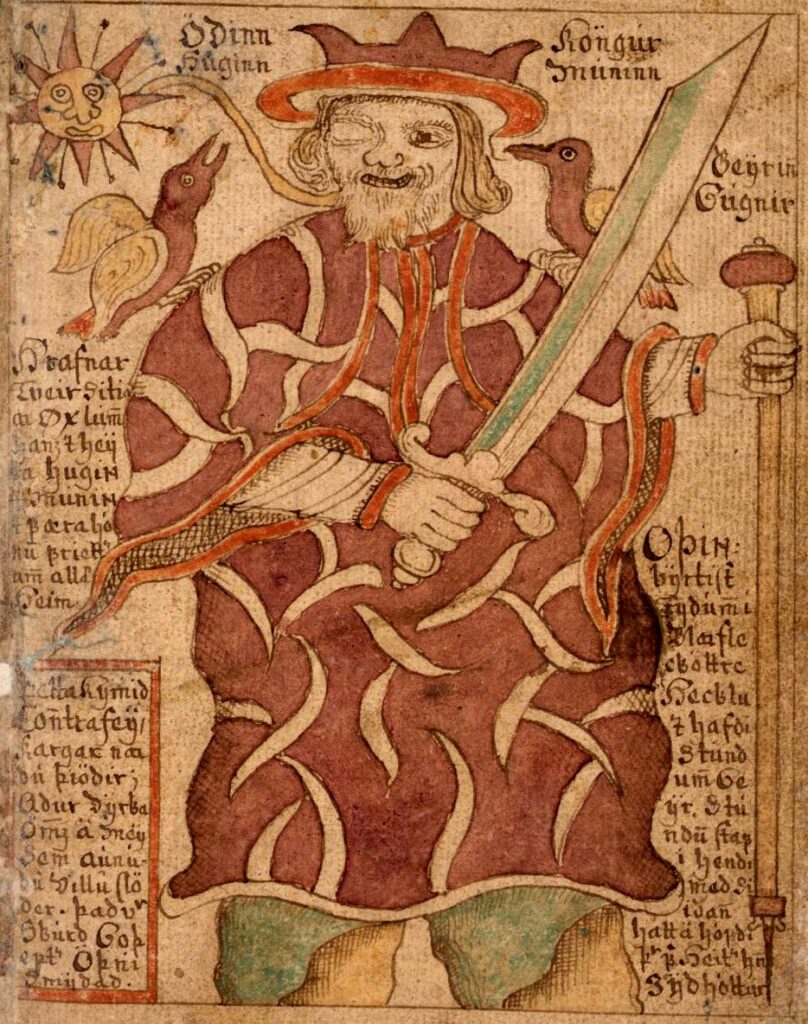
Wodin was the Old Germanic name for Odin, the chief god in the Norse cosmos. He was the god of war, who decided the outcome of all battles, and also wisdom. He was also an afterlife god, choosing the bravest fallen warriors to live in his hall, Valhalla.
Odin was also the god who discovered the secrets of the runes and shared their magical properties with mankind. He knew many kinds of magic because he would famously do anything for knowledge, even plucking out his eye for a drink from the Well of Wisdom.
Odin organized the cosmos, killing the primordial giant Ymir and using his to create Midgard, and then creating mankind to populate the realm. He was also the father of most of the Norse gods, so he was the All-Father in more than one sense. It is unclear why the Romans syncretized Odin with their god Mercury, a messenger and guardian for the dead.
The Valknut was the symbol of Valhalla, representing both the place itself and the courage it takes to earn a place there among the gods. Find Valknut-inspired pieces in the VKNG collection.



Thor, the God of Thunder – Thursday
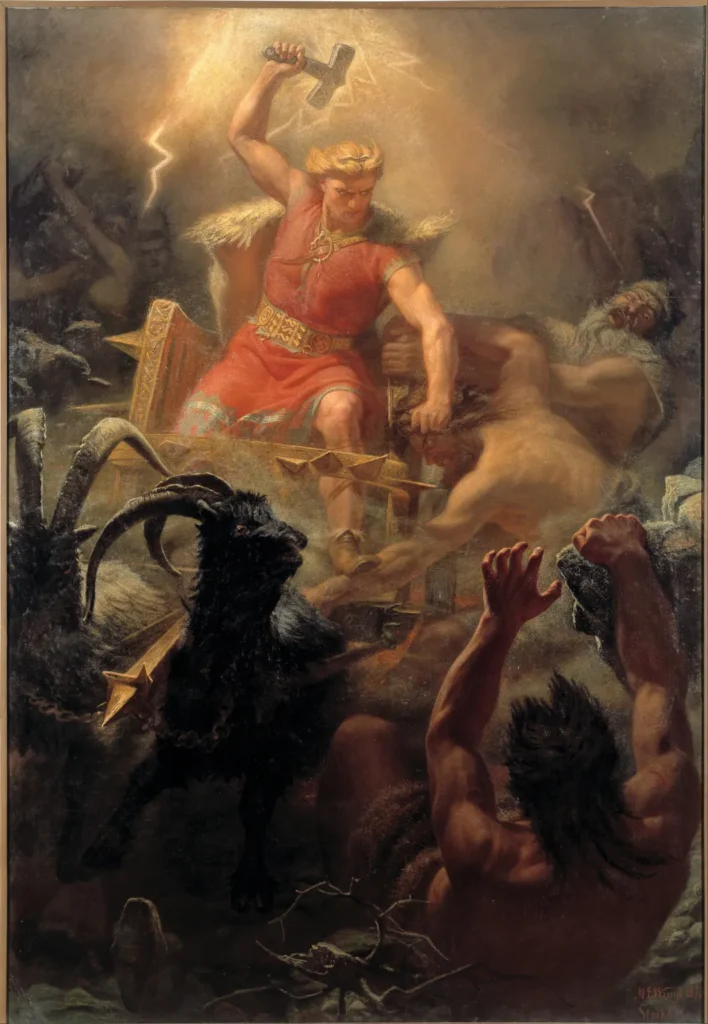
Thor was one of the sons of Odin and is usually called the god of thunder. He wielded a hammer, Mjolnir, that made lightning and thunder when he struck his enemies with it. Considered the strongest of the gods, he was in charge of protecting the realm of the gods and the realm of men from the threat of the giants.
Thor was also considered the ideal warrior, and most of the stories from Norse mythology focus on his adventures. He is depicted as strong but also impulsive, short-tempered, and prone to choosing force over reason.
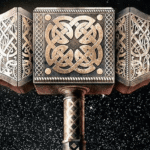
The Vikings wore symbols of Thor’s hammer, Mjolnir, as symbols of the protection of the gods and their religious conviction. Find Mjolnir-inspired pieces in the VKNG collection.


Freyja, Goddess of Love and Beauty – Friday

Freyja is often described as the goddess of love and beauty, but as one of the Vanir gods, she was also a fertility deity and associated with magic and witchcraft. She was sent to love in Asgard among the Aesir after the Aesir-Vanir war concluded. Many stories in Norse mythology start with an unsuitable suitor wanting Freyja’s hand in marriage.
She was the most popular female goddess in Norse mythology, and we know significantly more about her than any other Norse goddess.
Reportedly, the man who was lucky enough to marry her, Odr, often abandoned her and went off wandering. He followed him crying, with her tears creating gold when they touched land and amber when they touched water.
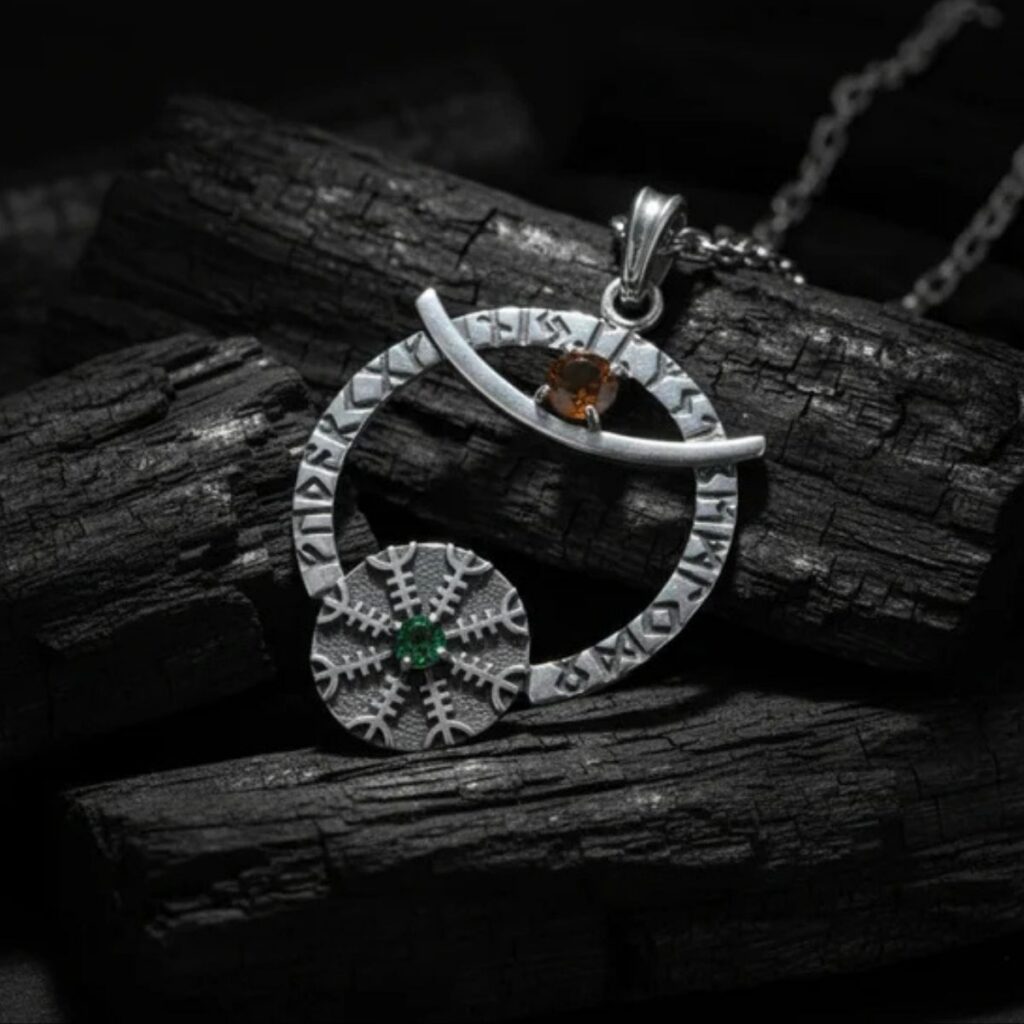
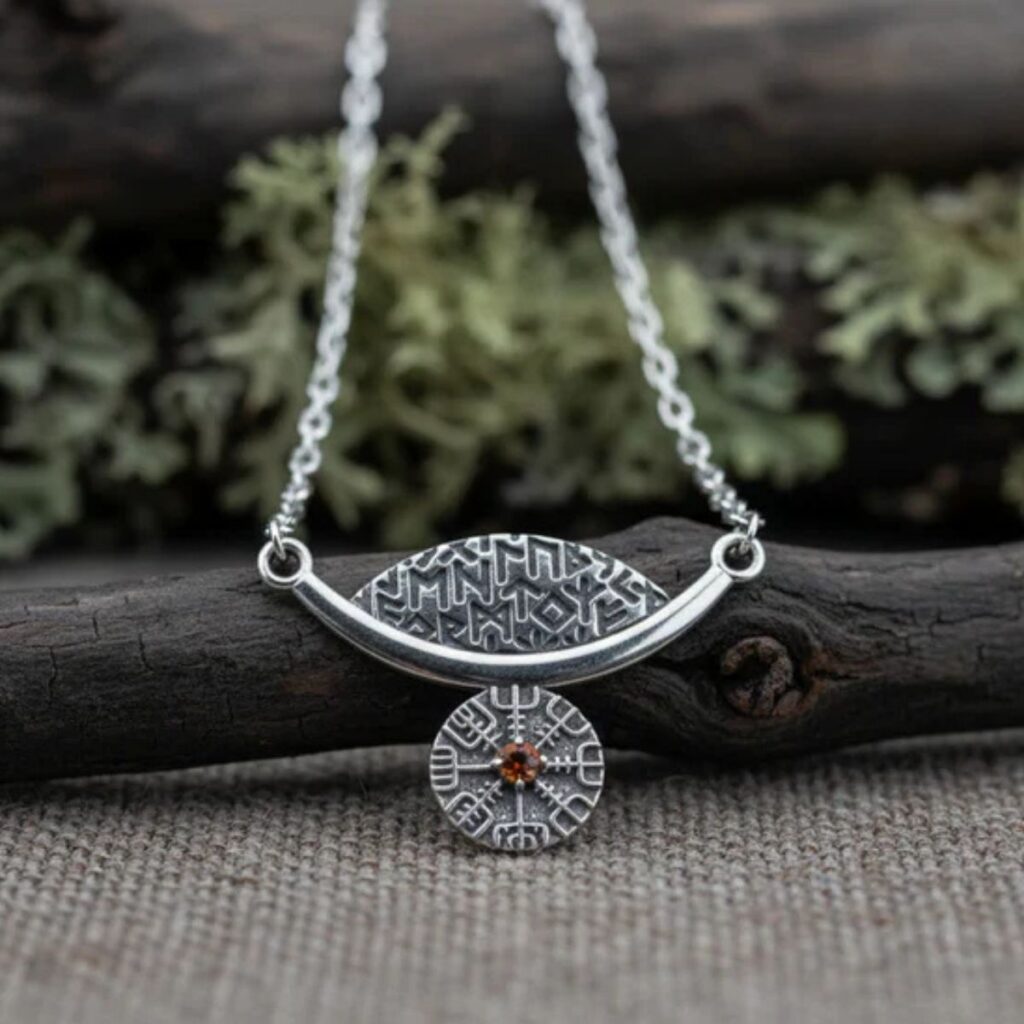
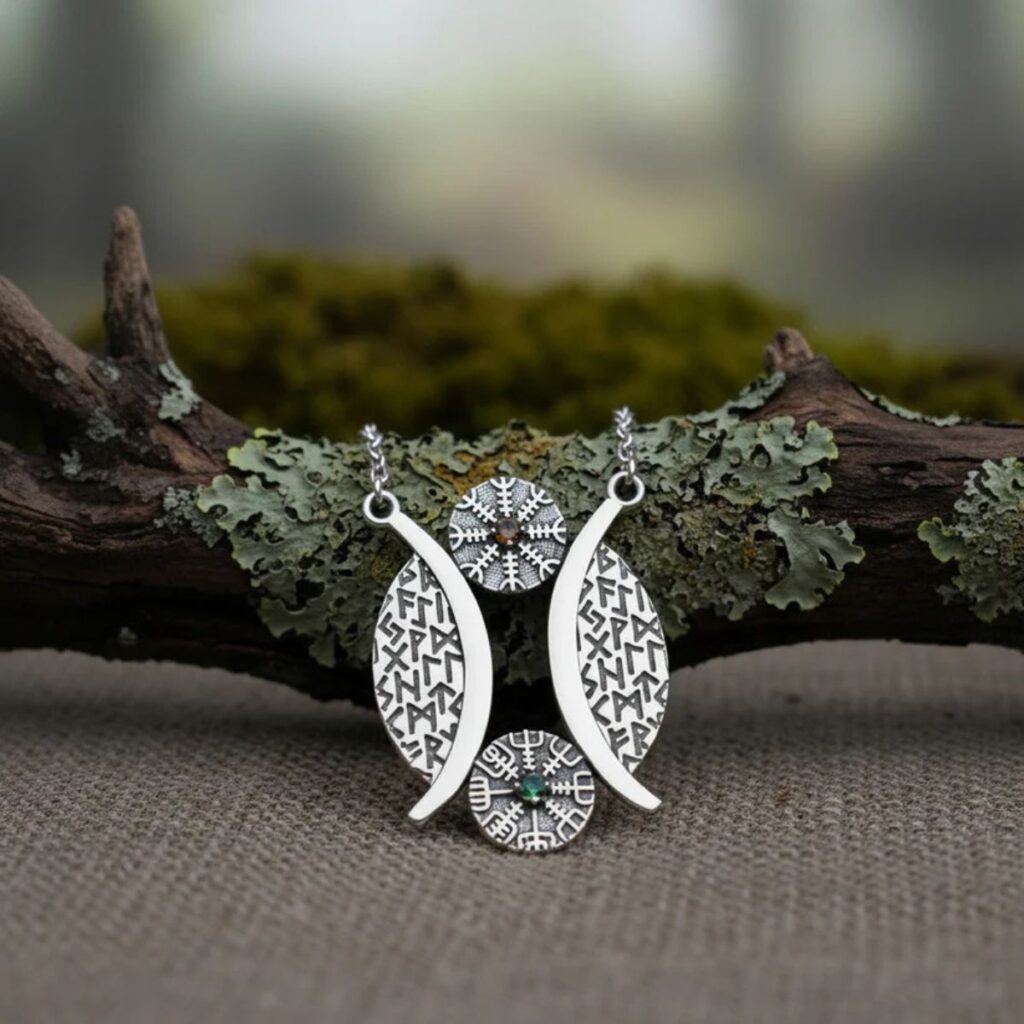
Freyja famously wore a brilliant golden necklace called Brisingamen that she acquired from the dwarves. As a woman of taste, she would probably love some of the modern Norse necklaces in our Vikings of the Third Millennium Collection.
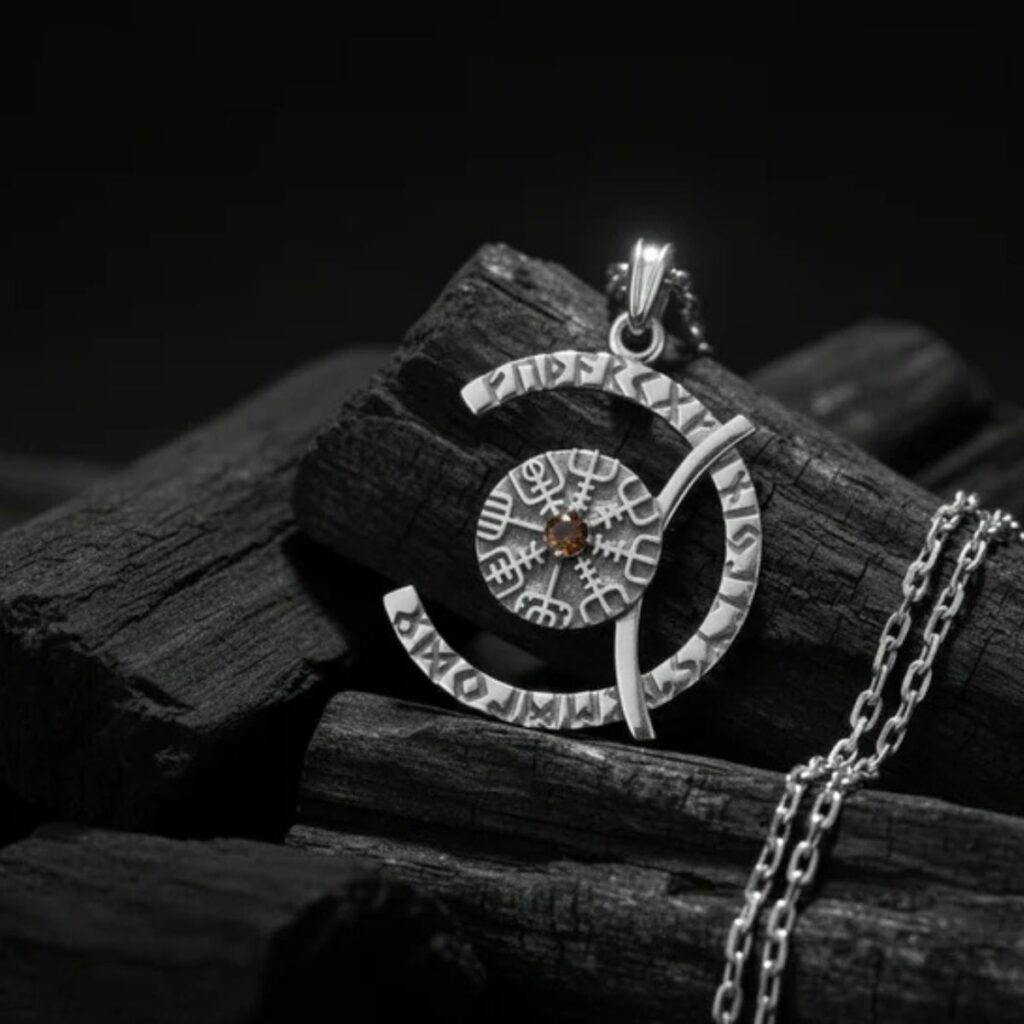
Laugar Day, or Wash Day – Saturday

Saturday was an outlier because in German and Norse tradition, it was bathing day, so they just called it that, or “Samstag,” the night before Sunday.
The tradition of Saturday bathing seems to have held on longer in the Viking world than in the Anglo-Saxon realm. Writing around 1220, the English chronicler John Wallingford complained that the Vikings bathed so often, suggesting that it was a deliberate ploy to attract noble women as lovers.
FAQs
Why are English days of the week named after Norse gods?
Germanic tribes adapted the Roman calendar system by substituting Roman gods with equivalent proto-Norse deities from their own culture. Anglo-Saxon settlers later brought these deity-named days to England well before the Viking invasions occurred.
Which Norse deities represent Sunday and Monday?
Sunday is named after Sol (or Sunna), the goddess who drives the sun chariot across the sky while being chased by wolves. Monday is named for her brother Mani, the god who pulls the moon chariot and guides time.
Who is the deity associated with Tuesday and what is his origin story?
Tuesday is named after Tyr, the original Norse god of war and justice who was associated with the Tiwaz rune. He famously sacrificed his arm by placing it in the wolf Fenrir’s mouth to allow the other gods to trap the dangerous beast.
Why is Wednesday associated with the god Wodin?
Wodin (or Odin) was the chief Germanic god of wisdom, war, and magic who created the realm of Midgard and ruled over Valhalla. Germanic cultures mapped him to the Roman god Mercury, which led to his designated day in the middle of the week.
What qualities defined Thor, the god behind Thursday?
Thor was the god of thunder, renowned as the strongest warrior among the gods and the protector of both Asgard and humanity. He wielded the lightning-crafting hammer Mjolnir, which Vikings frequently wore as a symbol of protection and faith.
What role did Freyja play in Norse mythology to earn Friday’s name?
Freyja was a Vanir deity associated with love, beauty, fertility, and magic who became the most prominent female goddess in Norse lore. She was famous for wearing the necklace Brisingamen and for weeping tears that turned into gold and amber when her husband wandered away.