In most ancient cultures, we encounter ideas of magic, witchcraft, and shamanism. Norse society is no different. The Viking witch was known as a Völva. They were powerful seeresses, shamans, and practitioners of Seidr magic. They pulled on the strings of fate to speak the future and change destiny.
Viking Witches

Among the Vikings were women called Völva, which means “wand-wed” or “staff-carrier” in Old Norse.
This staff was an essential attribute of the Völva, who were considered seeresses, shamans, and practitioners of Seidr magic.
In the sagas and stories, the Völva are often described as old Viking witches who wandered from town to town or farm to farm, delivering prophecies and performing magic in exchange for shelter, food, and other compensation.
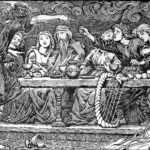
Despite their role outside of the normal structure of society, the Völva seem to have been treated with great respect in Viking society. Visiting Völva were given pride of place at the dining table and were free to speak to or ignore whomever they pleased, regardless of social rank.
There were male seers and practitioners of Seidr magic, but in general, these were considered feminine arts. Male practice was largely considered taboo. Even Odin, a practitioner of Seidr magic, was criticized by Loki for being consequently unmanly.
Powers of the Völva

The power of the Völva appears to have stemmed from the practice of Seidr magic. This type of Viking witchcraft was linked with ideas of fate and enabled the user not only to read fate and tell prophecies but also, in some cases, to manipulate it.
Thus, first and foremost, the Völva were seeresses and tellers of prophecies. Seeing the future often required a shamanic ritual that involved a group of young girls singing a spirit invocation while the Viking witch entered a trance that allowed her to commune with the spirits and the gods.
As the incantation came to an end, the seeress was caught between two worlds, and at this point in the ritual, the Völva could predict the future and provide prophecies.
But this was not the limit of the Viking witch’s power. The magic of Seidr, which means “to bind” in Old Norse, also allowed the Völva to do things such as raise storms, cast love spells, and send nightmares to kill someone in their sleep. The Völva were also believed to be able to take on animal form, probably using this shamanic power, to fight or to travel long distances.
The Völva also appear to have had powers of healing. According to one story, when Thor is injured while battling the giant Hymir, the Völva Groa attempts to use her witchcraft to heal the deity, but he distracts her, and she is unable to complete the spell. The Völva were probably also considered healing shamans among the Vikings.
Völva Attributes
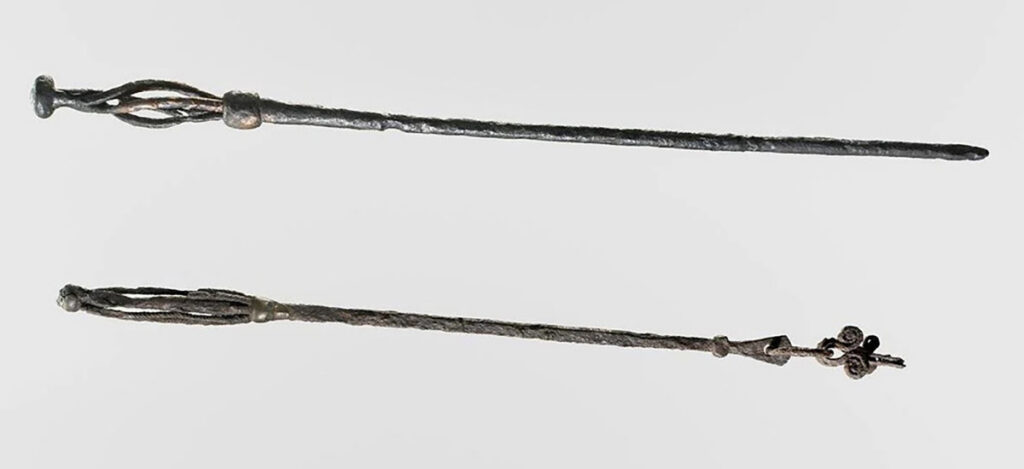
It is likely that a 9th-century burial found near the ring fortress of Fyrkat in Öland was the burial of a Völva. It was a rich burial, with the woman placed in a horse-drawn carriage, indicating that she was a person of importance. The burial also contained an 82 cm-long iron staff with bronze details. Possibly a Völva’s staff.
The Viking witch was finely dressed in a blue and red dress and headscarf with golden thread along its edge. It is thought that both female and male Völva shamans would have used these brightly colored dresses.
The buried Völva also wore numerous toe rings, many made of silver, which is very unusual among the Vikings. It seems to be a sign of both wealth and difference within Viking society.
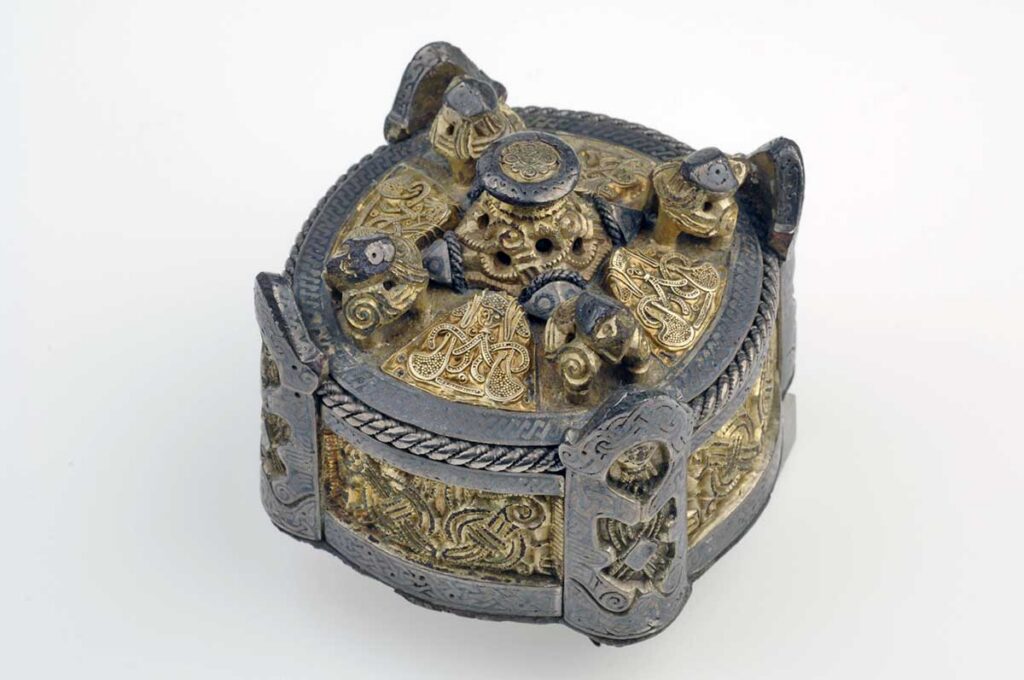
Alongside her Volva staff, she was buried with a variety of other items that might have been tools of her trade. The Völva had a silver brooch plated in gold that contained white lead powder, a toxic substance that may have been used in rituals.
She also had a small purse containing poisonous henbane seeds. When rubbed onto the skin as a salve, these can cause hallucinations. The Völva was also found with bowls and animal bones, all of which may have been used in the practice of witchcraft.
The Völva Thorbjorg
Only one extended account about the Völva survives, found in the Saga of Erik the Red about the founder of the Viking colony on Greenland. It tells of a woman named Thorbjorg who traveled around Greenland. When she arrives at Erik’s hall, her clothing is described in detail. She wore a floor-length blue or black cloak trimmed with precious stones sewn into the hem. The Völva also carried a jewel-encrusted wand and wore a stunning crystal necklace, which may have been an imitation of Brisingamen, the necklace worn by Freyja. She had a pouch at her waist in which she concealed her other magical tools.
The Völva also wore a hood made of black lamb skin and trimmed in ermine fur, calfskin slippers, and wildcat skin gloves lined with ermine fur. Cats were associated with Freyja, so this may be another reference to the goddess. While her clothes are very rich, suggesting wealth and status, her shoes, gloves, and hood also suggest her wandering existence.
Upon arrival, she is treated with great respect. She is served a special dinner of goat’s milk and an assortment of animal hearts. Later, she is escorted to a high seat from which to conduct her art, made comfortable with goose-down pillows.
To complete her work, she needs a chorus of women to function as backup singers. They will sing the galdr that allows her to reach a state of ecstasy between life and death or between mortal and divine. It is when she is at this boundary that she can work her magic.
In the story, there are no women in the area who know the chants, except for a young woman called Gudrid, who learned them from her mother. But she is now a Christian, so she does not want to participate. In the end, she agrees and is praised for her contribution.
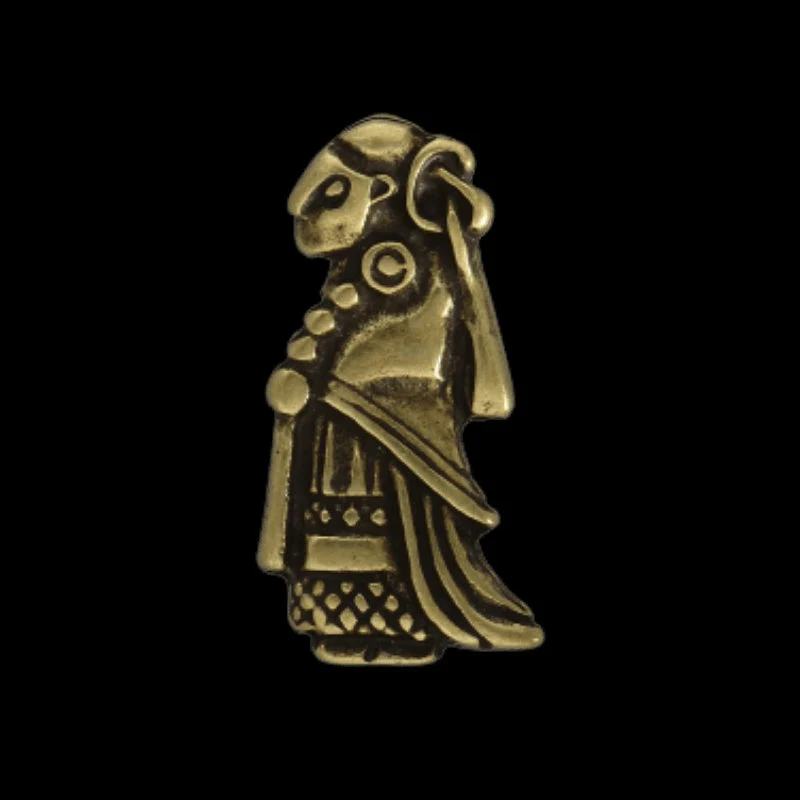
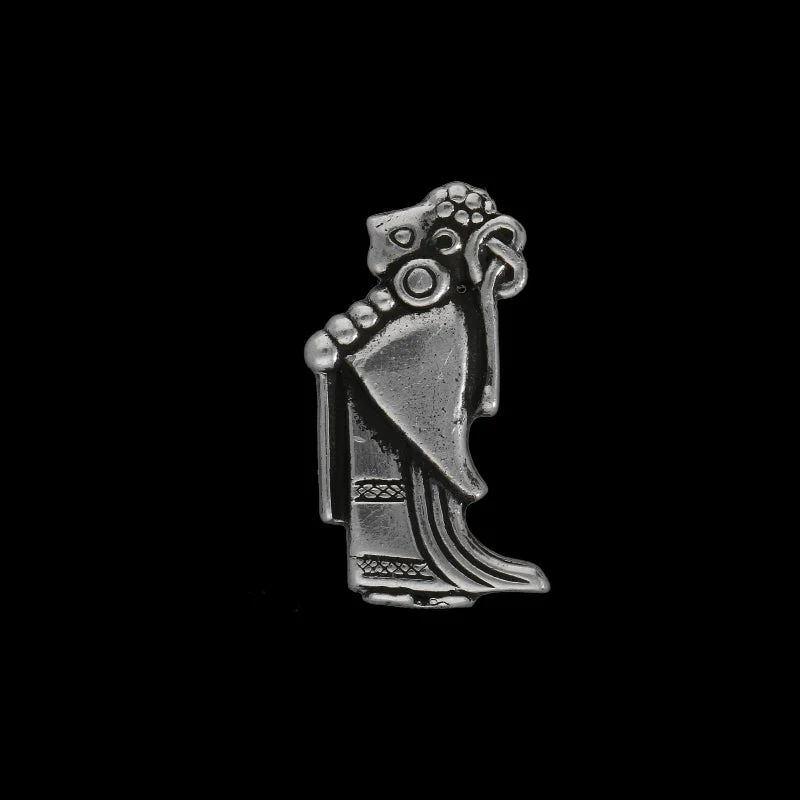
You can find handcrafted Freyja pendants in the VKNG Collection.
Origins of the Völva
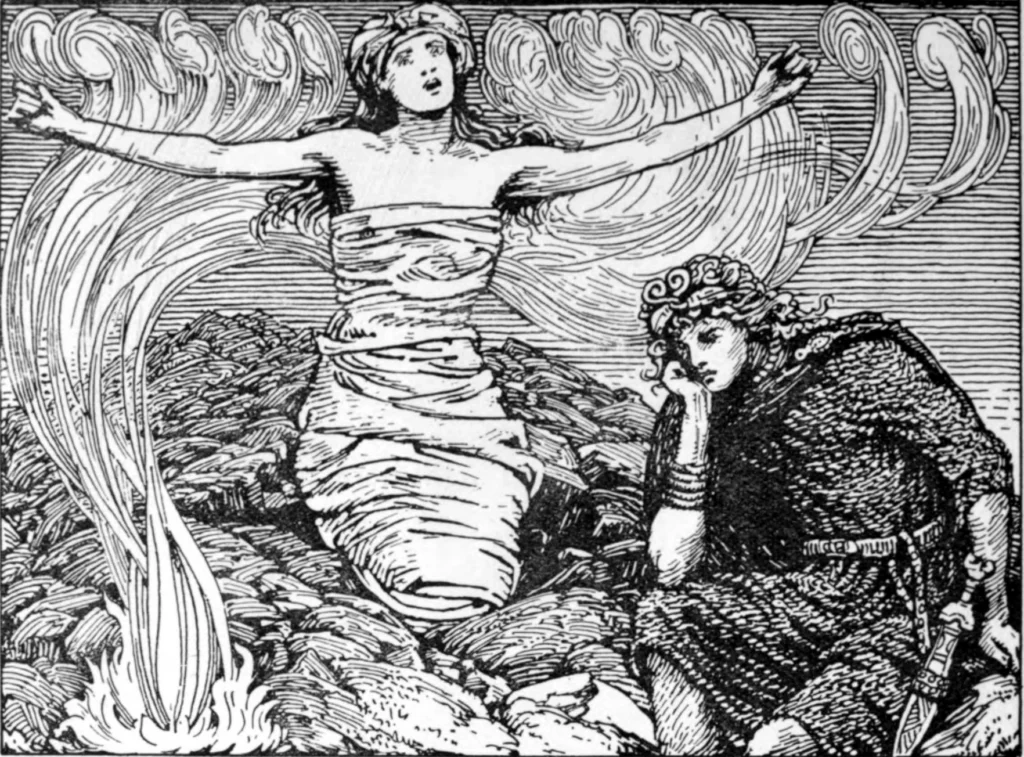
According to Norse legend, the Völva who lived in Midgard during the Viking Age probably learned their art from the goddess Freyja. This goddess of love and beauty was not one of the Aesir gods, but rather from the other race of Norse gods, the Vanir.
While the Aesir gods were powerful in a warlike way, it seems that the Vanir gods had softer, more esoteric powers and were masters of Seidr magic.
The Aesir and Vanir gods warred for many years, but eventually came to a truce agreement that involved the exchange of hostages. Freya was one of the Vanir gods sent to live among the Aesir.
There, she taught the art of Seidr magic to the Aesir gods, and to the men, or should we say women, of Midgard, creating the Volva.
Of the Aesir gods, it was Odin who became the master of Seidr magic. His interest in the practice, despite its feminine associations, seems unsurprising since he was famously thirsty for all knowledge, and would pay any price to acquire it.
The Norns, the Norse fates, are also commonly associated with Völva magic. The three Norns that live at the base of Yggdrasil, the tree of life. There are also references to other less powerful Norns. Perhaps this was another way of referring to powerful Völva witches.
The Völuspa
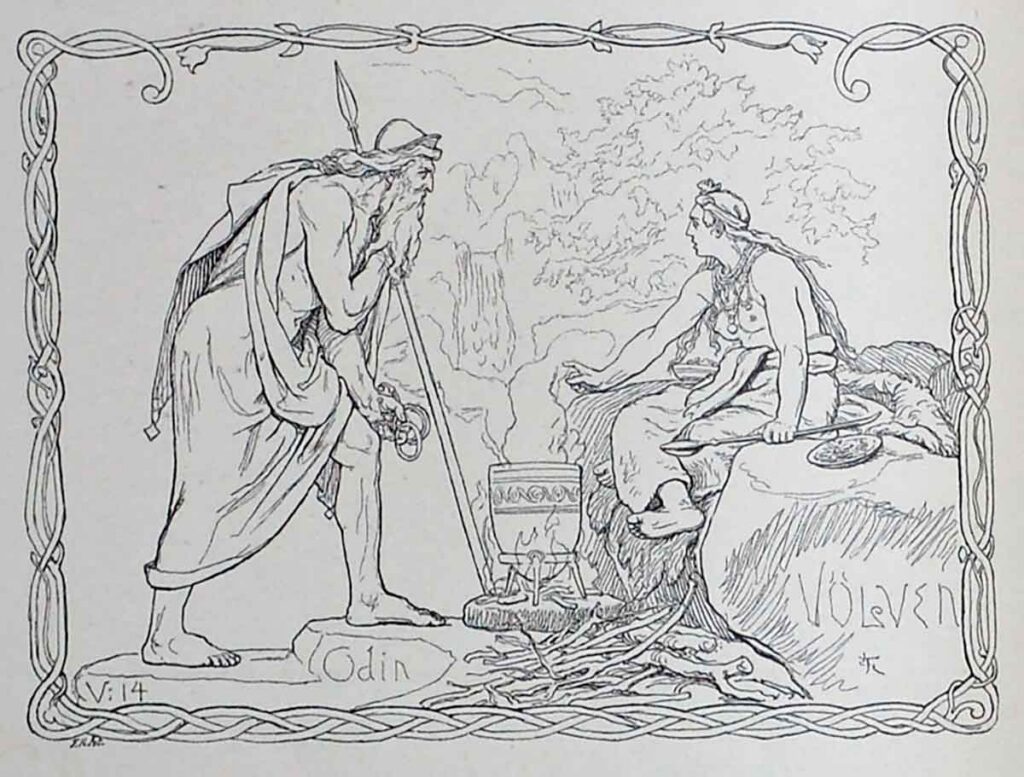
The Völuspa poem, the title of which means “Prophecies of the Völva,” was probably composed by an Icelandic author in the 10th century and then added to over the centuries. The versions that come down to us today only survive from the 13th and 14th centuries and reflect significant Christianising influences.
According to the poem, Odin uses his powers to summon a Völva from the dead to share her wisdom with the gods.
This particularly ancient Völva then recounts the entire history of the Norse cosmos from creation and gives prophecies of the inevitable destruction of the world at Ragnarök.
This was not the only Völva to be called forth from the dead. According to one story, the Völva Groa was summoned from the dead by her son to help him accomplish an impossible task set for him by his grandmother.
If this story of Odin consulting the Völva seeress comes from original Viking Age myths, it shows an enormous level of respect for the Völva within the culture. If it is a later literary trope used as a vehicle to relay the story of Norse creation and apocalypse, the fact that it was an appropriate vehicle also reflects the respect within Norse culture for these female shamans.
Persecution

At the end of the Viking Age, the rise of Christianity saw the persecution of the Völva as dangerous magic practitioners and staff bearers of the old religion. In fact, the use of the types of staves that the Völva carried was strictly outlawed.
It is interesting to note how different attitudes of the Norsemen and Christians to witchcraft, magic and seeresses. Viking witches were honored and respected, while under Christianity, witches and magic workers were persecuted.
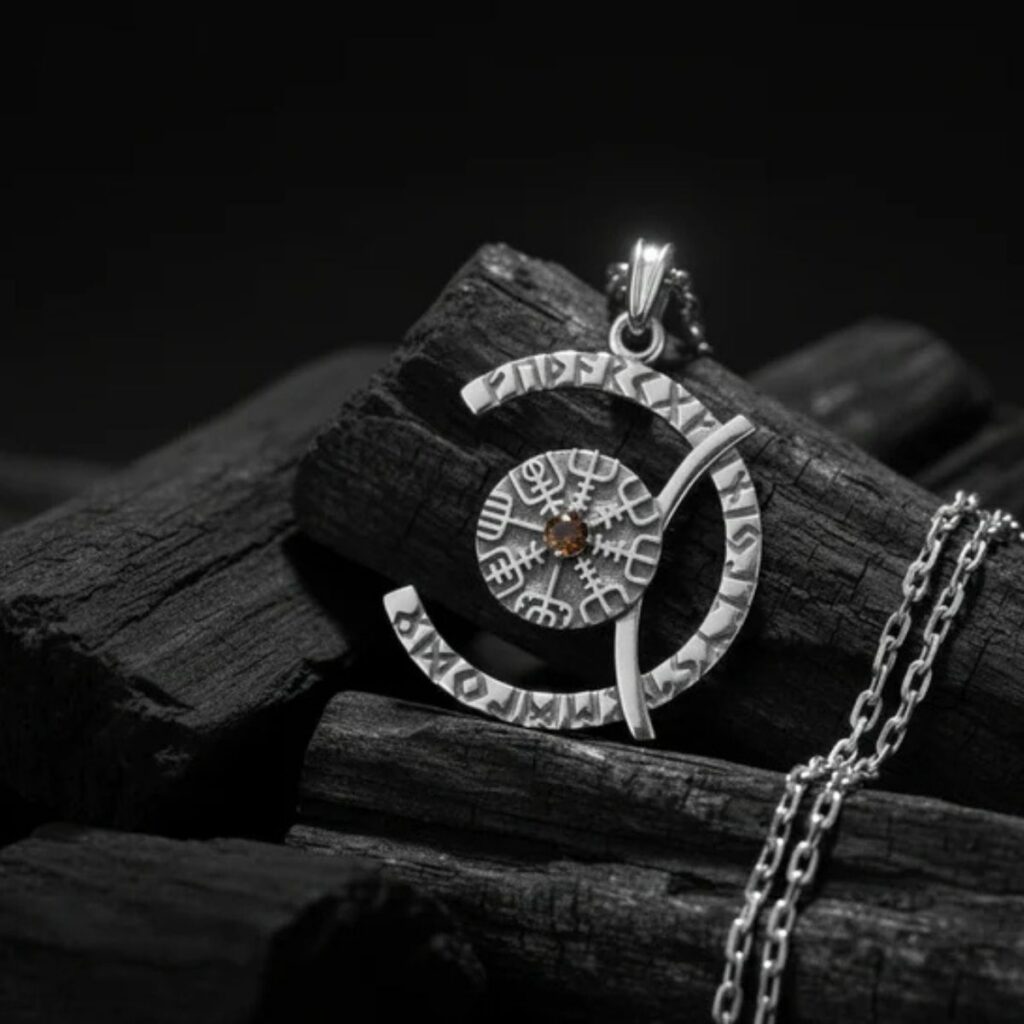
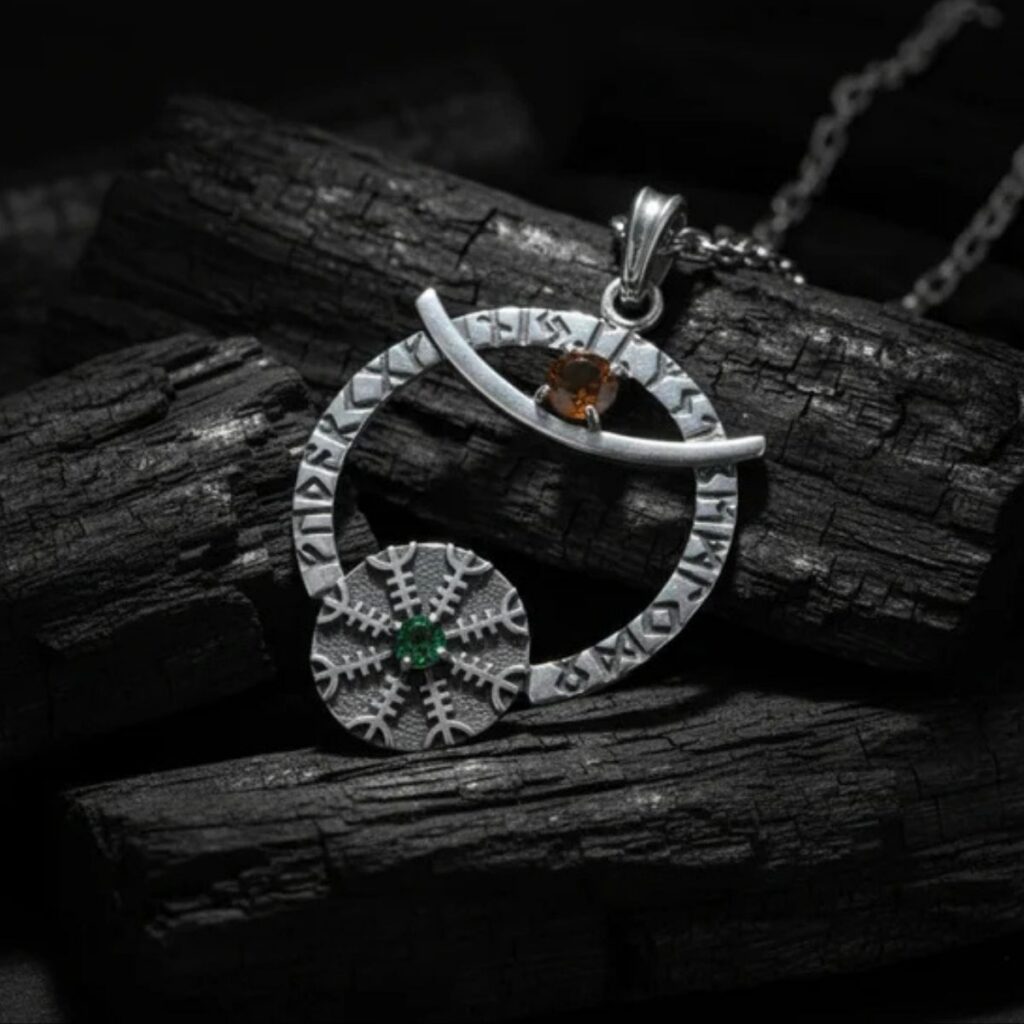
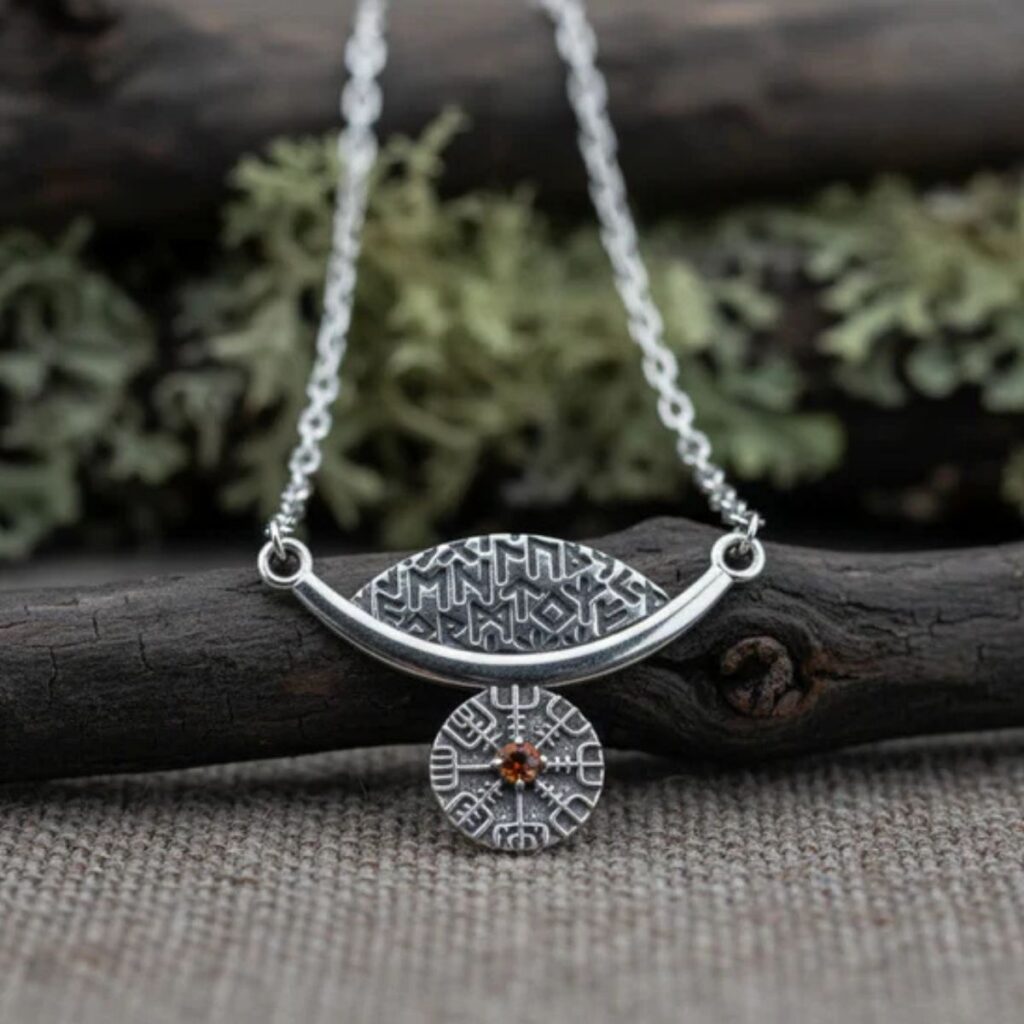
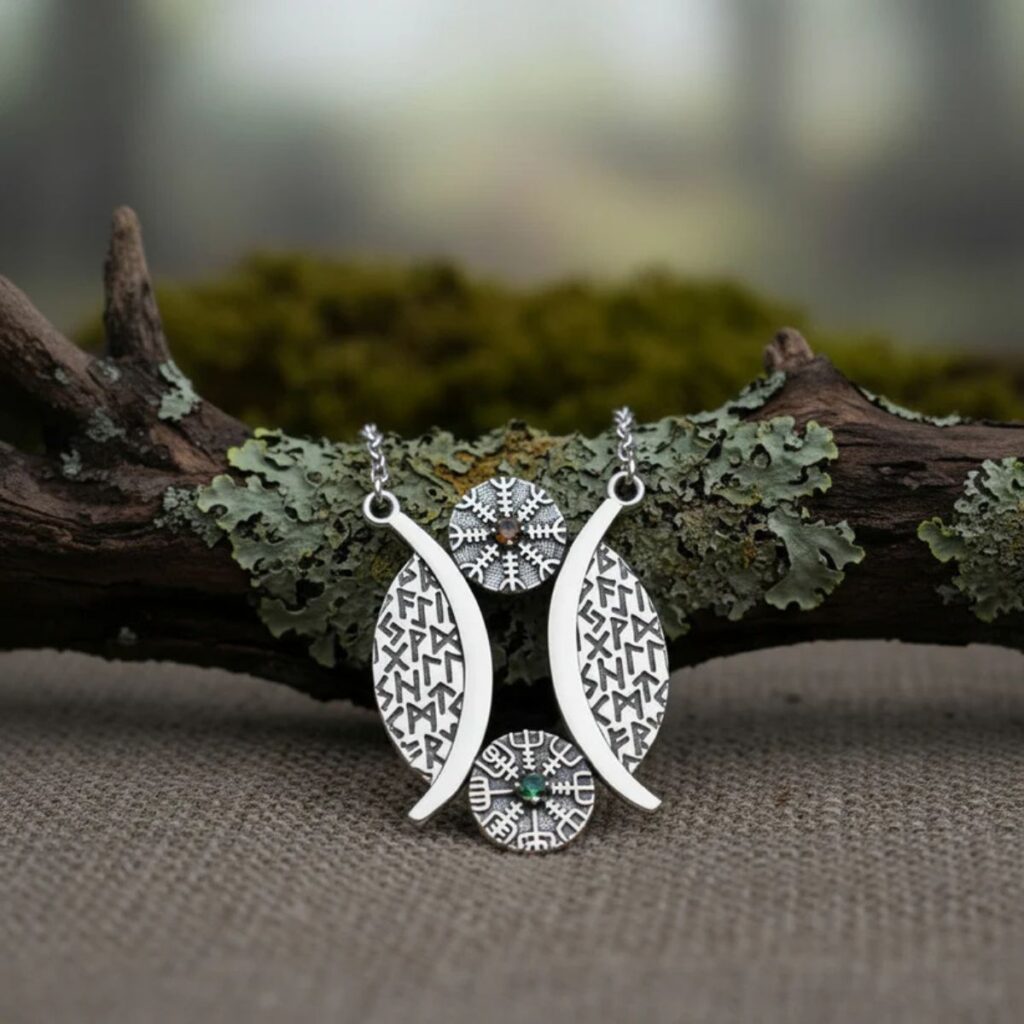
Many followers of modern Heathenry and Asatru look to rediscover the secrets of the Völva and bring them into the modern age. Our Vikings of the Third Millennium Collection does something similar, taking classic Norse symbols and placing them in modern designs.
FAQs
What was a Völva in Viking society?
A Völva was a respected Viking seeress, shaman, and practitioner of Seidr magic who traveled between communities delivering prophecies in exchange for shelter and food. Her name translates to “wand-wed” or “staff-carrier” in Old Norse, referencing the essential staff she carried as a symbol of her craft.
Why was the practice of Seidr magic considered taboo for men?
In Norse culture, Seidr magic was regarded as a strictly feminine art, meaning male practitioners faced severe social disapproval. Even the chief god Odin was mocked by Loki for being unmanly due to his fascination with mastering the discipline.
What kinds of powers did a Völva possess?
Völva were primarily seeresses who entered shamanic trances during chanted rituals to commune with spirits and divine the future. Beyond prophecy, they were believed to manipulate fate to raise storms, cast love spells, shape-shift into animals, and heal the wounded.
What typical artifacts were buried alongside a Völva?
High-status Völva burials, such as the famous site at Fyrkat, contained ritual iron staves, animal bones, and silver toe rings. These grave sites also yielded specialized tools like toxic lead powder and hallucinogenic henbane seeds used to induce trance states.
How did the goddess Freyja influence the Völva tradition?
According to Norse myth, Freyja was a Vanir deity who introduced the art of Seidr magic to both the Aesir gods and mortal women. In tribute to her influence, Völva often wore clothing and items associated with Freyja, such as wildcat-skin gloves and crystal necklaces.
What role does the Völva play in the poem Völuspa?
In the Völuspa, Odin uses his magic to summon a deceased Völva back from the dead to share her ancient wisdom. The seeress proceeds to recount the entire history of the cosmos and foretells its ultimate destruction at Ragnarök.
How did the rise of Christianity affect Viking witches?
As Christianity spread at the end of the Viking Age, the honored position of the Völva shifted to widespread persecution. Magic practitioners were demonized as dangerous, and carrying the Völva’s distinctive magic staff was strictly outlawed.