Like most ancient cultures, the Vikings believed in the supernatural and magic. They had their pantheon of gods, led by Odin the All-Father and his son Thor. They believed in other supernatural entities such as elves and trolls, and that the spirits of the dead lived on in other worlds.
They also believed that while the supernatural was separate from the mundane world of men, things could sometimes pass through the veil, explaining visits from the gods, encounters with elves, and conversations with dead loved ones.
The Vikings also believed that men could learn to engage with the supernatural and pull on it to make changes in the world around them: magic. The Vikings called their magic Seiðr.
Origins of Seiðr

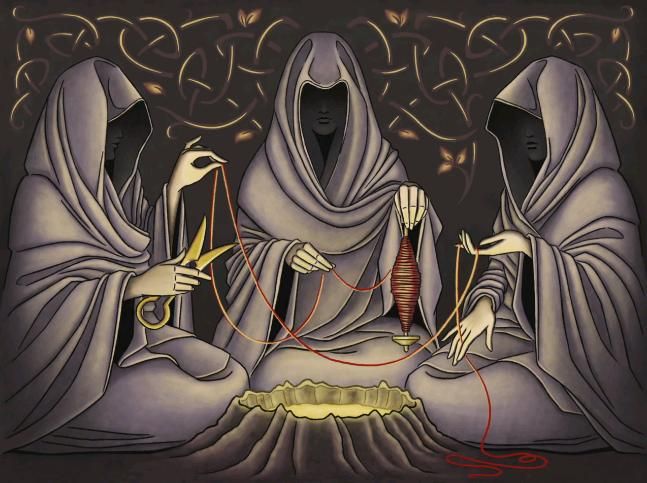
The word Seiðr seems to mean “to tie” or “to tether” in Old Norse. This seems to link the magical practice with ideas of fate, since the Norns, the Norse Fates, spun fate and cut people’s life cords. This suggests that Seiðr magic somehow worked by pulling the strings of fate to change reality.
According to mythology, Seiðr magic was an art practiced by the Vanir gods, deities close to nature. From a separate clan from the Aesir, the gods led by Odin. Near the beginning of time, the Aesir and the Vanir gods went to war, and the Vanir used Seiðr magic in their offense.
It is said that the Vanir goddess Gullveig was a powerful magic worker. She used this ability to penetrate the stronghold of the Aesir, but she was pierced by spears and burned three times. However, she used her magic to come back to life. She is specifically described as a Völva (witch) performing Seiðr.
When the war was resolved in a truce, hostages were exchanged. Among other Vanir gods, Freyja was sent to live among the Aesir. Like Gullveig, she was skilled in the art of Seiðr magic. At Odin’s request, she taught the art to him. Freyja is also described as being installed as a high priestess among the Aesir, suggesting a connection between magic and worship.
Types of Norse Magic

While Seiðr is magic, it is unclear whether it encompasses all the different types of magic practiced in the Viking world. It certainly seems to be a description of the magic practiced by Völva witches. Plus, they carried a distaff, a tool used in spinning, as a tool for their magical art.
Völva are often described as seeresses and often share visions in surviving Norse stories. However, it is interesting that Freyja, arguably the first Völva, is never described in this way. In contrast, Odin’s wife Frigg is described as a powerful seeress. But she never told anyone what she saw.
In addition to divination, the Völva are described as engaging in other types of magic. For example, one Völva named Groa sings a healing spell for Thor, and healing may have been considered an art of the human Völva. In another story, a Völva is described as creating herbal potions, which she uses to reanimate the dead body part of a horse.
Together, this suggests that the Völva practices the type of folk magic common in many cultures.
Singing A Galdr
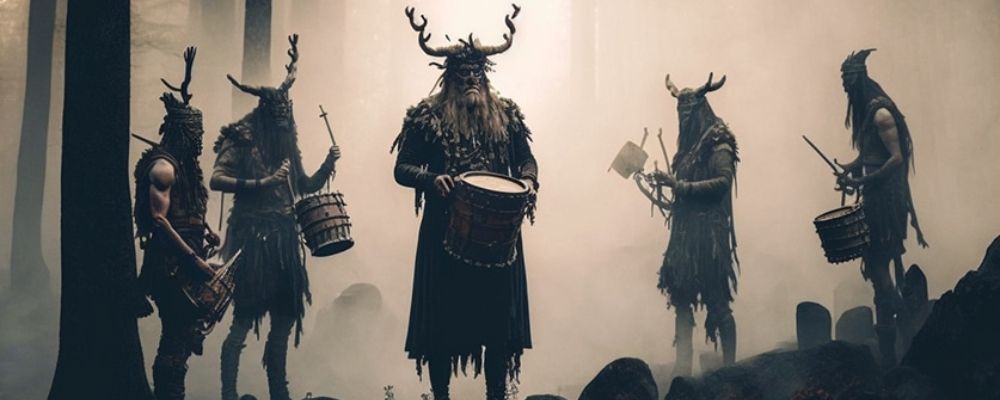
When Groa is described as singing a spell to heal the god Thor, she is singing a Galdr, which is a magical spell. There are also examples in the surviving sources of women singing Galdr to ease the pain of childbirth or send someone mad. But this does seem to be different from other types of Völva magic.
One thing about Völva magic was that it was considered a feminine art, and all human practitioners were women. While Odin learned the art from Freyja due to his desperate thirst for knowledge, in one story, Loki makes fun of Odin for learning such a feminine art.
But in addition to the art of Seidr, Odin is said to know a variety of magical songs, many not known to any other being. He knew songs to blunt weapons, stop a spear in flight, heal the sick, hush stormy seas, and more.
It is specifically said that he learned nine of these spells from his uncle, the brother of his giant mother Bestla. This suggests that he was taught the spells by a male jotun (giant), separating it from the female art shared by the Vanir goddesses.
Rune Magic

Another type of magic commonly mentioned in the Viking world is rune magic. According to mythology, Odin saw the Norns using the runes to write fate and became jealous of their knowledge. Consequently, he hung himself from the world tree Yggdrasil for nine days and nights to learn the secrets of the runes. He later shared that knowledge with mankind.
Rune magic seems to have been considered a male art, as many Viking warriors are described as using the runes, but it is rarely associated with women. According to incidents in the sagas, it could be used to heal the sick, discover poisons, curse others, and much more.
It is unclear how closely Viking rune magic is related to the rune magic described in the Icelandic magical grimoires. These date from the 16th century onwards, so well after the Viking period and the Norse conversion to Christianity. There are also many clear Christian influences in the grimoires.
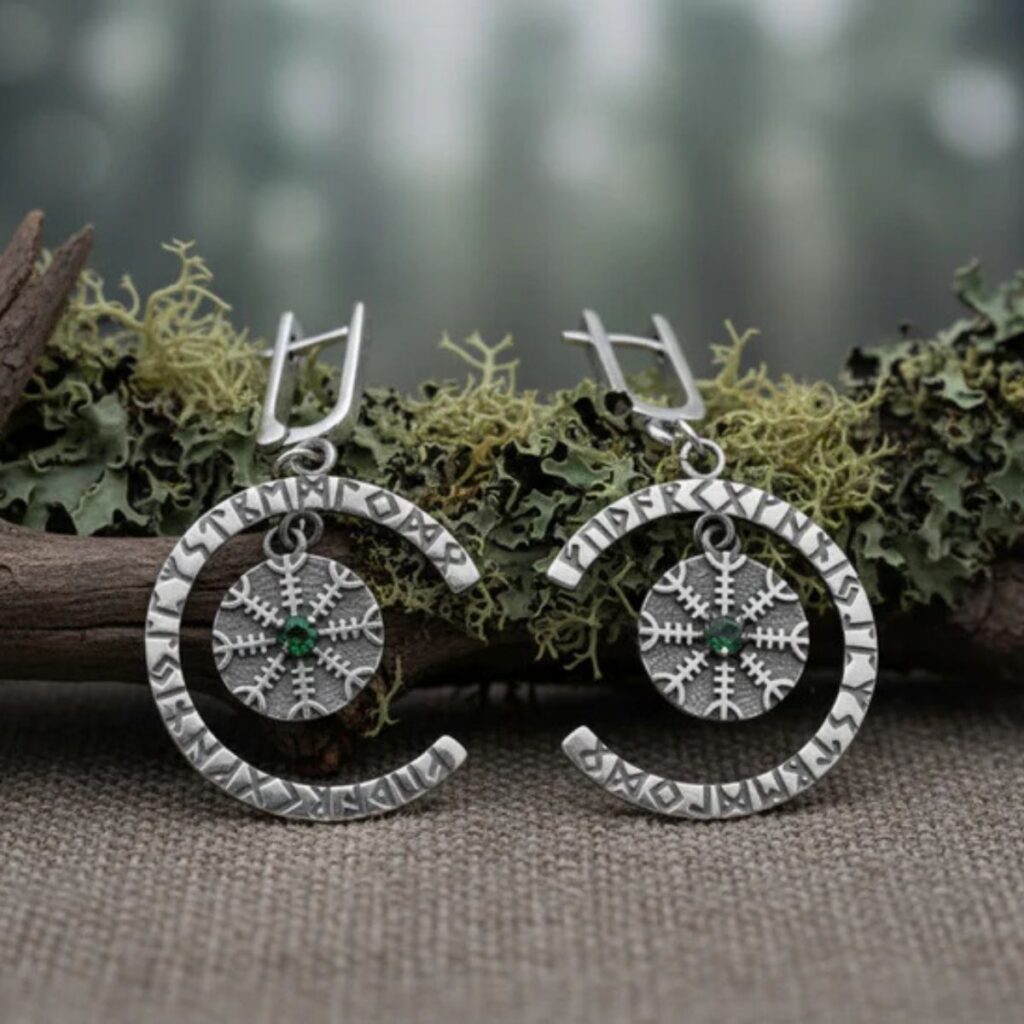
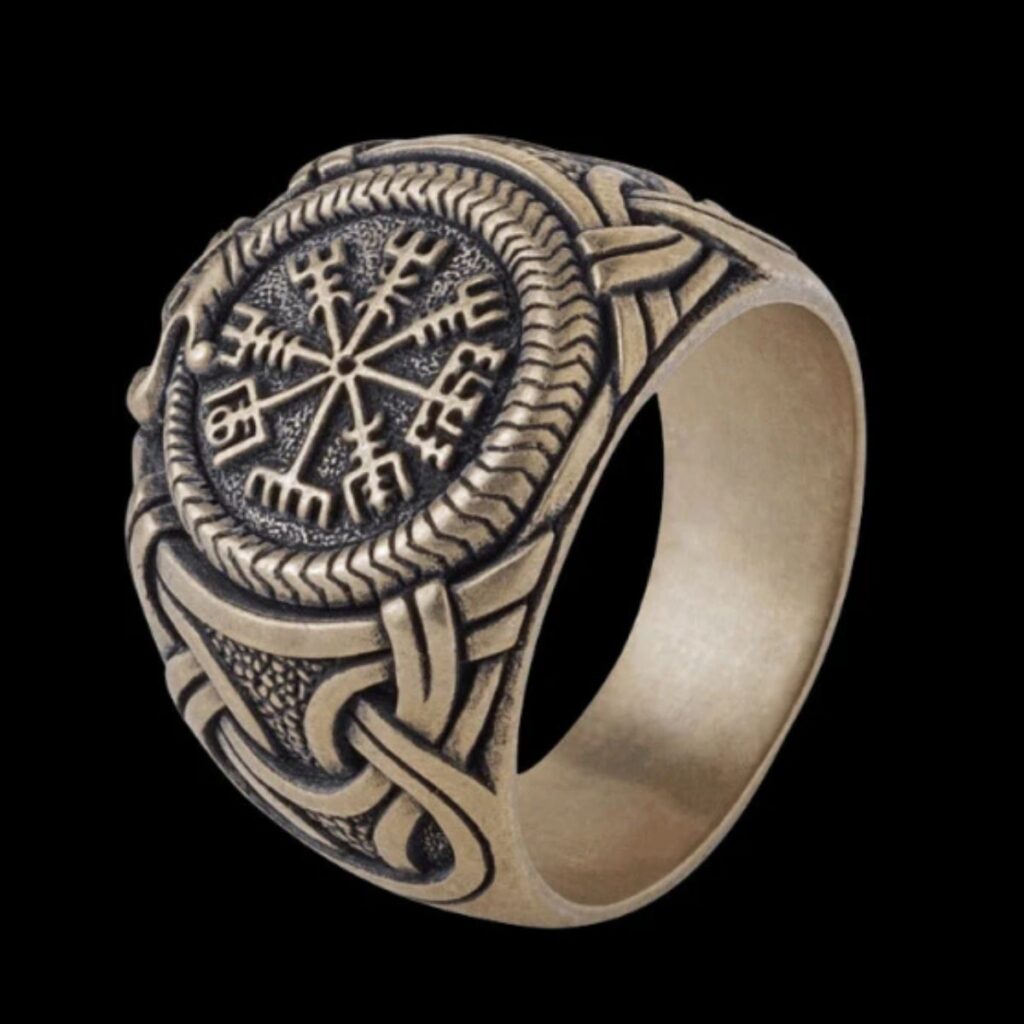
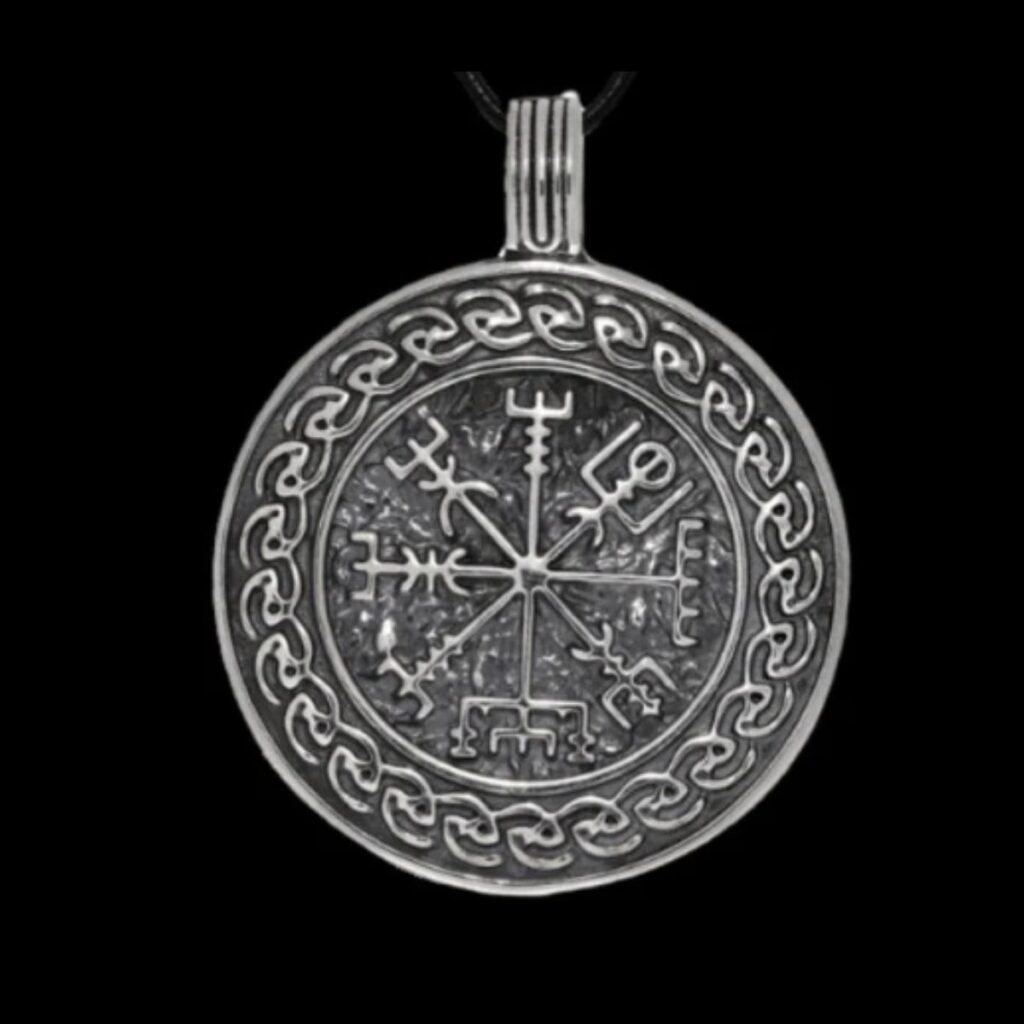
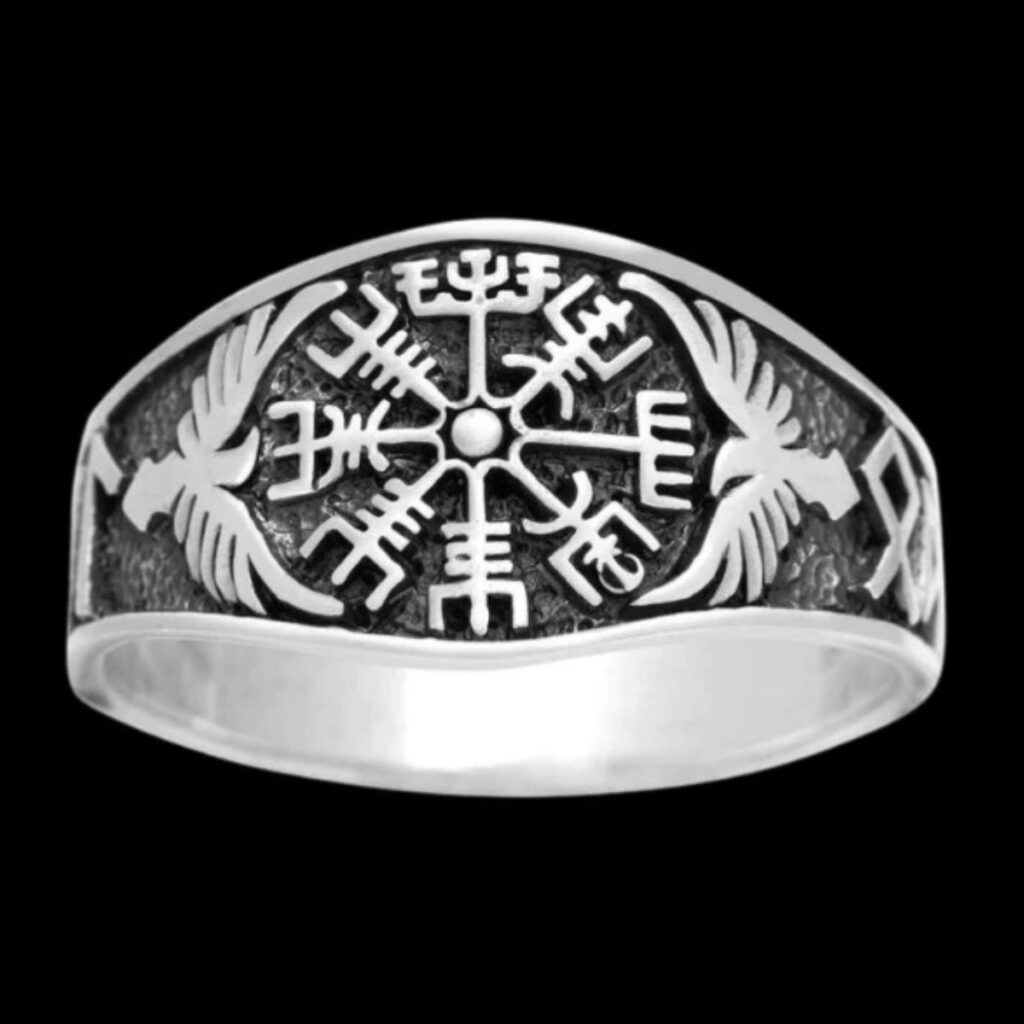
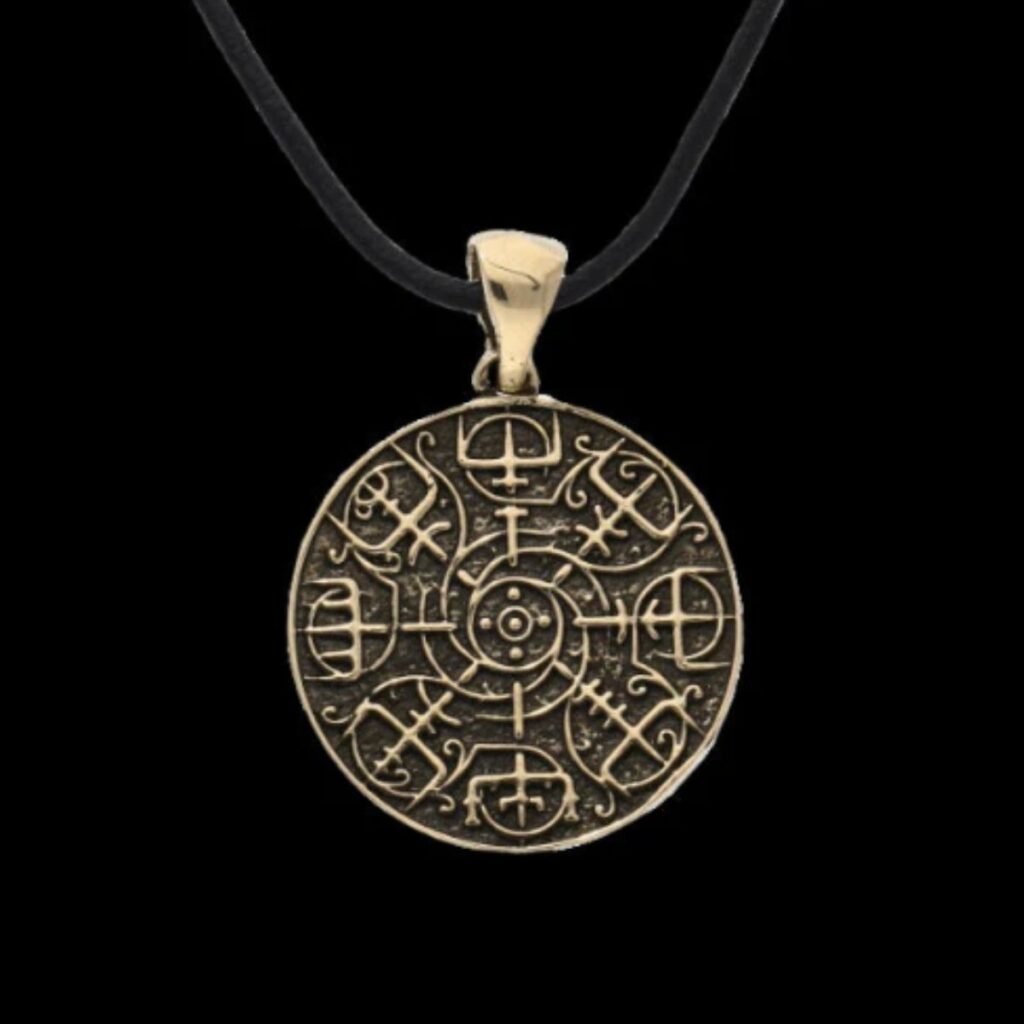
But one of the common magical approaches in the grimoires is stacking runes on top of one another to create a magical runic symbol, known as a Galdrastafir. These could detect thieves, protect against curses, and send prophetic dreams. The most famous Galdrastafir are Aegishjalmur, or the Helm of Awe, which grants success in battle, and Vegvisir, or the Norse Compass, which is a wayfinding rune.
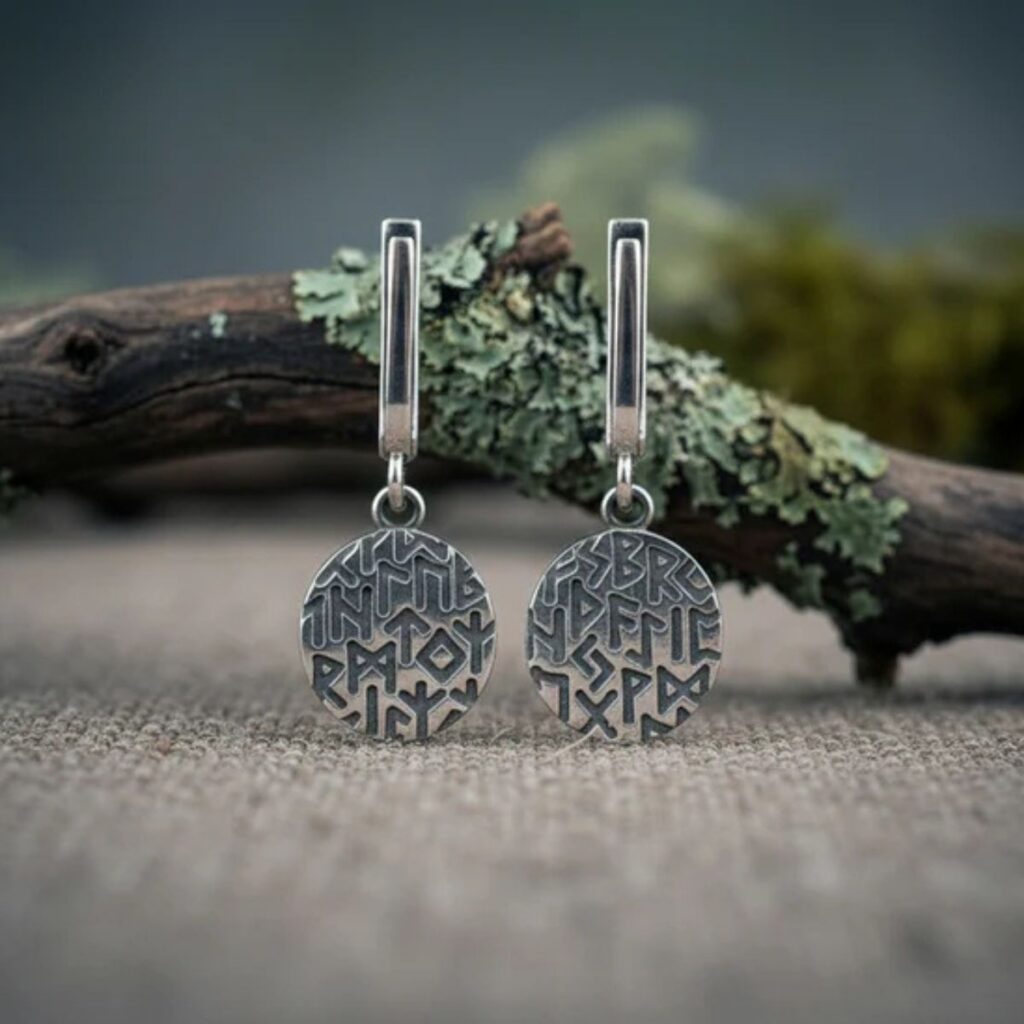
The idea of stacking runes to create more complex magical symbols does seem to belong to the Viking Age. In the pre-Viking age, the runic letter combination ALU is very common but seems to have no meaning. Scholars suggest that it was a rune combination for protection. There are also examples of inscriptions with the same rune, such as the Tyr rune, written several times in a row for no apparent reason. Scholars suggest that this may have had a magical purpose.
Drawing Sharp Lines
As historians or anthropologists trying to understand another culture, it is useful to try to draw clear lines between things and say, for example, that this is Seiðr magic, and this isn’t. But these kinds of clear lines rarely exist. Things tend to be on a spectrum.
The Vikings seem to have been comfortable with relative vagueness when classifying things in the supernatural world. While there with the Aesir gods and the Jotun, although the interbreeding between them left these lines blurry, other supernatural entities are less clearly classified.
For example, the Vanir gods were clearly gods like the Aesir, which is why the Vanir gods Freyja and Freyr could easily live among them. But they were also sometimes conflated with the Alfar, the elves, which were in turn linked with deceased ancestors.
There were light elves, Alfar, and dark elves, dwarves, who were clearly closely related. Many dwarves were also shapeshifters, like the Jotun, and could become animals such as salmon, otters, and dragons. They were also not clearly different from trolls, with both dwarves and trolls having the unfortunate issue of turning into stone in the sun.
While trolls lived under bridges and caused trouble, this was also the domain of Jotun, who lived on the outskirts of the human world and threatened mischief.
All of these entities are difficult to separate and place in specific categories. But this was not a problem for the Vikings. Perhaps the same philosophy should be taken when considering magic and defining different types of magical arts. Trying to put strict labels on things just isn’t that useful.
Discover Runes in the VKNG Collection
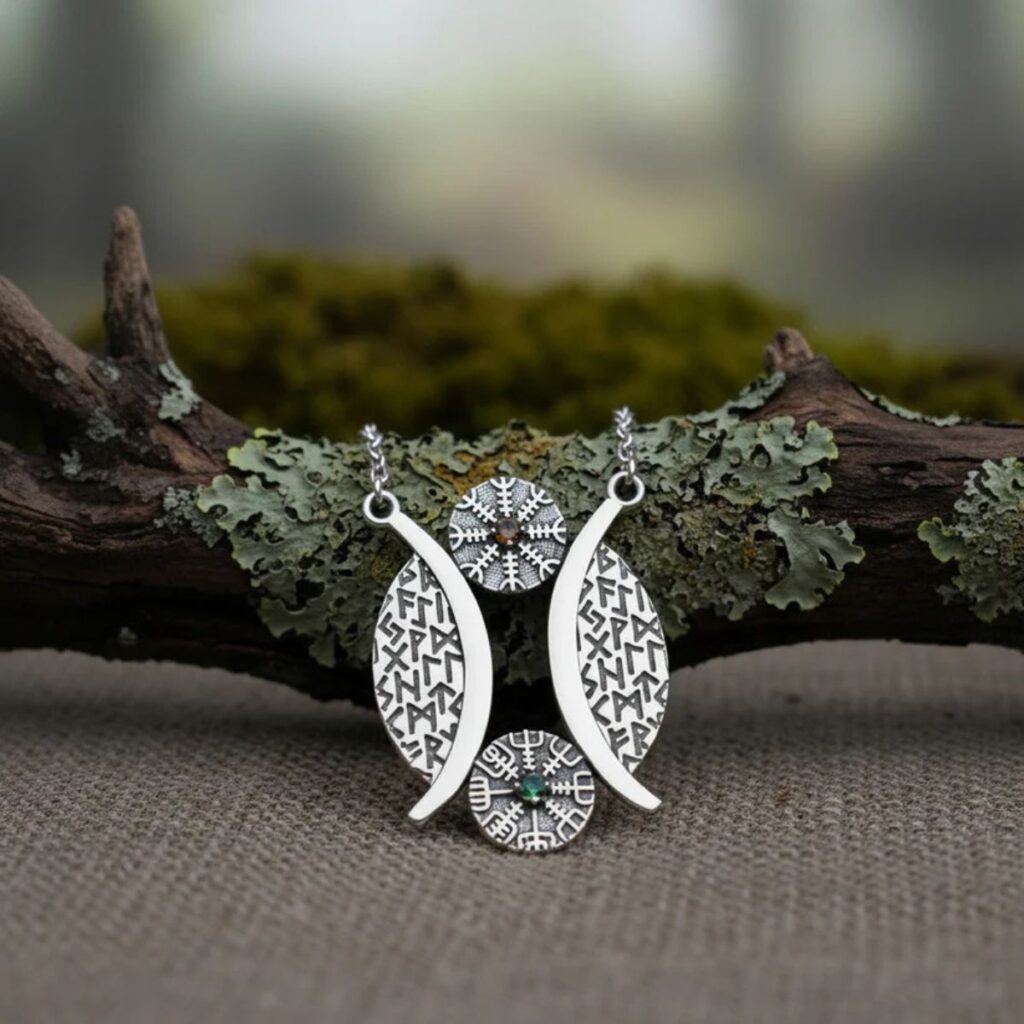
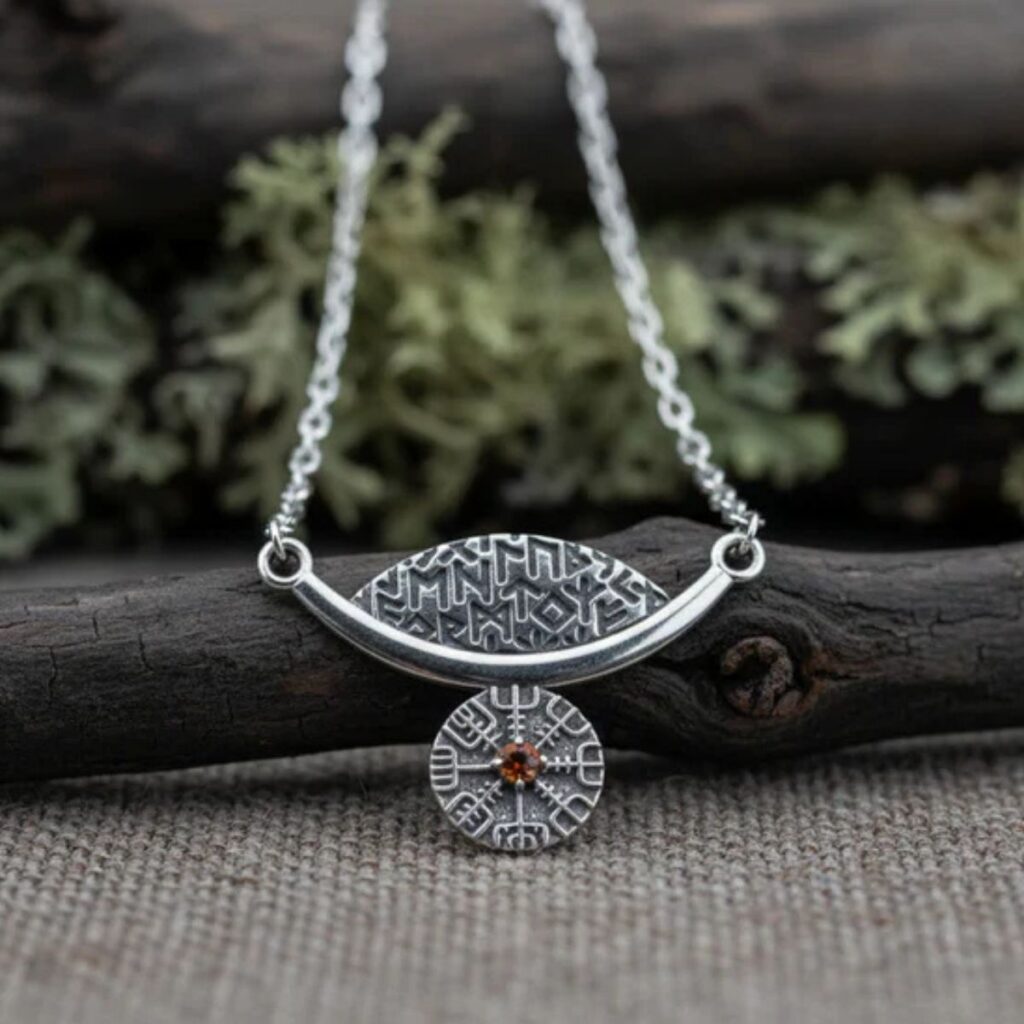
If you are inspired by Norse magic, discover the magic of the runes in the VKNG collection. Some of our favorite pieces are below.
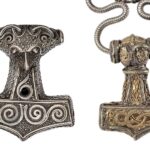
Looking for something more rustic? Check out our collection of hand-forged iron pendants featuring the runes, like this example with the Thurisaz rune.


These bracelets match natural gemstones with runic beads. Choose your favorite meaningful combination. This bracelet features Black Obsidian and Agate beads.
If you prefer precious metals, order your favorite rune in fine, handmade gold, like this Algiz example. This was the primary protection rune and is used to make Aegishjalmur, the Helm of Awe.


If you enjoy Viking hairstyles, go in another direction and order these hair and beard beads. Change your runes daily and embrace a seriously Viking look.
FAQs
What is Seiðr magic and how does it relate to Norse mythology?
Seiðr is a form of Norse magic linked to fate and pulling the strings of reality, originating with the nature-aligned Vanir gods before being introduced to the Aesir. It was primarily considered a feminine practice associated with Völva witches, though the god Odin eventually learned the art from the goddess Freyja.
What role did Völva witches play in Viking society and magic?
Völva witches were female practitioners of folk magic who carried spinning distaffs to symbolize their connection to the threads of fate. They served as seeresses who shared visions, performed healing spells, and crafted herbal potions to manipulate the natural world.
What is a Galdr in the context of Viking magic?
A Galdr is a spoken or sung magical spell used for various purposes, such as healing injuries, easing childbirth, or influencing combat. These incantations could be utilized by Völva practitioners or learned independently, as seen with the unique male-taught spells possessed by Odin.
How was rune magic practiced during the Viking Age?
Rune magic was predominantly practiced by male warriors who carved and stacked runic letters to channel protective, healing, or cursing energies. According to mythology, Odin acquired this knowledge by sacrificing himself on the world tree Yggdrasil for nine days and nights.
Are modern runic symbols like the Vegvisir authentic Viking Age magic?
While combining runes for protection existed in the Viking period, complex stacked symbols known as Galdrastafir mainly stem from 16th-century Icelandic grimoires that contain heavy Christian influences. Consequently, historical Viking magic lacked the rigid categorizations that modern scholars often attempt to apply to it.