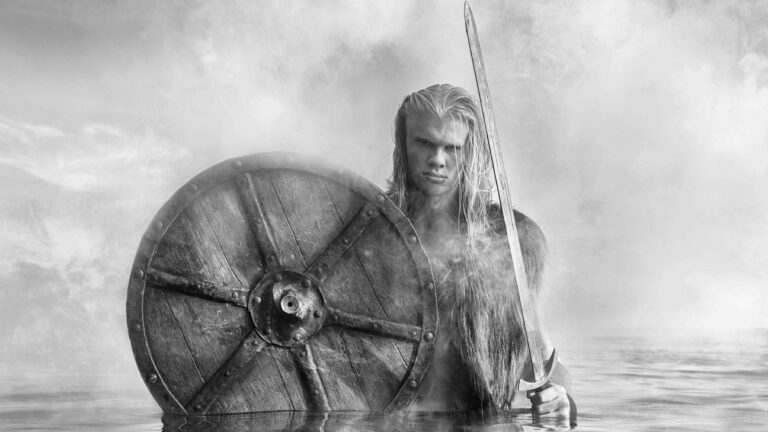
As we watch the Norwegian football team battle it out at the World Cup – led by the Viking-sized Erling Haaland – and appreciate the Viking-inspired support offered by the fans, I find myself asking: what does it mean to be a Viking in the 21st century?
As someone who spends a significant amount of time immersed in the ancient Viking world, in my opinion, these are the five traits of warriors in the Viking era that we can embrace as modern-day Vikings.
This is just one person’s opinion, but we support different opinions on the subject. Tell us what you think it means to be a modern Viking in the comments.
1. Value What You Want
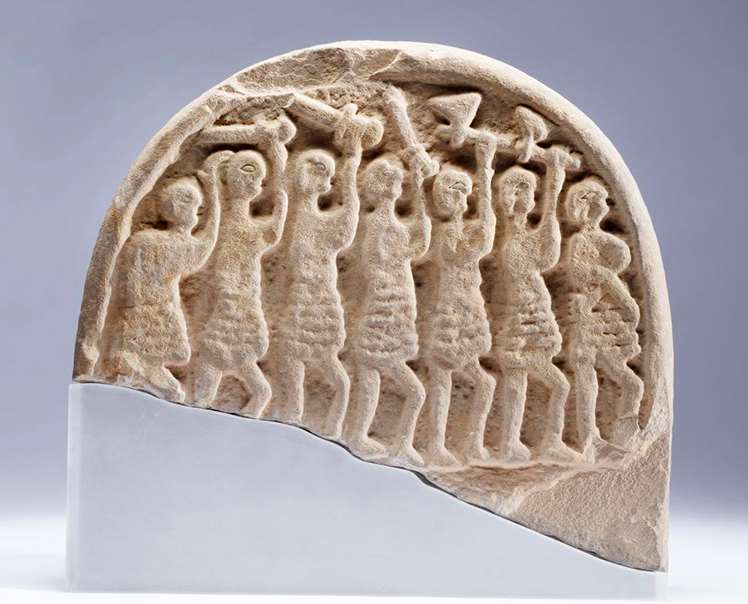
The Vikings were infamously piratical raiders (that is what the term Viking means) who landed on foreign shores and took what they wanted. I certainly wouldn’t advocate stealing, trampling on other people to get what you want, or even acting without considering the consequences of your actions on others. However, there is something to be said for knowing what you want, owning it publicly, and going after it with gusto. That is certainly what the Vikings did.
Today, we tend to admire people who know their passion and sacrifice to pursue their dreams. These stories often make the headlines because it is something we want to hear about. But too many people today aren’t only afraid to break from the standard “life path” to pursue what they want but are sometimes afraid to even admit what they really want. In many ways, the modern world has taught us to be small in our ambitions and fit into predefined boxes that may not truly suit us. This is something a Viking would never accept.
That doesn’t mean throwing caution to the wind. Viking society was highly structured, and loyalty and respect mattered, but Vikings worked this to their advantage. They connected themselves with people who shared their ideals and “lift them up,” rather than keeping them small. Moreover, they showed the members of their clan the kind of support they expected, joining with family, friends, and neighbors to defend their honor (like in the story of Gunnar Hámundarson).
2. An Entrepreneurial Spirit
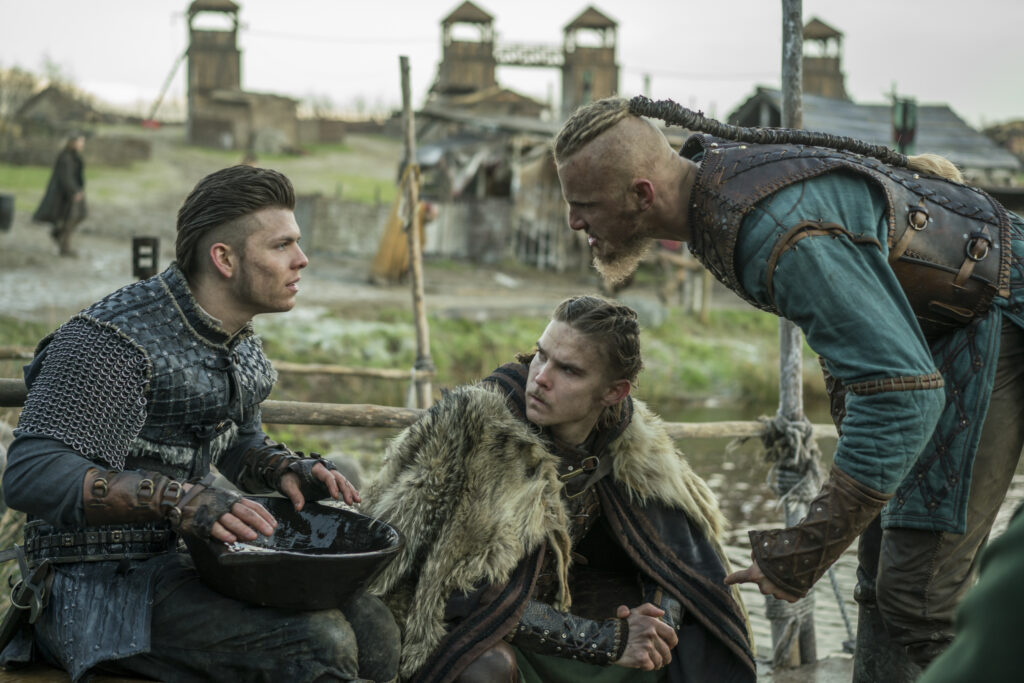
There is no question that the Vikings were entrepreneurial. They raided in the west and sold what they took to the wealthy east. Sometimes, they would organize the sale of what they planned to take before the raids even began. They also knew how to strike a deal, using their presence as leverage to get others to pay them to go away. They also worked as mercenaries, sometimes even selling their services to the people they had just raided to protect them from other Vikings.
There are many stories of entrepreneurial Vikings whose families had lost their kingdoms, who traveled east to make their fortunes in the Byzantine Varangian Guard and then returned to reclaim their kingdoms, such as Harald Hardrada and Olaf Tryggvason. And then there were men like Ivar the Boneless, who carved out a kingdom in York in Northumbria in the middle of the Great Heathen Army’s invasion of England.
Being a Viking in the modern age means embracing the hustle and looking at every challenge as an opportunity.
3. Curiosity and a Spirit of Adventure
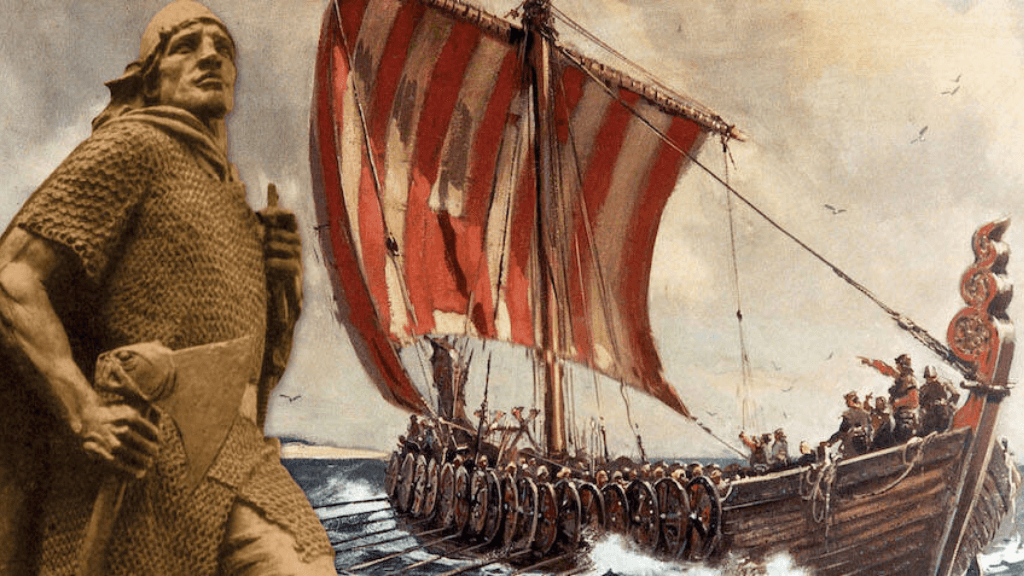
Odin was famously the Norse god of war, but also of wisdom. He would do anything to acquire knowledge. He hung himself from Yggdrasil for nine days and nights, pierced by his own spear to learn the secrets of the runes, and plucked out his own eye for a drink from the well of wisdom. So, he was also the god of curiosity.
And the Vikings were certainly curious! That’s what led them to discover and settle Iceland and Greenland, and to sail to the New World 500 years before any other Europeans. It’s how Bjorn Ironside sailed through the Straits of Gibraltar and to Italy.
To be a modern Viking, you have to be curious about the world and embrace the spirit of adventure, willing to follow your feet and see where they take you.
4. Self-Care and Self-Love
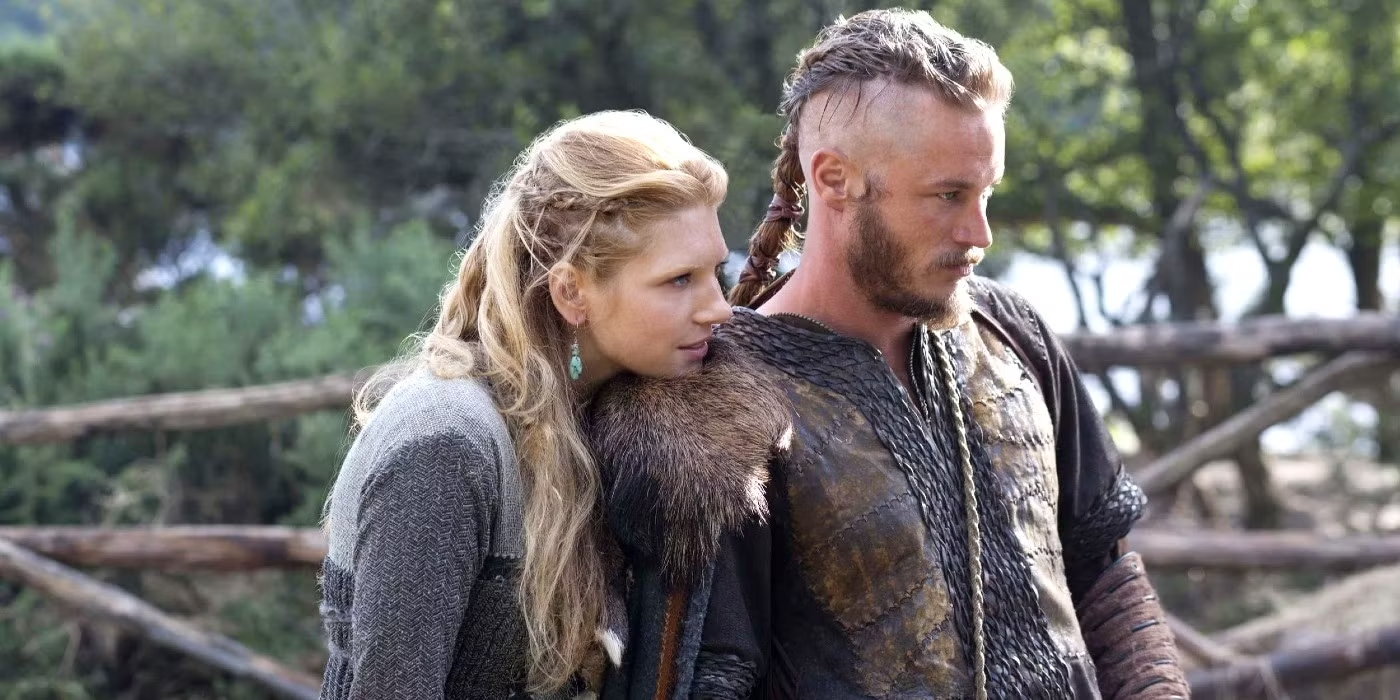
The Vikings were tall, strong, and surprisingly clean. When they started to settle in England, some of the locals complained that they were too clean and were stealing the attention of the ladies because they bathed once a week! Vikings also carried small combs with them so that they could keep their hair and beards clean and neat. This shows that the Vikings understood how self-love and self-care were essential to thrive.
Beyond good grooming, the Vikings were significantly taller and stronger than neighboring people. This was not just a question of winning the DNA lottery. They had a different diet. While their neighbors were mostly eating a grain-based diet, Viking meals were principally focused on meat-based proteins, including livestock, game, fish, and dairy. Plus, since most Vikings aspired to be warriors, training was a big part of their lives.
So taking care of yourself from the inside out and understanding that how you look on the outside can impact how you feel on the inside are philosophies that should be embraced by a modern Viking.
5. Mindfulness and Gratitude
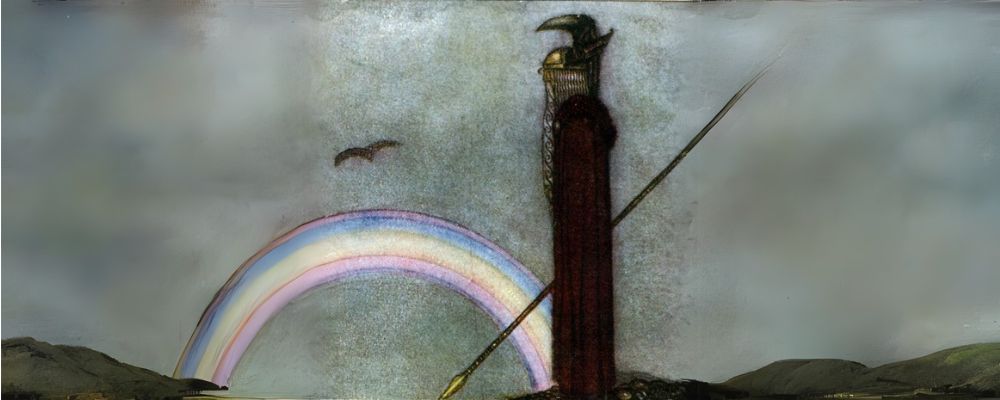
Do you have to believe in the Old Norse gods to be a Viking? No, but Norse religion went beyond that. The Vikings believed that their gods were manifest in the world and could be observed. Odin famously wandered the world in disguise, but the wise could spot him by his distinctive attributes. When lightning and thunder pierced the sky, the Vikings knew that this was Thor defending them from supernatural threats. Rather than fear, this was reaffirming. The cycles of the seasons were a reminder that fertility gods such as Freyr and Freyja were at work.
So, the Vikings keenly observed the world around them and practiced gratitude. For modern Vikings, this seems like mindfulness, which helps us live in the present. It is also gratitude, which means being grateful for what you have, without giving up on your dreams for more.
Vikings of the Third Millennium
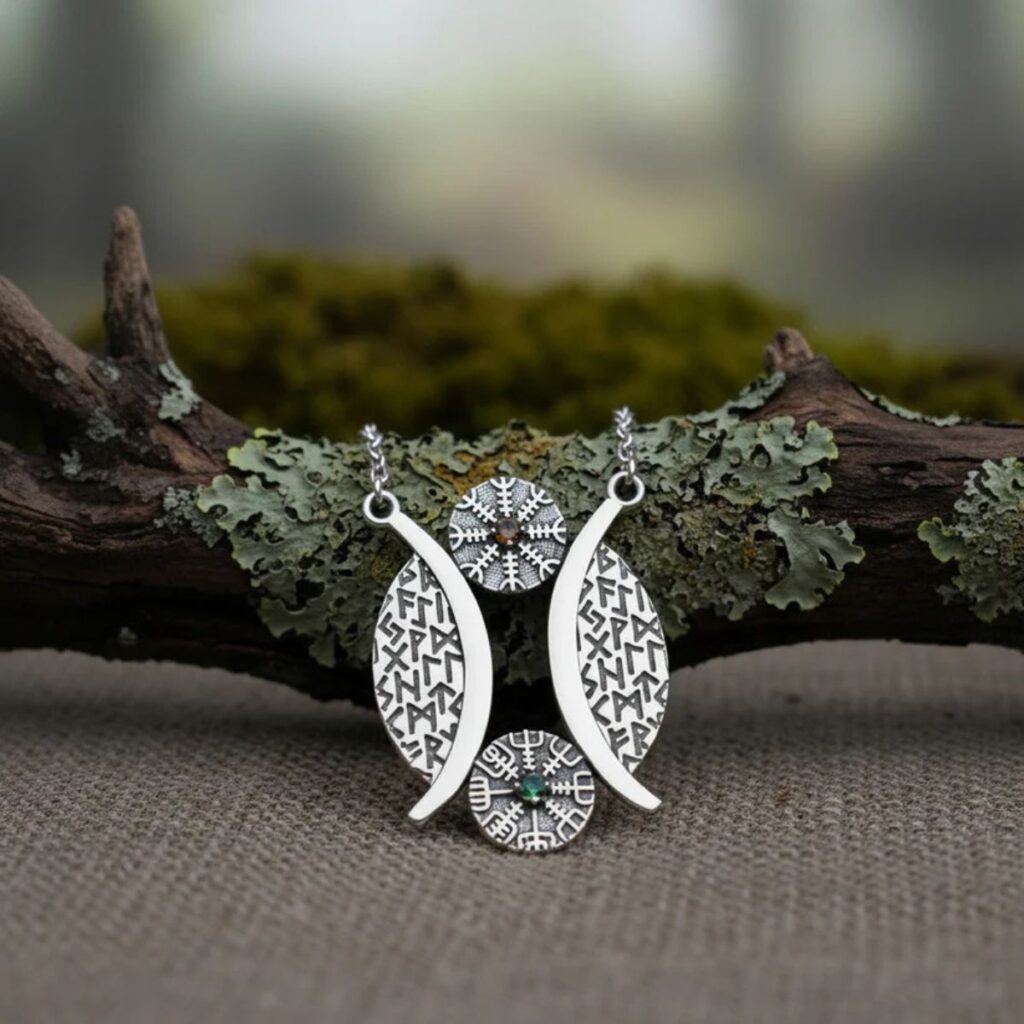
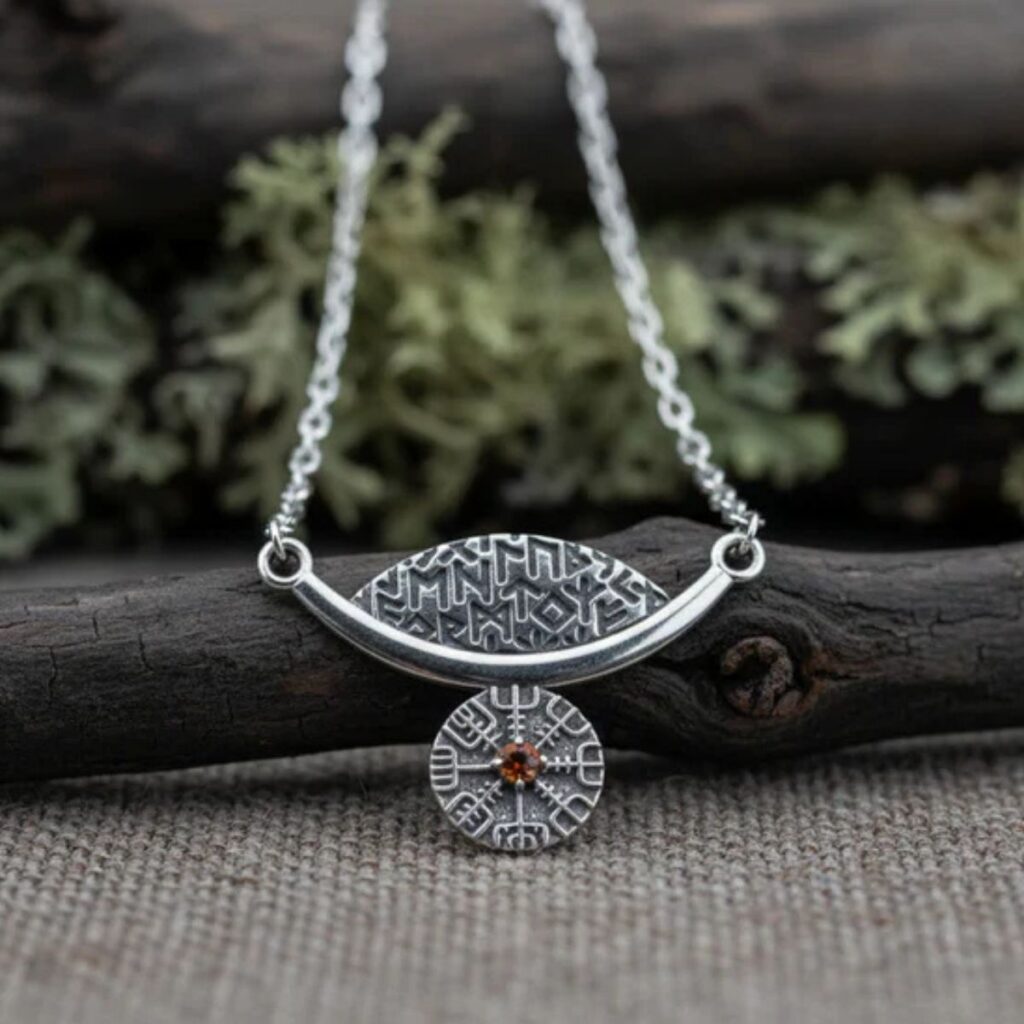
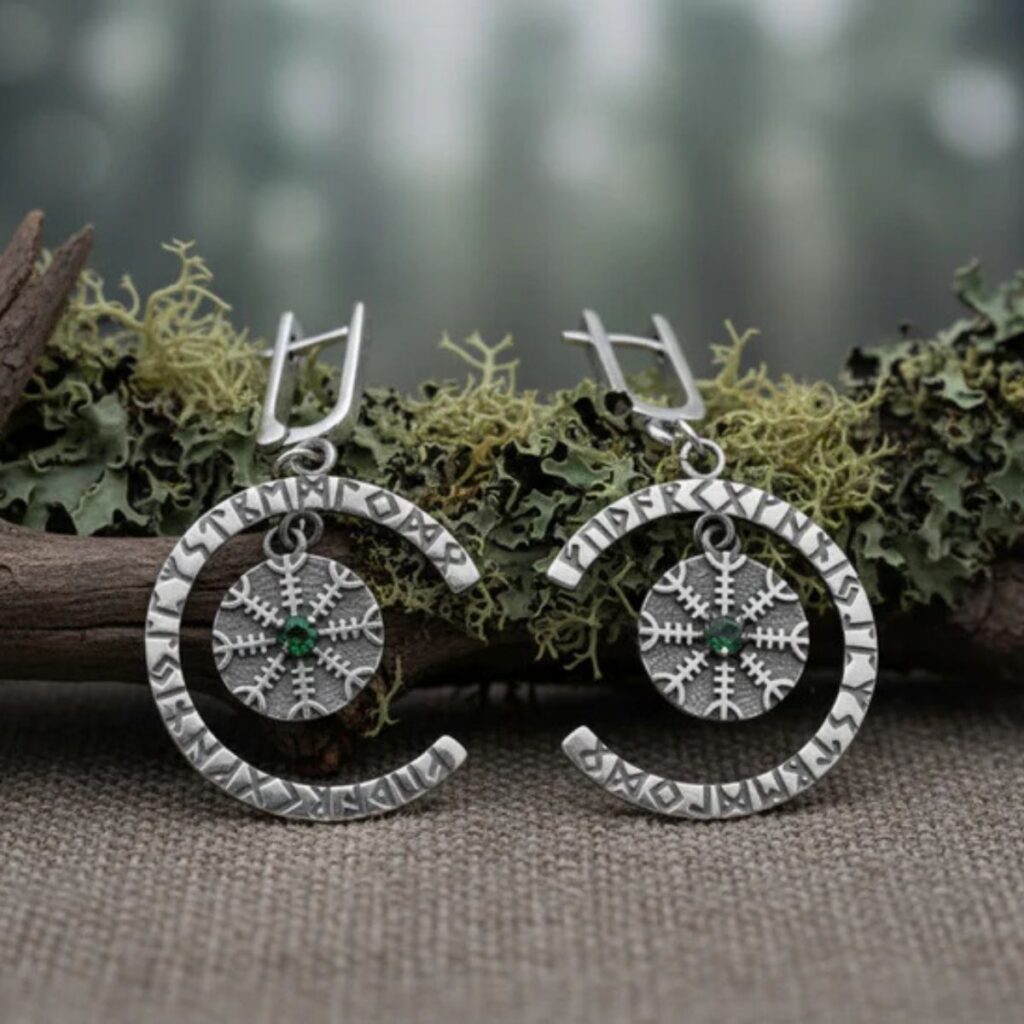
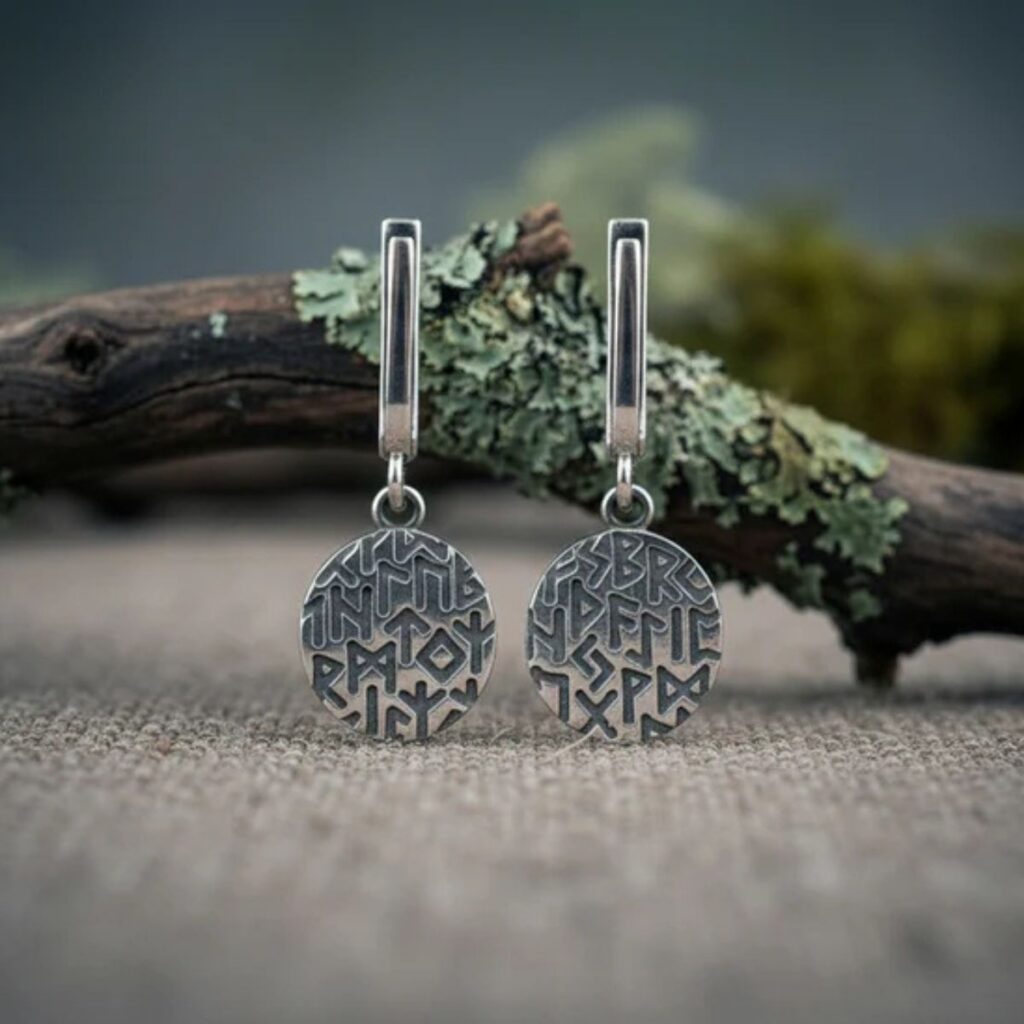
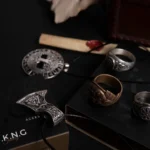
We are celebrating what it means to be a modern Viking in the modern day with our new Vikings of the Third Millennium Collection. While we love historical replicas, this collection takes a different approach, embracing Norse symbols but giving them thoroughly modern designs.
As we launch the collection, we are focused on the Norse runes and two of the most important runic symbols, Aegishjalmur and Vegvisir. While these come from the Icelandic grimoires, which postdate the Viking Age, these symbols perfectly bridge the gap between the Viking Era and the modern day.
Aegishjalmur, also known as the Helm of Awe, is a symbol that provides courage and strength as you face your greatest challenges.
Vegvisir, also known as the Norse Compass, is a wayfinding symbol that ensures you never lose your way, even if you do not know your destination.
Check out some of our favorite pieces from the collection.