By the Viking Age, Odin was the most important god in the Norse pantheon. He was viewed as the creator god, creating both the human world and mankind. He was also the progenitor of most of the Aesir gods, including Thor and Balder. He was associated with war but also wisdom; he was the source of writing and magic; and he played a role in the transition between life and death. He was fundamentally important to every aspect of life.
But that was not always the case.
Who did the people living in Scandinavia worship before Odin and the Aesir gods, and how did Odin emerge as the most important god in the Viking world?
Bronze Age Worship of the Sun
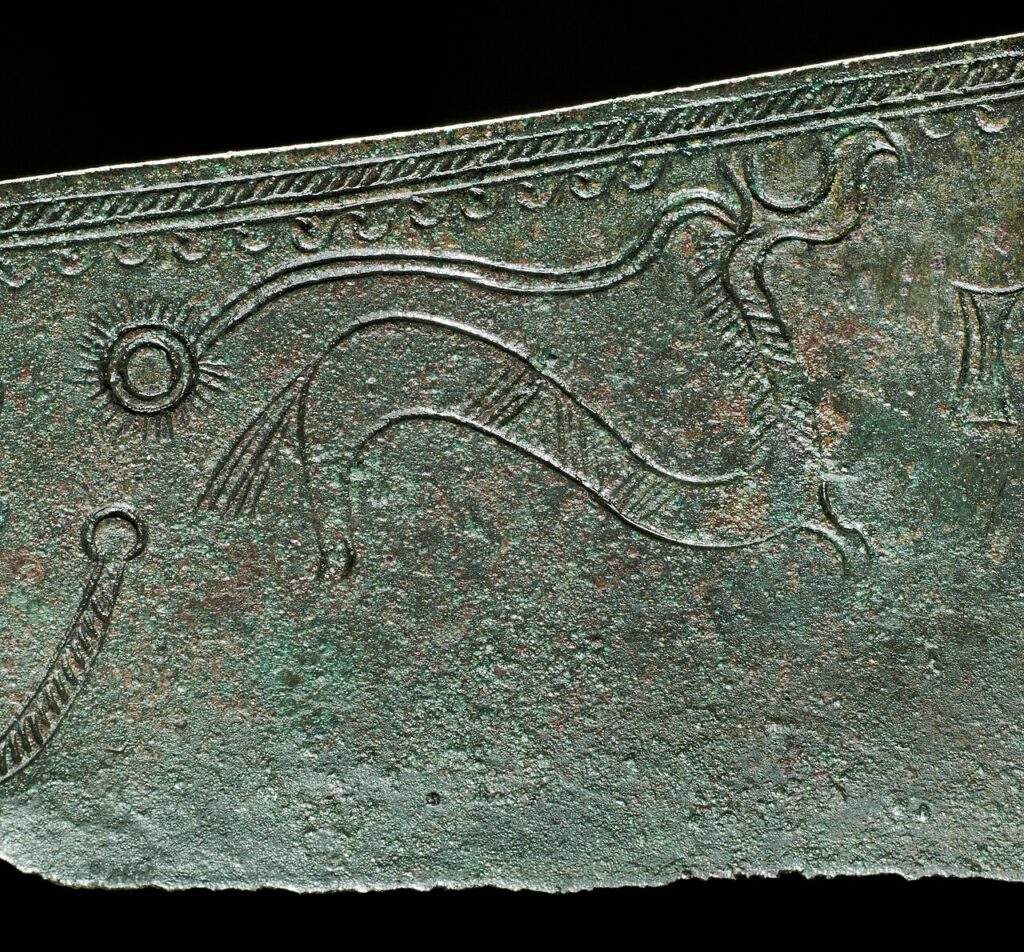
While no written records survive, archaeology suggests that in the Nordic Bronze Age, which lasted from around 2000-500 BC, religion focused on worship of the sun. Unlike most European cultures, which imagined the sun as a sky father and the moon as female, the Nordic sun appears to have been female. This is something that carried over into later Nordic religion, as the Vikings also saw the sun, Sol, as female and the moon, Mani, as male.
The sun had several symbols that appeared frequently in rock art, including the swastika, sun wheel, and boats. She was also associated with horses, birds, and fish.
She seems to have been paired with twin male gods associated with war. They were associated with horns, helmets, and weapons, often buried in pairs to reflect their twin nature. They were probably conceived of as protectors of the sun on her daily and annual journey.
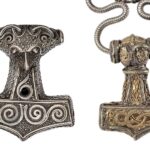
Many scholars suspect that Thor was a native Nordic god who found his way into the later Viking Age pantheon. While this is debatable, if he was, he may have been one of these protective gods.
Manu in Proto-Indo-European Religion
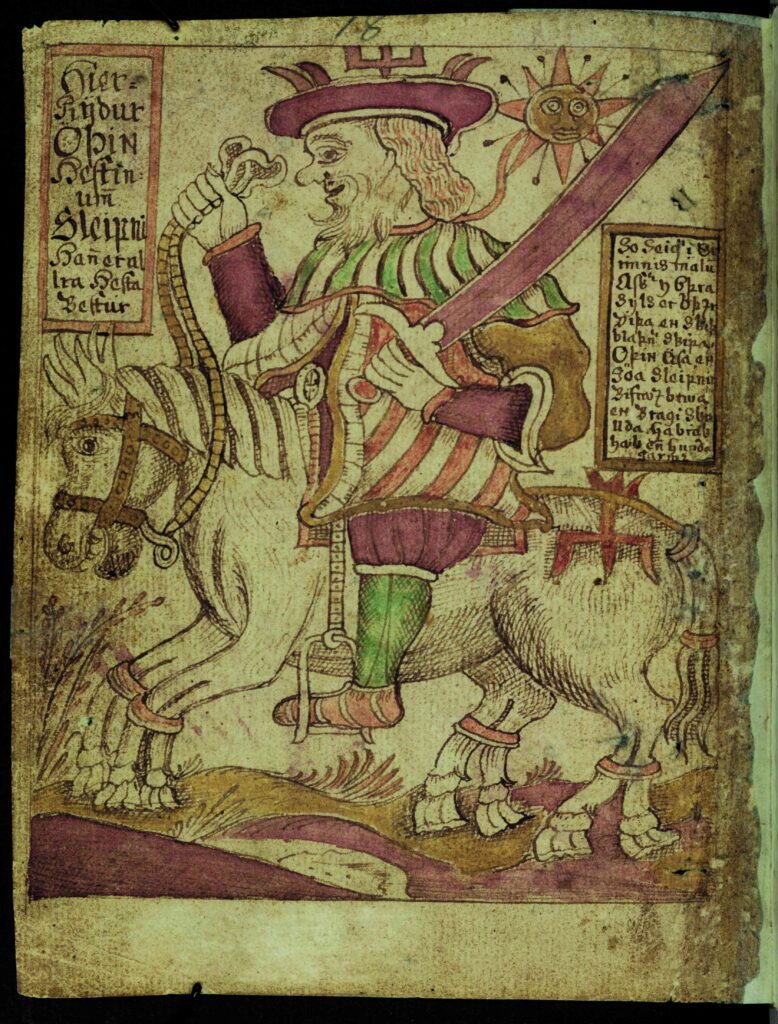
While the Nordic people were worshipping the sun, the Germanic people living further east worshipped an early version of Odin among other gods.
Interestingly, when the Romans encountered these deities, they did not compare any of them with their own supreme god, Jupiter (Zeus). Rather, the Roman author Tacitus suggested that the heroic Thor was the equivalent of Hercules, that the war god Tyr was the equivalent of Mars, and that their most important god was the equivalent of Mercury.
While Mercury is often characterized as a messenger of the gods, more importantly, he was the principal intermediary between the mortal and the divine. This is probably the key connection between early versions of Odin and Mercury.
Since Odin does not seem to have shared origins with Jupiter or Zeus, where does he come from? Scholars suggest that he may have come from the Proto-Indo-European god Manu.
Manu was the god responsible for upholding order in the cosmos. He was the first priest, placing him in the position of intermediary between the mortal and divine. Mythologist Georges Dumézil argued that this made sense within the three classes of gods that he identified in many Indo-European religions. There is the ruling class, represented by Odin; the warrior class, represented by gods like Tyr and Thor; and the fertility class, probably represented by the Vanir gods in Norse religion.
Manu and Odin as Creator Gods
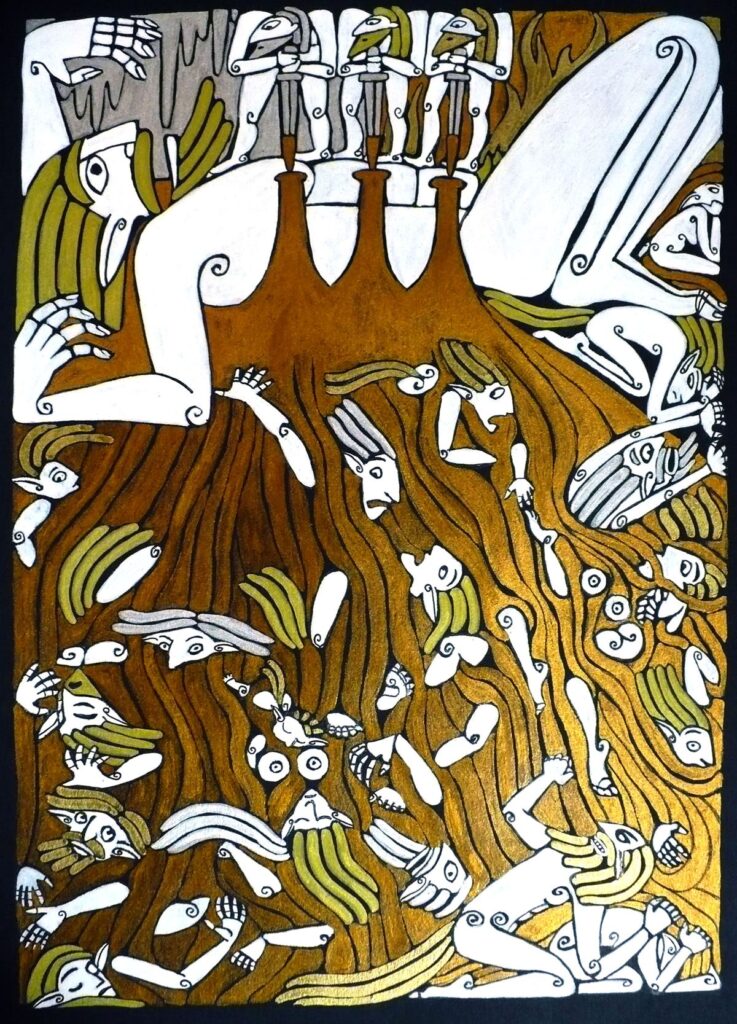
This ties in with the parallel roles played by Manu and Odin in creation. The first beings to exist were the twins Manu and Yemu, who were probably imagined as opposite sides of the same coin, with Manu representing order and Yemu representing chaos. Manu kills Yemu and uses his body to create the world and creates mankind to populate it.
While Odin was described as two generations on from the first primordial beings, he also famously slew the chaotic primordial giant Ymir and used his body to create the world and then created mankind to populate it.
Perhaps Odin was seen as being several generations after the primordial gods because he was not native to the Nordic region, but imported from further east. In later Icelandic retellings of the Norse myths, they say that the Aesir migrated into Scandinavia from distant lands and made themselves rulers over the people. This perhaps reflects Odin and other gods being imported into the Nordic world and rising to supremacy.
The Rise of Odin
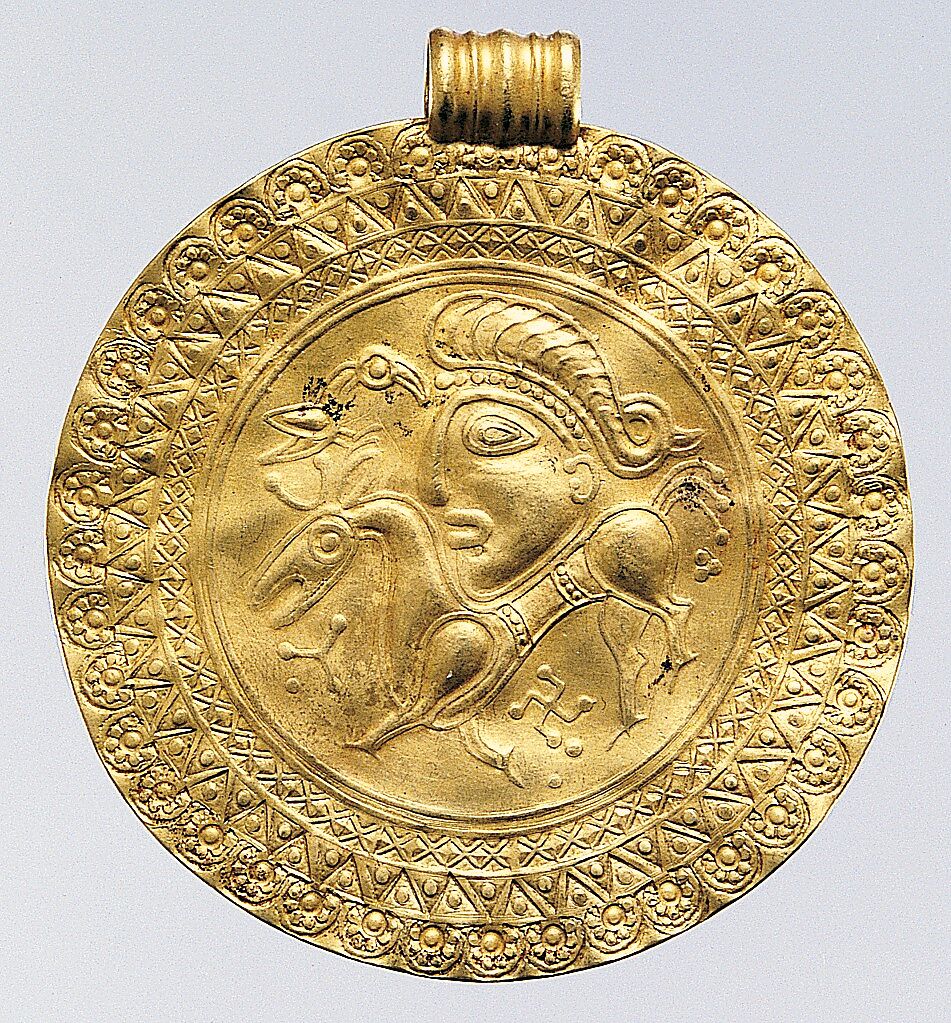
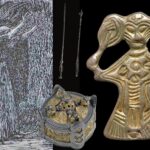
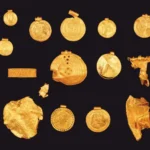
The earliest definitive evidence for the worship of Odin in the Nordic world is a gold bracteate dating from around AD 400 that was discovered as part of the Vindelev Hoard in Denmark in 2020.
It shows a man above a horse, holding a spear, and accompanied by two birds. Many bracteates from AD 400-700 feature this image, which is assumed to be Odin. The god had a steed, Sleipnir, a spear, Gungnir, and was accompanied by two ravens, Huginn and Muninn. But this bracteate makes the association clear with the runic inscription “he is Odin’s man.”
What we call “Norse Religion” seems to have taken hold in the region by this point, supplanting the earlier sun-based religion. It is interesting that Odin was associated with horses and birds, connections he may have inherited from the sun.
But Norse religion continued to evolve and was not uniform across the Nordic world. For example, it seems likely that in early times, the goddesses Freyja and Frigg were one and the same, and later separated into two separate deities. In addition, there is significant evidence for worship of the god Tyr in Denmark, but minimal evidence for his veneration further north.
It may have taken centuries for Norse religion to settle into the form familiar from the Icelandic Eddas. Moreover, the stories in the Eddas may represent a specifically Icelandic version of Norse religion, and one already heavily influenced by Christianity, as the stories were not written down until well after the general conversion to Christianity. Vikings living in Denmark in the 8th century may have recognized little in Norse myths recorded in Iceland in the 13th century.
Odin in the VKNG Collection
If you identify with Odin as the great god of the Viking world, you can find Odin-inspired pieces in the VKNG Collection.
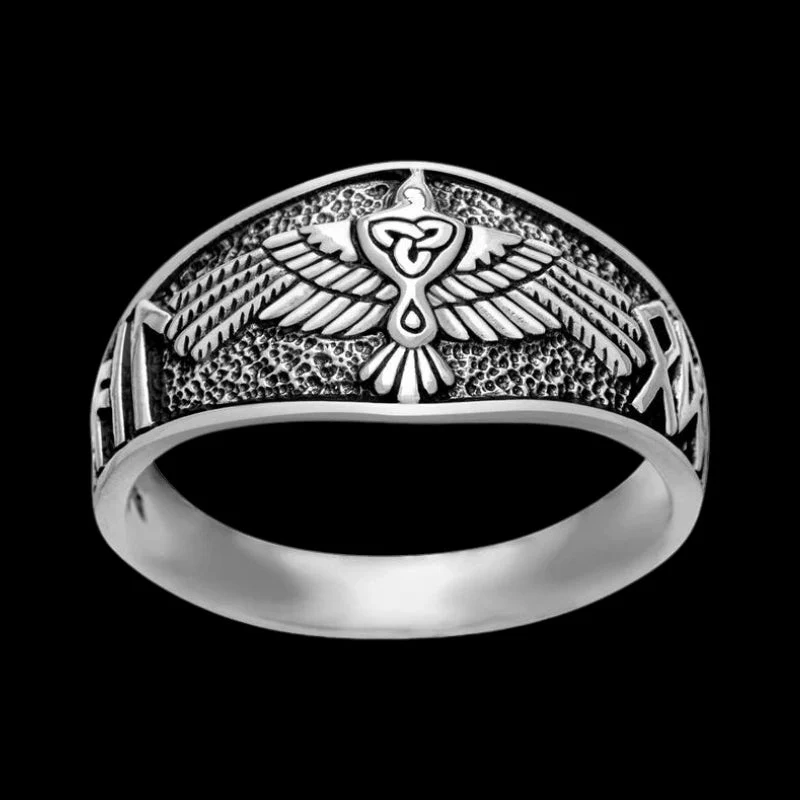
This stunning sterling silver ring combines an Odin raven symbol with the runes for Hail Odin. The raven is embellished with a fine Triquetra, common in both Celtic and Norse designs.
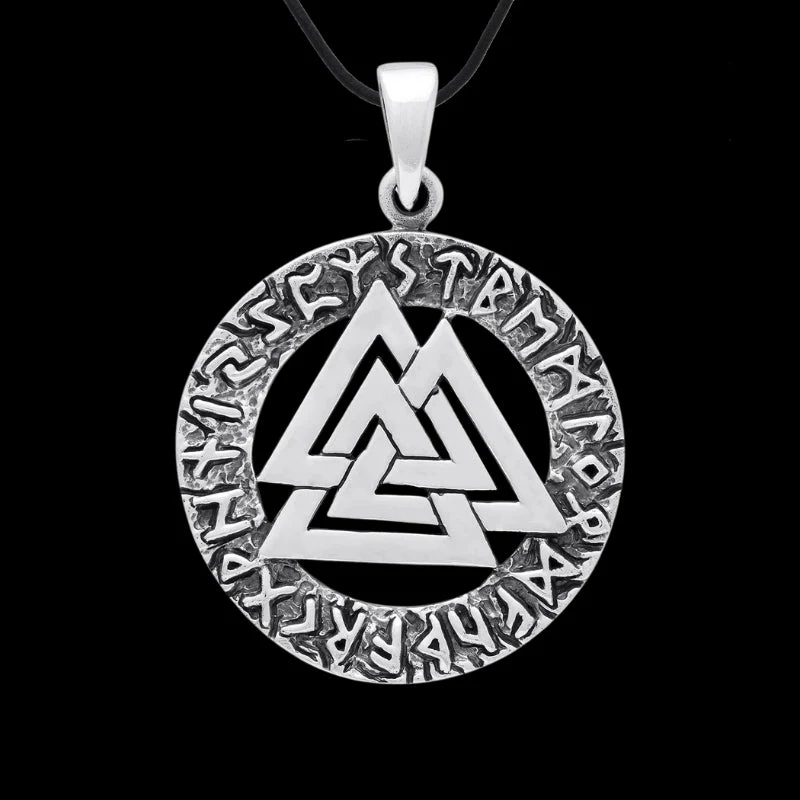
This sterling silver pendant features the Valknut, the symbol of Valhalla, often depicted alongside Odin, enclosed by a circle of Norse runes.
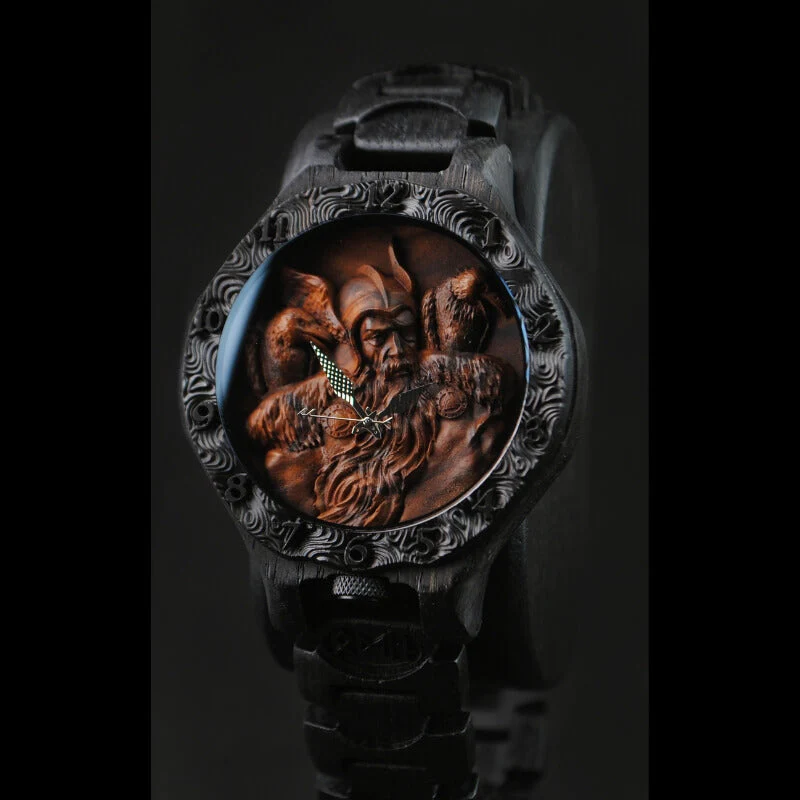
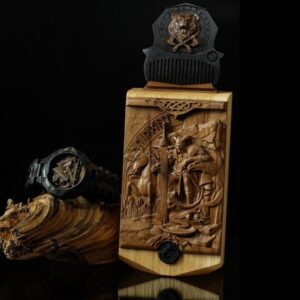
This handmade wooden watch features Odin with his two ravens. It is a collector’s item that comes in a specially designed wooden box.
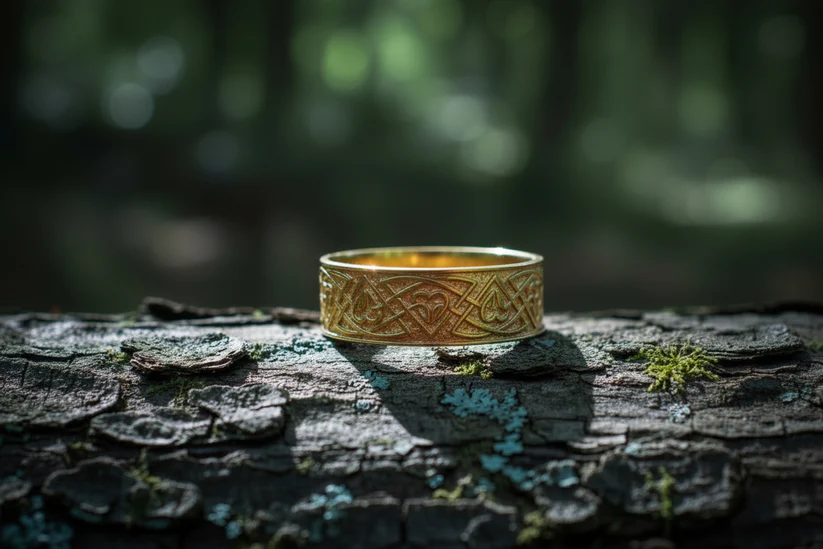
According to myth, Odin had a gold ring called Draupnir that was incredibly fine, and every nine days, it produced eight rings of equal quality to itself. It may have looked much like this Norse ornament gold ring.
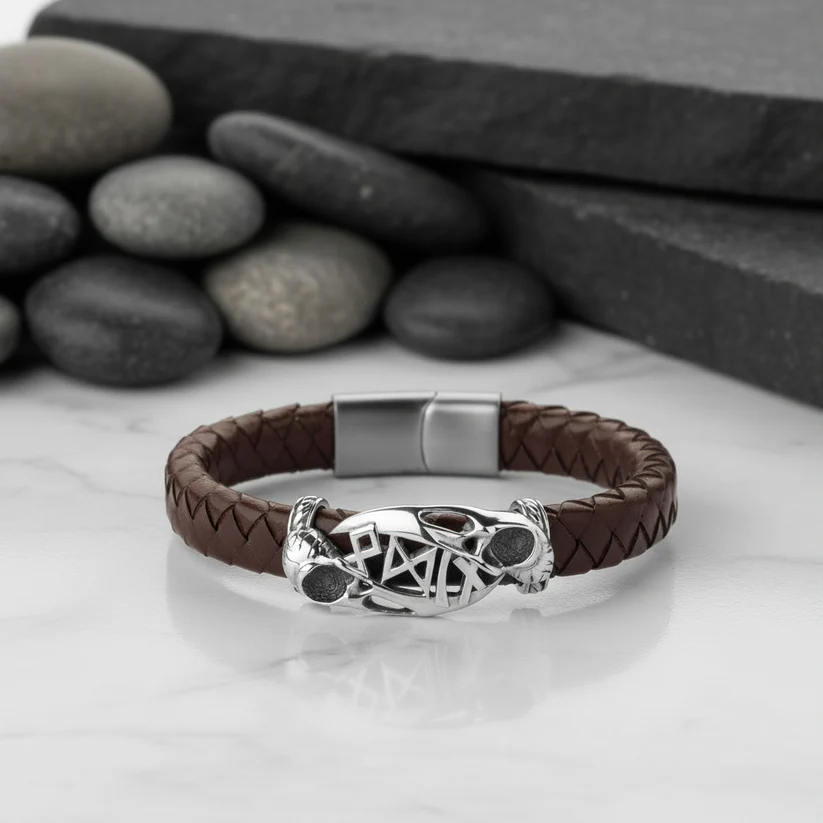
The clasp of this stunning leather and silver bracelet features two raven skulls enclosing the runes for Odin.